Religion
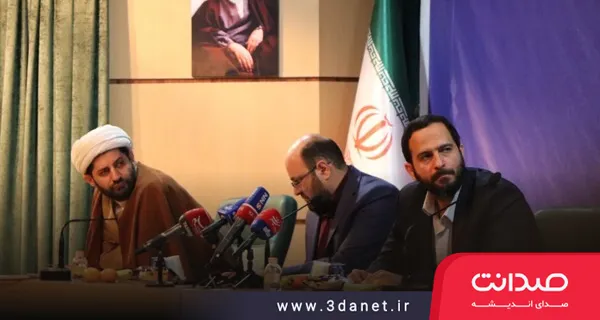
Lecture by Kazem Ghazizadeh at the Academic Conference on the Exegetical and Jurisprudential Study of Muharebeh and Ifsad
Drawing on verse 33 of Surah al-Ma'idah and juristic opinions, Kazem Ghazizadeh examined the concepts of muharibah (waging war against God) and ifsad (corruption on earth). He argued that the expansion of ifsad in the penal code contradicts the views of Imam Khomeini and the majority of jurists, and distinguished muharibah from baghy (armed rebellion).
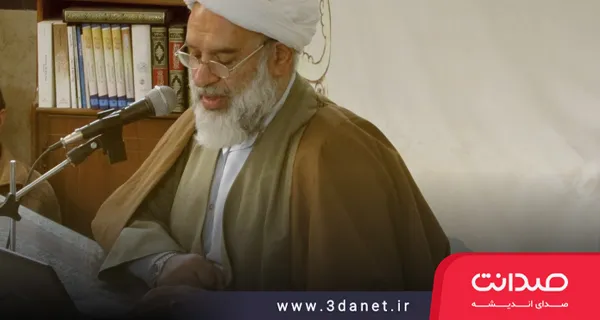
Since verse 33 of Surah al-Ma'idah addresses the subject of muharebeh (waging war against God) and ifsad fi al-ard (corruption on earth), and recently its interpretation and the determination of its instances in society have been met with reactions, the director of the Fahim Cultural Institute in Qom, at the Academic Conference on the Exegetical and Jurisprudential Study of Muharebeh and Ifsad, has addressed matters such as the definition of muharebeh, the interpretation of the verses, and the opinions of jurists. The aim of the discussion is to answer the following three questions: What is muharebeh? Are those who confront and riot against the government during the Occultation subject to the ruling of a muharib? According to Islamic jurisprudence, does a "corrupter on earth who is not a muharib" also receive a punishment similar to the four types of penalties in verse 33 of Surah al-Ma'idah?
First, Hujjat al-Islam Kazem Ghazizadeh addressed the lexical meaning of muharebeh and muqatalah and explained that:
Muharebeh is when someone causes people to fear with a weapon, deprives people of their peace, and intends to harm people's lives and property. But regarding muqatalah, for example, two tribes fight over a dispute.
The Opinion of Quranic Exegetes:
Among the exegetes, Tabarsi considers verse 33 of Surah al-Ma'idah to be about qati' al-tariq (highway robbery), meaning someone who blocks the road for travelers and steals their property.
Also, Fadhil Miqdad, a renowned scholar, defines a "muharib" as "anyone who openly brandishes a weapon to frighten people."
According to Rashid Rida in Tafsir al-Manar, "muharib" means fighting against peace and security, and waging war against God and the Messenger is in fact confronting the peace and security in the religion of the Prophet (PBUH) and pertains to highwaymen. Also, yuqattalu means that whenever they find the muharib, they should kill him swiftly, and this punishment is a hadd (fixed penalty), and since it is not qisas (retaliation), it cannot be pardoned by the heirs of the victim, nor does it mean torturing to death.
The Opinion of Jurists:
Shaykh Tusi considers the meaning of muharib to be qutta' al-tariq (highwaymen), meaning someone who draws a weapon and blocks the road.
Imam Khomeini (RA) states in Tahrir al-Wasilah: One who blocks the road with a weapon and causes corruption on earth is the meaning of a muharib, and corruption (ifsad) by itself does not warrant the punishment of execution.
Among jurists, the majority have not considered the punishment for ifsad fi al-ard to be equivalent to execution, except among contemporary jurists who have issued fatwas on this matter.
Article 286 of the Islamic Penal Code states:
Anyone who extensively commits crimes against the physical integrity of individuals, crimes against the internal or external security of the country, spreading falsehoods, disrupting the country's economic system, arson and destruction, disseminating poisonous, microbial, and dangerous substances, or establishing centers of corruption and prostitution or aiding them, in a way that causes severe disruption to the public order of the country, insecurity, or major damage to the physical integrity of individuals or public and private property, or causes the widespread spread of corruption or prostitution, is considered a mufsid fi al-ard (corrupter on earth) and is sentenced to death.
In fact, in Article 286 of the Islamic Penal Code, the concept of ifsad fi al-ard has been expanded and includes numerous instances. This interpretation of ifsad fi al-ard contradicts the opinion of Imam Khomeini (RA) and the majority of jurists, and fatwas of this nature are few in number among jurists.
Hujjat al-Islam Ghazizadeh added: One of the issues raised is whether those who confront and riot against the Islamic government are subject to the ruling of a muharib. In Surah al-Hujurat, the subject of ahl al-baghy (rebels) is addressed, meaning those who rise up against the Islamic government. This confrontation is not necessarily accompanied by frightening the people. For example, those who fought against the government during the Shah's time, and the people also helped them and hid them in their homes. Therefore, muharebeh and baghy are two separate subjects, and according to the opinion of the majority of renowned jurists from the beginning until now and verse 33 of Surah al-Ma'idah, ahl al-baghy cannot be considered deserving of the four punishments stated in the verse. It has even been stated about ahl al-baghy that you should release their captives. However, it is among some contemporary jurists that ahl al-baghy have been considered muharib and consequently subject to those four punishments of verse 33 of al-Ma'idah.
.
.
Download the lecture audio
.
Watch the lecture video on Aparat:
.
.
Fahim Institute Announcement Channel
Fahim Institute Website
Author of this session's report: Mohammad Kazem Mohammadi
.
.

Discussion0 comments
No comments yet; let yours be the first voice.