اندیشهفلسفهخردگفتگوحکمتمعناپرسشفرهنگ
Religion
Kazem Ghazizadeh: None of the Street Protesters Qualify as Mohareb or Mofsed
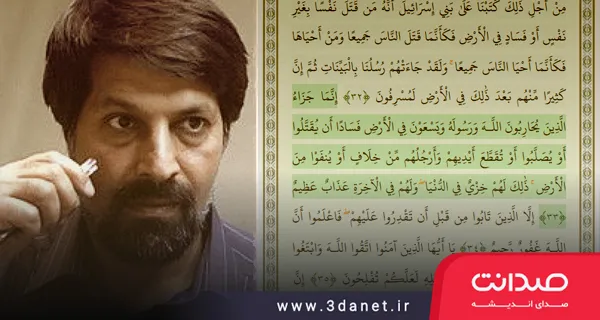
Ayatollah Kazem Ghazizadeh, a jurist from the Qom seminary, does not consider any of the street protesters to be instances of mohareb (waging war against God) or mofsed (corruption on earth); this designation is reserved for those who terrorize people with weapons. In his view, the political use of verse 33 of Surah al-Ma'idah is a mistake.
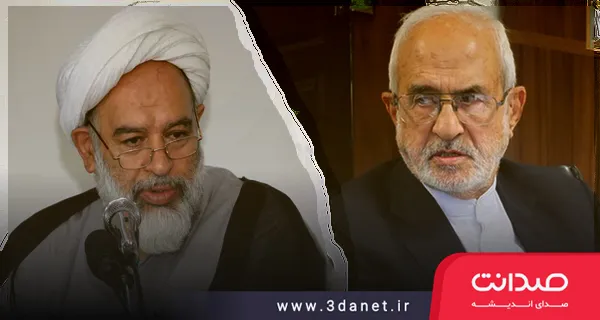
Ayatollah Kazem Ghazizadeh, an instructor of advanced jurisprudence (dars-e kharij) at the Qom Seminary, in reaction to the remarks of Abolfazl Bahrampour, a Quranic affairs expert on IRIB TV1, tells IRNA Plus: In the blessed Surah al-Ma'idah, those who are termed mohareb (wagers of war) are explained, and two titles are mentioned: moharebeh (waging war) and striving to spread corruption on earth. Our jurists usually consider the combination of these two titles as the subject of the verse's ruling, and as many jurists, including Imam Khomeini, state, these are individuals who take up arms to frighten people, seize their property, and possibly kill or injure them, and naturally, they are recognized as mohareb. The referent of this title in the words of the jurists is also highway robbers.
Ayatollah Shahroudi: Those who strive against the state and government are not mohareb
Ghazizadeh adds: Therefore, the subject of verse 33 of the noble Surah al-Ma'idah is a specific and precise subject. Thus, we cannot expand every matter that is raised in the Holy Quran for a specific group and, in our own view, extend it to other people. In an article, Ayatollah Mo'men sought, contrary to the majority of jurists who consider "the combination of moharebeh and corruption" as one subject, to say that moharebeh and corruption are each independently the subject of this noble verse, and by expanding the title of spreading corruption, to extend the verse's ruling to those who seek to overthrow the Islamic government. Whereas, in a detailed critical article on Mr. Mo'men's writings, Ayatollah Shahroudi affirmed the well-known theory of the jurists. And he specified that this verse pertains to those who, by frightening people, strive to kill, injure, seize people's property, and plunder them, and those who strive against the government and on the path of overthrowing the state are not recognized as instances of mohareb.
این مدرس خارج حوزه علمیه قم در تفسیر و تحلیل وقایع اخیر مطابق آیه ۳۳ سوره مائده بیان میکند: با توجه به اتفاقاتی که این روزها رخداده، افراد حاضر در خیابان را باید در سه گروه تفکیک کرد که هر کدام حکم متفاوتی نسبت به یکدیگر دارند: گروه اول کسانی بودند که در روزهای اول برای یک امر اجتماعی، در خیابانها حاضر شدند و اعتراض داشتند. بالاخره در شرایط حاضر به خاطر فقر شدیدی که مشکلات اقتصادی بر اقشار متوسط و پایین جامعه تحمیل کرده، به همراه شنیدن یکباره خبر افزایش قیمت بنزین، افرادی آمدند و اعتراض کردند. همانطور که میدانید اعتراض حتی در مواردی امر پسندیدهای است و بعضا مصداق امر به معروف و نهی از منکر است و در کلمات مسئولان کشور به مشروعیت اعتراض در دولت اسلامی تصریح شده است. این گروه غالب، جزو معترضان بودند و کسانی نبودند که سلاحی در برابر حکومت در دست بگیرند.طبعا این گروه مجازاتی برای کارشان نمی شوند و بالعکس باید دولت و مجلس زمینه های لازم برای امکان تحقق بدون هزینه برگزاری تظاهرات و اعتراضات آرام مخالفان تصمیم های حاکمیت را فراهم کنند . گروه دوم کسانی بودند که حالا در حین اعتراض، عصبانی بودند و سنگی هم در دست گرفتند و از روی غفلت شیشه مرکز دولتیای را شکاندند، و بعضا بخاطر برخورد ماموران، به عصبانیت کشیده شده اند .این گروه بدنبال مخالفت با نظام و یا ضربه به اقتصاد نبودند و به دنبال ترساندن مردم نبودهاند و در حقیقت میخواستند اعتراض خودشان را با صدای بلندتری برسانند. این گروه هم مصداق محاربه و فساد نبودند. و گرچه غفلت و عصبانیت آنان خسارت هایی را ببار آورده است ،ولی شایسته است حاکمیت با توجه به مجموعه شرایط حاکم بر آن روزها و قصور و تقصیری که خود حاکمیت داشته شرایط این دسته معترضان را درک کند و با دیده اغماض به عفو یا حد اقل مجازات بسنده کند. گروه سوم که کارشان بسیار زشت بوده و محکوم است، کسانی بودند که اموال عمومی را عمدتا با سازماندهی آتش زدند و به مراکز دولتی و حتی خصوصی حمله کردند.و با سلاح سرد و احیانا سلاح گرم با ماموران امنیت برخورد کردند. گرچه در برخی از موارد عنوان باغی و تجاوزکار به حاکمیت اسلامی بر این گروه صدق میکند و طبعا احکام "باغی" را دارند، اما مصداق آیه شریفه مذکور نیستند و آنچه به عنوان محارب در فقه تعریف شده بر ایشان صدق نمی کند و اصولا ترساندن مردم در کار آنها نبوده یا تحققش مشکوک است. لذا میشود گفت که استفاده سیاسی از آیه سوره مائده، خطای فاحش است و هیچیک از این سه گروه، مصداق این آیه شریفه نیستند.
ترجمه «زجرکش کردن» از آیه، بیپایه است
قاضیزاده همچنین درباره تفسیر این کارشناس مسائل قرآنی تصریح میکند: ایشان نه تنها در تشخیص موضوع اشتباه کردند بلکه در تبیین حکم آیه هم به خطا رفتند. ایشان تعبیر «یُقَتَّلوا» را به معنی «زجرکش کردن» مطرح کردند که این حرف، بیپایه است و موجب مشوه جلوه دادن احکام نورانی اسلام است. در این آیه شریفه عبارت یُقَتَّلوا به این معنی است که با سرعت وبدون استثنا افراد محارب به قتل برسند. اما اینکه ما در فارسی این عبارت را زجرکش کردن ترجمه کنیم و به کار ببریم، اشتباه است؛ زیرا چنین چیزی در این آیه شریفه نیست و هیچکدام از فقهای ما چنین برداشتی از آن نداشتهاند. حداکثر این است که گفتهاند کسانی که خصوصیات محاربه را دارند، باید سریعاً محاکمه شوند، بر حکم آنان پافشاری شود و یا اگر تعداد زیادی در محاربه هستند، همه آنها به قتل برسند.
این مدرس خارج فقه حوزه علمیه قم اضافه میکند: نکته دیگر این است که در این آیه آمده که این افراد، باید تبعید شود؛ ایشان اینطور تعبیر کردند که این افراد باید از زمین بیرون برده و به وسط دریا منتقل شوند تا بمیرند. این صحبتی است که به فکاهی نزدیک است و اصولا در آن زمان نمیتوانیم تصور کنیم فردی را از زمین به وسط دریا منتقل کنند؛ زیرا نه امکان داشته و نه مصداقی داشته است. تبعید هم به این معنا نیست که فرد از جای خوش آب و هوایی برود به جای بدآب و هوا؛ بلکه به این معنی است که از جایی که توطئه کرده و جایی که راهزنی کرده، دور شود.
Ghazizadeh further states: It is interesting to note that in the narrations related to this noble verse, four groups are considered: one who is a highway robber, confronts people, kills, and seizes their property—for whom the ruling is execution; the ruling for one who kills but does not seize property is also execution; one who is a highway robber and seizes property but does not kill, their punishment is the amputation of the fingers of one hand and one foot; and finally, one who neither succeeds in killing nor in seizing people's property, but merely frightens people with a weapon, whose ruling is exile.
This instructor at the Qom Seminary also responds to the statements of this Quranic affairs expert by stating: It seems that although he has some involvement in exegesis and has heard material from commentators, he should have paid closer attention to the verse and the jurists' views. For he erred both in identifying the subject of verse 33 of Surah Al-Ma'idah and in applying it to the protesters, and even in applying it to those who attacked state property. Of course, I explicitly state that those who set fire to property in an organized manner and possessed cold and hot weapons must be punished, but their punishment does not fall under the category of *moharebeh* (waging war against God), and the majority of our jurists do not consider the verse applicable to such individuals.
Let Us Not Deviate from the Path of Moderation in Issuing Rulings
He further adds: The Holy Quran has advised us: "Let not hatred of a people lead you away from justice. Be just; that is nearer to righteousness." We are all distressed by the financial and human losses to the public treasury and the people, but when judging and issuing rulings against those who committed these acts, even intentionally and with organization, we must not forget the path of moderation, and our ruling must be just. Especially to him, we must say that in the years following the victory of the Revolution, regarding certain established punishments found in the statements of jurists, we have, for reasons of expediency, tried to exercise a degree of leniency and commute some punishments. Therefore, presenting such technical jurisprudential matters as Quranic exegesis, while there are other interpretations closer to what is correct, is inappropriate.
Judges Should Act with Islamic Clemency
Ghazizadeh believes: In judicial matters, one of the most important Islamic rulings is that the implementation of *hudud* (fixed punishments) is suspended due to doubt and ambiguous cases; we must now advise the honorable judges to treat those who committed such acts with Islamic clemency, to carefully examine each one of them to determine which group they belonged to, and in cases of doubt as to whether some are instances of *baghi* (rebels), to deal with them proportionately, and God forbid, regarding their families, who are generally afflicted by significant economic hardship, let us not cause their pain to be increased needlessly.
Yesterday, Abolfazl Bahrampour, in a television interview on Channel One, spoke about issuing rulings for the amputation of hands and feet and torturing protesters to death, stating that *nafy-e balad* (exile) means that exiled individuals are transferred on a dilapidated ship to the middle of the sea to die; not to a pleasant place like Shiraz. Referring to recent events, he further stated that saying these were young and emotional people is unacceptable, and God's decree must be carried out.
Today, however, in explaining his remarks to Fars Plus, he said that a protester is different from a *mohareb*, and in the continuation of the published clip, I said the verse refers to a *mohareb*.

Discussion0 comments
No comments yet; let yours be the first voice.