Philosophy
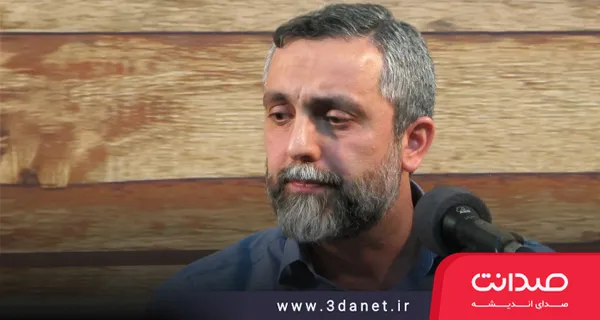
Lecture: “Externalism and A Priori Knowledge of Mental Content” by Mahmoud Morvarid
Content externalism holds that the content of intentional states is individuated by the environment; but is this view compatible with the doctrine of privileged access and a priori knowledge? Morvarid's lecture examines the problem of access and consequence in this compatibility.


Mahmoud Morvarid
SpeakerAccording to the doctrine of externalism about content, the content of at least some of a person's intentional states is individuated by their environment. Externalism, which has become a dominant view in the philosophy of mind over the past three decades, itself has various formulations, particularly concerning what the content of a person's thought is in cases of reference failure. Among the issues that externalism has raised is whether it is compatible with the doctrine of privileged access. According to this intuitive doctrine, under normal conditions, we can know a priori (i.e., without needing experience) what the content of our intentional states is. Over the past three decades, various arguments have been designed in favor of the claim that externalism about content is incompatible with the doctrine of privileged access. The problem of compatibility between externalism and a priori knowledge of the content of mental states itself comprises two smaller problems: the problem of achievement and the problem of consequence. The problem of achievement is this: if the content of a mental state is individuated by external affairs, how can one have a priori knowledge of that content? In the problem of consequence, the question is what results the truth of both the doctrines of externalism and privileged access to the content of mental states could entail, and whether these results are acceptable or not.
.
Audio of the lecture “Externalism and A Priori Knowledge of the Content of Mental States”
.
PDF file of the first chapter of Dr. Morvarid's dissertation on the same topic from the IranDoc site
PDF file of the article Externalism and the Slow Switching Argument by Mahmoud Morvarid
.



Discussion0 comments
No comments yet; let yours be the first voice.