Philosophy
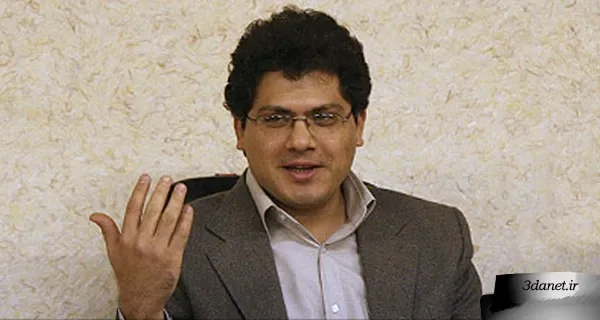
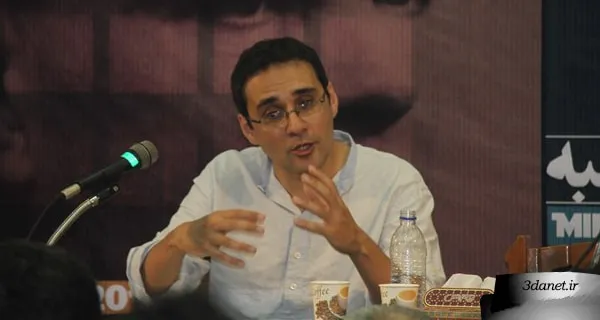
Lectures on Farabi's Philosophy by Mohsen Kadivar
Mohsen Kadivar examines the philosophy of al-Farabi across seventeen sessions. This lecture series spans the classification of the sciences and civil science to the relationship between religion and philosophy, the virtuous polity, and the paths to attaining happiness.
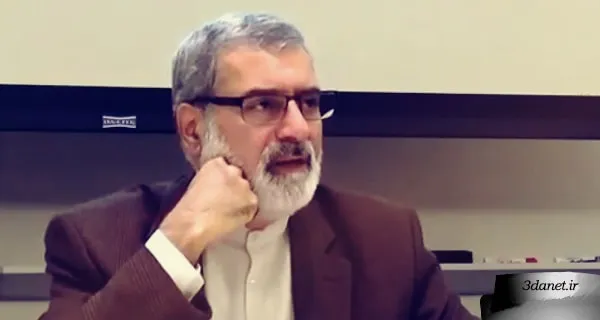
Audio of Lectures on Farabi's Philosophy by Dr. Mohsen Kadivar
.
.
Audio of Lectures on Farabi's Philosophy by Mohsen Kadivar
.
.
Farabi's Philosophy (Introduction)
Farabi's Philosophy 1, Session 1, September 23, 2007
• Farabi's importance in the formation of philosophy in the Islamic era
• Classification of sciences from Farabi's perspective in the book Ihsa' al-'Ulum (The Enumeration of the Sciences)
• Linguistic sciences, logic, mathematical sciences, natural sciences, and metaphysics
• Returning to Farabi as the path to reviving philosophy in the Islamic world
.
.
Farabi, the Founder of Civil Science
Farabi's Philosophy 1, Session 2, September 30, 2007
• Chapter five of Ihsa' al-'Ulum and Farabi's profound view on civil science, jurisprudence, and theology
• Moral philosophy as the first part of civil science
• Political philosophy as the second part of civil science
• Ijtihad in the realm of beliefs as the first part of the science of jurisprudence
• Ijtihad in practical rulings as the second part of the science of jurisprudence
• Farabi does not limit the science of jurisprudence to the branches of religious law
.
.
The Five Categories of Theologians from Farabi's Perspective
Farabi's Philosophy 1, Session 3, October 7, 2007
• Critical analysis of the science of theology in chapter five of Farabi's Ihsa' al-'Ulum
• The science of theology as a defensive, not an ijtihadi, science
• The five categories of theologians
• Is religion a supra-rational matter?
• What should be done in the conflict between reason and revelation?
• Defending religion at any cost?
.
.
Commentary on Farabi's Kitab al-Milla
Farabi's Philosophy 1, Session 4, October 14, 2007
• Milla (religion) from Farabi's perspective
• The relationship between religion and the First Ruler
• The relationship between the theoretical part of religion and the First Ruler
• The relationship between the religious laws and practical wisdom
• Comparing the method of religion (dialectic and rhetoric) with the method of philosophy (demonstration)
.
.
The Status of the Science of Jurisprudence in the Absence of the Righteous Imams
Farabi's Philosophy 1, Session 5, October 21, 2007
• The First Ruler and the establishment of rulings
• Factors in the non-establishment of many primary rulings and the alteration of rulings
• The status of the science of jurisprudence in the absence of the Righteous Imams
• Conditions for the jurist in opinions and actions
• The posteriority of the science of jurisprudence to theoretical philosophy and civil science
.
.
Virtuous Politics and Ignorant Politics
Farabi's Philosophy 1, Session Six, 28 October 2007
• Civil science in search of true happiness • Ethics in modernity
• Characteristics of virtuous actions and ethics
• Understanding ignorant politics
• The alien part of the city
• The leadership of tradition (the leadership of the first subordinate)
• "Intellection" as the most important characteristic of virtuous leadership
.
.
The Place of Intellection, Philosophy, and Revelation in Governing the City
Farabi's Philosophy 1, Session Seven, 4 November 2007
• Pathology of the virtuous city
• The extent of the first ruler's and the leaders of tradition's need for theoretical philosophy, civil science, and intellection
• "Intellection" as the most important condition for any leadership
• Comparing the ranks of individuals in the city
• Comparing the first ruler and God
• The Trustworthy Spirit as the governor of the first ruler of the virtuous city
• The governance of the city by the first ruler relying on divine revelation
• The role of the first ruler in preserving the virtues of the virtuous city
.
.
Commentary on Farabi's Kitāb al-Tanbīh ʿalā Sabīl al-Saʿāda (The Book of the Admonition on the Path to Happiness)
Farabi's Philosophy 1, Session Eight, 11 November 2007
• Farabi and the philosophy of ethics
• Understanding happiness, perfection, and the good
• The three states of the human being regarding the intellection of praise and blame (bodily actions, psychic accidents, mental discernment)
• Evaluative dualities: beautiful and ugly, fitting and unfitting, right and wrong
• The three conditions of happiness and misery in the three human states
• The human capacity for choosing the beautiful, the fitting, and the right
• The two pillars of human virtue: beautiful character and strength of mind
.
.
The Influence of Aristotle's Nicomachean Ethics on Farabi's Ethical Views
Farabi's Philosophy 1, Session Nine, 18 November 2007
• Acquiring the habit of beautiful ethics
• The influence of politics on ethical habits
• The criterion for evaluating actions
• The theory of ethical moderation
• The ugliness of ethical excess, deficiency, and moderation
.
.
From Fleeting Pleasures to Lasting Pleasures
Farabi's Philosophy 1, Session Ten, 25 November 2007
• The quality of attaining the intermediate ethical virtues
• Comparing medicine and ethics
• Warning against semblances of the intermediate virtues
• Types of pleasure (sensory and conceptual)
• Types of pleasure (immediate and consequential)
• The four classes of people regarding intellectual capacity and strength of will
• The effects of pleasures on the four classes of people
.
.
Divisions of Knowledge, Arts, and Philosophies
Farabi's Philosophy 1, Session Eleven, 2 December 2007
• Investigating the second pillar of virtue: strength of mind
• Divisions of human knowledge
• The threefold divisions of human arts
• The threefold divisions of human ends: the pleasant, the useful, and the noble
• Division of human arts in terms of their end
• Philosophy and the noble arts
• Divisions of philosophy
• The threefold divisions of theoretical philosophy
• The twofold divisions of political philosophy
.
.
On the Virtue of Logic
Farabi's Philosophy 1, Session Twelve, 3 December 2007
• The art of logic
• The ends of logic
• Intellect and speech
• Comparison of logic and grammar
• Generally accepted primary premises
• The possibility of being unaware of innate sciences
• The difference between the discussion of terms in logic and the science of grammar
• The priority of logic
.
.
Analysis of Farabi's Book "Tahsil al-Sa'ada"
Farabi's Philosophy 1, Session Thirteen, 16 December 2007
Analysis of Farabi's book "Tahsil al-Sa'ada" (Part One)
• The four virtues necessary for attaining true happiness
• Theoretical virtues
• Primary sciences and inferential sciences
• Degrees and methods of the inferential sciences
• The need for primary sciences
.
.
The Implications of the Correspondence between the Principles of Instruction and the Principles of Existence
Farabi's Philosophy 1, Session Fourteen, 23 December 2007
Part Two of the analysis of Farabi's book "Tahsil al-Sa'ada"
• Principles of instruction
• Principles of existence
• Demonstrations propter quid and demonstrations quia
• Divisions of the principles of existence
• The order of knowledge of the principles
• The implications of the correspondence and non-correspondence of the principles of instruction and the principles of existence
• The mathematical sciences and their divisions
• The relation between the principles of instruction and the principles of existence in the mathematical sciences
.
.
Psychology as an Intermediary between Physics and Metaphysics
Farabi's Philosophy 1, Session Fifteen, 30 December 2007
Part Three of the analysis of Farabi's book "Tahsil al-Sa'ada"
• The natural sciences
• Divisions of natural existents
• The relation between the principles of instruction and the principles of existence in the natural sciences
• “Psychology” as an intermediary between the natural sciences and metaphysics
• The insufficiency of natural principles for human perfection
• The need for intellectual principles
• The political nature of the human being
• Metaphysics
• The Principle of principles and the divine principles
• The implications of the divine perspective for existence
.
.
From Political Science to Intellectual Virtues
Farabi's Philosophy 1, Session Sixteen, 6 January 2008
Commentary on Farabi's Book “The Attainment of Happiness” (Part Four)
• The human science and its main questions
• Political science and the innate disposition of human beings
• The correspondence between the political community and the order of the universe
• The relation between the intelligible and the existent; the external states and accidents of intelligible matters
• Natural intelligibles and voluntary intelligibles
• The extent of the law-governedness of the external states and accidents of voluntary intelligibles with changes in time, place, and nation
• The cogitative faculty
• The teleological orientation of cogitative matters
• Characteristics of the intellectual virtues
• The connection between political intellectual virtue and laws
• Divisions of the intellectual virtues
• Personal and deliberative intellectual virtues
• The relation between intellectual virtues and moral virtues
• The hierarchy of the types of intellectual virtues
.
.
Two Methods of Instructing and Disciplining the Nation
Farabi's Philosophy 1, Session Seventeen, 13 January 2008
Commentary on Farabi's Book “The Attainment of Happiness” (Part Five)
• In search of the ruling virtue
• The hierarchy of human virtues
• The innateness of virtues
• Instruction and discipline, two paths to acquiring virtue for those with aptitude
• Teaching the theoretical sciences to kings and imams
• The place of imagination and persuasion in teaching the theoretical sciences
• Persuasion and compulsion, two methods of teaching the practical virtues
• Discipline with consent, discipline with aversion
• The king as the instructor and disciplinarian of the nation
• The king's good governance and the use of the persuasive-deliberative method
• The four necessary sciences on the path to the nation's happiness
.
.
The Difference Between Philosophy and Religion, and the Unity of the Philosopher, Prophet, Imam, and King
Farabi's Philosophy 1, Session Eighteen, 20 January 2008
Commentary on Farabi's Book “The Attainment of Happiness” (Part Six)
• Intellectual conception and demonstrative assent, the two pillars of philosophy
• The division of the nation and the people of the city into the elite and the common people, with two terminologies
• Philosophy as the knowledge of the elite and reliance on imaginative conception and persuasive assent among the common people
• The historical course of philosophy from the Chaldeans to Egypt, Greece, the Syriacs, and the Arabs
• The names and meanings of wisdom and philosophy
• Types of conception and assent
• The unity of philosophy and religion (milla) in subject and end, and the difference in method
• Imaginative conception and persuasive assent, the two pillars of religion (milla)
• The temporal precedence of philosophy over religion (milla)
• The unity of the philosopher, the legislator (prophet), the Imam, and the king
• Farabi on the path of synthesizing Plato's philosopher-king, Islamic prophethood, and Shi'i Imamate
• The conditions of the true philosopher
• Characteristics of mutilated philosophy, counterfeit philosophy, spurious philosophy, and false philosophy
• The king or Imam is king and Imam by his essence, not by the people's acceptance or rejection
• The unity of Plato's and Aristotle's purpose in philosophy
.
.
Commentary on the Book of Excerpted Aphorisms, Aphorisms 1 to 12 (Part One)
Farabi's Philosophy (2), Session 1, 16 February 2008
Health and sickness of the soul and body
Virtues and vices
Factors for returning the city and the body to equilibrium
Comparison of the king and the physician in their aims
Epistemic dimensions of the healer of souls
Matter and form of natural and artificial bodies
Faculties of the soul and divisions of the rational faculty
Rational and moral virtues
The method of acquiring virtues and vices
The acquisitive nature of virtue and vice
The measure of souls' preparedness for virtues and crafts
The divine human and the beastly human
.
.
Commentary on the Book of Excerpted Aphorisms, Aphorisms 13 to 20 (Part Two)
Farabi's Philosophy (2), Session 2, 23 February 2008
1. The threefold division of character traits in terms of change and decay
2. The difference between the possessor of a virtuous soul and the self-restrained person
3. The difference between the king and the civic human in terms of being self-restrained or possessing a virtuous soul
4. Three ways of removing evil from the city
5. Assessing the possibility of acts contrary to nature and contrary to habit
6. Every virtue is a mean between two vices
7. How to find the mean in character and actions
8. The relativity of the mean in actions
.
.
Commentary on the Book of Excerpted Aphorisms, Aphorisms 21 to 30 (Part Three)
Farabi's Philosophy (2), Session 3, 1 March 2008
1. Identifying the mean of character and actions in political science by the king
2. What the ancients meant by city and household
3. The relationship between dwelling and character
4. The four parts of the household and the position of the master of the household
5. Comparing the city and the household with the human body in cooperation toward a single end
.
.
Commentary on the Book of Excerpted Aphorisms, Aphorisms 29 to 37 (Part Four)
Farabi's Philosophy (2), Session Four, 8 March 2008
.
.
Commentary on the Book Fuṣūṣ Muntazaʿah, from the beginning of Chapter 38 (Part Five)
Farabi's Philosophy (2), Session Five, 6 April 2008
.
.
Commentary on the Book Fuṣūṣ Muntazaʿah (Part Six)
Farabi's Philosophy (2), Session Six, 13 April 2008
.
.
Commentary on the Book Fuṣūṣ Muntazaʿah (Part Seven)
Farabi's Philosophy (2), Session Seven, 20 April 2008
.
.
Commentary on the Book Fuṣūṣ Muntazaʿah (Part Eight)
Farabi's Philosophy (2), Session Eight, 27 April 2008
.
.
Commentary on the Book Fuṣūṣ Muntazaʿah (Part Nine)
Farabi's Philosophy (2), Session Nine, 4 May 2008
.
.
Commentary on the Book Fuṣūṣ Muntazaʿah (Part Ten)
Farabi's Philosophy (2), Session Ten, 11 May 2008
.
.
Commentary on the Book Fuṣūṣ Muntazaʿah (Part Eleven)
Farabi's Philosophy (2), Session Eleven, 18 May 2008
.
.
Commentary on the Book Fuṣūṣ Muntazaʿah (Part Twelve)
Farabi's Philosophy (2), Session Twelve, 25 May 2008
.
.
Commentary on the Book Fuṣūṣ Muntazaʿah (Part Thirteen, Final Part)
Farabi's Philosophy (2), Session Thirteen, 1 June 2008
.
.
Lectures on Farabi's Philosophy by Mohsen Kadivar
Source: Dr. Mohsen Kadivar's Website
.
.

Discussion3 comments
با درود و احترام خدمت شما یار گرامی! آیا درسگفتاری برای کتاب فارابی و راه سعادت (کاوشی در باب اخلاق فضیلت از نگاه فارابی) نوشته فارابی به کوشش دکتر قاسم پورحسن موجود نمی باشد؟ یا به نامی دیگر در همین درسگفتارها موجود می باشد. خواهشمندم راهنمائی نمائید.
با سلام این درسگفتارها کاملش هم قابل دسترس هست یا خیر؟؟؟؟ با سپاس از شما
سلام و درود کاملترین نسخه آن را قرار داده ایم.