Philosophy
Lectures on the History of Medieval Philosophy by Dr. Ali Karbasizadeh Esfahani
A proper understanding of Western thought as a whole is impossible without examining the medieval period. In these lectures, Dr. Ali Karbasizadeh traces the course of its philosophy from the late Hellenistic era through the Church Fathers to the thinkers of the transition to the Renaissance.
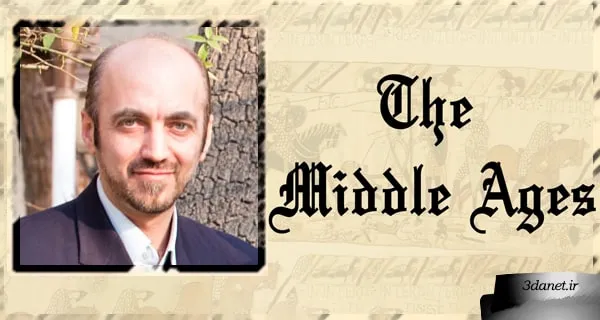
One of the standard courses in philosophy departments at all universities is “History of Medieval Philosophy.” The term Middle Ages is the term historians use to refer to the period that begins with the end of the Roman Empire in the fifth century AD and continues until the fall of Constantinople and the end of the Eastern Roman (or Byzantine) Empire in 1453. In effect, as the era situated between the Greco-Roman period, which has been called the ancient period, and the modern and contemporary period. For this reason, this period is called the Middle Ages. From the standpoint of the history of philosophy, some agree with the historians’ view, while others push the beginning of medieval philosophy back to the first or second centuries AD, owing to the coherence of the type of philosophy that begins with Christianity in this period and continues until the Renaissance. In contrast, there are also historians who believe that the era of the Church Fathers is a distinct age with different cultural characteristics. Despite all these disagreements, what is no longer in doubt today is that skipping over this historical period in reviewing Western thought, as some once imagined, only leads to the impossibility of a proper understanding of the totality of Western thought. Understanding the themes, approaches, problems, and other distinctions of this philosophical period is of complete importance and relevance for the later periods influenced by them, right up to our contemporary time. Dr. Ali Karbasizadeh Esfahani, a professor at the University of Isfahan, has provided an overview of the most important pages of this historical period from the perspective of its philosophy in this course. The starting point of these lectures is the late Hellenistic and Greco-Roman period, and its end point is the Church Fathers and the thinkers of the transitional period to the Renaissance. Of course, there are occasional references to the connections and relations between the views of the thinkers of this period and other philosophical eras, which is very valuable in this regard.
.
.
Audio of Session 1
Audio of Session 2
Audio of Session 3
Audio of Session 4
Audio of Session 5
Audio of Session 6
Audio of Session 7
Audio of Session 8
Audio of Session 9
Audio of Session 10
Audio of Session 11
Audio of Session 12
Audio of Session 13
Audio of Session 14
Audio of Session 15
Audio of Session 16
Audio of Session 17
Audio of Session 18
Audio of Session 19
Audio of Session 20
Audio of Session 21
Audio of Session 22
Audio of Session 23
Audio of Session 24
Audio of Session 25
Audio of Session 26
Audio of Session 27
Audio of Session 28
Audio of Session 29
Audio of Session 30
.
.
History of Medieval Philosophy
Dr. Ali Karbasizadeh Esfahani
University of Isfahan
Year 1383
.
.
Discussion1 comments
حیف که با کیفیت پایین ضبط شده. درسگفتار باارزشی است. من کامل گوش دادم و استفاده کردم.