Philosophy
Mahmoud Moghaddasi's Lecture: 'The Enigma of the Other'
Our experience of the world begins with the Other, yet the Other remains an enigma. Mahmoud Moghaddasi stresses that any attempt to solve this mystery leads to violence and forecloses the Other's liberating potential. The way out lies in embracing uncertainty and remaining open to the Other.
We begin our experience of the world with the Other (the mother). In encountering the Other (our caregivers and those close to us), we understand the world and find our place in it; we befriend and antagonize the Other; through the Other, we come to know ourselves; we spend days and hours trying to understand the Other and draw closer to them; we are preoccupied with the Other; in the Other's absence, we feel lonely; we strive to be with them; we worry about the Other's malevolence; we fear the Other; we care for the Other; alongside the Other, we endure life, and so on. The Other is, undoubtedly, the most important element in each of our worlds and the source of our greatest joys and deepest frustrations. Yet, the Other always remains an enigma or a mystery to us: Who really is the Other? What do they think? What do they want? What are they saying? To what extent are they right? What effect does their presence have on our experiences and our world? What is our duty towards the Other? What can we expect from the Other? How close can and should we get to the Other? To what extent can we trust the Other, and so on? These and many other questions are part of our bewilderment in the face of the Other.
Nevertheless, we consider ourselves deeply in need of knowing the Other. Without this knowledge, a significant part of our world will be unpredictable and beyond our control. On the other hand, we need this knowledge to become attached to the Other and to escape loneliness. For this reason, we try in some way to solve the enigma or mystery of the Other and to know them. The main claim of this lecture is that the attempt to solve this enigma and unravel this mystery, in addition to fueling self-deception, brings with it violence towards the Other and also deprives us of the opportunity to break out of personal impasse and deadlock with the help of the Other (the liberating potential of the Other). But to what extent is it possible to remain open to the Other and to restrain the deep need to solve the enigma of the Other?
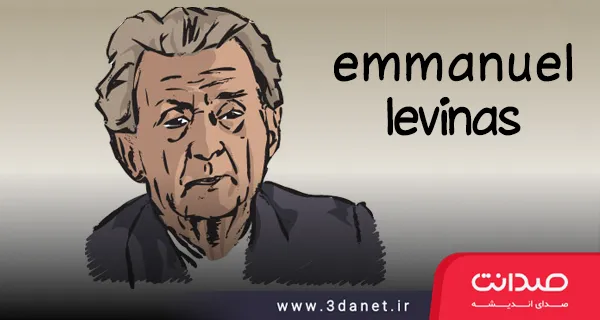
In the lecture 'The Enigma of the Other,' the meaning of the Other, the types of our encounters with them, how the Other affects our objective and psychological life, the reasons for the Other being an enigma, and the necessity of openness and acceptance of uncertainty towards them are discussed. This discussion is largely influenced by the thoughts of Emmanuel Levinas, Sigmund Freud, and Jacques Lacan.
.
.
Audio of the Lecture 'The Enigma of the Other'
.
.
Lecture Title: The Enigma of the Other
Speaker: Dr. Mahmoud Moghaddasi
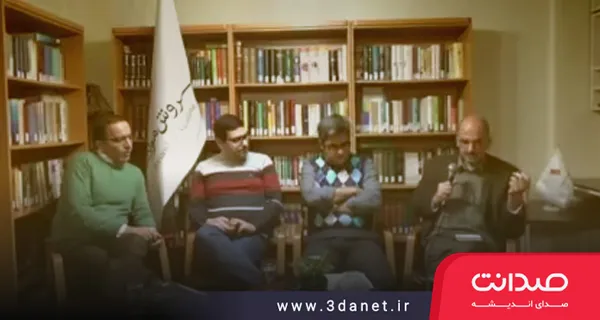
Tehran - 18 February 2020
Khaneh Doostan Ashna Institute
.
.

Discussion3 comments
سلام خسته نباشید . خیلی بحث قشنگی بود . تا حالا از این زاویه به این بحث نگاه نکرده بودم .
سلام.درود وادب خاضعانه برشماکه بخشی از بار سنگین فرهنگ را به دوش می کشید.همیشه بهره بردهام. سوالم این است که چنانچه بخواهیم دراین راه همراهی و همکاری داشته باشیم به چه شکل باید اقدام کرد؟.من به عنوان یک دوستدار فلسفه که در همین رشته تحصیل کرده ام یادداشت های کوتاه و بلندی در خصوص حوزه زنان وهرمنوتیک دارم که دوست دارم هم موردنقد قرار گیرد وچنانچه مفید باشد بتوانم بخشی از وظیفه آگاهی بخشی خودم را انجام دهم. چنانچه راهنمایی کنید سپاسگزارخواهم بود.
سلام و درود با ایمیل سایت در تماس باشید: info@3danet.ir