Philosophy
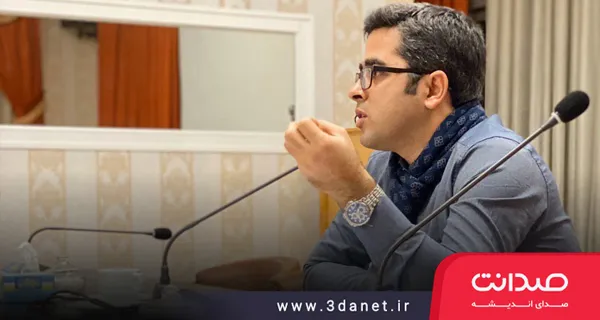
Mahmoud Moghaddasi's lecture “What Is Philosophical Counselling?”
When traditional resources and psychotherapy fail to answer life's questions, philosophical counseling offers a way to formulate a worldview and analyze concepts; a report on a lecture by Mahmoud Moghaddasi on its nature, method, and boundaries with psychotherapy.
With the growth of applied philosophies in the Persian-speaking world and the ever-increasing expansion of psychotherapies in the country, the idea of “philosophical counselling” has come to the threshold of our awareness more than ever before: counselling sessions with a philosopher on philosophical topics related to life. In these sessions, the individual seeks to answer questions that today can hardly be addressed with the help of traditional sources such as religion and culture, and their hope that psychology and psychotherapy might also provide answers to these questions has been disappointed. They are confronted with the reality that they must personally arrive at answers to life’s most important questions and be able to envision a personal perspective on meaning, pleasure, suffering, and so forth. During these sessions, the counsellor, in dialogue with the client, strives to formulate their worldview, show them the conflicts within this worldview, assist them in analyzing important life-related concepts, bring greater clarity and precision to their questions, acquaint them with the various narratives and answers philosophers have given to life’s important questions, and ultimately provide them with the possibility of searching among these answers. Sometimes these sessions focus on a specific topic such as love, death, loneliness, illness, or the meaning of life, but they generally go beyond these topics and reach a deeper analysis of the individual’s worldview. These sessions are generally conducted with the presupposition that the individual’s narrative of self, other, life, and the world contains aspects where holding unexamined beliefs and incorrect presuppositions about them has caused intellectual confusion and emotional costs for the individual. In these sessions, the individual indirectly, through dialogue with the counsellor, learns the method of philosophical thinking, gains access, with the philosophical counsellor’s accompaniment, to the vast realm of philosophical knowledge, and after the sessions conclude, can independently, and as needed, pursue their questions within philosophical works.
In these two sessions, which are accompanied by dialogues between him and the audience, Dr. Mahmoud Moghaddasi attempts to answer the most important questions about the nature, importance, and methodology of philosophical counselling. In his view, philosophical counselling is a movement that, if it can maintain its boundaries—especially in terms of content—with psychotherapy sessions, offers individuals a considerable option for well-being and a new opportunity for meaningfulness and mental health.
In these two sessions, he argues that philosophical counselling sessions can take place before, during, after, and independently of psychotherapy sessions, and at each stage, they can bring achievements appropriate to that stage for individuals. In these two sessions, he examines philosophical counselling theoretically and practically in detail, with various examples, under the following headings:
1_ The cultural background of the emergence of philosophical counselling 2_ The history of philosophical counselling 3_ The domain of topics examined in philosophical counselling sessions 4_ The question of method in philosophical counselling 5_ Examples of the content of these sessions 6_ Ethical codes governing the practice of philosophical counsellors 7_ The professional status of philosophical counselling 8_ The effectiveness of philosophical counselling 9_ Comparing philosophical counselling with various traditions of psychotherapy 10_ A critical evaluation and pathology of philosophical counselling.
Along this path, he refers to various approaches to philosophical counselling and, in examining them, seeks to answer the questions of three groups of people: academic philosophers, psychologists and psychotherapists, and finally, ordinary people who can be the recipients of these professional services.
.
.
Audio of the First Session
Audio of the Second Session
.
.
What Is Philosophical Counselling?
Speaker: Mahmoud Moghaddasi
Azar 1398
.
.


Discussion6 comments
توهمات و خیال پردازیهای مترجمین متون فلسفی که فکر می کنن با انتحال حرف این و آن مردم هم باورشون می کنن!
ایشون که لابلای حرف هاشون ارجاع میدادن. چرا فکر می کنید این کارها انتحال هستن؟ معرّفی یک حوزه اون هم بر اساس یک سری منابع چطور انتحال به حساب میاد؟
خنده دار ترین توهم صدانت
چرا خنده دارترین توهم؟! اتفاقاً مشاوره فلسفی در جامعه بسيار مفید است.به شرط آنکه مشاور فلسفی خودش به (یقین) رسیده باشد.مشاور فلسفه ایی که دچار تردید و تعارضات درونی است,مشکل را چندین برابر می کند. سقراطی باید باشد برای جامعه, که سقراط وار بدون هیچ چشمداشتی با عشق و پیامبرگونه در جامعه زندگی کند و حاضر باشد در موقع لزوم (جام شوکران) نوشد.
شما فایل ها رو گوش کردین یا همینطوری دارین میگین؟ اگر گوش کردید، میشه با اشاره به محتوا دقیق بگید چرا به نظرتون توهّمه چنین چیزهایی؟
در حالی کسی به قدیمیترین و شناخته شده ترین فلاسفه بعنوان افراد خودخواه ، متظاهر، و غیر معقول محل نمی گذارد کدام ساده دل بیسوادی به یک فیلسوف رجوع می کند؟ تعارضات را بایست در فلسفه حل کرد. درگیری داوری و سروش، انجمن حکمت با مراکز باشهری، طباطبایی با همه، بطور خلاصه همه با هم نشانه خوبی برای شناخت فلاسفه ایرانیست: خود نمایی با تخریب فرهنگ ایرانی، حقارت در برابر دیگران، عدم عقلانیت و تعصب دانشگاهی