Religion
Majid Soleimani's essay “The Historians' Quran”
The book Le Coran des historiens is the fruit of research by leading historians who examine the origins and formation of the Quranic text using a historical-critical method, without relying on traditional narratives. This collection offers a new picture of the evolution of Islam and the historical figure of the Prophet.
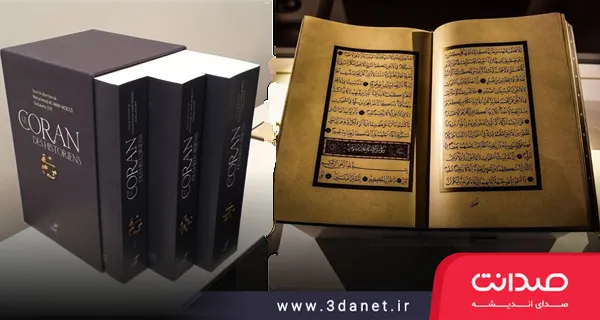
“The Historians' Quran”*, published in late 2019, is a book—or rather, let us say, an unparalleled collection—the fruit of research by some thirty prominent historians and, occasionally, scholars of religion, under the direction of Mohammad Ali Amir-Moezzi and Guillaume Dye. We have written about Amir-Moezzi before, and he is in any case better known in Iran, but Guillaume Dye, with a background in philosophy and later Quranic and Islamic studies, is also a highly meticulous and insightful researcher about whom it is worth writing separately.
This massive four-thousand-page collection, however, is a historical-critical examination of the Quran according to the scholarly methods of textual research. It is of a kind entirely absent from our world of Islamic and Quranic studies, and I do not mean only the traditional seminaries, but also among religious new-thinkers of every stripe. It is, quite simply, a different universe of inquiry, with entirely different starting points, sources, and methods. It is the kind of research that has long been conducted on the texts of the Old and New Testaments, while the Quran has, to some extent, remained on the margins or confined to academic researchers. The first volume is a lengthy thousand-page introduction, containing sometimes long historical, critical, and research articles, followed by an exposition of the Quranic text itself, in the same manner, across two further volumes spanning two thousand four hundred pages, and finally a fourth volume concerning Quranic proper names, which is published and offered separately. The initial introduction, however, has almost entirely set aside Islamic sources and their narratives, which are separated by a gap of two hundred years from the period of the Quran's formation, and in their place offers textual, philological, semiotic, and historical investigations into the origins, sources, and the manner of the Quranic text's formation, between the two covers. In what period and within what general religious context of the Arabian Peninsula and its surroundings did this text take shape? Who were its audiences? What was its initial message, and what was it that gradually transformed later? Which parts of it likely date from the era of the Prophet himself, or at least the beginning of his “prophethood,” such as the apocalyptic warnings and the “drawing near of the Hour” of the world's end, and which parts, such as the levying of the jizya by the People of the Book, were, according to historical evidence and textual criticism, added in later periods, particularly during the nascent Arab caliphate and empire of the era of Abd al-Malik ibn Marwan? What are the signs of the text's alteration and evolution, and when was it introduced as the sacred scripture of a new religion? For instance, one article points to the differing roles of Christ in the Quran, who is sometimes entirely absent from the midst of the mention of the prophets, sometimes has a marginal role, and at other times, as it happens, holds a very central position in the end times... or the reference to him in the form of Ruh Allah and Kalimat Allah, which are truly complex Christian terms, and the question here is who their audience was. The general belief of these researchers is that traces of roughly a century of redaction and revision are evident in the Quran, and they have shown evidence of this here and there. A considerable effort has been made to understand the cause of the text's incoherent structure and contradictions, what was later termed al-nasikh wa al-mansukh (the abrogating and the abrogated) in the Islamic tradition.
Regarding sources, from the texts or surviving information of the Nazarenes of the Peninsula to the Nestorian Christianity of the Sasanian realm and Ethiopian Christianity, all of which intersected in the Peninsula—and “loanwords” attest to their influence—Syriac Christian texts, from which many of the fundamental ritual terms contained in the text derive and which have no prior history in Arabic, including the very words “Quran,” “surah,” “ayah,” as well as salat, zakat, and the names of the prophets in the Quran, as opposed to their Arabic forms. Other specific Jewish-Christian currents of the Peninsula, which explain the reason for the different portrayal of the Jewish prophets and Christ himself compared to the dominant Jewish and Orthodox Christian schools of that era. A very important point is the engagement with sources contemporary to the emergence of the new religion, if it was even considered a new religion at that time. That is, Christian, Jewish, Iranian sources, and other works, and what reflection this new religion had in those texts. Another source is the graffiti that has survived from the earliest Islamic era in the Peninsula.
What we rarely find so readily elsewhere, in particular, are the extensive studies that address the historical figure of the Prophet—and for someone who has read Ibn Hisham's Sira, the Maghazi, and al-Tabari's History, this is a source of wonder, though also of disappointment. Namely, that we know far, far less about the historical figure of Muhammad than we think we do, and perhaps his historical image has been lost to us entirely. For example, even the year of the Prophet's death, let alone the day and month... because older, non-Islamic sources have given a different account. On the other hand, this critique of the sources at least explains the reason for the contradictions in this historical figure: the exemplar of mercy and compassion on one side, and mass killings on the other... It is clear today that these issues cannot be resolved by examining the "attributed" narrations—so-and-so reported from so-and-so, who reported from so-and-so—and by casting doubt on the reliability of this or that person. These researchers have critiqued these sources using their own specific methods. They point out that one must also read between the lines to understand what the motivation behind these narratives, formed in various eras of course, was, and which religious or governmental demand each was answering at any given time, until, around the third and fourth centuries, all these highly contradictory narratives more or less took on an orthodox form and became the dominant narrative of Muslims.
Another point we mentioned concerns the very image of the religion of Islam in contemporary non-Islamic texts, which aids our understanding of Islam's formation. What was apparently, at first, an Arabian sect within the spectrum of Christian-Jewish religions—as we find from all the repeated dialogues and disputes with the Christians and Jews of the Peninsula in the Quran—later, under the shadow of political power, the great empire that suddenly arose and changed the world map, separated from its tradition and found an independent identity as "Islam, the new religion." Furthermore, this research provides a new picture of the beliefs of the "Jahili" Arabs, whose social weight in the Quran is not comparable to what we read in the Islamic Sira narratives two or three centuries later, in the sense that the religious atmosphere of the Peninsula, leaving aside the desert Arabs, was situated among the "Abrahamic" religions and, of course, the Iranian ones, and Islam arose within this environment. In light of these very studies, many Quranic terms are redefined through historical and philological research, or we witness their semantic evolution, which finds new references. Another point is the examination of the impact of constant conflicts and civil wars—from the era of the Prophet to the Ridda wars, to the conquests of Umar's era, to the civil wars of Ali's caliphate and the subsequent bloody political struggles... which are characteristic of early Islamic history—on the formation of the Quranic text.
Another very important section concerns Quranic rulings: where each ruling, compared to the customs of the era, originated from, what change it underwent, and, in any case, what its root was. A very interesting example is the controversial "hijab" verse, which is, in reality, a more or less word-for-word translation of a Christian ruling in the Syriac language, the original of which they also show; and you can imagine what this ruling, with its severe and intensified interpretations, later wrought. The same applies to other hudud punishments... Let us state here that the authors have a historical justification for why Muslims, when faced with contradictory rulings or statements in the Quran—for instance, regarding wine, which, as we said, was later assumed from a religious perspective to be abrogated, as if God, for certain expediencies, retracted His own view, though its historical justifications are otherwise—have generally adopted the stricter ruling and, in a way, made it their distinguishing rite and slogan.
Overall, this work gathers and juxtaposes the results of Western academic Quranic research, from the era of Nöldeke and Goldziher to the Quranic research revolution of the seventies, to the very recent, groundbreaking studies of graffiti, better examination of Syriac and Ethiopian sources, and so forth, and has, in a way, made this conversation possible there as well. The point is that all these diverse statements appear revolutionary, astonishing, and sometimes strange and hasty to our eyes—we who walk calmly on the sidelines, as if with a compass—especially when set against the supposedly firm "thousand-year-old science" that has an answer for every question, based on sources that, two or three centuries after the Prophet's life, neglected no detail in transmitting his words and deeds and the occasions of the Quran's revelation... But no, these theories of Quranic studies, too, with a life hidden from our view, have a long history and have been subject to scholarly critiques, and now the digest of Western Quranic researchers' work has emerged from a specific circle and been presented to the general public.
It goes without saying that this introduction does not imply endorsement or acceptance of all the hypotheses and propositions of this research; rather, it is an example of a methodical, scientific examination of an ancient seventh-century text called the Quran, with a gaze free from religious and denominational beliefs, which at least has no qualms about posing clear questions, and whose answers, convincing or not, are not of the usual, derivative essayistic kind... Critiques have already emerged regarding this very collection, and this is a necessity of scholarly research.
However, regarding the other two thousand four hundred pages! which, in the same manner, in a systematic format, surah by surah and verse by verse, address the Quranic text, we must write separately and also provide examples. I have seen a few samples, concerning certain highly contested verses, such as Mary being addressed as "sister of Aaron," or where Jesus is asked whether he told people, "Take me and my mother as two gods besides God?" as if Mary has taken the place of the Holy Spirit, and which, from the perspective of specialists in ancient Jewish-Christian religions, indicates the beliefs of which religious current these signs reflect. This second part of historical-scientific commentary on the Quranic text, apart from what Michael Cook brought forth in the nineties, which is certainly not on this scale, is unprecedented.
This summary was told upside down... but now when are we going to read this collection as it ought to be read? The book's authors have placed a sentence from Nietzsche at the beginning of the second volume: philology is the art of reading slowly... So I will seek strength from the Truth, and success, and boast, until with a needle I unpick this Mount Qaf!
* Le Coran des historiens (Coffret), 3408 pages - nov. 2019
Les edition du Cerf, Avec la collaboration de : Guillaume Dye, Mohammad Ali Amir-Moezzi
.
.
The Historians' Quran
Author: Majid Soleimani
.
.
Discussion7 comments
بر خلاف مجتبي ، واكنش برخي مخاطبان را كاملا" طبيعي ميدانم زيرا عده زيادي از مومنان ، تصور مي كنند متوني كه از كودكي در اختيار داشته اند ، براي قضاوت و انتخاب سلوك معنوي كافي بوده و بيش از آن نه تنها نياز نيست بلكه تشتت افكار آورده و آنان را از راه حق دور مي كند در صورتيكه اين روش فكري ، دقيقا" همان چيزي است كه كشور ما را از انديشه ورزي غير جانبدارانه دور ساخته و دعواهاي تاريخي بي پاياني به وجود مي آورد . اول اينكه اين كتاب لزوما" رد مفاهيم قرآني نيست بلكه در بعضي موارد ، وقايع تاريخي كه واقعا" وجود داشته و ما از آنها بي خبريم را بازگو مي كند (به عنوان مثال ، تعداد كسوف و زلزله هايي كه در آن دوران و در آن سرزمين اتفاق افتاده و مردم آن سرزمين را به نزديكي پايان جهان باورمند ساخته ، آيا ما در اين زمان با باورهاي سنتي بسيار محدود و نارسا از آنها باخبر بوده ايم؟)دوم اينكه نه تنها براي آزاد انديشي بايد تعصب را كنار ذاشت . بلكه تعصب مانع تفكر و تعقل منطقي است . چه كسي گفته مطالعه متوني كه زمينه هاي علمي و تاريخي ما را نسبت به ريشه هاي قرآن تغيير و بهبود دهد ، به معني كافر شدن است ؟ اتفاقا" هر قدر آگاه تر شويم ، ايمان قلبي ما و حتي يقين ما عميق تر و قابل پذيرش تر مي شود . در جايي از مرحوم مطهري خواندم آن ايدئولوژي صحيح است كه بتواند از پس نقدها برآيد نه اينكه بگويد هيچ نقدي گفته نشود و من با همان تفكر سنتي و متعصب تا آخر خواهم ماند .به همين دليل است كه جمع قابل توجهي از فرزندان ما از ايدئولوژي پدران خود گريزانند چون با علوم امروز همخواني ندارد. از اينها گذشته اگر قرار باشد مطالعه صرف يك كتاب ، ايمان ما را به هم بريزد به اين معني است كه ايمان ما اصلا" ايمان نبوده و صرفا" تكرار يك سنت است . به شخصه معتقدم همانگونه كه همه ما در خانه تكاني ، اجسام زائد را دور ريخته و وسايل ارزشمند را در جايي بهتر قرار ميدهيم ، به همين ترتيب هم بايد بامطالعه عميق و تعقل همراه با آزاد انديشي باورهاي نادرست را به دور ريخته و انديشه هاي خوب را در اعماق قلب خود به يادگار بگيريم . بسيار گفته شده كه مرحوم علامه طباطبايي ، مباحث درس را به گونه اي شروع مي كردند كه اگر كسي نمي دانست تصور مي كرد ايشان اساسا" به چيزي معتقد نيست ولي پله پله ساختمان فكري را مورد بحث قرار مي داد و چارچوبهاي عميق صحيحي را براي شاگردان ترسيم مي كرد . جاي چنين انديشمنداني حالي مباد .
واکنش برخی از مخاطبان مایوس کننده است. این نشانگر تاثیر سم دیدگاه سنتی است که در بنیادهای ضمیر ناخودآگاه ما نهاده شده. یکی اینکار را نتیجه کار یک "مسیحی منکر نبوت پیامبر(اکرم) و قرآن کریم" می داند. یعنی این برادر مسلمان حتی این نکته ساده که این مجموعه چگونه گردآوری شده را نفهمیده، مطمئنا نکات پیچیده تر را هم نفهمیده، ولی با اطمنان خاطر در مورد این کار نظر می دهد. این یک کار سنتی مثل تفسیر طبری و تحقیقات شخصی در الازهر نیست. یک پژوهش تاریخی (نه دینی) بر اساس روش تحقیق مدرن، توسط چندین متخصص کاربلد در گرایش های مختلف علمی تهیه شده. نمونه چنین کاری در تاریخ اسلام وجود ندارد، نه توسط مسلمانان، و نه دیگران. آیا نتیجه گیری های آنها درست است؟ برای پاسخ به این پرسش ابتدا بایستی کتاب (مجموعه کتابها) را مطالعه کرد، و آنگاه نظر داد. شخصا فکر می کنم، حتی بدون خواندن و مطالعه دقیق کتاب می توان گفت که آنها در همه موارد به نتیجه درستی نرسیده اند، چرا که کار علمی مانند افکار سنتی پرفکت و بی عیب نیست.
کاش زودتر به فارسی ترجمه میشد.
فکرش را بکن، متنی که برتری آن بر دیگر متون، با برتری خالق بر مخلوق قیاس شده، به صورت یک شیء مرده، دستمایه مطالعه تاریخی به اصطلاح «علمی» قرار بگیرد. واقعا باید برای این پیشرفت و موفقیت جشن گرفت!!!
روش زیر سوال بردن تاریخی قرآن و موضوع اقتباس و کپی برداری و تحریف ادیان پیشین بارها و بارها در کتب نقد قرآن ذکر و در مقابل پاسخ های فراوانی نیز توسط محققان اهل سنت و شیعه ارائه شده است. وقتی مواردی همچون شان نزول و روایات اولیه اهل سنت و شیعه برای پژوهش کنار گذاشته شود واضح است با چه اثری رو به رو خواهیم بود. نوع و زاویه نگاه و... مشخص کننده هدف یک پژوهش است. به عنوان مثال می توان همین اثر قرآن مورخان را با دیدی سیاسی-جامعه شناختی (نگاهی که احتمالا مد نظر پژوهشگران این اثر نبوده) با نقد جدی مواجه کرد: کدام موسسه هزینه این تحقیق جامع انتقادی را تامین کرده؟ اثر در کدام کشور و به چه زبانی منتشر شده؟ جامعه هدف این مجموعه چه کسانی هستند؟ آیا اندیشکده ها، کشور مذکور را از خطر تغییر بافت جمعیتی و یا احتمال افزایش گرایش به اسلام در آینده مطلع کرده اند؟ و...
ترجمه چنین متنی لابد تخصص فوق العاده و مسلط به چند زبان لازم دارد . افرادی چون دکتر پاکتچی که به زبان عربی و سریانی نیز تسلط داشته باشند یا لا اقل تطبیق متن اصلی را با ترجمه انجام دهند. بعید میدانم برای فارسی زبانان به این زودی استفاده از این متن میسر شود و پیش بینی ام اینست که سالها در انحصار خواص خواهد ماند....
ما تفسیر المیزان را خوانده ایم که حالا تفسیر و تحلیل یک مسیحی و منکر نبوت پیامبر و قرآن کریم را بخوانیم؟! همان بهتر که خواصی که مسلط به مبانی تفسیر هستند این مطالب را بخوانند و ایرادات آن را متوجه شوند.