Sociology
May I Not Be If Iran Is Not
Our society suffers from a 'national integrity identity disorder'; like those with body integrity identity disorder who perceive a healthy limb as alien, we reject our own national assets. The solution is to privilege the inclusive concept of homeland over narrower, fragmentary categories.
In psychology and neuroscience, there is a condition called "Body integrity identity disorder" (BIID), in which sufferers feel that one or more of their healthy limbs do not actually belong to their body and that they would have a more comfortable life if that limb or limbs were removed. The cause of this disorder has remained unknown. One theory attributes its cause to a neurological inability of the brain to map and perceive the complete form of the body and to include the said limb or limbs among the body's members. Sufferers of this disorder do not feel at ease with a part of their body, such as a specific limb, and are certain that amputating or disabling that limb will relieve their discomfort.
Have you ever thought about how much discomfort we feel toward our national assets? In a sense, we are in a state of pure repulsion. That is, from the country's political structures (in all their various forms and types) to its social classes and structures (in their abundant diversity), we are constantly repelling one another. No one tolerates another, takes pride in their successes, or helps them. In a word, we lack a "compatriot" perspective. It is as if the concept called Iran has become merely a hollow word for us, or a name without a meaning, one that cannot take the suffix of belonging: that is, we have Iran, but we do not have Iranians. It is unclear who should be called "Iranian." To what extent can a person be called Iranian, be accepted, and be zealously regarded as a member of one's own body? It seems we are strangers to one another. Look, for example, if a film from a country wins at a major international festival, in most countries it is viewed as a great honor, and because it is a "national" matter, friend and foe alike take pride in it, hold it in high esteem, and turn it into a national asset. But what do we do? We bring out so many dark points about it that it is as if we are scouting the enemy's trench; we attach a thousand labels to it, many of which truly do not stick; until finally, it turns bitter to everyone's taste and sweet to the foreigner's palate. Or, for instance, what became of the thinkers of this land? According to the martyr Motahhari, even the Marxists of this country were supposed to come and teach Marxism at the University of Tehran and receive a salary from the public treasury; just as Ali (AS) considered even the Kharijites part of the Islamic Ummah and gave them their share of the public treasury as long as they had not resorted to intolerable bloodshed (see the book The Attraction and Repulsion of Ali, by martyr Motahhari). Or, for example, our artists in various fields who, at least in their own art, are a national pride (one of them being this very Shajarian). Or, even higher than that, the historical identity of this country. How many people in its history does today's generation take pride in? How many does it even know? It is as if the entire history of Iran is limited to a few specific people or a specific time period; and the rest were all a bunch of criminal traitors. Or even, for example, our great security and military achievements today; is our current security amidst the fire of the Middle East a small thing that we should ignore it and make its sweetness bitter with ill-fitting criticisms? Is it not true that without security, no love is sweet, and no bread is edible? In short, wherever there is something to take pride in and turn into a great social asset, some people suddenly appear to make it bitter for everyone. It is as if we have all become estranged from one another and cannot rest until we amputate a limb. Perhaps we lack the ability to perceive a whole alongside its parts, and to recognize the overall form called the homeland, which is why the parts are repelling each other in this way. In this very organism of the body, if one limb is missing, is it to the benefit of the other limbs? No; the entire function of the body is affected. In all fairness, which country in the world possesses some of our social assets? Which country in the world can suddenly bring several million citizens into the streets of their own free will? What asset is greater than this? But what do we do with it? From left and right, revolutionary and counter-revolutionary, opposition and every other class, each proportionately creates hundreds of labels to turn this asset into an anti-asset. Something that could be the origin of a national reconciliation suddenly becomes an Achilles' heel for beating each other over the head. Do not think this ingratitude is specific to a particular group, individual, or party; we are all like this. We all view one another as a foreign limb. A pure repulsion. Afflicted with an identity disorder regarding the totality of the homeland. After all, which country can endure based on the distrust of various social classes and pure repulsion? Some days I constantly think about this pure repulsion that has gripped us and is burning our social and national assets. Certainly, analyzing and understanding its reasons requires various scientific and interdisciplinary groups. But I think, at least in the cognitive and perceptual aspect, our criteria for considering people as insiders or outsiders need reform. We need to reform our own minds and make more flexible the criteria that cause us to consider individuals as insiders or outsiders. Concepts whose power of repulsion and power of disintegrating and fragmenting people (that is, the very parts) is high are not good standards or criteria. We must utilize concepts under which anyone can be included so that their benefit goes into the pocket of the entire collective. مفهومی که باعث شود در هر کجای دنیا که هستیم به آن احساس وفاداری کنیم، و به هر کسی که زیرِ چترِ آن مفهوم است، احساس مسئولیت نماییم. مفهومی که هم امنیت ملی می آورد و هم غیرتی اقتصادی، که باعث شود تولیدکنندهی ما خوب تولید کند و مصرفکننده ی ما به آن تولید غیرت داشته باشد. مفهومی که به جای تنش و دعوای اعضا، همه را پایِ سفرة این مفهوم بنشاند و گفتگو و همدلی بیاورد. اجزا اگر نقدی به هم دارند، همدلانه و دلسوزانه به اصلاح هم بیندیشند، و نه اینکه در فکر قطعِ عضو یا داغ نهادن باشند. کدام مفهوم است که می تواند محور باشد؟ به نظر منِ روانشناس، مفهوم وطن بهترین مفهوم است. وطن بالادست ترین و فراگیرترین مفهوم در هویت ملی است؛ وطن یعنی اینکه فارغ از تمام مفاهیمِ پایینتر، از دستهبندیهای قومی و زبانی، سیاسی و مذهبی گرفته (که معمولا آمیخته به منافع عده ای خاص است) تا زبان و گویش و پوشش آدمها، هر کسی را که قلبش برای ایران میتپد و خود را دلسوز ایران میداند، جزیی از بدنِ ایران بدانیم که اگر نباشد، دگر عضوها را نماند قرار. مفهومِ وطن امروز مهم ترین نیاز ملی ماست. پایبندی به این مفهوم است که مهم ترین رکنِ امنیت ملی و عامل رشد و توسعه ی اقتصادی و فرهنگی و سیاسی است. وطن یعنی ایران؛ یعنی اینکه افراد مفهوم ایران را بر هر مفهوم درجهی دوم و سومِ دیگری که باعث تمایز اجزا از هم میشود ترجیح دهند. اینکه ما همگان را زیرنام "ایران" بپذیریم، چه اتفاقی میافتد؟ اینکه همه اجزا سالم باشند، غیر از این است که باعث عزت ملی شود و سودش به جیب همه و کل جامعه برود؟ هر کس ایران را بپذیرد میتواند هموطن ما باشد، و به عنوان یک سرمایه ی ملی تلقی گردد، حالا هرجای دنیا که میخواهد باشد، با هر عقیده و مرام و مسلکی؛ مهم این است که تک تک سلولهای این بدن باور داشته باشند که: چون ایران نباشد تن من مباد
Let us think “functionally”; let us accept anyone who can be a source of pride for this country, consider them a compatriot, and elevate them so that our country may be elevated. Let us love one another for our humanity and our Iranianness; let us have nothing to do with political and religious opinions, skin color, language, dialect, and so on. It is God’s tradition to create people differently; if everyone were meant to be the same and think the same, God Himself would have done so. If we have a criticism of one another, instead of amputation, we can reform the member.
Postscript: The present text does not intend to criticize or offend any individual or group; right or wrong, it is merely a psychological reflection from a lover of Iran.
.
.
May I Not Be If Iran Is Not
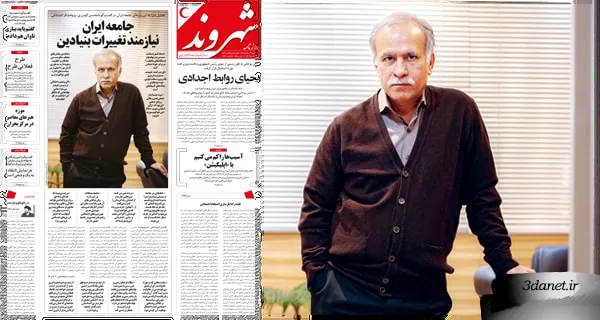
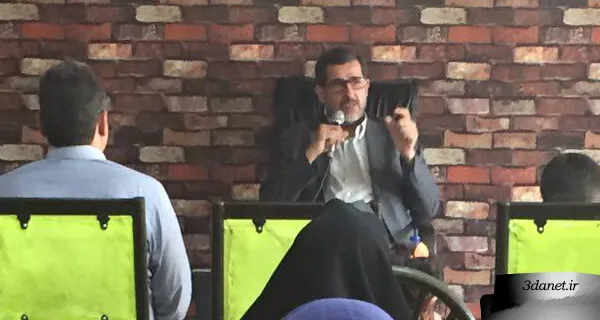
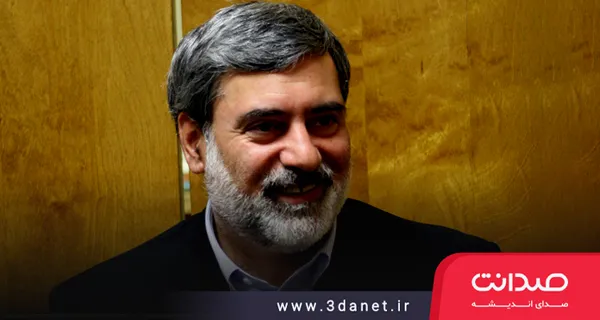
Dr. Mohsen Zandi (Psychologist)
.
.

Discussion0 comments
No comments yet; let yours be the first voice.