Religion
An Exclusive Sedanet Interview with Dr. Mohsen Kadivar: 'Islamic Studies, Qur'anic Studies, and Revelation'
Mohsen Kadivar views Western Islamic studies as scholarly and historical rather than devotional. He criticises the underrepresentation of Iranians and Shiism in the field and calls for investment in promoting a compassionate Islam and establishing Shia academic chairs in the West.
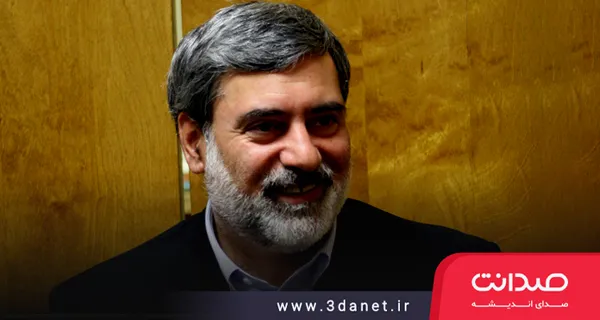
Sedanet: In a lecture on the eve of Eid al-Fitr in 2015, Dr. Mohsen Kadivar spoke of the necessity for Muslims to focus on education and training, and to invest and spend on the advancement, promotion, and deepening of compassionate Islam, especially in Western countries, and on establishing university chairs in the field of Shi‘i Islam. He also warned that the image of Islam being heavily propagated in Western countries is the image that Wahhabism paints of Islam. These remarks provided an occasion to ask him, a prominent religious intellectual in Iran and now a professor of Islamic studies at Duke University in the United States, questions about Islamic studies and Qur’anic studies in the West and in our country, Iran. Amid the questions related to Qur’anic studies, we also inquired about his views on the works of other religious intellectuals in the field of revelation and the Qur’an, which is in itself highly significant and indicates that, contrary to what might be expected, there are fundamental disagreements among religious intellectuals.
May this interview open the door to scholarly and compassionate dialogue among thinkers and experts, regardless of their political stances. One must set aside the lens of politics and view the non-political positions of every thinker with a critical eye. Only then can one claim to be free-thinking and hope for a space of dialogue and conversation to emerge among experts. Mohsen Kadivar has answered the questions in writing, and we invite you all to read this interview.
For the sake of readers' familiarity and given the subject of this interview, we must first clarify what you mean by Islamic studies and likewise Qur’anic studies. What are the fundamental topics in Islamic studies, and what do researchers in this field pay attention to and seek? What is the relationship between Qur’anic studies and Islamic studies?
Islamic studies is a branch of religious studies that undertakes the "scholarly study of Islam." The "faith-based study of religions" takes place in divinity schools, which are mostly dedicated to Christianity and Judaism and train theologians and missionaries. By scholarly study, I mean impartial, scientific, and critical study. The prevailing academic atmosphere in Islamic studies is modern scholarship, which constitutes a deeply rooted university tradition, within which two tendencies—Orientalist and post-Orientalist—can be discerned. The first tendency has practically not been impartial and has often proceeded to deny the validity of Islam. The second, younger tendency is fairer and deeper. The contribution of Muslims to these studies is unfortunately not significant.
Islamic studies includes the following subjects: Qur’anic sciences, hadith sciences, Islamic philosophy, Islamic theology, Islamic ethics, jurisprudence and Sharia, Islamic mysticism, and the prophetic biography and history of the Prophet's era. These subjects are offered based on student demand, and not all of them are necessarily available at every university. It is clear that Qur’anic studies is one of the important branches of Islamic studies. These studies are also pursued in several other departments: one is Islamic history in the history department, another is general Islamic studies in the Middle Eastern studies department, and finally, Arabic studies within Eastern languages in the language and literature department.
Among the various branches of Islamic studies, what status does Qur’anic studies hold among Western scholars of religion? What scientific methods do researchers use for investigation in this field? In your opinion, what different or new results have emerged from this research so far?
Qur'anic studies are among the most important and active branches of Islamic studies at certain prestigious universities worldwide. These studies approach the Qur'an from a textual-historical perspective, not as divine speech. The primary effort lies in determining the time of its writing based on reliable historical evidence and documents. Some of the topics studied about the Qur'an in the aforementioned centers are as follows: reliance on empirical archaeological findings and determining the age of manuscripts by ascertaining the age of the paper with a very high degree of confidence; considerable effort to find codices differing from the Uthmanic codex; extensive research on differences in various readings, especially variant readings that lead to differences in meaning; research on texts contemporary with the Prophet's time, specifically in the Syriac language, and their connection to the Qur'an; research on the vocabulary of the Qur'an and its etymology from the perspective of comparative linguistics and loanwords; word-for-word comparison of common elements with the Torah and the Gospel; tracing the roots of all stories and events mentioned in the Qur'an in other cultures, languages, and civilizations; collecting and categorizing all narrations and accounts found in books of prophetic biography related to the Qur'an, as well as occasions of revelation, and analyzing and explaining them regardless of their chains of transmission; very extensive research on the history of the Qur'an, including the chronological order of individual verses using scientific methods; and efforts to discover the logic behind the arrangement of verses within each surah. The findings of this research in each of the aforementioned subjects often differ greatly from traditional Qur'anic sciences studies in seminaries or universities in Islamic countries. A summary of these differences is itself the subject of a book or at least a long research article! No Muslim researcher of Qur'anic sciences can afford to ignore this research.
What status does the Shia denomination hold among Western thinkers, and to what extent do Orientalists engage with Shia Islam?
Islamic studies have predominantly been expounded based on the sources and opinions of Sunni Muslims. The presentation of Shi'ism in encyclopedias of Islam has been accompanied by numerous deficiencies and shortcomings. What appears about Shi'ism in most books is derived from narrations in the Four Books of Shia hadith, which display a ghulat (extremist), Mufawwida (delegationist), or defensive image of Shi'ism. Research books and articles using modern methods in Western languages are scarce in this field. Translating Arabic and Persian books does not solve the problem. Authorship tailored to the specific cultural and temporal conditions of the Western audience is necessary.
Orientalists have researched and continue to research Shi'ism with their own specific objectives. Their research on the formation of Shi'ism in the first century, regardless of the researchers' particular orientations, is very extensive and noteworthy. Many of these researchers are Jewish, and one of the most reputable international centers for Shia studies is at Tel Aviv University in occupied Palestine! Ismaili Shiites have been relatively successful in presenting their denomination by establishing a university and publishing house in England. The absence of investment by Twelver Shiites in Western universities, research centers, and publishing houses, including the establishment of chairs for the teachings of the Ahl al-Bayt and Shi'ism, is quite conspicuous. The market for Islam in the West is dominated by Wahhabis, and from their perspective, Shi'ism is something on par with the Kharijites.
What share have Iranian professors from seminaries and universities had in international Qur'anic studies?
Unfortunately, the share of Iranian professors in international Qur'anic studies is not significant. To my knowledge, within international Qur'anic studies, the works of two Iranians stand out: Navid Kermani, author of the book God is Beautiful: The Aesthetic Experience of the Quran, which was published in German in 2007 and in English in 2015, and Behnam Sadeghi, a young professor in the Department of Islamic Studies at Stanford University, who has published articles in the field of the history of the Qur'an, including on the Sana'a manuscript. In the field of Qur'an translation, Seyyed Hossein Nasr, as editor-in-chief of The Study Quran: A New Translation with Notes and Commentary, is also noteworthy, which was published just this month.
In your opinion, what are the opportunities and obstacles for Shiite clerics and professors in Qur'anic studies in seminaries and universities, both inside and outside Iran?
The situation inside and outside Iran is different. Qur'anic studies within the country, in the seminaries, are not at the top of the seminary's concerns. It is one of the ancillary and non-core programs for students. Specialized exegesis courses in the seminaries, like the field of Qur'anic sciences in universities, suffer from a severe weakness in new methodology and a vast distance from new international research.
Of course, good measures have been taken in two areas: one is the Persian translation of the Qur'an, in which I believe great strides have been made. The translation of the Qur'an by the late Ne'matollah Salehi Najafabadi is one of them. The other is the exegesis of the Qur'an in the traditional manner. Mr. Abdollah Javadi Amoli's Tasnim exegesis in Persian and Mr. Ja'far Sobhani's thematic exegesis in Arabic are two relatively successful examples. The Nemouneh exegesis by Mr. Naser Makarem Shirazi and colleagues is a relatively successful work for the general or beginner level.
Outside of Iran, I do not know of an Iranian Shiite professor who is exclusively engaged in Qur'anic studies. If affluent or powerful Muslims establish chairs of Qur'anic studies in European and American academic centers, suitable opportunities for these studies will be created. There is no obstacle to this research in the West.
In your lectures and interviews, you have repeatedly emphasized that Islamist terrorist groups constitute a very small percentage of the Muslim population, and therefore the crimes of Salafi terrorist groups should not be attributed to all Muslims. Is this view accepted among researchers and academics or not? What about among the general public and ordinary people? Given that you have lived among the American people for many years, can you offer an insight from within American society?
Yes, I have repeatedly pointed to this documented fact. In academic circles, fair-minded individuals welcome it, and some currents whose political, economic, or cultural concerns are more important to them than truth and reality turn a blind eye. To the best of my knowledge, people in the West rely on the media, and the media are often (not always) not impartial regarding Muslims! Islamophobia is one of the realities of the contemporary West. Racist currents and exclusivist Christian and Jewish zealots control many levers of wealth, power, media, and culture. Of course, relatively neutral and fair media can also be found, but they are in the minority.
Furthermore, my information from inside America is limited. Firstly, I have been in the Western diaspora since August 2008, meaning about seven years. Secondly, I have only traveled to major university cities in about a quarter of the United States; given the vastness of the states and the diversity of opinions within them, my information is limited.
When the subject of the Qur'an and the Qur'anic text is raised, the majority of Muslims assume they know what the Qur'an is. However, it seems the matter is not so simple. What truly is the meaning and concept of the Qur'anic text, and through what process did this Qur'an, which is now in our hands, transform from the utterances of the Holy Prophet (PBUH) into a book? Was the current order of the verses and surahs of the Qur'an, which were revealed to the Prophet (PBUH) in a scattered manner, accidental or calculated? Considering the gradual revelation of the Qur'an to the Holy Prophet (PBUH) over 23 years after his mission and as utterances in different historical contexts and settings, should the Qur'an not be viewed as a discourse? As the renowned Egyptian Qur'anic scholar Nasr Hamid Abu Zayd posited in his later years.
Your question has several parts. The text (naṣṣ) of the Qur'an has two meanings: one, in the jurisprudential sense (uṣūlī), as opposed to the apparent meaning (ẓāhir). I doubt this meaning is intended. The second is the text of the Qur'an, encompassing both the jurisprudential naṣṣ and ẓāhir. If this meaning of naṣṣ is intended, your question is in fact about the history of the Qur'an's formation. This question has been, and continues to be, a matter of intense interest to Orientalists. In comparison with the Torah and the Gospels, the history of the Qur'an is fortunately clear in many of its stages. The divine verses revealed to the heart of the Prophet were immediately recited by him to the Muslims of that era. These verses were, firstly, memorized by the Muslims (committed to memory) and repeatedly recited in prayer and outside of it. Secondly, from the very beginning of the revelation, the Prophet appointed scribes, and these scribes would write down the revealed verses. Therefore, the writing down of the revealed verses took place during the Prophet's own lifetime.
The order of the letters and words of each verse has been the same from the beginning as it is now. Verses were revealed in groups. Which surah each group of verses belongs to and its placement within the surah—that is, before which verses and after which verses—were all determined by the Prophet himself, and Muslims are unanimous on this matter. Therefore, the components of the surahs and the order of verses within the surahs were carried out under the direct supervision and guidance of the Prophet and were written down during his time. Hence, the order of verses in the surahs is certainly not random, and a specific order governs it, meaning it is entirely calculated.
Regarding the order of the surahs and, consequently, their compilation into a book (bayn al-daffatayn) during the Prophet's time or after it, there are at least two views among Muslims and scholars. One is that the order and compilation in its current form took place during the Prophet's own lifetime. The other is that this was done in the third decade after the Hijra, during the time of the third Caliph, under the supervision of a committee of the Companions. After that, Muslims, both Shia and Sunni, are unanimous that the Uthmanic codex (Muṣḥaf ʿUthmānī) is the very same Noble Qur'an, without the slightest omission or addition. From the Shia perspective, the most important reason for this is that Imam Ali, during his caliphate, did not utter a single word in rejection of this act of Uthman or questioning the validity of the Uthmanic codex. The other Imams also conducted themselves in the same manner. Microscopic research in this field continues with full intensity among Qur'an-studying Orientalists.
Although much research has been conducted in this area to negate its historical authenticity, the argumentative basis of this research is weak, and every new discovery, contrary to the hypotheses of the Orientalists, adds to the historical authenticity of the Qur'an. Three newly discovered manuscripts of the Qur'an have been a significant step in this direction. The Sana'a manuscript dates back to 671 CE (49 years after the death of the Prophet). The antiquity of the Tübingen manuscript in Germany reaches the fourth decade after the Hijra and the era of Imam Ali, and the possibility that it is in his own handwriting cannot be ruled out. More importantly, the antiquity of the Birmingham manuscript in England reaches back to the time of the Prophet himself. These manuscripts have refuted the hypotheses of many Orientalists, such as John Wansbrough, Patricia Crone, and others, who attributed the writing down of the Qur'an to one or two centuries later.
Of course, the Arabic script at the time of the Qur'an's writing lacked dots and diacritical marks (iʿrāb). Although the Muslim Arabs of that era, being memorizers of the Qur'an, had no difficulty in reading it correctly, differences in recitations (qirāʾāt) occurred due to the vast expansion of Islam and the decrease in the number of memorizers. This difference is undeniable. That is, both in the writing and in the recitation, some words of a verse are not identical across different recitations. Most of these differences do not lead to a difference in meaning, but there are cases that create a slight difference in meaning, although they are not numerous. These recitations are also not mutawātir (massively transmitted) throughout all their chains of narrators. This area is worthy of extensive and deeper research. Orientalists have also invested heavily in this field, and their research continues.
But the fact that each group of verses had a specific historical context and background is not sufficient to consider it speech. I consider Nasr Hamid Abu Zayd's arguments in this regard insufficient. However, the file on this discussion remains open.
Among Muslim theologians, the concept of revealed speech (kalām waḥyānī) has been used in different senses. How has the concept of revealed speech changed over time, and what meanings have different Islamic sects attributed to this term?
The meaning of revealed speech (kalām-i waḥyānī) in Islamic culture has not undergone transformation or change. Revelation is news from the unseen world. Muslims are unanimous on this point. The meaning of revealed speech is not equivalent to the nature of the revealed matter. The former is a question about a concept, and the latter is a question about an external fact. Regarding the nature of revelation (not the meaning of revealed speech), philosophers such as al-Fārābī, Ibn Sīnā, and Ibn Rushd have offered philosophical explanations, and mystics such as Ibn ʿArabī have spoken of revelation in their own particular way from the perspective of mystical taste and intuition. Such explanations, firstly, did not become the dominant current in the history of Islamic thought, and secondly, these explanations did not cause a change in the concept of revealed speech.
Muslims have had and continue to have a relatively unified conception of revealed speech. It is the speech of God, sent down upon the heart of His prophet and flowing from his tongue. The question of what the mechanism of revelation was is a different discussion from a change in the concept of revealed speech. If revelation is news from the unseen world, that is, a realm beyond reason, it consequently lies above the horizon of philosophical reason. Mystical intuition is also a personal matter and is not acceptable to anyone other than the wayfarer unless it is given an intersubjective philosophical explanation or is corroborated by the Qur'an itself. Consequently, uncovering the mechanism of revelation is not acceptable without being compatible with the content of revelation or without sound rational proofs. Speculative or rational hypotheses lack argumentation.
Can one fundamentally adopt, from an extra-religious perspective, one of the various theories of textual studies and apply that same theory to the Qur'an, or must one refer to the Qur'an itself and ask the book itself in order to understand the nature of the Qur'an? Does not asking the Qur'an itself about its nature mean that we have already presupposed a nature for it and approached the text with this presupposition that it can answer our question, whereas we are still at the stage of inquiring into the nature of revelation?
We study the religious matter either religiously and theologically, committed to a religious outcome, or philosophically, freely, and uncommitted to a religious outcome. These two modes of study have two different stations and yield their own specific results. An extra-religious study is worthy of consideration only as long as intra-religious conclusions are not drawn from it; otherwise, drawing intra-religious conclusions from extra-religious studies is a fallacy.
Moreover, the textual study of the Qur'an is not the same as understanding the nature of the Qur'an. Textual analysis is a linguistic task; regardless of whether the speaker of this text is God or a human named Muḥammad ibn ʿAbd Allāh, we understand this text like any other text using hermeneutic or other methods. In the field of understanding texts, traditional theories, such as those discussed in the linguistic discussions of the principles of jurisprudence (uṣūl al-fiqh), or modern linguistic discussions are available. These methods, on the one hand, have no connection to whether the text is divine or human, and on the other hand, one cannot conclude from them that the text is human or divine!
But the discussion of the nature of the Qur'an, or the nature of prophetic revelation (waḥy-i risālī), is not a discussion of textual studies. Its subject is a non-repeatable matter. It occurred for specific individuals called prophets. To claim here that we should disregard referring to the Qur'an on the pretext of circularity is based on a subtle fallacy. If we were to prove the authority of the Qur'an and cite the Qur'an itself, the argument would be circular and invalid. But our discussion is not proving the authority of the Qur'an. It is an inquiry into the nature of the Qur'an. Firstly, do we have any way other than asking the Qur'an itself?! Secondly, without asking the Qur'an itself, is our answer to this question complete?
If revelation is news received from the unseen world, there is no intersubjective way to discover its nature other than obtaining information from the messenger from the unseen. If someone considers philosophy or mysticism capable of discovering it, they have, in fact, answered the first question as follows: there is a way other than the Qur'an's own answer to this question, and that way is philosophical reasoning or mystical intuition. Even supposing we accept their statement, the second question cannot be overlooked; that is, one cannot disregard the Qur'an in its capacity to introduce itself and introduce prophetic revelation, and accept a philosophical explanation or experiential findings without their being compatible with the revelation as introduced by the Qur'an. This is not only not a presupposition, but without a comprehensive understanding of it, there is no reliable way to understand the nature of prophetic revelation—which is their specific experience and does not occur for others. It is the claimant who must provide proof.
What impact have newly emerged methods and human sciences such as hermeneutics, linguistics, anthropology, etc., had on understanding the meaning and intent of revelation and the Book of God?
When the Divine Word, divine revelation, and the Holy Qur'an or the Book of God took on the garment of language, it became subject to the rules of text comprehension like any other text. To understand any text, one must consider the sciences related to text comprehension. Hermeneutics, linguistics, historical linguistics, archaeology, history, anthropology, and so forth are involved in understanding a text. In other words, the Divine Word, by virtue of being comprehensible to humans, is subject to the rules of understanding human texts. These sciences help humanity better understand the text. Just as the science of logic, which is a human endeavor, is necessary for understanding the formulations of arguments embedded in religious texts, the aforementioned sciences are also necessary or at least useful for understanding the speaker's intent. These influences are to such an extent that ignorance of them impairs the understanding of meaning and intent.
The popular, folk theory of revelation common among people is that God is above the seventh heaven, while the Prophet is present on earth. Therefore, to convey God's message to the Prophet, an angel named Gabriel descends, and the Prophet sees him with these very physical eyes and hears his words with these very physical ears, and after Gabriel leaves the Prophet's presence, the Prophet recounts those same words to the people. What is the problem with this conception of revelation that contemporary religious intellectuals have striven to replace this theory with other alternative theories?
The folk view is not worth anyone troubling themselves to refute! The rival theory of our religious intellectual friends is the traditional theory, and calling it folk is contrary to knowledge, courtesy, and fairness. This view is derived from the clear, decisive verses of the Holy Qur'an and authentic tradition, and its proponents are the overwhelming majority of Sunni and Shia theologians. The summary of their view is that God, from the highest horizon, reveals to the heart of His servant, who is a human like you and me (Say, "I am only a human being like you, to whom it is revealed"), sometimes through the mediation of the Trustworthy Gabriel and sometimes directly. The Prophet heard the divine revelation in clear Arabic, and the Prophet recounted the divine revelation verbatim to the people. He was not permitted to add or subtract a single word from it, or to conceal it.
This is the picture of revelation that Muhammad ibn Abdullah (PBUH) taught to Muslims as the Word of God. Muslims, whether ordinary people or scholars, have understood revelation in this way. This content is derived from the clear, decisive verses of the Holy Qur'an. Any theory about revelation must clarify its position regarding these decisive verses.
However, as for what the problem with this theory—which is the interpretation of the decisive verses of the Qur'an—is, you must ask the friends who consider it incorrect. Apparently, they have assumed that the text of the Qur'an contains problems and errors, the attribution of which to the Divine Realm is incorrect given God's absolute knowledge, but its issuance from a human named Muhammad ibn Abdullah, who lacks absolute knowledge, exonerates the Divine Realm from error and problem. If this is what the respected religious intellectuals mean, it is clearly an incomplete statement, because even if we hypothetically accept the problems, humanizing revelation does not remove the hypothetical error from the realm of religion; it merely transfers it from God to the Messenger, and the text of religion remains riddled with error and problem. The disputes directed at the text can be answered in other ways, and there is no need for these contrivances that contradict the decisive verses of the Book on one hand and lack sound reasoning on the other.
Is the best solution to the problems of the traditional theory of Divine Speech to consider the Prophet's words as identical to the Divine Word? In your opinion, can this same traditional model of revelation be reconstructed in a rationally acceptable manner based on contemporary epistemologies, without resorting to alternative models? In your view, how convincing have Arash Naraghi's efforts in this area been?
No. If the traditional theory of revelation has a problem, its solution is certainly not to consider the Word of God as identical to the word of the Prophet. This is not a solution; it is jumping from the frying pan into the fire and the heart of Islam. The traditional view of revelation can be explained based on contemporary epistemologies and is certainly far stronger and less problematic than the theory of reducing the Word of God to prophetic speech or the prophetic interpretation of the world. The effort of our dear friend Arash Naraghi regarding the non-necessity of humanizing divine revelation and the argumentative weakness of the theory of revelation as prophetic speech or prophetic interpretation of the world is correct.
It seems that Abdolkarim Soroush's "Theory of the Expansion of Prophetic Experience" and Mohammad Mojtahed Shabestari's "Prophetic Reading of the World" bear great similarity to each other, because both consider the Qur'an to be the word of the Prophet and attribute its ascription to God as stemming from the Prophet being divinely aided and purified. In this way, they have tried to resolve some apparent contradictions in the Qur'an and the incompatibility of certain verses with modern sciences. In your view, how robust are the conceptual principles, assertoric foundations, and arguments used in these theories? Have these theories been able to attract religious members of society, including clerics and seminary scholars, as much as they should and perhaps could?
Yes, these two explanations have reached a single conclusion through two different paths, and that is the humanization of revelation as the word of the Prophet or the prophetic interpretation of the world. Both theories suffer, firstly, from weak conceptual principles and severely weak assertoric foundations, and incompatibility with the clear, decisive verses of the Qur'an. These theories are even incapable of putting into practice the results intended by their proponents.
Two examples of critiques of the theory of the expansion of prophetic experience by Mr. Jafar Sobhani and the late Master Hossein Ali Montazeri Najafabadi in the book "The Ambassador of Truth and the Whistle of Revelation" (Safir-e Haqq va Safir-e Vahy) are worth mentioning. I expressed my own view on this matter in 2008 in the article "The Heart of Islam." These two theories have absolutely not convinced me. It is clear that the expression of these differing theories has led to greater dynamism in Islamic thought in contemporary Iran, and from this angle, it is noteworthy. In any case, I defend their freedom to express their views, but at the same time, I do not hide my opposition to these two theories.
To what extent have the works of Iranian religious scholars, including religious intellectuals, been noticed by researchers outside Iran? How much of the works of Iranian thinkers have been translated into Arabic and English to be made available to foreign researchers? On this very subject of Qur'anic studies and the study of revelation, have religious intellectuals like Soroush and Mojtahed Shabestari been able to subject their views in these fields to the critique and consideration of Western researchers?
Abdolkarim Soroush and Mohammad Mojtahed Shabestari are well-known Iranian thinkers in America, Europe, and Arabic-speaking countries. Soroush's Expansion of Prophetic Experience was translated into English and published under the supervision of the author himself. Some of Shabestari's works have also been translated into German. I am not aware of any critiques or reviews of Shabestari's recent works in German. However, in English, I have seen three articles critiquing and reviewing Soroush's book The Expansion of Prophetic Experience, including by two Iranians: Katajun Amirpur and Alireza Shomali. The critique and review by Andrew Rippin, with the following details, serves as a good benchmark for understanding the standing of the Qur'anic theories of Iranian religious intellectuals among international scholars in this field. It would be appropriate for this article to be translated into Persian:
Rippin, Andrew; “Provocation and Its Responses”, Journal: Method & theory in the study of religion, 2012, Volume 24, Issue 4-5, Page: 408-417
..
PDF file of this interview
..
An Exclusive Sedanet Interview with Dr. Mohsen Kadivar, Professor of Islamic Studies at Duke University
Islamic Studies, Qur'anic Studies, and Revelation | November 2015
..




Discussion4 comments
شریعت خداوند متعال دین نمی باشد بلکه علم و در راس تمامی آنها علوم طبیعی و تجربی و ریاضیات. اینکه عده ای انگشت شمار انسان ایل و طایفه و قبیله و قوم پرست در اعصار مختلف باستان خودرا منتخب و اعزامی و ارسالی از طرف خداوند متعال برای تربیت و هدایت بشر نامیده اند، ادعا های اثبات نشده می باشند و نه حقایق مسلّم. خداوند متعال در گذشته ها و آینده ها پرسه نمی زند بلکه جاودانه در لحظه حال به طول 10 بتوان منهای 43 ثانیه زندگی کرده و می کند. گسترش و توسعه ادیان توحیدی بخصوص مسیحیت و اسلام از لحاظ عضو گیری و تعداد پیرو و نه از لحاظ پیشرفت در معنویت نتیجه حقانیت یا وحیانی و آسمانی بودن کتب دینی این ادیان نمی باشد بلکه حاصل رقابت ها و مبارزات خونین پیروان این ادیان بر سر سه نام و سه کتاب و سه لفظ برای نامگذاری خداوند بوده است از قبیل یهوه ( در اصل یاهو ) ؛ تورا ؛ موسا و سرور یا پدر آسمانی ؛ ایوان گلی های چهارگانه ؛ ایسا و الله ؛ قرآن ؛ محمد. موسا ؛ ایسا ؛ تورا ؛ یاهو ؛ ایوانگلی همگی واژه های فارسی می باشند و در قرآن به موسی و عیسی و تورات و انجیل تغییر یافته اند در جهت گمراه نمودن قوم پارس در عهد امپراتوری ساسانی.
با عرض سلام و تقدیم احترام، عالم غیب و عالم شهود یکی هستند نه دوتا. زیرا اگر این دو دوتا باشند، آنگاه با ثنویت و دوگانگی مواجه خواهیم شد. از آنجائیکه خداوند متعال حقیقت مطلق و بیکران و بینهایت است، لذا هیچ چیز دیگری غیر از خداوند متعال نمی تواند وجود داشته باشد. به عنوان مثال اگر یک چیزی بسیار کوچک ولو به اندازه یک اتم و یا یک ذره یا موج نوری غیر از خداوند وجود داشته باشد، آنگاه همان چیز کوچک به اندازه محیط و محتوای ناچیز خود مطلقیت و بیکرانی خداوند را زیر سوال خواهد برد. اما عالم شهود فقط ظهور یکی از مراتب یا درجات تکاملی ( نه شدید و ضعیف) عالم غیب بین دو سرحد یکی نهایت نقصان و دیگری نهایت کمال ایده آل می باشد و بقیه مراتب و درجات عالم غیب به صورت طرح و برنامه در باطن خمیرمایه عالم شهود موجود اند و نه به شکل موجودات مجرد و مستقل و مجزا و جدا از عالم شهود و در ورای آن . تعداد مراتب یا درجات تکاملی عالم غیب به روش ریاضی قابل محاسبه و تعیین می باشند. برای این محاسبه به کشف دو ثابت نیازمندیم : الف - مقدار زمان کل یعنی طول زمانی سفر مقطعی نزولی و صعودی محتوای کیهان یا جهان از برترین حالت ملکوتی یعنی نظام احسن آفرینش مبداء تا معاد. ب - طول عمر کلی کیهان یعنی فاصله زمانی بین وقوع دو مه بانگ متوالی. پس از کشف این دو ثابت الهی - کیهانی ، آنگاه میتوان زمان کل را بر طول عمر کلی کیهان تقسیم نمود و تعداد مراتب و درجات تکاملی عالم غیب را محاسبه نمود. مقدار محاسبه شده برای محتوای هرکدام از جهان های موازی و مساوی و بیشمار همسان و برابر خواهد بود. افزایش تعداد جهان ها در کلیه جهات بسوی بیکرانی هرگز به پایان نخواهد رسید. کتب دینی به ویژه قرآن به مسلمانان سه عالم دنیوی و برزخی و اُخروی را می آموزد، اما نمی تواند تصورات روشنی از این سه عالم بخصوص برزخ و آخرت به انسان ارائه دهد طوریکه آن تصورات منطبق بر واقعیت باشند و نه اوهامی و بریده از واقعیت. مراتب و درجات فراوان تکاملی عالم غیب هرکدام به ترتیب و نوبه خاص و ویژه خویش در چهارچوب طرح مطلق آفرینش و بر اساس مفاد و آئین نامه های اجرایی ثابت و پایدار و تغییر ناپذیر آن پشت سر هم و هرکدام در قالب یک عالم واقعی - عینی - شهودی از طریق چرخه یا گردش وقوع مه بانگ های متوالی بر اثر نوسانات باز و بسته شدن یا انبساط و انقباض محتوای کیهان یا جهان به ظهور میرسند و عمر خودرا سپری می نمایند و در معاد، برترین مرتبه یا درجه تکاملی آنها به ظهور می رسد، یعنی نظام احسن آفرینش مبداء بدون عذاب و جزای جهنمی دوباره برپا خواهد گردید و کلیه افراد انسانی حیات بهشتی اولیه خودرا از نو آغار خواهند نمود. بنیادی ترین مسئله و مشکل حل نشده ادیان توحیدی - ابراهیمی بخصوص مسیحیت و اسلام و به ویژه اسلام دو وعده می باشند ؛ یکی پادش های بهشتی برای خود و اهل بیت خود و هم کیشان و هم مسلکان خویش و دیگری وعده عذاب و جزای جهنمی برای دیگران و دگر باوران و دگر اندیشان. و بزرگترین نقص و خطا و اشتباه روشنگران دینی بخصوص مسلمان عبارت است از عدم توجه آنان به شناخت و دانش علوم طبیعی و تجربی و ریاضیات و تئوری های علمی. شریعت خداوند متعال دین نمی باشد بلکه علم و در راس کلیه آنها ، علوم طبیعی و تجربی و ریاضیات. آیا روشنفکران و روشنگران ارجمند و شریف و بزرگوار مسلمان ایرانی می توانند به ما ایرانیان امروز و آینده پاسخ این سوالات را ارائه دهند؟ فاصله زمانی بین عالم دنیوی و عالم آخرت چند سال شمسی ( نه قمری ) می باشد ؟ حجم عالم دنیوی و برزخی و اخروی چند کیلومتر مکعب می باشند ؟ کوچکترین واحدهای بیزمانی و بیمکانی چقدر می باشند ؟ در عوض علم فیزیک کوچکترین واحد های زمان و مکان را تعیین کرده است. و مهمترین سوال دینی: چرا خداوند متعال در چهارچوب ثابت و پایدار و تغییر ناپذیر یعنی در مکان و بیمکانی مطلق یا فضای هندسی سه بعدی هرکدام از جهان های موازی و مساوی و فراوان که نقش ظرف نگهدارنده محتوا را عهده دار می باشند، بجای یک عالم ؛ یک آسمان و زمین ؛ یک وادی تکوین و یک سامان یا نظم کلی کیهانی، هفت عالم و هفت آسمان و هفت زمین و هفت وادی تکوین و هفت سامان یا نظم کلی کیهانی آفریده است ؟ در پایان امیدوارم که در پاسخ گویی به این سوالات از روش مرسوم تاوتولوژی یعنی بازی کردن با مقولات و مفاهیم و معانی و واژه ها و الفاظ یا کلمات و عبارات یا جملات استفاده نشود. آرزوی موفقیت و شادی و خرّمی برای همگان.
با عرض سلام و تقدیم احترام، این حقیر ناچیز و فاقد هرگونه تیتر دکترا بر این باور و ایمانم که خداوند متعال در طول تاریخ بشریت تاکنون هیچ انسانی را تحت عنواین نبی و پسر و رسول برای تربیت و هدایت بشر انتخاب و اعزام و ارسال ننموده و در گوش سر هیچ انسانی یک جمله یا جملاتی را تحت عنوان آیه و آیات نجوا و زمزمه نکرده است چه بطور مستقیم و بدون واسطه و چه بطور غیر مستقیم و باواسطه. همچنین براین باورم که تکالیف سنگین و اعمال دست و پاگیر و باز دارنده رشد و نمّو و بلوغ قوای ادراکی فهم و عقل انسان و کُند کننده احساسات و افکار و خیالات از قبیل ستایش و پرستش ؛ نیایش و مناجات ؛ دعا و عبادات ؛ تسبیح و ذکر ؛ طاعت و بندگی ؛ احداث معابد و قربانی حیوانات در اطراف آنها ؛ زیارت اماکن به اصطلاح مقدسه و تعیین قبله گاه و اوقات شرعی از طرف خداوند متعال و به امر وی و از آسمان بسان بلایا و آفات علاج ناپذیر بر وجود انسان نازل و تحمیل نگردیده اند بلکه جملگی میراث دوران حاکمیت آیین های بت پرستی می باشند و از طرف بنیانگذاران آئین ها و ادیان اقتباس و بر گردن و دوش و گرده انسان نهاده شده اند و آنهم با هدف و قصد و نیت و انگیزه باطنی زنده نگاه داشتن نام و نشان و اثر خویش در ذهن و زبان و خط انسان و در خاطره یا حافظه تاریخ و آنهم نه به تبعیت و پیروی از امر و کلام خداوند متعال بلکه متاثر از پرتوهای وسوسه گر نور ظلمانی آتش سوزان شهوت غریزه طبیعی نام آوری و شهرت طلبی در سطوح زندگی های ابتدایی ایلیاتی و طایفه ای و قبیله ای و قومی و بین اقوام در شرائط تاریخی و اعصار مختلف باستان. همچنین بر این باور ام که پیام های جاودانه بودن زندگی ارائه شده توسط ادیان توحیدی- ابراهیمی بخصوص مسیحیت و اسلام به پیشگاه خاص و عام انسانی نه می توانند پیام شاد برای تک تک افراد انسانی محسوب شوند و نه از طرف خداوند متعال و به امر وی و از آسمان به گوش سر بنیانگذاران و مخترعین یوغ های سنگین و سبک شرایع دینی این ادیان ابلاغ گردیده باشند. چرا ؟ زیرا این پیام ها با وعده عذاب های جهنمی شدید برای دیگران و دگر باوران و دگر اندیشان همراه می باشند و لذا مشروط اند و نه بدون قید و شرط. خداوند متعال در نظام احسن آفرینش مبداء پس از آفرینش تک تک افراد انسانی بطور مطلقا همزمان و هم سن در سطح کمال ایده آل خوبی و زیبایی و هنرمندی و دانایی و توانایی به هرکدام از آنان بدون تبعیض و قید و شرط حیات جاودانه اهداء نموده است و نه مشروط براینکه شهادت دهند که موسا نبی یهوه ( یاهو ) و ایسا پسر پدر سرور یا پدر آسمانی و محمد رسول و ولی الله. لذا وظیفه اصلی دینداران در طول تاریخ پیدایش هر کدام از ادیان تا کنون کشف حقیقت و شناخت انسان و طبیعت و کیهان یا جهان و خداوند متعال نبوده است بلکه فقط و فقط نگهداری و دفاع از یک آیین و دین در رقابت و مقابله با آئین ها و ادیان دیگر و نگهداری و حفظ و حمل یک یوغ سنگین یا سبک شریعت بر گردن و دوش و گرده پیروان و زنده نگاه داشتن نام و نشان و اثر بنیانگذار آن دین و مخترع آن یوغ شریعت در ذهن و زبان و خط انسان بخصوص پیروان در جهت امرار معاش دنیوی از طریق کارمندی دینی تحت عنوان خدمت به خدا و خلق خدا. همچنین بر این باور و ایمانم که کلیه افراد انسانی بدون استثناء در پیشگاه خداوند متعال بسان نقاط هندسی ناچیز و بی بعد هندسی بطور مطلق هم ارز و هم ارزش بوده و هستند و خواهند بود و هیچ انسانی به اندازه سر یک سوزن و یا به اندازه یک کوارک زیر هسته ای اتمی و یا به اندازه کوتاه ترین طول موج نور نامرئی نسبت به انسان های دیگر از هیچگونه ارجحیت و برتری برخوردار نبوده و نیست و نخواهد بود. و از لحاظ پدیده های شفاعت و وساطت و میانجی گری تک تک افراد انسانی در پیشگاه خداوند متعال بطور مطلق مستقل و بی نیاز از همدیگر می باشند. مثال : نه نوآه ( نوح ) و آبراهام ( ابراهیم ) و موسا (موسی)و ایسا (عیسی ) و محمد به شفاعت و میانجی گری و وساطت من نیاز مند اند و نه من به آنان. همچنین این حقیر براین باور و ایمانم که خداوند متعال در هیچ زمان و مکانی و در هیچ بی زمانی و بیمکانی و هیچ گاه و هرگز هیچ انسانی را مورد استنطاق و مؤاخذه و بازخواست و باز پرسی و بازجوئی و ملامت و سرزنش قرار نخواهد داد و هیچ انسانی را به عذاب و جزای جهنمی محکوم و دچار و گرفتار نخواهد نمود. در پایان با احترام کامل به پیشگاه کلیه پیروان موئمن و شریف و ارجمند و بزرگوار و نیک اندیش و نیک گفتار و نیک کردار کلیه آئین ها و ادیان و مذاهب و فرود آوردن سر تعظیم و تواضع و فروتنی در پیشگاه حقیقت و راستی و درستی.
سلام علیک . مصاحبه با دکتر مهاجرانی را از دست ندهید . بسیاری مسایل فرهنگی پرچالش وجود دارد که این فرهنگمند نکته دان یارای حلش را در چنته دارد . یا علی