Sociology
Mohammad Reza Safaeizad: Objections to the Translation of A Social History of Knowledge
The Persian translation of Peter Burke's A Social History of Knowledge is riddled with glaring errors and banal renderings. Mohammad Reza Safaeizad demonstrates that the translator has used incorrect, mechanical equivalents such as 'Republic of Literacy' in place of established classical terms.
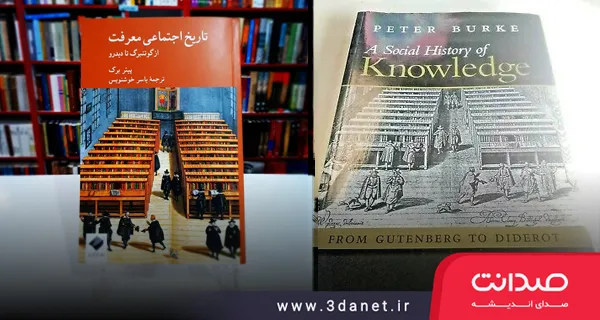
Objections to the Translation of the Book "A Social History of Knowledge"
By Peter Burke, Translated by Yaser Khoshnevis
Author: Mohammad Reza Safaeizad
I intend here to critique the translation of the very plainly written book "A Social History of Knowledge" by Peter Burke and to demonstrate that the Persian translation of this work is imprecise, riddled with errors great and small. It is clear that what I present here is random and scattered, not line by line nor covering the entire book. In fact, these errors pertain only to the first two or three chapters and the final chapter: and only the more significant errors at that, not all of them. It is obvious that mentioning all the book's errors is neither necessary nor feasible.
I will present this critique under several sections: a) Mechanical and facile meanings; b) Visual errors; c) Errors in recording dates; d) Inadvertent errors; e) Omissions; f) Gross errors.
a) Mechanical and facile meanings: From the very beginning of the translation to its end, the reader encounters facile and often incorrect meanings that are thoroughly off-putting. I will proceed to mention a few cases:
1) The meaning of (man of letters): "mard-e savād" (man of literacy); "ahl-e savād" (people of literacy)
The first meaning ("mard-e savād"), aside from its inelegance, is demonstrably wrong and does not convey a clear meaning to the reader; although it is marginally better than the second meaning. Therefore, a precise meaning must be chosen for it. The translator notes in the book's introduction that "in translating such phrases, I have used words that have an unfamiliar or archaic resonance. [Thus] I have translated the aforementioned phrase as 'ahl-e savād'." (p.2) The translator correctly points out that meanings with an "archaic and unfamiliar resonance" should be used, but to do this, one must search classical texts to find a suitable old meaning for the term in question. Like using the word "sowdāgar" (merchant) instead of "kāseb va mo'āmele-gar" (tradesman and dealer); or "pardis" (garden) instead of "behesht" (paradise). A specific example of this is the apt equivalent provided by Mr. Dariush Ashouri in his translation of Machiavelli's "The Prince" (Il Principe), about which he says: "armi in Italian means weaponry. Weaponry and army are two interconnected concepts that, depending on the context, can substitute for one another. Therefore, based on the evidence we have adduced [from Hafez, Ferdowsi, Sa'di, Sana'i], 'tigh' (blade) in classical Persian is a correct substitute for it, encompassing both concepts together." (On the Benefits of Wordplay, Dariush Ashouri's response to Seyyed Javad Tabatabai, published on the Sedanet website)
By this analogy, the term "ahl-e qalam" (people of the pen) is more suitable and precise for (man of letters) than "ahl-e savād," which is neither common in our classical literature, nor very comprehensible or conventional. [Aside from the other meaning of "ahl-e savād": desert-dwellers, villagers (see Dehkhoda Dictionary)]. In contrast, the term "ahl-e qalam" has both a long history in our classical literature and encompasses both meanings of "writer" and "erudite person." Interestingly, the book's author (Peter Burke) briefly refers on p.42 to the contrast between the two groups (men of letters) and (men of arms): a contrast that was very common and well-established in our classical literature: (ahl-e qalam / ahl-e seyf); (qalam-zanān / shamshir-zanān); (divāniyān / nezāmiyān)
(Additional note: The Merriam-Webster dictionary lists two meanings for letters: 1- literature, belles lettres 2- Learning. In the present book, the second meaning is intended.)
2) "The Republic of Letters": "Jomhuri-ye Savād" (Republic of Literacy). A fundamentally invalid equivalent.
First, let us address the meaning of the word (Republic). This word, aside from its common meaning of "republic," has another meaning. The Merriam-Webster dictionary states the following for this word:
A body of persons freely engaged in a specified activity <the republic of letters>
Thus this word refers to a group of individuals who are freely engaged in a particular activity. Hence its meaning in Persian is “public, community, body, and group.” Therefore, the precise meaning of the above combination is: the community possessing (= of) education / knowledge / learning / erudition = the public of the learned / the community of the learned and knowledgeable / scholars / the educated. So “جمهوری سواد” is a facile, meaningless, and erroneous combination. Such facile, Google‑Translate‑style renderings abound in the book. Here I will point to only a few instances.
1- (men of learning): “مردان تعلیم و تعلم” (p. 42) instead of “اهل دانش/ معرفت، فاضل، دانشور، فرهیخته”
2- (women of letters): “زنان علم” (p. 36). Instead of “زنان دانشور/ فاضل” (with these meanings one can easily take into account the gender intended by the author.)
3- (women of knowledge): “زنان دانشی” (38). Instead of “زنان اهل معرفت؛ زنان دانشور/ فاضل”
4- (Man of Knowledge): “مرد معرفت” (p. 15) instead of “اهل دانش/ معرفت، فاضل، دانشور، فرهیخته”
5- (free-floating intelligentsia): “اهل فکر رها” (p. 14 and on other pages of the book) instead of “روشنفکران (یا تحصیلکردگان) آزاد؛ یا روشنفکران بیتعلق” (Note that the noun modified, (intelligentsia), is plural, not singular.)
6- (politics of knowledge): “سیاست معرفت” (p. 18) instead of “سیاست حاکم بر معرفت”
7- (liberal arts): “فنون لیبرال” (p. 31 and other pages): instead of “علوم انسانی، علوم مقدماتی” [In this very book, the author contrasts the term (liberal arts: علوم [یا فنون] ذهنی/ عقلی) with (mechanical arts: علوم [یا فنون] یدی/ عملی).] It is worth becoming acquainted with another translation of this combination and its detailed explanation:
“The term ‘arts of free men’ [liberal arts], sometimes also called the seven arts or the seven arts of the elite [Seven liberal arts] in art history, became current from the ancient Greek period, when the classification of the seven arts remained valid and official in Europe even until the end of the Renaissance. That is to say, in ancient Greece the concept of art and artistry was not separate from technique and craftsmanship. The combination (term) ‘arts of free men’ or ‘free thinkers’ was used from the ancient Greek period throughout the Renaissance for intellectual and aesthetic categories befitting the free‑thinking elite—that is, the free thinkers or intellectuals of society—especially in contrast to the manual crafts and applied, empirical knowledge of the common, semi‑literate masses who were bound to trades and the performance of manual, physical, or non‑intellectual work. These categories included arithmetic, astronomy, geometry, theoretical music (not performance‑based musicianship, which was considered a lowly occupation), and other arts such as grammar, rhetoric, the art of oratory (rhetoric), and the principles of logic.” (See پژوهشهایی در شناخت هنر ایران, Dr. Ahmad Zabeti Jahromi, pp. 68 and 69)
8- The author (Peter Burke) distinguishes three types of skepticism in the final chapter: the translator has rendered “high, general scepticism” as “شکاکیت اعلا یا عمومی” (p. 293). “اعلا” means: superior, excellent, distinguished, and its use here is completely wrong. In fact, “high” means “intense / strong” and “general” means “broad / comprehensive / pervasive”: that is, intense and general skepticism. In other words, intense doubt about everything. As it happens, the author himself later quotes Montaigne as saying that he was skeptical about everything, “even about skepticism itself.” (p. 295)
The other two combinations are: (low scepticism). The translator’s rendering: “شکاکیت مادون”. Here “low” means “weak / limited.” And the third combination, “mitigated scepticism”: “شکاکیت مدیریتشده” (p. 297) instead of “شکاکیت فروکاسته”.
9- “intellectual historian”: “مورخ فکری” (p. 302). As you know, the combination (intellectual history) is a specific term with a precise definition: that is, “the history of thought, the history of the formation and evolution of human thought.” The definition of this combination in the Merriam‑Webster dictionary is as follows:
Intellectual History: a branch of history that deals with the rise and evolution of ideas: history of ideas.
Therefore, "intellectual historian" is not a suitable meaning for "intellectual historian" and does not convey anything specific or substantial to the reader. Wouldn't it have been better to choose another appropriate meaning for it? For example, "historian of opinions and ideas; a historian who deals with the course of the formation and evolution of human thought."
10- On page 305, it says: "A philosopher in the thirteenth century used glass balls ... to explain the rainbow ...". What understanding will the reader really have of the mundane meaning of "glass ball" (crystal ball)? The correct and established meaning is "crystal sphere."
11- On page 90, the translator has rendered the phrase (men of affairs) as "officials." But this phrase has another meaning: "businessmen."
Man of affairs: a person engaged in commercial or industrial business (especially an owner or executive)
B) Visual errors: Here I will briefly mention a few cases: On page 14, the translator has mistakenly given the meaning of (odd ring) as: ancient resonance (mistaking odd for old). Also on page 313, instead of the meaning (arrogance: self-conceit), they have written: ignorance [in phrases: ignorance of nations, ignorance of the educated] (mistaking arrogance for ignorance). On page 52, the translator has written the equivalent "shen-shib" for the phrase (shen-shih): mistaking "h" for "b".
C) Errors in recording dates: Here I will briefly mention a few cases: For example, on page 63, instead of the date (1508), they have written: 1528. Or in the first line of chapter 4, instead of the date (1654), they have written: 1564. On page 49, instead of the date 1684, they have written: 1648.
D) Inadvertent errors: On page 25, it says: "Regardless of whether the increase in lifespan has compensated for the reduction in the breadth of their knowledge or not ...". In the text, due to a typographical error, the word "lifespan" (omr) appears instead of "depth" (omq), which has rendered the text meaningless. On page 307, the translator has written "natural philosophy" instead of the phrase (natural history). Also on page 313, it says: "If we follow the conventional error-distortion." The translator has rendered the meaning of the word (anachronism) as "error-distortion," which is a meaningless phrase. Most likely, they intended "chronological error."
E) Omissions:
The point is to make us (writer and readers alike) more conscious of the ‘knowledge system’ in which we live, by describing and analysing changing systems in the past. (p. 2)
Translator: The point is to make all of us (both writer and readers) more conscious of the knowledge system in which we live. (p. 9)
Explanation: As is clear, the translator has omitted the final part of the English sentence.
Typically, the outsider Veblen left no school in the strict sense. (p. 4)
Translator: Veblen's works did not lead to a school in the strict sense of the word. (p. 12)
Explanation: The omissions at the beginning of the sentence (Typically, the outsider) are clear.
University of Pavia under a cloud after criticizing the intellectual ‘authorities’. (p. 55)
Translator: Lorenzo Valla left the University of Pavia after criticizing the intellectual authorities. (p. 60)
Explanation: The omission of the phrase (under a cloud) from the translation is clear.
The Ottoman medrese (the Turkish form of the word madrasa) followed a similar pattern. (p. 50)
Translator: Ottoman madrasas followed a similar pattern. (p. 82)
Explanation: I do not think the phrase in parentheses is superfluous enough to warrant its removal!
Other similar instances: on p. 38 (academic investigators of nature): “پژوهشگران طبیعت” (the adjective academic omitted). Again on the same page, the phrase (their Latin songs): “سرودهایشان” (the adjective Latin omitted). On p. 41, the phrase (the English Revolution) is translated merely as “انقلاب”. On p. 44, for the phrase (Master of Balliol College from 1870 to 1893), only “استاد کالج بالیول” appears, and the dates (from 1870 to 1893) have been entirely dropped. On p. 59, in the translation of (medieval artisans), only “پیشهوران” appears, and the adjective (medieval) has been omitted in the translation. On p. 65, instead of the phrase (innovation in medicine), the translator has settled for merely “نوآوری”. On p. 294, in the translation of (the Italian historian Paolo Giovio), only “پائولو جوویو” appears, and the entire descriptor (the Italian historian) has been omitted from the translation.
و) Gross Errors: In the following cases, I will first present the original English text, then the translator’s rendering (under the heading Translation), and, where necessary, an explanatory note (under the heading Explanation).
1) Scientific revolutions recur in history …, originating in dissatisfaction with an orthodox theory or ‘paradigm’. (p. 7)
Translator: انقلابهای علمی در تاریخ روی میدهند و ... با نارضایتی از راستکیشی یا پارادایم موجود آغاز میشود. (p. 16)
Explanation: The translator has rendered the meaning of (orthodox theory) entirely incorrectly. “راستکیشی” has no meaning or place here whatsoever. Its meaning is “the established, official theory.”
2) Social history, like sociology, must be concerned ‘with everything that passes for knowledge in society’ (p. 14)
Translator: تاریخ اجتماعی باید همانند جامعهشناسی متوجه "هر آن چیزی که بر معرفت در جامعه میگذرد" باشد.
Explanation: Disregarding the meaning of (pass for: to be considered as ...), the translator has produced a garbled and unintelligible sentence from the phrase. The meaning of the sentence is: “... everything that is considered as social knowledge (in society) ...”
Explanation: In two places on p. 27 of the book, the translator has mistakenly rendered the word (midwives: ماماها، قابلهها) as “زنان خانهدار”. Consequently, an error has been made in translating the title of a book quoted from a lady midwife:
3) the Observations diverses published ... by the Parisian midwife Louise Bourgeois
Translator’s rendering: کتاب مشاهدات گوناگون [از] لویی بورژوا، بانوی خانهدار پاریسی. (p. 27)
Explanation: The translator has made several mistakes: firstly, “خانهدار” is utterly wrong and should be “قابله، ماما”. Secondly (and for this reason), “مشاهدات” should be changed to “معاینات”. And thirdly, the translator has carelessly written the title “لویی/ لوئیس” (Louis: for gentlemen) instead of the title “لوئیز” (Louise: for ladies). Such a mistake is repeated on p. 37: the translator has used the title “مارکی” (Marquis: for gentlemen) instead of the title “مارکیز” (marquise: for ladies).
4) If I wanted to cause a sensation, I would claim at this point that the so-called intellectual revolutions of early modern Europe – the Renaissance, the Scientific Revolution and the Enlightenment – were no more than the surfacing into visibility (and more especially into print), of certain kinds of popular or practical knowledge and their legitimation by some academic establishments. (p.14)
Translator’s rendering: اگر بخواهم حسی را برانگیزم، در اینجا ادعا خواهم کرد که به اصطلاح انقلابهای فکری اروپای مدرن آغازین یعنی نوزایی، انقلاب علمی و روشنگری چیزی فراتر از مرئی ساختن (و به طور خاص به چاپ رساندن) انواع خاصی از معرفت عامه یا عملی کردن و مشروعیت بخشیدن به آنها از سوی نهادهای دانشگاهی نبود. (p. 28)
Note: The translator has misunderstood the meaning of the phrase (to cause a sensation). The correct meaning of the first line of the sentence is: “If I wanted to cause a sensation, I would claim that…”. Also, it seems that in the translation of the phrase (popular or practical knowledge) as “معرفت عامه یا عملی کردن,” the verb “کردن” (to do) has been inadvertently inserted.
5) Specialists in the architecture of the Renaissance have discussed the interaction between the craft traditions of master masons and the humanist knowledge of the patrons, who sometimes commissioned their houses with copies of Vitruvius in their hands. (p. 15)
Translator: متخصصان معماری در دورۀ نوزایی دربارۀ تعامل سنتهای حرفهای استادان بنّا با معرفت اومانیستی حامیان آنها که گاه نسخههایی از کارهای ویتروویوس را در خانههایشان داشتند، صحبت کردهاند. (ص28)
Note: The translator has mistakenly translated the phrase (the craft traditions) as “سنتهای حرفهای” (professional traditions). The appropriate meaning is: “the customs and habits of craftsmen.” It would also have been better to provide a precise meaning for the second phrase, “استادان بنّا” (master masons): “skilled masons”;
Master mason: a skilled mason, especially one who oversees the construction of buildings.
Furthermore, by omitting the verb (commission) and incorrectly translating (houses), the translator has written an entirely wrong meaning for the sentence.
6) the … clergy [was] the first example in history of ‘radical intellectuals’ [who] ‘freed from feudal connections’…, Their ideal was that of the ‘saint’. (p.19)
Translator: این کشیشان اولین نمونۀ روشنفکران افراطی در جامعهای سنتی بودند که از تلقیهای فئودال رها شدند... . آرمان آنها قدیس شدن بود. (ص35)
Note: “تلقی” (notions) is not the meaning of (connection); rather, its meaning is “وابستگی” (ties): feudal ties, not feudal notions! They have also incorrectly translated the continuation of the sentence. The meaning of the sentence is clear: “Their ideal was the ideal of the saints.”
7) The term will be employed below from time to time to describe social groups whose members variously thought of themselves as ‘men of learning’ (doeti, eruditi, savants, Gelehrten), or ‘men of letters’ (literati, hommes de lettres). In this context lettres meant learning rather than literature (hence the need for the adjective in belles-lettres). (p.19)
Translator: این اصطلاح گروهی اجتماعی را توصیف میکند که اعضای آن خود را اهل تعلیم و تعلم یا اهل سواد مینامیدند. در این سیاق، سواد به معنای یادگیری و تعلیم است نه ادبیات. (به همین دلیل، از belles-lettres به معنای ادبیات متمایز شده است). (ص35)
Note: There are several errors in this translation: first, there is no reason for the translator to omit the phrase (will be employed below from time to time) from the sentence. Second, the translator should have considered the plural nature of (social groups) in the translation. And third, they have incorrectly translated the final phrase: (hence the need for the adjective in belles-lettres). The meaning of the sentence is clear: “hence the need for this adjective in the term belles-lettres.”
8) Law and medicine were the two secular learned professions, with their place within the medieval university as well as status in the world outside it. (p.21)
Translator: حقوق و پزشکی دو حرفۀ عرفی بود که هم در دانشگاهها و هم در جهان بیرونی جایگاه خود را داشت. (ص38)
Note: Several errors in this single line: first, here the meaning of “عرفی” (customary) for the word (secular) is wrong and inappropriate. Its suitable meaning is: “non-religious, non-ecclesiastical.” Moreover, by omitting the important adjective (learned) from the phrase (learned professions), the translator has conveyed the meaning of the sentence incompletely. As you know, this phrase has a specific meaning: “professions (such as theology, law, and medicine) that require specific education and extensive knowledge.”
Learned profession: one of the three professions (theology, law, and medicine) traditionally associated with extensive learning or erudition.
And the third error is that “the world outside it” [instead of: the world outside it] is meaningless. The sentence is very clear: “the world outside the university.”
9) The generally low rate of remuneration for teachers in schools and universities, apart from some stars, mainly in law faculties, makes his reaction all too easy to understand. Teaching offered a way of making a living from knowledge, but not a very good living. (p. 39)
Translator: In general, the low remuneration of teachers in schools and universities, except for a few prominent universities, especially in the field of law, makes the letter writer’s situation easy to understand. Teaching provided a way to build a life based on knowledge, but not a very pleasant life. (p. 39)
Explanation: Again, several clear errors: first, the meaning of (faculty) is “college” not “field,” hence the meaning of the sentence “except for a few prominent universities, especially in the field [!] of law” is awkward and ill-conceived for the reader. Second, the translator has not seen the construction (too ... to do sth: so ... that one cannot ...) in the text and has therefore rendered it incorrectly. Subsequently, due to not understanding the meaning of (making a living from: earning a livelihood through ...), they have written an erroneous translation of the sentence.
10) Others worked for the press, correcting proofs for example, making indexes, translating, … (p.22)
Translator: Some others worked for publishers, and for example, corrected proofs, made indexes, translated, and... (p. 40)
Explanation: Here, the translator has misunderstood the meaning of (proof): “proof” [as in evidence]; hence they have produced an incoherent meaning of the sentence. The meaning of the sentence is: “Some were engaged in correcting printer’s proofs.”
11) In England, Alexander Pope has been described as the first independent man of letters, soon followed by Samuel Johnson. (p. 50)
Translator: In England, Alexander Pope has been described as the first independent man of literacy, and shortly thereafter, Samuel Johnson followed him. (p. 50)
Explanation: Aside from the invalid and awkward translation of “man of literacy,” the translator has mistakenly translated the verb “followed by” here as “to follow.” Whereas its meaning is: “subsequently, after that, next.” That is, it was not long before Samuel Johnson’s name was also linked to this attribute.
12) It is likely that the lawyers learned from the natural philosophers as well as the other way round. (p.206)
Translator: It is likely that lawyers learned from natural philosophers and also from others. (p. 308)
Explanation: Because the translator did not know the meaning of the idiom (the other way round), they have rendered the translation incorrectly: “learning from others” is wrong. In fact, the author is speaking of the mutual influence between natural philosophers and jurists.
13) Among historians, the rise of induction was linked to the rise of the footnote. (p. 208)
Translator: Among historians, the rise of induction was accompanied by the rise of the footnote. (p. 310)
Explanation: Due to neglecting the other meaning of (induction), the translator has produced a meaningless sentence. The translator should have paused for a moment on the meaning of the sentence to realize the irrelevance of “induction” and “footnote.” As you know, one of the meanings of (induction) is “preface / introduction / preamble / prologue.”
14) They become the seats of vested interests. (p. 51)
These institutions become the seats of assigned interests. (p. 83)
Explanation: What is the meaning of this sentence? The translator does not know the meaning of the phrase (vested interests): “These educational institutions turn into centers for self-seeking (beneficiary / interest-seeking) individuals.”
I leave the examination of the last case to the readers:
15) The well-known examples of literary success should not allow us to forget the literary underground’, or ‘Grub Street’, as it was called in eighteenth-century England. (p. 30)
Translator: The famous examples of literary success should not cause us to overlook the ‘underground literacy’ or, as it was called in eighteenth-century England, ‘the passage of hack writers.’ (p. 51)
As I said at the beginning, these errors only pertain to the first two or three chapters and the last chapter of the book. But in reality, these types of errors exist throughout the entire book, and the reader does not feel a sense of confidence and satisfaction in studying it. God willing, the esteemed translator will rectify them.

Discussion13 comments
برای ترجمه متن انگلیسی، اگر از فرهنگ لغت انگلیسی به انگلیسی استفاده شود،از اشتباه و بدفهمی متن بسیار کاسته خواهد شد. ظاهرا نه مترجم و نه منتقد ترجمه، دست کم در مورد men of letter ،به اندازه کافی به این نکته توجه نکرده اند. این مورد مانند موارد زیاد دیگر که در متون دیده می شود، اصطلاح بوده و نباید واژه به واژه ترجمه شود. برای معادل man of letter ، اگر به دیکشنری لانگمن مراجعه کنیم به راحتی متوجه می شویم که منظور از این واژه نویسنده مرد بوده و بنابراین قلم فرسایی منتقد محترم هم کاملا نابجاست. man of letters a male writer, especially one who writes NOVELs or writes about literature
جناب آقای حسین هادی خوب بود معادل پیشنهادی خودتون هم ارائه می کردید تا ما بدانیم معنی مد نظر شما چیست!
انگار "عنوان کتاب" هم خراب ترجمه شده، چون از متن کتاب اینطور بر میاد که «knowledge» اینجا به معنی «دانش» باید باشه نه «معرفت».
منم بودم از اولیای نشر کرگدن بخاطر چاپ این اثر! تشکر میکردم.
در جهانی فرضی کسی با نیت خیر انتشاراتی را بنا مینهد. در ادامه با دوستان و آشنایانش برای ترجمه کتاب همکاری میکند. حالا این دوستان و همکاران ترجمهشان توسط ناشر بررسی میشود؟ یا اگر هم بررسی شود ناشر برای ترجمهای که متن فارسی آن هم قابل خواندن نیست به همکار خویش تذکر میدهد؟ با تشکر از همه انتشاراتیهای خوب، از جمله کرگدن. پیشنهاد میکنم از فرهنگ قبیلهای فاصله بگیریم. شفافیت معجزه میکند.
مترجم محترم کتاب دیگری نیز با عنوان «انقلاب علمی» پیشتر ترجمه کرده که در همین صدانت نقد شد. آن کتاب هم به همین اندازه مغلوط بود. در یک کلام، مترجم زبان انگلیسی بلد نیست و شناختش از انگلیسی احتمالاً به خواندن چند مقاله ی مهندسی به زبان انگلیسی محدود می شود. اساساً در کشور ما توهم تسلط بر زبان انگلیسی ،بویژه پس از ورود هارد اکسترنال (و سریال بازی های متعاقب آن)، بسیار شیوع پیدا کرده. من کتاب های نشر کرگدن را به شدت می پسندم(از لحاظ کیفیت چاپ، خوش خوان بودن، انتخاب نظام مند موضوعات و مشخص بودن خط فکری (پروژه) نشر، به روز بودن، ترجمه، و...)، اما متوجه نیستم چنین ترجمه ای چطور در این نشر به چاپ رسیده!
مترجم زحمت زیاد کشیده و مسلما وقت زیاد گذاشته ولی این اصلا کافی نیست.
از قضا منم این کتاب رو دارم میخونم. بنظرم برای قضاوت اولیه راجع به سطح ترجمه یک اثر، مواجه شدن با دست اندازی های متن فارسی کفایت میکنه و نیاز چندانی به مقابله متن انگلیسیش نیس. بعنوان نمونه جمله زیر از کتاب رو دقت کنین: -تحصیل کردگان اروپایی خود را شهروندان جمهوری سواد معرفی می کردند. (ص۴۹) با توجه به اینکه چند سطر جلوتر، حرف از «جمهوری هلند» به میان آومده، خواننده فکر میکنه که «جمهوری سواد» اشاره به موقعیت جغرافیایی داره! در صورتیکه این اشاره به فرهیختگان داره و «شهروندی» در اینجا هیچ موضوعیتی نداره. یا این جمله از کتاب رو ببینین: -دانشگاه ها از آنچه لختی نهادی نامیده می شود، رنج می بردند و سنت های کاری خود را به قیمت جدا ماندن از روندهای جدید حفظ می کردند. (ص ۷۹) متاسفانه موارد اینچنینی چیزی جز دلزدگی و بیحاصلی برای خواننده نداره. اخیرا توصیفی که آقای ملکیان درباره ترجمه ای از ادیب سلطانی بعنوان الگوی ترجمه ذکر کرده بود، رو خوندم. ایشون «از گوشه و کنار ترجمه» میگن که: «من يك مورد غلط در تمام ۹۰۰ صفحه ترجمه كتاب سنجش خرد ناب آقای اديب سلطانی پيدا كردم. به اين ميگويند ترجمه و اين فرد شب كه ميخوابد با وجدان راحت ميخوابد. اما ...» (منبع: فصلنامه مترجم/ سال بيست و پنجم/ شماره شصت ص ۱۰۳) به عقیده ایشون، ۵ نفر مترجم قابل اعتماد برای ترجمه آثار متفکزان غربی نداریم! وقتی اینطوره ناشران بساز-بفروشی، نه برای اشاعه فرهنگ بلکه با انگیزه های تجاری و بدون بررسی های دقیق، به چاپ ترجمه های کم کیفیت دس میزنن و با قیمت گزافی به خواننده مشتاق میفروشن.
والله فارسی اش هم مشکل داره. اگه کسی از این جمله سر در آورد به منم بگه: «فتح هند "نتیجۀ معرفت" توصیف می شود؛ تجاوز به "فضایی معرفت شناختی" و نویسنده بر این امر تأکید می کند که ...» (ص 175)
سخن ملکیان پندآموز بود واقعا. ایشون نقد دیگری هم دارن بر ترجمه ای از خرمشاهی، تحت عنوان «به کجا چنین شتابان؟» که خواندنیست. http://www.islahweb.org/node/1427
واقعا جای تأسف داره برای نشری که اینهمه کبکبه و دبدبه داره اینقد راحت تن بده به چاپ این ترجمه های پر غلط!
این ترجمه همهٔ ویژگیهای یک «ترجمهٔ بد» را دارا است. این ترجمهها بیشتر «تولید متن» است. کسی هم که تا حالا آثارش نقد نشده، دائم تولید متن میکنه. ناشر هم که دیگه جای خود. معلوم نیست ناشر این وسط وظیفه اش چی بوده...
نفد بسیار خوبی است. ممنون از ناقد محترم که با اینهمه دقت به این ترجمۀ بسیار خام دستانه نگریسته اند. فقط در یکی از مثال های ترجمۀ نادرست خطای منکر دیگری نیز روی داده بود که از نظر نکته سنج ناقد پنهان مانده بود: Scientific revolutions recur in history …, originating in dissatisfaction with an orthodox theory or ‘paradigm’. (p. 7) مترجم خام دست درنیافته است که فعل recur به معنای «تکرار شدن» است، نه «روی دادن»! پرسشی که در اینجا به ذهن می رسد آن است که چرا چنین مترجمی با این بضاعت ناچیز به خود اجازه داده است که دست به کار ترجمه شود. اما پرسش بزرگتر آن است که چرا ناشر ایرانی، چشم بسته، این ترجمۀ مغلوط را منتشر کرده است.