Philosophy
Morteza Sedaghat's Lecture: “Kripke on Reference, Davidson on Content”
Kripke's theory of reference suffers from causal indeterminacy; the proposed solution draws on the concept of 'application,' akin to Davidson's strategy of triangulation. By refining Kroon's theory, a preliminary sketch of a causal-application theory of reference is offered.
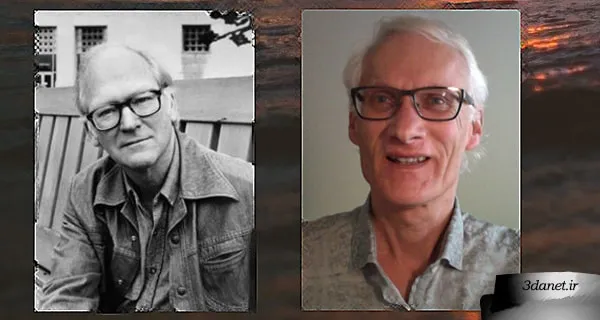
Kripke's theory of reference contains several difficulties, including causal indeterminacy. Introducing any description to resolve this indeterminacy, however, confronts us with Kripke's objections to the descriptive theory of reference. One solution, in my view, is to utilize the concept of "use" within the causal theory of reference to resolve this indeterminacy. A strategy that, in my opinion, Davidson employed in his triangulation thesis to resolve the indeterminacy of mental content. A similar strategy needs to be applied within the causal theory of reference, and in my view, Kroon's epistemic warrant theory of reference is an initial attempt in this direction. My aim in this lecture is to describe these endeavors along with a closer examination of them, with the goal of being able to present a preliminary sketch of a causal-use theory of reference.
.
.
Audio of Morteza Sedaghat's Lecture: "Kroon on Reference, Davidson on Content"
Lecture at the third meeting of the Science Studies Group lecture series at the Iranian Institute of Philosophy and Wisdom Research April 30, 2014
.
.
A related article by Dr. Sedaghat on the same topic and with the same title
Biannual Scientific-Research Journal of Philosophy of Science Year 3, Issue 1, Spring and Summer 2013
.
.


Discussion0 comments
No comments yet; let yours be the first voice.