Philosophy
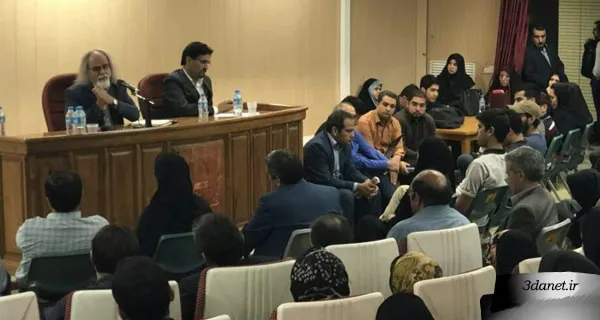
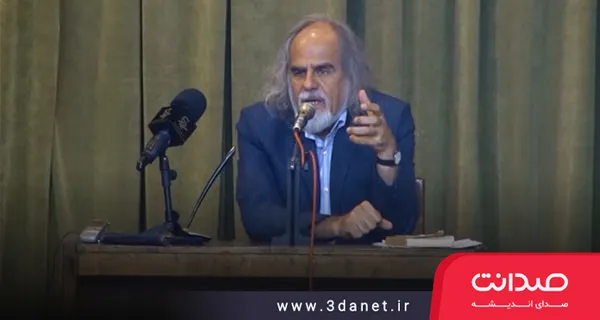
Mostafa Malekian's Lecture on the Ethics of Social Relief
In his lecture “The Ethics of Social Relief,” Mostafa Malekian outlines eight conditions for ethical aid—from non-interference in the recipient’s goals and not conditioning help on religion or race, to preserving the recipient’s self-esteem and avoiding competitiveness in social work.

The Eight Conditions of the Ethics of Social Relief:
1⃣ The Quality of Relief and Aid *The existence of a human person with a specific goal *The person's inability to achieve their intended goal by relying on their own set of abilities *The existence of others to help the person lacking the ability to approach their intended goal. If a person is helped to achieve a goal other than their intended goal, the term relief and assistance is no longer applied to that act. In the matter of social relief, the issue of education and training is not raised. Many relief providers set goals, change the path of the recipient, interfere with the recipients' goals, and grant themselves the right to alter and modify goals. In this case, even if they have benevolent intentions and their action is considered ethical, the name of their action is not relief and help. Rather, it can be education and training, or guidance, or direction.
2⃣ Social Aid and Relief Not Being Conditional on Any Condition Religion, race, nationality, belief, or school of thought must not be made a condition for aid. The recipient is helped because they are a human being. No reason or proof other than the argument of humanity should interfere in the relief provider's decision. The requirement of an ethical act is that a human being is helped only because they are a human being.
3⃣ Respecting the Rule of the More Important over the Important in Social Assistance In a society where food, clothing, housing, and the satisfaction of primary needs still face problems, it is meaningless to pursue secondary needs with lower priority.
4⃣ Direct Contact and Face-to-Face Encounter Between the Relief Provider and the Aid Recipient Although this condition is not one hundred percent realizable, it should be realized as much as possible. In today's society, the giver of wealth does not see the face of the aid recipient, and vice versa. In this case, what happens is more akin to paying taxes. Social institutions and charities play the role of intermediary. Ethics requires that the two sides of this cycle see each other, because this creates compassion and sympathy, which leads to the ethical and spiritual elevation of the human being and generates the totality of human emotions.
5⃣ Not Impairing the Self-Esteem of the Aid Recipient When Imam Hussein helped a needy person, he would also kiss their hand. Crushing people's self-esteem in return for help is not an ethical act at all.
6⃣ Not Portraying Normal Social Routines and Behaviors as Harms and Deficiencies out of Regret, Narcissism, Prejudice, and Superstition Normal social routines should not be turned into a problem and then an attempt made to solve an imaginary difficulty. This act is unethical.
7⃣ Not Creating a Habit of Seeking Help in People Under the Shadow of Social Relief Any act that causes a person not to use their God-given potentials and abilities is unethical.
8⃣ The Absence of the Element of Competitiveness in Social Work If social work becomes competitive, it becomes paradoxical. The act of relief is not for presenting a work report; there is fellowship in it, not competition.
Mostafa Malekian's Lecture Titled the Ethics of Social Relief
Audio File of the Ethics of Social Relief | Approximately 45 minutes | 9 MB




Discussion0 comments
No comments yet; let yours be the first voice.