Economic Sciences
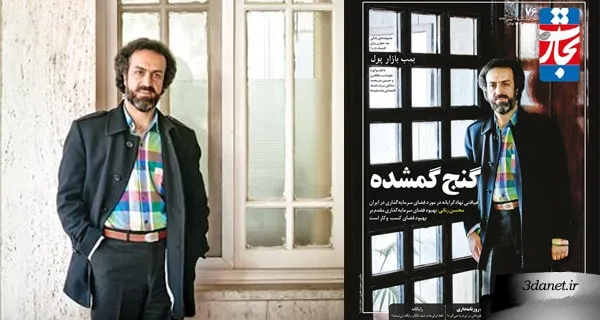
Mysticism Through the Lens of Economics: The Mode of Producing and Multiplying 'Eid' in Life, by Mohsen Renani
Mohsen Renani, through an economic lens, views 'Eid' as a public good and a duality—one that can be produced and multiplied so that every moment becomes a celebration. His solution lies in taking only what one needs and avoiding competition in personal life.
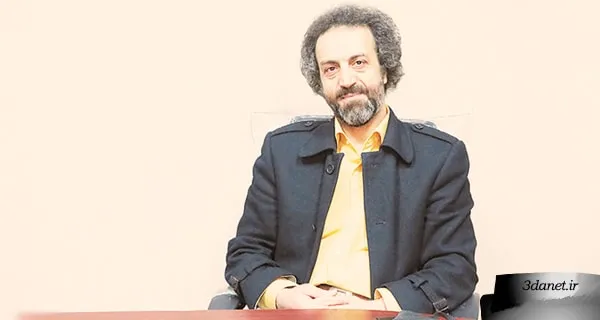
Can Eid be multiplied? Can we do something so that we don't have Eid only once or twice a year, but once a month, once a week, or every day? Even beyond that, is it possible to make every moment an Eid?
Dr. Mohsen Renani first considers Eid from an economic perspective, treating it like a commodity, and examines whether "Eid" can be mass-produced and consumed. He then goes on to explain the concept of entropy in systems theory and clarifies the meaning and place of Eid.
Renani sees the first step toward creating Eid as taking only as much as one needs from everything, and the second step as paying attention to the fact that just as the concept of "competition" is a virtue in society, it is a "vice" in individual life.
Introduction
We are on the threshold of Nowruz, and as a "festive offering," we want to join our student friends in seeking an answer to this question: if "Eid" is good, can it be multiplied? Can we do something so that we don't have Eid only once or twice a year, but once a month, once a week, or every day? And even beyond that, is it possible to make every moment an Eid for us? Why should we wait a whole year and then celebrate Eid? Can't we have an Eid factory that mass-produces Eid, allowing us to have as much Eid as our heart desires? I know you probably feel this is a ridiculous question. You might ask: "Is Eid like cheese, to be mass-produced and consumed?" So I will try to both open up the question for you and, to the best of my ability, provide a clear answer to it.
Statement of the Problem
You are an economics student and are familiar with concepts such as production, cost, private goods, public goods, and the like. Economics also teaches you that all human beings seek to maximize their benefits. Firms seek to maximize their profits, households seek to maximize their consumption and welfare, and individuals seek to maximize their utility or pleasure. For those friends who may not be familiar, I will explain. A private good is a good that, when one person consumes it, others cannot consume it at the same time. For example, chocolate is a private good; that is, when one person eats it, other individuals cannot eat that same chocolate. Here, being private has nothing to do with ownership; rather, being private means this good has the capability of being allocated to a specific individual and others can be prevented from using that good. When we allocate this chocolate to a specific individual, we in fact prevent others from using that chocolate. But a public good is a good that everyone can consume simultaneously. For example, when a film is shown on television, everyone can watch it at the same time without my "watching" of the film preventing your "watching" of it. Similarly, when a musician plays a piece, we can all benefit from it simultaneously. Or when security is produced, everyone uses it; that is, one cannot say only specific individuals use security. So, showing a film or playing music in a public place or producing security are types of public goods that, once produced, everyone uses. Now we say that 'Eid' is also a public good. Of course, in economics, we give the title "good" to any type of material good or service that is produced. From the perspective of economics, the production of educational or health services, like the services of doctors or nurses, is considered the production of goods; the production of a soft drink is also considered the production of goods. The word "good" in economics is the translation of the English word "goods" and refers to any type of service or material good for which individuals are willing to pay a cost to have. In fact, anything that gives us pleasure, welfare, and utility or with which we can produce another good (like raw materials) is a good. Since individuals are willing to pay money to obtain material goods or services that give them pleasure or fulfill a need of theirs, we say that anything for which individuals are willing to pay a cost or for which a price exists is considered a good. By this account, 'Eid' is a public good. That is, it both gives individuals pleasure and individuals are willing to spend money on it, and when it is produced (it becomes Eid), everyone benefits from it. But one more point must be added. Goods are fundamentally of three categories. One category is those that the producer produces solely for the purpose of earning income but does not enjoy producing them. For example, a construction worker usually does not enjoy the services he provides and the trouble he takes; he does so only to earn income, because if he were not paid, he would no longer work. A large portion of jobs are like this. We call these goods that are produced only for the market—let's call them "exogenous goods" for now. The second category is goods or services that have no customer and only the producer himself enjoys producing and consuming them. For example, suppose an individual plans and exercises for a long time and endures many hardships to lose weight; he undertakes these efforts and services solely for his own consumption and pleasure, and no one is willing to pay him money for it. Or someone who reads a novel; this act of his is merely a service he does for himself and a pleasure he produces only for his own consumption. We call these goods "endogenous." But the third category is goods that the producer himself enjoys producing and others also like them and are willing to pay money for them. For example, a musician who performs a music program in a hall, in addition to producing a service for others and selling it to them, also uses and enjoys his own production himself. The same is true of a painter who paints a picture for sale in the market; while painting the picture, he himself also enjoys it. We call this third category "dual goods." 'Eid' is of this third type of goods, which those who produce it enjoy themselves and also give pleasure to others. So, up to this point, we have understood that 'Eid' is a "dual public good." Incidentally, some goods cannot be produced incompletely.
That is, its units are discrete and separable. For example, an automobile is a discrete good. That is, you cannot produce just one-half of it; rather, for the automobile to be able to serve people, it must be produced completely. Likewise, you cannot make just a few minutes of a film; for people to be able to enjoy it, it must be made in its entirety. But this is not the case with playing music; that is, music is enjoyable to whatever extent it is played. Whether it is one minute or one hour, it is enjoyable to that very extent. We call those goods that can be produced in varying quantities and whose units are not discrete "continuous" goods. Eid is also a continuous good. That is, to whatever extent we have Eid, we enjoy it to that same extent. That is, in terms of the number of people, geographical scope, duration, and quality, we can have various quantities of Eid. Eid can be for one person, for a family, for a neighborhood, for a city, and for a nation, and it is enjoyed at all levels. Also, Eid can be a week, a day, an hour, or a minute. In terms of quality, too, Eid can have different levels—from very superficial and fleeting to very deep and lasting. So Eid is a "dual continuous public good." Let me summarize up to this point: First, "Eid" is a "good" because when it is produced, it gives us pleasure and utility, and we are also willing to incur costs to have "Eid." Second, Eid is a "public good," meaning that when it is produced, everyone can benefit from it simultaneously, and it gives pleasure to everyone at the same time; that is, one person's enjoyment does not prevent another person's enjoyment. Third, Eid is a "dual good," meaning both the producer and the consumer enjoy its production. Fourth, Eid is a "continuous good," meaning any amount of it, with any quality, for any duration, in any geographical scope, and for any number of people, if produced, is desirable, enjoyable, and therefore valuable. Therefore, among all goods, "Eid" is one of the exceptional goods that possesses all the "good characteristics." In this case, Eid, in whatever quantity it is produced, is desirable and valuable both for the individual themselves and for society. On this basis, every individual should produce Eid to whatever extent they can and expand it as much as possible across time and space, deepen it, and enhance its quality. By doing so, both the individual's own sense of pleasure increases and the sense of pleasure of others. If all members of a society strive to produce Eid, then Eid reaches the stage of mass production, and we all enjoy both the amount of Eid we ourselves have produced and the amount of Eid others have produced. If "Nowruz Eid" is so delightful to this extent, it is for this reason that all members of the nation make an effort, spend, and strive to produce and consume a two-week period of "Eid" each year. Consider if you were the only Iranian in your neighborhood and your other neighbors were non-Iranian, and therefore they do not take any particular action for Nowruz Eid. To that same extent, your Nowruz Eid becomes more limited and less delightful. It is clear that the quality and scope of Nowruz Eid for Iranians living in foreign countries is much more limited than for Iranians living in Iran. So if we seek to have a high-quality life and a delightful society, we must strive to produce Eid, make our Eids longer and improve their quality, and also increase their scope at the societal level. And for this, each and every one of us must begin to produce and multiply Eid. If others join us and they also produce "Eid," then "Eid" reaches mass production and everyone benefits from it. But if others do not join in, we ourselves produce Eid within our own limits (in our personal sphere or within our family sphere) and consume it ourselves. Therefore, now that it is decided that everyone, in whatever situation they are in and to whatever extent they can, should produce "Eid," these questions arise: "How can Eid be multiplied?" and "What should we do to spend a longer duration of our lives in Eid?" To answer these questions, it is necessary to introduce the concept of "entropy" to those friends who are not familiar with it.Entropy: Signs and Consequences
In thermodynamics—a branch of physics—and also in "General Systems Theory," there is a concept called entropy, which is very important. Entropy means disorder and chaos within a system. A system is a set of components that are interconnected and interact to achieve certain goals. For example, a clock or an automobile is a system, a family is a system, a company is also a system. All these systems consist of components that are interconnected and interact, and their activity is directed toward achieving a specific goal. In an automobile, the engine, gears, propeller shafts, axles, wheels, chassis, and body are interconnected and cooperate so that the automobile moves and transports people or loads. In a company, workers, engineers, and managers cooperate so that the company produces, sells, and makes a profit. Now, if the degree of cooperation and coordination among these system components—which must cooperate systematically and purposefully for the system to achieve its goals—decreases, a kind of disorder and chaos enters the system, which is called entropy. In fact, the more the degree of order and coordination in the system decreases, we say its entropy has increased. Thus, with an increase in entropy, the degree of order in the system decreases. In fact, the degree to which the system is a system decreases. So entropy is an "anti-system" state. In physics or chemistry itself, changes in the temperature of a substance or a body are called entropy. For example, when a chemical reaction occurs, the entropy of the substance undergoing this change increases. Or when a water heater is heating up, its entropy is increasing. That is, the water molecules inside the water heater begin to move around and their motion increases. This is why the pressure inside the water heater increases. The same is true for living systems. When a person gets angry or has a fever, their entropy rises. In society, when conflict and tension arise, the society's entropy rises. In economics, when prices rise or companies go bankrupt, its entropy rises. Now let us add a point. When entropy rises in a system, the system begins to lose its energy. What is energy? Anything with which "work" can be done is considered energy. Because doing "work" is only possible by expending energy. So we consider electricity as energy because it can set a fan in motion. Or water accumulated behind a dam has energy because it can turn a turbine. Gasoline is energy because it sets an engine in motion, and so on. By "work," we mean any useful action that is in line with achieving the system's goals. Now we say that when entropy increases in a system, that system wastes energy, and for this reason, the system's ability to do work decreases. Gas molecules, which are compressed together in a city gas pipe, have the capacity to do work (with them, one can light a flame and cook food), but if we open the gas valve and the gas disperses into the air, the gas molecules quickly scatter around. In fact, the disorder or entropy of the molecules increases. After that, one can no longer light a flame and cook food with that gas dispersed in the air. In other words, the gas's energy has been wasted and can no longer be used to do work. So an increase in entropy causes energy to be wasted. As another example, when we get angry, our body's entropy rises, and we lose a great deal of energy in the form of heat. For this reason, we can no longer perform our tasks well; for instance, our hand trembles, our mind cannot focus, and our precision decreases. In the case of society, when there is conflict, tension, and distrust within it, its entropy rises, it loses a great deal of energy in these conflicts, and its ability to do "work" decreases. For example, the level of investment or the economic growth rate of a tense society decreases. Also, when the inflation rate rises in an economy, it is a sign of increasing entropy in that economy, and therefore, that economy's capacity also declines. Just as the existence of social tensions and general political protests (disharmony between society and the state) in a country indicates high disorder and high entropy in that country, the existence of personal differences, strife, and conflict among the individuals of that society does as well.
For example, when the divorce rate in a country is high, or the number of court cases is large, or the suicide rate is high, or the number of bounced checks is large, or the number of traffic accidents is high, or emigration from the country is severe, or lying and distrust are prevalent, or people's nervous tension is intense, or the rate of strokes among them is high, and the like, all are signs of high entropy in that country. Any society whose entropy rises loses its energy, meaning it loses its ability to perform "work." That is, the possibility of realizing the system's (society's) goals diminishes. In closed systems and non-dynamic systems, when entropy rises, this increase in entropy continues until they ultimately either reach stasis (i.e., immobility and absolute inability to perform work) or are destroyed. For example, consider a water heater whose water inlet and outlet valves are closed (a closed system) but whose water is hot. If the flame is completely off, the water gradually loses heat (increase in disorder or entropy among the water molecules) until the water becomes completely cold and the water heater reaches stasis. If the flame is constantly on, the heat rises to such an extent (increase in entropy) that the water heater explodes. But the situation of dynamic systems, such as living beings, humans, and societies, is different. These strive to quickly expel entropy from themselves, and since they lose energy along with entropy, they endeavor to absorb energy from outside themselves. For example, the Earth reflects its entropy in the form of heat into space through atmospheric radiation, and in return, it is constantly receiving energy from the sun. Humans expel their entropy through sweating, urination, and excretion, and constantly absorb energy through eating. A dynamic society must also strive to reduce or expel its entropies through various means and absorb energy through various means as well. The more adaptive a society is, the lower its entropy, and the more dynamic it is, the greater its ability to expel entropy and absorb energy. So one of the signs of the dynamism of a social system is precisely this ability to expel entropy. For example, a society that has an efficient social security system can reduce the entropy arising from class conflict and the entropy arising from poverty. A society that has numerous recreational facilities for its various strata helps the majority of its citizens to expel the entropy arising from work pressure and life pressure. Various types of social and political freedoms—within legally defined frameworks—can prevent the spread of entropy. Likewise, various types of civic institutions that organize and regulate the activities of diverse spectrums of citizens towards their common interests can prevent the growth of entropy. A strong and efficient judiciary can also lead to a reduction in entropy. And in the same vein, celebrations, rituals, traditions, and religious values, if they are placed together in a society in a mutually compatible manner, can all be entropy-reducing. I will only mention that one of the most important characteristics of a society that can be entropy-reducing is "social capital." But there is no opportunity now for further explanation on this matter.
Eid: The Anti-Entropy Remedy
اکنون میتوان به طور خلاصه گفت که هر نوع اندیشه، ارزش، رفتار، رابطه، تعامل، نهاد، سنت، آیین، قانون، سازمان و برنامهای که موجب شود فضای ذهنی افراد، محیط زندگی افراد و عرصههای اجتماعی یک جامعه به سوی کاهش بینظمی، ناسازگاری، آشوب و تنش یعنی به سوی کاهش آنتروپی حرکت کند، به منزله تولید «عید» است. در واقع کار «عید» چیزی نیست جز کاهش آنتروپی، هم در سطح فرد و هم در سطح جامعه. مگر جز این است که وقتی عید میگیریم، نظافت میکنیم و لباسهای تمیز میپوشیم؟ و در واقع با شست و شو، آنتروپیها را از خود دور کردهایم. مگر جز این است که وقتی عید میشود، به دیدار هم میرویم، سلام میکنیم، یکدیگر را میبوسیم، کدورتها را کنار میگذاریم، از مصاحبت هم لذت میبریم، به هم عیدی میدهیم، از یکدیگر پذیرایی میکنیم، در جریان مشکلات دوستان و آشنایانمان قرار میگیریم و برای حل آنها همفکری و یاری میکنیم و نظایر اینها؟ همه اینها به منزله کاهش آنتروپی است. به طور خلاصه عید، «آنتی آنتروپی» (ضد آنتروپی) است. هرگاه بتوانیم شرایطی ایجاد کنیم که «آنتروپیکاه» باشد، حرکتی به سمت تولید «عید» است. اما حرکت ضد آنتروپی میتواند درونی باشد یا بیرونی. یعنی به طور کلی ما شرایطی که اجازه میدهد تا آنتروپیهایمان را تخلیه میکنیم اسمش را عید میگذاریم. حالا برخی اوقات جامعه شرایطی را ایجاد میکند که آنتروپی کلی جامعه کاهش مییابد و «عید» میشود و همه لذت میبرند. اما گاهی هم خود فرد برای خودش شرایطی ایجاد میکند که آنتروپی درونیاش کاهش مییابد و برای خودش «عید» تولید میکند یعنی درونش همان نشاطی را مییابد که هنگام عید دارد. اگر کسی بتواند زندگیاش را به سویی ببرد و نگرشش به هستی و روشش در زندگی به گونهای باشد که در همه لحظاتش به سوی کاهش آنتروپی حرکت کند این فرد همه لحظاتش عید است. این فرد توانسته است یک کارخانه تولید عید در وجود خودش راهاندازی کند. چنین کسی یک احساس سعادت دایمی در وجودش دارد. در روانشناسی مدرن، اصطلاحی هست به نام «لحظههای حقیقی». میگوید انسانها هنگامی سعادتمند هستند که بتوانند لحظههای حقیقی بیشتری در زندگیشان تولید کنند. لحظه حقیقی چیست؟ لحظهای است که ما دلمان نمیخواهد تمام شود. لحظهای است که اثرش و خاطرهاش و احساسش تا سالها و گاهی تا پایان عمر با ماست. لحظهای است که نه تنها هنگامی که آن را درک کردهایم، لذت فراوانی بردهایم، بلکه هرگاه یادمان میآید نیز لذت میبریم. لحظهای است که دلمان میخواهد تکرار شود، دلمان میخواهد همه از آن باخبر شوند، لحظهای است که از به دنیا آمدن و زیستن خود احساس خرسندی میکنیم و در یک کلام، لحظهای است که زندگی ما را «معنیدارتر» میکند. در نظر بگیرید نخستین دقایقی را که عاشق و معشوقی به هم میرسند و در مقابل هم زانو میزنند و در چشمان هم خیره میشوند و اشکها جاری میشود. در نظر بگیرید لحظهای را که مادر و فرزندی پس از سالها دوری یکدیگر را در آغوش میکشند. در نظر بگیرید لحظهای را در پشت در اتاق عمل با نگرانی منتظریم و پزشک خارج میشود و خبر موفقیتآمیز بودن عمل جراحی عزیزمان را به ما میدهد. در نظر بگیرید لحظهای که ناممان را در فهرست قبولیهای کنکور میبینیم. در نظر بگیرید لحظهای را که چکمان برگشت خورده است و دستگیرمان کردهاند و در کلانتری منتظر اعزام به سمت زندان هستیم ناگهان دوستی وارد میشود و بدهی ما را میپردازد و رضایت شاکی را میگیرد و آزادمان میکند. اینها همه، نمونههای لحظههای حقیقی هستند. به زبان روانشناسی، عید به معنی تولید لحظههای حقیقی است. هرگاه بتوانیم لحظههای حقیقی تولید کنیم، عید تولید کردهایم. در اقتصاد هم چند سالی است که شاخصی به نام شاخص «زمین خوشبخت» ابداع شده است. تاکنون برای مقایسه کشورها از شاخصهایی مثل درآمد سرانه، یا شاخصهای توسعه مثل تعداد پزشک یا امکانات آموزشی و بهداشتی و نظایر اینها استفاده میشده است. یعنی فرض میکردهایم که هرچه درآمد مردم کشوری بالاتر باشد یا هرچه مردم به امکانات بهداشتی و آموزشی بیشتری دسترسی داشته باشند، سعادتمندترند. اما به تازگی با معرفی شاخص «زمین خوشبخت» محاسبه میکنند که به طور متوسط مردم یک کشور چقدر انرژی مصرف میکنند و به ازای هر واحد انرژی که مصرف میکنند چقدر خوشبختی تولید میکنند. در واقع این شاخص میخواهد بگوید جامعهای پویاتر است که با مصرف انرژی کمتری بتواند خوشبختی بیشتری تولید کند. یعنی میزان مطلق تولید خوشبختی ملاک نیست. بلکه مهم این است که هر سطح خوشبختی با مقدار کمتری از انرژی به دست آید.
با این شاخص، تمام کشورهای غربی رتبهشان بعد از رتبه شصتم است و حتی آمریکا در میان کشورهای غربی پایینترین رتبه را دارد. اکنون میگوییم «عید» کارش این است که کمک میکند تا «لحظههای حقیقی» بیشتری یا احساس خوشبختی بیشتری را با مصرف انرژی کمتری به دست آوریم. ممکن است کسی با کلی خرج کردن و سفر با اتومبیل شخصی به سواحل آنتالیا در ترکیه، 10واحد «احساس رضایت» در خودش ایجاد کند. این فرد نه تنها برای کسب 10 واحد رضایت، انرژی فراوانی (به شکل پول، وقت، انرژی بدنی و...) صرف کرده است بلکه آنتروپی زیادی نیز برای خودش و برای جامعه تولید کرده است (به شکل تولید دود ناشی از سفر با خودرو، استهلاک خودرو، خستگی راه، تغییر در برنامههای زندگی و کاری و نظایر اینها). اما فرد دیگری میتواند بدون خرج زیاد و با رفتن به دیدار یک دوست اهل ادب و خواندن چند غزل از اشعار حافظ و گفتوگو درباره آن اشعار به همان 10 واحد «احساس رضایت» دست یابد. این دومی توانسته است «عید» تولید کند. یعنی بدون هدر دادن زیاد انرژی و با تولید کمترین حد آنتروپی، احساس رضایت تولید کند. اما اولی تنها با افزایش شدید مصرف خود از کالاهای مختلف- یعنی با صرف انرژی بسیار زیاد- توانسته به همان مقدار رضایت دست یابد. در یک کلام، «عید» یعنی تولید «احساس خرسندی» با حداقل مصرف انرژی و حداقل تولید آنتروپی.The Technology of Producing Eid
Now we want to talk about methods and how one can produce true moments, or Eid. We know that producing any commodity requires management and the application of specific raw materials and technology. Let us now see what the raw materials and technology for producing Eid are. Let us pay a visit to one of the factories of Eid production and ask one of the greatest producers of Eid about this. We go to the presence of His Holiness Mowlana Jalal al-Din and open his Divan of Ghazals—which is the product of his Eid-making factory. At the very first glance, we come across this couplet:
Sufis make two Eids in a single breath, Spiders turn flies into jerky.
Here, Mawlana places the method of the mystics in opposition to the method of the spiders. In fact, Rumi is not concerned with the spiders themselves, but with those who live like spiders. In other words, he places people on a spectrum, with mystics at one end and spider-like people at the other. First, let us see what the spiders do. "Qadid" refers to meat or other foodstuffs that were dried in the past for storage and to prevent spoilage. In fact, in the past, to can food, they would dry or salt it. So the modern meaning of "qadid" is "canned food." You know that spiders catch flies and spin so much web around them that the fly is buried amidst their threads. In fact, Rumi interprets this action as the spider making canned food out of the fly's meat and storing it for the future. The spider's entire life is spent lying in ambush, spinning webs, catching flies, and making qadid of them. Each time, it eats a little of its qadid and then goes back to hunting flies and making qadid of them. The spider does not even eat fresh flies; it always eats stale, qadid-made flies. Now see, in this action of the spiders, three points are hidden: first, being content with a fly, that is, with a paltry food; second, making qadid or storing; and third, always eating stale food. In fact, Rumi likens those whose whole life's work is accumulation—no matter what they accumulate—to spiders. But people whose entire lives are accumulation and making qadid usually also spend their lives on paltry things. They are also always captive to the past: old sayings, past disputes, the glories of ancestors, the wealth of forebears, and the like. We did not come here to accumulate. But some people only run to accumulate and make qadid of it for a day they themselves do not know when it will be. For some, accumulating and making qadid of all sorts of things has become the goal. Whereas life itself is the goal. Life is "an end in itself." That is, living in such a way that we become ever more alive and ever more "animated." See, we consider all human beings to be rational (possessing the faculty of discernment), but the level of intelligence among humans varies. So the degree of our rationality varies. In the same way, we are all animate and alive, but the degree of our aliveness varies. The story of the degree of aliveness is a detailed discussion for which there is no room to elaborate now. In any case, Rumi considers those whose entire life's goal is accumulation and making qadid, those who are content in life with paltry goals and issues, and those who are always bound to the past, to be spider-like, and places them in opposition to the mystics. He says the mystics celebrate 'Eid twice in every moment. That is, they derive fresh joy both when inhaling and when exhaling. Have you ever deeply kissed a loved one returning from a journey? The kiss happens in the interval between an inhalation and an exhalation. We take a breath and steal a kiss. We feel joy both before the kiss and after it. Now, the mystics, whose entire being is a feeling of presence and deep awareness in the court of the Beloved, and who dwell with the Beloved every moment, it is as if they steal a kiss from His beautiful face every moment and become intoxicated every moment by gazing into His eyes. Such people have no room in life for accumulation and making qadid. When someone's entire being is filled with presence, awareness, and perception of the present moment, there remains no time, energy, or room for accumulation. Mystics consume in the moment and in cash. But the spider-like consume on credit. So, in Rumi's view, one who can have more times of 'Eid is one who moves beyond the thought of accumulating and making qadid in life, and alongside this, is not content with paltry goals, and more importantly, lives in the present and "in the moment." Today, the word "Online" is sometimes translated as "on the line" and sometimes as "in the moment." Online means being constantly connected. For our mystics, having 'Eid means being online with existence. That is, having a lively, constructive, and pleasant connection with the environment, humans, nature, animals, and in a word, with the whole of existence. But this connection is centered on the Beloved and through the lens of love. Again, Mawlana says in the noble Masnavi: The Sufi is the son of the moment, O friend; Saying "tomorrow" is not the condition of the path.
Today, the meaning of "son of the moment" has changed, and it is used to mean "opportunist." But in the past, it meant "being a child of one's own time," and to be more precise, "living in the moment." In fact, Rumi says that mystics live "in the moment" and do not grieve over the past and future, and one who postpones everything to tomorrow is not a wayfarer. Sa'di also says:
Since yesterday has gone and tomorrow will not come to hand, Reckon from this very breath that is.
That is, do not squander the moments of the present in regret for yesterday and longing for tomorrow. Every moment has its own "daily bread," and it must not be lost. Those whose sole aim is accumulation and jerky-making spend part of their "present daily bread" on worrying about and guarding their past reserves, and another part on worrying and calculating how to add to them in the future—and this story becomes lamentable when what we worry about is also "fly-like" and paltry. But in general, in whatever we spend our lives on, if our goal is to store it up, we have acted like spiders. Storing up wealth, power, fame, and even knowledge, if not directed toward a higher goal and if "having more" itself becomes the point, turns us into spiders whose work is "jerky-making." Whoever's work becomes jerky-making, festivity finds no way into their life, for festivity requires moving beyond the past, hope for the future, and living "in the moment." Note that hope for the future is different from being anxious about the future and wasting the present for its sake. Hope for the future helps us make better use of the "present" as well. But being anxious about the future also squanders the opportunity of the "present." In fact, the point is that regret for the past or anxiety about the future creates entropy within our being and in our lives. Sometimes we see that when elders quarrel, they bring up and revive issues and disagreements from distant years. This is dwelling in the past. That is, they have preserved an entropy-generating seed within themselves that, whenever conditions become favorable, begins to multiply and creates entropy. So the first step to possessing the technology of producing festivity is to make an assessment of ourselves: is our life spider-like or not? Is a large part of our striving, our worrying, our expenditure of energy, and our running around for storage and for preserving our past reserves, or not? What we store makes no difference to the matter. Someone might devote all their effort to accumulating wealth, meaning they sacrifice their time, peace, life, health, and present daily bread to the jerky-making of wealth. They do not know why; they only know there is inflation and if they do not strive, the value of their wealth will decrease. They only know their rivals are striving hard and overtaking them, and they must strive harder. They only know that if they buy certain shares, their profit will double by next year. They only know that banks give loans at 12 percent interest and the market interest rate is 30 percent, so they can take a loan and profit from this differential, and the like. Similarly, another person might devote all their effort to accumulating power, and all their striving might be to eliminate or destroy their rivals through various methods and increase their own power. Another person might spend all their energy on gaining fame and popularity. Likewise, one is enslaved by fashion, one by clothes, one by cars, one by selling religion and hypocrisy, one by status—that is, being esteemed among people—and one by knowledge. Yes, even knowledge. If a person's entire goal becomes to excel in knowledge, to write more articles, to become renowned in the world, to attain a certain rank or prize, and to have everyone applaud them, their behavior is also spider-like. Knowledge is of the nature of light. That is, like light, it illuminates and warms. If knowledge cannot create these two qualities in us, we have not become more learned; rather, our mind has become a warehouse of strange theories, concepts, and beautiful words, and we have stored these up to sell. Such a person's mind is a supermarket where they have stockpiled many things to sell, and they constantly strive to make this warehouse larger. So someone who appears very learned but whose presence is not a source of kindness, serenity, warmth, and illumination for themselves, their family, their society, and the world, also acts like a spider. Let us not forget that warmth and illumination in our lives reduce disorder and chaos, that is, reduce entropy. When there is no light, we cannot distinguish paths from pits. When there is no warmth either, the possibility of movement is taken from us, and knowledge must bring these two with it. The true scholar is one whose being is light-creating and warmth-giving. Someone who appears very learned, with scientific endorsements, articles, and books from dozens of centers and hundreds of professors, but is still impatient, malevolent, foul-mouthed, suspicious, full of arrogance, and unforgiving, is also nothing more than a spider who has merely made jerky of knowledge. And thus, one who devotes all their effort to the jerky-making of wealth, fame, power, selling religion and status, or knowledge, no longer has the forbearance, time, or patience to spend in the present moment or to perceive the present. So they no longer have the forbearance to greet others, the patience to win a heart, the time to visit their mother, they do not deem it befitting their dignity to wash a dish to help their spouse, and
قت ندارد فرزندش را به مدرسه برساند، حوصله ندارد به درد دلی گوش کند، وقت ندارد کتابی بخواند، وقت ندارد کنسرتی را ببیند، اهمیتی نمیدهد که بچهگربهای را نوازش کند، وقت ندارد گلی را آب دهد و در یک کلام، وقت ندارد خودش را ببیند.
The Raw Materials Needed to Produce 'Eid' What is to be done? One must start with a simple rule: accumulate according to need, and consume according to need. This rule is very clear regarding the stomach. There is much to eat, and the table is full of all kinds of blessings. But how much do we eat? As much as our stomach has the capacity for, in such a way that we do not suffer stomachaches and other digestive issues. Those who are a bit more mindful do not eat to the capacity of their stomach, but rather eat according to their body's need. In this case, the young should eat more, while the elderly require less food. So we have two rules of thumb: "capacity" and "need." In fact, the raw materials needed to produce 'Eid' are the observance of these two criteria. This can be generalized to everything. Each of us has a limited "existential capacity" and, likewise, a specific need. In acquiring everything, we must consider these two. Of course, the more we observe this rule, the more our "existential capacity" grows. Just as no one can eat beyond their stomach's tolerance, and if they do, they will suffer digestive problems, regarding other consumables (such as knowledge, wealth, fame, art, friends, travel, cars, housing, etc.), we must also consider the measure of our spiritual tolerance and existential capacity. If we acquire or consume more than that, we will be afflicted with various spiritual, physical, and existential illnesses. Is it not so that when eating, we do not look at how much others are eating so that we might eat more than them, but rather we look at the capacity of our stomach or our body's need? And is it not so that if we adjust our food based on the quantity and type of others' food, we are either sick or will become sick? We must do the same regarding other consumables and other "sustenance." So, a wealthy person who cannot bear to see their neighbor has a better house and puts themselves through trouble to change their house so it becomes more attractive than the neighbor's is sick. Just as a powerful person who cannot tolerate sharing power with others, or cannot accept any criticism and wants all praise directed at them, is sick. And a shopkeeper who, upon seeing the neighboring shop's display is more attractive than their own, goes through fire and water to install a more beautiful display, is also sick. And an educated person who is distressed by the scientific progress and fame of their peers is also sick. And then, all these sick people not only lose the opportunity to enjoy the "present," but they also ruin their future in order to surpass others. Therefore, the first step to producing 'Eid' within our being and in our living environment is to consume everything "according to capacity" and acquire "according to need." In this case, jerky-making of good things will no longer be our priority; rather, using them in the present moment, for perceiving the present, and for aiding our existential growth will be the issue. Let me give an example. Someone goes to a bookstore to buy some exquisite books to decorate their home. They pay exorbitant prices, buy heavy books, bring them home with difficulty, arrange them in their decor, and dust them every week. Another person goes to buy a book they need and starts reading it right inside the bookstore. On the way, they sit on a park bench, read a large part of it, and enjoy it. When they finish reading the book, they give it to a friend so they can read it too. The difference between living in the present and running to accumulate is as simple as the difference between these two individuals. And if we look, our lives are full of these runnings to accumulate and dustings for showing off. Today, in our lives, everything begins with competition and everything ends with competition, and this is, of course, one of the exigencies of modern societies. "Competition" is the core essence of modern economies. Without competition, the development of societies halts. But let us remember that what is necessary or good at the macro level is not necessarily necessary or good at the micro level. In technical terms, it is said that sometimes "individual vices" lead to "collective virtues," and vice versa. For example, society needs prisons, but there is no need for us to designate a room in our house as a prison. Or conversely, it is good for us not to marry thieves, but it is bad for the parliament to pass a law for the whole society prohibiting marriage with thieves, because such a law leads to more corruption. In the same way, competition, which is a necessary feature at the societal level, can be destructive at the individual level and be considered a vice. Yes, that is how it is. Competition increases entropy.
اما در سطح کلان، چون موجب حرکت و زایندگی و خلاقیت میشود، نهایتا با تولید انرژیهای جدید، آنتروپی خود را جبران میکند. ولی رقابت در سطح خرد و فردی، تنها آنتروپی ایجاد و ما را مستهلک میکند. ممکن است رقابت ما در زمینهای موجب رشد جامعه شود اما بیگمان برای خودمان مستهلککننده و آنتروپیافزاست. پس گام دیگری که باید برداریم، عبور از رقابت است. یعنی اصولا بکوشیم در همه کارهایمان از لاین سبقت (خط رقابت) کنار بکشیم. ببینید در رانندگی در بزرگراهها یک لاین سبقت وجود دارد. یعنی کسانی که میخواهند سبقت بگیرند باید در لاین سمت چپ جاده حرکت کنند. وقتی که ما وارد لاین سبقت میشویم دائم باید سرعت خود را با خودرو جلویی و عقبی چک کنیم. عقبی میخواهد سبقت بگیرد و ما برای اینکه نخواهیم از لاین سبقت خارج شویم باید دائم بر سرعت خود بیفزاییم. بعضی وقتها هم رانندگان با هم لج میکنند و برای کم کردن روی یکدیگر هی گاز میدهند. پایان کار چیست؟ یا تصادف و خسارت است، یا خستگی و کوفتگی ناشی از انقباض عضلات و فشار شدید عصبی هنگام رانندگی با سرعت بالا، یا جریمه شدن توسط پلیس. نهایتا اگر هم سالم به مقصد برسند، فرصتهای لذت بردن از مسیر سفر و دیدن مناظر زیبا و گلهای کنار جاده و لذت بردن از پخش موسیقی و نجوای آرام با همسفری خود را از دست دادهاند. یعنی یک سفر آکنده از آنتروپی داشتهاند و چقدر انرژی هدر دادهاند. داستان حرکت در «لاین سبقت» در همه زمینههای زندگی روزمره تکرار میشود: در خرید اتومبیل، خرید لباس، برگزاری جشنهای خانوادگی، چیدمان دکوراسیون منزل، گرفتن مراسم روضه و عزاداری، برگزاری مراسم شب هفت درگذشتگان و نظایر اینها. نقطه آغازین برای تکثیر عید در زندگی، خروج از «لاین سبقت» در تمامی زمینههای زندگی است. یعنی به جای آنکه در زندگیمان دائم به کیلومترشمار سرعت نگاه کنیم، به عقربه «ظرفیت» و به عقربه «نیاز» نگاه کنیم. به گمان من در زندگی فردی، رقابت امالفساد است. فرمودهاند دروغ دریچه همه گناهان است. درست است، از نظر فقهی، دروغ دریچه گناهان است. چون نمیتوانستهاند رقابت را گناه اعلام کنند. به همان دلیلی که گفتم. یعنی رقابت گرچه یک رذیلت فردی است اما یک حسنه اجتماعی است یعنی بدون آن رشد جامعه متوقف میشود. اما به گمان من در زندگی فردی «رقابت» امالفساد است. بسیاری از انسانها که زندگی طبیعی و معقولی دارند معمولا نیازی به دروغ گفتن ندارند. چون زندگی بازی تکراری است یعنی ما بارها و بارها به یکدیگر برخورد میکنیم، به یکدیگر نیازمند میشویم و با یکدیگر همکاری میکنیم. به همین علت کمکم میآموزیم که دروغ گفتن این تعامل سازنده متقابل را از بین میبرد. یعنی رشد مداوم در زندگیهای امروزی مستلزم اعتماد است. پس برای منافعمان هم که شده است میآموزیم که دروغ نگوییم و اعتماد دیگران را جلب کنیم. اما بخش بزرگی از ما که دروغ نمیگوییم و آدمهای خوبی هم هستیم، باز اسیر رقابتیم و زندگیمان به علت آنتروپی ناشی از رقابت، دلپذیر نیست و سطح خرسندیمان از زندگی پایین است.
Lessons of Nowruz
Nowruz is one of the most pervasive festivals of the Iranian nation, which is very extensive in terms of geographical and ethnic scope and depth, that is, quality and time period. And of course, it has also been endorsed by the Infallibles. Let us use the allegory of Nowruz to see what happens that we call it a festival? Or what should we do for a festival to be realized? Nature goes its own way, and whether we celebrate or not, spring arrives. But we, who have declared the beginning of spring a festival, what do we do to make it a festival? Well, as Nowruz approaches, we first start with spring cleaning. We throw away worn-out clothes, we wipe away the dust of life, we wash the carpets, we clean the windows, and we take out of the house items that are not needed and are just taking up space. All of this means removing entropy from our existential system and from our living environment. It was decided that anything that creates conflict and chaos and disrupts the order of the system is entropy. So, garbage, worn-out clothes, shabby and space-occupying goods, and the dirt on the walls and doors are all considered entropy. Therefore, the first step in reaching Nowruz is eliminating entropies. Eliminating entropy means eliminating contradictions, conflicts, nuisances, disorders, and chaos. Note that all these examples we gave were instances of entropy in our living environment. That is, with these actions, we de-entropize our external life and reduce its conflicts. For example, the lines children have drawn on the wall have destroyed the wall's beauty and created a contradiction between our mental need and expectation and external reality. So, we paint the wall so that both external beauty and harmony emerge and the contradiction that has arisen between our mind and the outside is eliminated. That is, we resolve both the contradiction of the outside with the outside and the contradiction of the inside with the outside. Similarly, we wash the carpets; the carpet becomes more beautiful and cleaner (resolving external contradiction or disorder), and our dissatisfaction with the carpets not being clean disappears (resolving the contradiction between inside and outside). All of this means that entropy in our outside and inside is decreasing. Then we wear new clothes, plant sprouts, put out flowers, and recite prayers. With these actions, we try to either eliminate contradictions, problems, and dissonances or not see them for a while and only see the beauties. Then the visits begin. During the year, resentments have developed, and during the festival, these resentments, which play the role of entropy in our being, gradually disappear, and our hearts become clear with one another (resolving internal contradictions). So, we reconcile with nature, we become more harmonious with our living environment and the physical environment around us, and the environment becomes more pleasant for us, and we become more united with the people we deal with. That is, a festival is an effort for de-entropization, for creating compatibility and facilitating connections and interactions, and in a word, an effort to make life pleasant. In short, a festival means reconciliation with earth and time, with inside and outside, and with oneself and others. Therefore, all the work that must be done to produce a festival is this. That is, first we must de-entropize and then establish harmony, accord, and reconciliation within ourselves, outside ourselves, and between inside and outside. If we can turn this very thing we do for our external and internal life during Nowruz into a need and then a habit within our being, then our entire life moves towards a festival. That is, not just once a year, but in every moment of life, if our work and method is to eliminate entropies and expel them from our being and to create an external and internal compatibility and reconciliation, then every moment spent in this way will be a festival and will give us the same feeling of a festival. A person whose entire life is a festival is one in whom, at every moment compared to the moment before, a part of their entropy decreases. If this process continues, the human being reaches a point where they will have no contradiction with anyone or anything. Jesus Christ, peace be upon him, was universal peace. It is said that on the cross, he prayed for his enemies. He said, "God, what these people do is out of ignorance, so forgive them." If the Holy Prophet (PBUH) fought, it was not out of hatred for his enemies but out of mercy and for their guidance. Therefore, efforts, hardships, and even wars did not create entropy in their being, although they might have faced some difficulty externally. It is narrated about the late Allameh Tabatabai that he did not even allow ants to be killed in his house. That is, he is friends even with the ant; he is at peace even with ants.صلح کل این نیست که تنها با پدر و مادر و دوستان در صلح باشیم، بلکه آن است که با دشمنان هم در صلح باشیم. یعنی بدخواه دشمنمان هم نباشیم. حتی وقتی با دشمن میجنگیم نه برای آن است که چون بدخواهاش هستیم میخواهیم نابودش کنیم، بلکه با او میجنگیم چون او عامل افزایش آنتروپی در خودش، در ما و در محیط شده است. پس فقط تا جایی حق داریم با او بجنگیم که قدرت تولید آنتروپی را از او بگیریم.
'Eid' Means Producing a Real Moment
We have spoken before about real moments. We said there are moments in which we not only take pleasure at the time, but whenever we recall them we take pleasure again. We said they are moments that are slow to be forgotten, and the more real they are, the longer they remain in memory. Sometimes a person remembers the feeling of a particular moment for the rest of their life. Now we add that the more real moments become, the longer they become. That is, moments are not all the same size; all seconds are not equal. Sometimes we may gain strange experiences in a single moment, and sometimes hours, days, and months pass but we gain no particular experience at all. Have you seen how sometimes a person who suffers a calamity, after a few months have passed, seems to have aged several years? Because during those days they have had many real moments, but these real moments were of a sorrowful and agonizing kind, and for this reason the effect of the moments of this period has been equal to the effect of ordinary days and months for them. So when moments become real, their length increases for us. When our loved one is taken into the operating room, we may wait an hour behind the operating room door, but this one hour feels as long as several hours or several days to us. Every person has many real moments in their life. One of the things we can do to produce more 'Eid' in our lives is to increase the number of real moments. In this way, both the quality of our moments rises and their length increases. In everyone's life, a number of real moments twinkle. If these twinkling points multiply, gradually a luminous line is formed and our whole life becomes real—though reaching such a state is difficult and rare, but one can move toward it. The first condition for producing a real moment is that I am not somewhere else in that moment; that is, I am exactly where I am and I am aware that I am now present in a moment and must perceive it. Not that I am present in a moment but all my mind and senses are with others, in the past, or worrying about the future, busy comparing myself with others, and the like. Today, one of the methods that is greatly emphasized is meditation. Although meditation is literally translated as "mental concentration" or contemplation, the intended meaning is creating a state of no-mind, that is, attaining a kind of pure awareness. In the normal state, our mind is filled with worthless information and junk-like awareness. In this state, the mind looks at the world through the lens of this junk. Just like a mirror covered with dust. The mind is always full of the coming and going of thoughts, desires, feelings, memories, excitements, and anxieties. The mind is a boiling pot of heterogeneous and scattered information. Then meditation teaches us and our heart to be present within itself, to detach itself from the surrounding environment, to be alone with itself, and to perceive the moments that pass. Meditation is an exercise for producing real moments. In Abrahamic religions, the role of meditation is played by acts of worship. For example, the function of prayer (salat) in the life of a Muslim is precisely the production of real moments. The word 'adhan' (call to prayer) comes from the root 'idhn', meaning permission. We are given permission to harmonize with the other forces of creation and to use those forces to produce real moments. When they say pray, they are in fact saying: step aside from the high-entropy clamor of the daily flow of life, sit aside somewhere, and be alone with yourself for a few minutes. See which way you are going and why you are going? Go, but know toward what? Run, but know for what? Sometimes some young people ask why God has told us to pray. Does God need our worship? No, He does not need it. It is like a teacher who gives children homework. The teacher does not need the children's homework. Nothing is added to the teacher's knowledge by the children's homework. But the teacher says write, and sets rewards for those who write and penalties for those who do not, so that everyone has an incentive to do their homework. But after a while, once the children have learned to write, the teacher no longer says write; rather, they write on their own. And then some of those children themselves become writers, to the point where they can no longer not write, and sometimes no matter how much they are told not to write, they still write. Sometimes it even reaches a point where a writer writes so much that they are arrested and imprisoned. So at the beginning, all students must be placed within a certain order and submit to certain rules. Not to come to school late, not to be absent, to do their homework, and the like.
با این کارها بچهها آرام آرام وارد فضای آموختن، خواندن و نوشتن میشوند. قصد اصلی معلم باسواد شدن بچههاست. قصدش تنبیه آنها نیست. در مورد احکام دینی و عبادات واجب نیز چنین فلسفهای وجود دارد و البته همانگونه که معلم نباید کاری کند که دانشآموز کلا مدرسه را ترک کند، کسانی که میخواهند مردم را به دینداری تشویق کنند باید مراقب باشند که با اعمال و رفتارشان و با نوع دعوت و برخوردشان کلا باعث فرار مردم از دین نشوند. روشها نباید ناقض اهداف باشد. در هر صورت در مورد عبادات مذهبی هم چنین فلسفهای وجود دارد. ما سرگردانیم و نیاز به الگویی و نقشهای برای حرکت داریم. در هیاهوها و رقابتها پریشانیم و چون ما هنوز کودکیم .گرایش به عبادات هم مانند تحصیل است، اگر روش معلم درست باشد، بعد از مدتی که بچهها نوشتن را یاد گرفتند کمکم با معلم رفیق میشوند و تا آخر عمر او را دوست میدارند و با او دوست میمانند. این ارتباط از کجا شروع شده است؟ از همان نمره دادنها و تشویق و تنبیهها. اما هدف معلم از اول این نبوده که به بچهها نمره بدهد و کسی را مردود نکند. هدفش آموزش بوده است و معلم هنرمند آن است که کمکم با دانشآموزانش رفیق میشود و از آن پس بچهها نه به دلیل نمره یا ترس از او بلکه به علت اینکه او را دوست دارند، درس میخوانند. کارکرد عبادات هم این است که ما چون هنوز به لحاظ وجودی بازیگوش هستیم باید یاد بگیریم گاهی گوشهای بنشینیم و با خود خلوت کنیم و نگاهی به مسیر خود و اهداف خود بیندازیم. یعنی لحظههای حقیقی تولید کنیم، خود را پیدا کنیم، از خود سوال کنیم و خودمان را دریابیم. آنگاه فرد کمکم به جایی میرسد که آنقدر با محبوب رفیق میشود که لحظهشماری میکند تا وقت نماز بشود و لحظه حقیقی دیگری را درک کند. پس اگر مراقب باشیم و هدف اصلی عبادات را دریابیم، میتوانیم از عبادات هم برای رسیدن به لحظههای حقیقی کمک بگیریم و البته مومن کمکم به سویی میرود که هم عبادتش لحظه حقیقی میشود و هم لحظه حقیقیاش عبادت میشود. اینجاست که میگویند نَفَس مومن در ماه مبارک رمضان عبادت محسوب میشود. چون قرار بوده است که مومن در ماه رمضان تمرین کند که به لحظههای حقیقی برسد. در واقع وقتی انسان با ایمان متوجه مسیرش و متذکر ماموریتش در خلقت باشد، لحظههای حقیقیای که خواهد داشت عبادت است و عباداتش لحظه حقیقی است. یعنی دیگر تفکیکی بین زندگی و لحظه حقیقی و عبادت نخواهد بود. جمعبندی کنم: هدف این بود که بگوییم چگونه عیدهای بیشتری در زندگی داشته باشیم. و عید را ورود به فرآیندی دانستیم که باعث میشود آنتروپیهای درونی و بیرونی ما کاهش یابد تا سرانجام به لحظهها و روزها و ماهها و سالهای حقیقی برسیم. برای این کار گفتیم که اولین گام یا شرط لازم، خروج از مسیر رقابت است. پس از آنکه زندگیمان را از معرض رقابت خارج کردیم، باید آنتروپیهای بیرونی و درونی را از وجودمان و محیطمان حذف کنیم. سپس نوبت آشتی با خود و دوستی با همه اجزای عالم میرسد و این آغازی است برای تولید لحظههای حقیقی. هرچه تعداد لحظههای حقیقی در عمرمان بیشتر شود طول کیفی عمرمان بیشتر است. از ابن سینا نقل شده که گفته است برای من عرض زندگی مهم است نه طول زندگی. گاهی یک روز میتواند پهنای یک عمر را داشته باشد، گاهی هم کسی 80سال عمر میکند ولی یک روز عمر نکرده است. در سوره قدر هم خدا میفرماید شب قدر ازهزار ماه بهتر است. در واقع شب قدر شبی است که تمام لحظههایش حقیقی است. در آن شب زمانْ «کِش» میآید، یعنی تجربهای که فرد در آن یک شب دارد به اندازه هزار ماه زندگی عادی است. و هزار ماه تقریبا 83سال است. یعنی اثر لحظههای حقیقی شب قدر به اندازه یک عمر عادی است. درواقع شب قدر یک «شب حقیقی» است و لحظه حقیقی داشتن یعنی «لحظه قدر» داشتن. البته شب قدر هرکسی متفاوت است. بستگی به این دارد که فرد کی به بلوغ وجودی میرسد. اما هر گاه کسی به شب قدر خویش برسد یعنی به نقطهای رسیده که اندازه خودش دستش میآید. به خود حقیقیاش میرسد و قدر خود را میشناسد و برای همیشه با خودش آشتی میکند. میفهمد کیست و در کجای خلقت ایستاده است. این جا نقطه رسیدن «عید حقیقی» و زندگی حقیقی است. پس برای رسیدن به عید حقیقی از زدودن زبالههای زندگی و آنتروپیهای وجودی آغاز میکنیم، از خط رقابت خارج میشویم با خود و با عالم آشتی میکنیم و به سمت تولید لحظههای حقیقی میرویم. اما طبیعی است که روش تولید لحظههای حقیقی برای افراد مختلف متفاوت است. هرکسی اعتقادی، فکری، دینی، فرصتهایی و امکاناتی دارد که از آن دیگران متفاوت است. به همین علت نحوه رسیدن به لحظه حقیقی نیز متفاوت است. One begins with study, one begins with meditation, one begins with psychology, one begins with religion, one begins with mysticism. Naturally, one cannot prescribe a single formula for everyone. Our illnesses and health, our abilities and needs differ. That is, our "logic of the situation" differs, and it is natural that people's methods will differ. Each person must find their own special method. But there is one essential condition. In order to reach a single point—that is, true moments and true life—through different methods, we must observe this essential condition. And that is "sincerity" (sidq). That is, whatever method we use and from whatever point we begin the search for true moments, we must follow the signpost of "sincerity" at every stage and along the entire path. Without the condition of "sincerity," no one will perceive true moments. That is, even one who reads mysticism and teaches mysticism, if they do not observe this condition, will find no path to any truth. If one reads mysticism so that the people of gnosis will know them, if one learns hadith to expound from the pulpit and sell pride, if one studies jurisprudence to become a point of reference for the people, if one reads philosophy to rub the noses of rivals in the dust of debate, if one memorizes poetry to scatter brilliance in the setting of speech and create wonder—all of these are going without the capital of sincerity and are highway robbery on the way to reaching true moments. But one who studies mathematics with sincerity, learns economics with sincerity, and plays music with sincerity is more likely to attain true moments and perceive the Night of Power of their own life. And sincerity means that our decision and our action are not for considerations of benefit and, again, not for competition. Like a person who is thirsty. What is the encounter of a thirsty person with water? The encounter of a thirsty person with water is that they are in love with water; they do not look at all to see if someone is encouraging them to seek water or not. If they drink water, will they cheer for them? Will they give them a prize? No, without these considerations, they follow the sound of water and run after the breeze of water to find water and refresh their liver. Sincerity means having an encounter like that of a thirsty person. A person who sincerely seeks true moments does not make calculations of benefit, does not look to the encouragement or punishment of people, is free from the bonds of past and future. They live solely and only in the present moment, and their heart beats to find themselves and is anxious that their self not be stolen from them. So to the same extent that we dislike others, to the same extent that we harbor malice in our hearts, to the same extent that we become displeased by the success of others, to the same extent that we are worried about people's judgment of us, to the same extent that we practice hypocrisy, to the same extent that we engage in deceit, to the same extent that we are pleased by the suffering of others, and to the same extent that we are willing to violate another's right to attract a benefit for ourselves, we have distanced ourselves from sincerity and, therefore, have distanced ourselves from true moments. So both the one who propagates religion solely to attract some benefit and earn a livelihood blocks the path upon themselves and does not attain true moments, and the one who, out of hatred for the benefit-seeking propagators of religion, negates religion itself cannot attain true moments, because the first's motive was the acquisition of benefit and the second's motivation was the satisfaction of hatred, and neither began with sincerity. And it is for this reason that today, in our society, people's success in reaching true moments diminishes day by day. Because the majority of people have become two groups: one group, because of a benefit they have, vehemently supports a faction and sometimes, in this support, is willing to perform any act—even illegal and un-Islamic ones; the other group, because of the hatred they have for the other faction, strives to attribute every kind of malice to them. Neither of these methods is sincere; therefore, few are those who have begun with sincerity and can attain true moments. The external Eid is a symbol to remind us that we must also celebrate Eid within ourselves. If someone can celebrate Eid within themselves, then they become like a tree whose interior is full of blossoms; as soon as spring and the weather become favorable, the blossoms within overflow outward and make the outside Eid as well. The cold resulting from competitions, excessive desires, preoccupations, and anxieties has withered the trunk of our being. We must drive these coldnesses from our existence so that our interior awakens and buds form within us, and then, with a spring breeze, the buds of our existence pour out as blossoms and our environment also becomes springlike. If the breeze of true Eid shines upon anyone's being, they become wholly blossoms. A tree that blossoms has no need at all for propaganda.It has no need to tell others, “Come, I have blossomed; believe in me and love me.” The blossom itself is attractive. The fragrance of blossoms draws everyone in. A person who overflows with blossoms from within has no need for outward promotion; the blossoms themselves are his promotion. The Holy Prophet (PBUH) was, in truth, a tree that had blossomed from within. When the time came, his blossoms poured forth and made multitudes enamored of him. Before he was sent forth, the Prophet had already celebrated Eid within himself. He had held the festival of his prophethood inside himself before the Revelation.
.
.
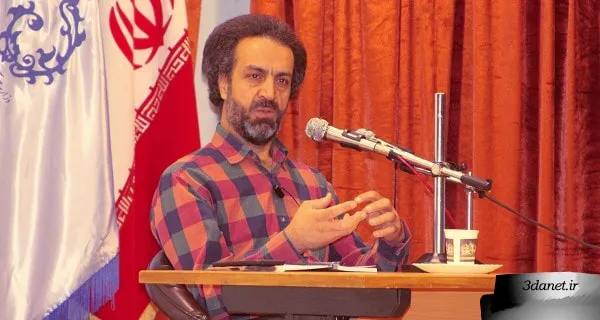
The following text is a rewritten version of a talk delivered by Mohsen Renani to economics students at the University of Isfahan on March 10, 2010. After rewriting, the text was reviewed and refined by Renani.
You can download the PDF of “Mysticism Through the Lens of Economics: The Mode of Producing and Multiplying ‘Eid’ in Life” from here or here.
.
.


Discussion0 comments
No comments yet; let yours be the first voice.