Sociology
The Fall, an essay by Mohsen Renani
Mohsen Renani argues that the Islamic Republic, having passed through three stages of decline, now stands on the verge of collapse, and he deems top-down reform ineffective. The only way to lower the cost of transition and avert a revolution from below, he contends, is a 'revolution from above' and dialogue with society.
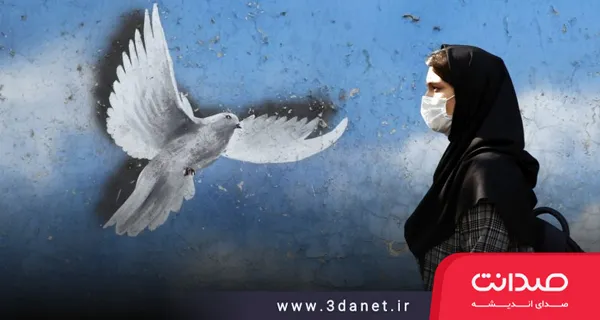
The Fall
Mohsen Renani / 16 February 2023
The fall of any company, organization, or political and social structure has four stages; when the fourth stage occurs, the "event of collapse" concludes. The Islamic Republic has passed through the first three stages of collapse. I do not know how long and to what extent it can, through resistance, violence, and the securitization of society, prevent the realization of the fourth stage; but it can, by changing course, reduce the likelihood of collapse through a "revolution from above" before the fourth stage of collapse also occurs via a "revolution from below."
Introduction:
I wrote this text about two months ago. I was actually hesitant whether to publish it or just send it to the authorities. We all know that the country will eventually pass through the current closed-off conditions, but all our efforts must be aimed at ensuring the government chooses the least costly path for the country's transition. Whether Iran moves toward the experience of Chile and South Africa or toward the experience of Libya and Syria depends first on the government's behavior and then on society's behavior. Iran's national interests require that both sides (the government and society) exhaust all less costly paths. That is, revolutionary and violent transformation must be the last resort. It was with this view that I first sent the initial draft of this text to Dr. Mohammad Javad Zarif and asked him, if possible, to deliver it to the Supreme Leader. I still believe that if officials are confronted with reality starkly, it will unconsciously affect their decisions. But after two months, he messaged that his effort had been unsuccessful. Thus, I decided to rewrite that piece with more elaboration and in more outspoken terms for public release; which is the very text you are reading.
I am publishing this writing so that, on the one hand, the families of those killed and the injured and protesting youth of the Mahsa movement will not be sorrowful, and will know what a tremendous achievement their protest has had, and that in just these few months they have managed to bring about one of the four stages of collapse; and on the other hand, if there are still those within the political system who have transcended the level of psychological excitement and fear and possess the power to view developments rationally, they might see reality more precisely and convey it to the centers of power; perhaps the opportunity for return and convergence has not yet been lost. Because I believe the opportunity for "reform from above" has been lost, but as long as the fourth stage of collapse has not occurred, the possibility of a "revolution from above" is not ruled out. And of course, now only with a "revolution from above" can a "revolution from below" be ruled out; otherwise, a "revolution from below" will naturally occur. The government must know not to be deluded by the current stability of the situation and not to boast, for its time is shorter than it thinks; and it must know that even if, through violent suppression methods, it psychologically despairs this generation, this generation has reached the stage of "existential hope" and can create new hopeful horizons at any moment, so instead of clashing with, suppressing, and humiliating this generation, it should understand it, honor its words, and engage in dialogue with it.
The experience of the last century tells me that if the Qajars had not been overthrown but rather reformed, and if the revolutionaries, instead of deposing Mohammad Ali Shah, had reached an understanding with him on new and firm arrangements for constitutionalism, Iran would now be much further along the path of development. I also believe that if the Pahlavi regime had not fallen and had itself undertaken serious reforms and, before it was too late, had begun dialogue and understanding with the revolutionaries, our country would be much further ahead today.
Today, too, I believe that if the clerical government undertakes a "revolution from above" and begins a genuine dialogue with society regarding the demands of opponents and dissenters for transformation in this structure, the future path of Iran's development will be traversed at a lower cost.
Iran's political system has now passed through three stages of the fall, and "reform from above" no longer works. This is because the precondition for the success of reform from above is the political system being "credible," and the political system has now lost its "credibility" in the minds of a large segment of society. Now, it is only through a "revolution from above" that the system can rebuild its credibility in the public mind, and by doing so, both save the system from a costly collapse and reduce the historical costs of transformation in Iran.
I am, in every sense of the word, a "centrist," and I am publishing this piece based on the mission of "centrism" that I have shouldered for many years. Despite the risk of anger I might provoke from the government by publishing this note, and despite the potential displeasure of many protesting youth or the attacks and insults from those of my compatriots who consider violent overthrow the only path to liberation from the inefficiency and oppression of the ruling system, my intellectual and enlightening duty compels me to loudly declare my warning about the current trend to both sides.
The emergence of a broad spectrum of "centrist" intellectuals and activists heralds the formation of a gelatinous civil society and is a hopeful sign of society entering the "year zero of development" stage, meaning the beginning of society's civil maturity. At the "Border Activists Night," which will be held on the 30th of Bahman to unveil the book "Border Activists" by Dr. Maghsoud Farasatkhah, this esteemed development thinker, I will explain why the formation of a "centrist" elite class is part of the historical necessity of our development process. A class we have been awaiting since the Constitutional Revolution and whose sprouts we are now witnessing. Had this class formed in the 1960s and 1970s, the probability of the 1979 revolution occurring would have been very low. I will discuss why, in a society and political system where parties have no place, the emergence of a class of "centrist" intellectuals, activists, and elites is necessary and hopeful. A few "centrist" elites cannot make progress, but when they become a class, they make historical transformations less costly. Because society always has centrist strata, but when "centrist elites" do not represent them, the centrist strata of society are also forced to join one of the two extreme poles.
The Four Stages of the Fall
The fall of any social system (whether a company, a family, or a political system) has two dimensions and four stages that occur sequentially and in turn. The first dimension is the "mental fall," which has two stages: the "fall of efficacy" and the "fall of competence"; and the second dimension is the "objective fall," which also includes two stages: the "fall of symbols" and the "fall of structures."
The "mental fall" is when the "efficacy" and "competence" of an organization collapse in the minds of its members; and the "objective fall" is when the "symbols" and "structures" of that organization collapse in practice and in reality. For example, in a family, when one or both parties become emotionally disappointed, disheartened, or hateful toward each other and their emotional relationship withers and stops, a "mental fall" has occurred in this family structure (emotional divorce). But when the family actually disintegrates and a practical and legal separation occurs, an "objective fall" has occurred (legal divorce). And of course, the mental fall is the prelude to the objective fall.
Thus, the first stage of the fall is the "fall of efficacy," meaning when the performance of the organization or structure, from the perspective of its members, employees, or stakeholders, has such fundamental crises and flaws that it leads the members to believe that this structure can no longer fulfill the expected duties, missions, and needs. For instance, when a father has not had a proper business for many years or lacks the necessary abilities to resolve the family's economic and social issues, he suffers a "fall of efficacy" in the minds of the family members.
The second stage of the fall is the “fall of merit,” that is, when the glory, worthiness, and moral legitimacy of the managers and the organizational structure collapse in the minds of its members, actors, or stakeholders; meaning they come to believe that this structure no longer even possesses the necessary worthiness and merit to continue its activity. For example, when a father is an addict and repeated attempts at his rehabilitation fail, or he is extremely violent, ill-tempered, and foul-mouthed, or caught up in moral corruption, the moral legitimacy and mental credibility of this father crumbles before his wife and children, and his authority enters the stage of the “fall of merit.”
The third stage is the “fall of symbols.” For instance, in the case of a family, the external symbol of the family is that its members live together affectionately under one roof; they call each other by first names, intimately; they go to the park or to parties together; their wedding day photo hangs on the wall; they buy each other gifts and hold birthday celebrations, and the like. When such “symbols” are absent in a family, others realize that the internal cohesion and empathy of this family has been lost.
The fourth stage is the “fall of structures.” That is, when this family enters a phase of conflict, strife, profanity, violence, estrangement, and resorting to the courts, and the two spouses practically live apart from one another; and the family is not financially supported by the head of the household. Then this situation continues until one of the parties dies or the court issues a divorce decree, and this family structure disintegrates.
I now believe that the Islamic Republic has passed through the first three stages of the fall and is standing on the threshold of the fourth stage.
One) The Fall of Efficacy:
In the first decade of the revolution, the constant justification was that the revolutionary structures had not yet been established and the system had to be given time to find itself and build the necessary structures and processes. They said the system was currently engaged in war and exposed to the onslaught of foreign enemies, and it was natural that it did not have the opportunity to make itself efficacious. This is how all the people tolerated the inefficacies of the regime and, for example, stood in line for half a day to get a twenty-liter can of kerosene and still supported the regime.
After the war, the regime focused on expanding production and development and for nearly two decades (1989 to 2009) tried to showcase its efficacy. Even from the early 2000s, with the deepening of political fault lines among groups within the regime and the formation of an elimination game between the Principlists and the Reformists, the regime concluded that it should abandon the display of merit and focus solely on its efficacy. In my opinion, bringing in the ninth administration, with all the national costs it imposed, as well as entering the nuclear game, was with this very aim of increasing and displaying efficacy domestically and internationally. But with the failure of the ninth and tenth administrations, into whose basket the entire capacity of the regime had been placed (a failure that occurred in all four dimensions: domestic and foreign, economic and political), the regime’s last reserve for displaying its efficacy was also spent.
After the tenth administration, I believe the regime entirely removed the issue of efficacy from its priorities (it likely despaired of the possibility of achieving it) and sought the solution in re-ideologizing and re-revolutionizing the country’s political and social atmosphere. The fact that during the eleventh and twelfth administrations, all other sectors of the regime were mobilized to show that the government was inefficacious, and even through their actions drove the JCPOA to failure and later obstructed its revival, indicates despair or the removal of efficacy from the regime’s agenda. The premature failure of jihadi management in the monolithic thirteenth administration also showed that, in reality and in practice, the regime has reached the extreme end of its period of the fall of efficacy.
Therefore, for nearly a decade and a half now, society has gradually been led, mentally, toward the conclusion that this structure lacks the ability to resolve the ever-increasing daily problems and the looming crises it has itself been instrumental in creating. Today, not only has the system's successive failure in achieving its primary goals become evident (such as the goals set out in the twenty-year vision document, which were heavily publicized), but it has also become clear that the governing apparatus lacks the necessary capability even in managing smaller issues (such as the crisis of the social security system and pension funds, the annual crisis of 17,000 traffic fatalities, the water crisis, the electricity and gas crisis, the crisis of inflation and the continuous, forty-year decline in the value of the national currency, the unemployment crisis, the marriage crisis, the housing crisis, the crisis of the backlog of judicial cases, the economic corruption crisis, the environmental degradation crisis, and so on) and fails repeatedly.
Two) The Fall of Merit:
Society's fascination with the founder prevented the system's merits from being questioned in the first decade. For instance, society practically turned a blind eye to behaviors that fell outside the standards of merit in dealing with critics, opponents, and protesters (behaviors such as the confinement and harassment of Grand Ayatollahs or critical clerics, harsh treatment of opposition parties, the press, and intellectuals, or the unlawful method of operation that occurred in the 1988 executions). After the war, for a decade and a half, the system also tried to simultaneously increase its efficiency and raise and display its standards of merit. Even the revelation of the chain murders of 1998, the admission of error by the Ministry of Intelligence, and the initiation of reforms in that ministry not only did not cause a fall in the subjective index of merit but actually elevated the system's merit index in the minds of the people; because the people saw that despite having major errors, the system still possessed the courage and ability to perform major surgery on itself, so they had not yet despaired of its merit.
However, from the early 2000s, by abandoning the issue of merit and focusing on efficiency, the system practically opened the path to the fall of merit. The dawn of this path was opened with the disqualification of one-third of the representatives of the sixth parliament in the elections for the seventh parliament by the Guardian Council, and then the improprieties of the 2005 elections and the elevation of the ninth government; but it was from the period of the tenth government onwards that, with the emergence of a massive volume of irregularities in the administrative system and a huge amount of financial corruption, and the lack of determination or skill of the political system in curbing them, the fall of the system's merit began in the minds of the people. This fall was then intensified by the discriminatory behavior of the Guardian Council in subsequent elections, as well as in the government's manner of dealing with the three public protests of 2009, 2017, and 2019. The massive volume of illegal and immoral behaviors that occurred in the treatment of protesters by government agents during these three periods of protests, and the government's absolute lack of accountability for those behaviors, further tarnished the image of the government's merit. Furthermore, other instances such as the arrest and presentation of false suspects for the murder of nuclear scientists; the scandal of shooting down the Ukrainian plane without timely clarification; the numerous contradictions between the words and deeds of officials; evasion of accountability for false promises that were made; the lack of apology in crises; and the justification of all failures by resorting to religious concepts, have all acted to intensify the fall of merit.
But I believe that now, in the course of the Mahsa movement, the fall of merit has reached its zenith. Even for past generations who held an attachment to the Islamic Revolution, and even for many self-sacrificing veterans and the families of martyrs, this volume of illegal and immoral behavior has been unbelievable. The violent and unjustifiable treatment of protesters; the killing or injury of some protesters during interrogation without the security and judicial apparatuses being held accountable; the holding of some trials in secret, without appointed lawyers, accompanied by haste, a lack of transparency, and the failure to follow conventional legal processes in these cases; the issuance of sentences disproportionate to the crime, especially the numerous death sentences; the declarations by a large number of lawyers and legal scholars that the method of trial and the speed and severity of the sentences issued for the arrested protesters are illegal and indefensible; attributing everything to foreign intervention and conspiracy and insisting on calling the protests 'riots'; extracting confessions under torture and broadcasting them publicly; the widespread and violent treatment of journalists or people who merely filmed the protests; the dozens of eyes of the country's youth blinded by pellet guns, for which not only was there no simple apology, but it was said that anyone who proves we shot them will receive a reward; the effort to disgrace celebrities; the secret, nighttime burial of bodies and the harassment of victims' families; the arrest and prevention of treatment for the wounded, or the removal of the wounded from hospitals; the failure to investigate and be accountable for the claims of sexual assault by some arrested women, and so on... these are examples of behaviors that have caused a severe fall in the system's merit in the collective mind of society. Even if some of this news is inaccurate or untrue and is rumor, because the system's credibility has been lost among a large part of society, the explanations of official government institutions no longer bring mental acceptance and persuasion to the people. It is for this reason that society's news sources have shifted from governmental sources to those outside the government, and then the sheer volume and variety of the aforementioned news has created a kind of intersubjective consensus in society about the fall of the system's merit.
The fact that nearly a hundred people were killed in Zahedan in a single day and the government did not accept responsibility, instead blaming opposing groups, while simultaneously preventing any national truth-finding committee from being formed to inform public opinion about these killings, has practically intensified the fall of merit. Also, in these past few months, hundreds of protesters have been killed, but the government has evaded accountability for these killings merely by attributing the protesters' behavior to foreign instigation. Even stranger is that an official has said all of these people were killed by foreign agents, without realizing that a government which claims to have strategic depth influence up to the borders of Israel, how can armed foreign-affiliated agents penetrate into the heart of its cities and kill hundreds, and the government cannot provide any evidence of it. The fact that so many figures inside and outside the country have taken a stance against the recent executions, and the fact that we see no matter how hard the government tries to attribute the killing of Kian, a child from Izeh, to terrorist elements, neither society nor even Kian's family accepts this—all of these are signs that society is not convinced, its trust has been lost, and in its collective mind, all these actions are considered symptoms of the fall of merit. Merit is like security; in the matter of security, the feeling of security is what matters, not security itself. In the same way, society's subjective assessment of merit is what matters, not merit itself.
Now the majority of the people have come to believe that this structure has no regard for its own constitution and judicial laws, nor even for the religious-moral principles it promotes. What greater fall in competence could there be? And astonishingly, as soon as the situation calmed down a little and the government gained control, it began to display false self-confidence and once again initiated a period of humiliation, slander, denial, projection, saber-rattling, and security crackdowns. That is, it repeated exactly its behavioral pattern after the protests of 2009, 2017, and 2019, without noticing that it has lost its “believability” with society. A large segment of the people have now reached an unwritten consensus that this government has no reliable behavioral standards and that no one, not even the revolutionary religious individuals who once suffered greatly for this regime, will be respected when they oppose the conduct and interests of the ruling group. The fact that people hear and see in practice that the government divides citizens into insiders and outsiders, first-class and second-class, intensifies the fall in competence.
In fact, the slogan “preserving the regime is the most imperative of imperatives,” which once could have rescued the regime from intellectual and theoretical deadlocks in resolving its problems in the modern world, has now become a tool for the regime’s fall in competence. People now compare the notion of “preserving the regime is the most imperative of imperatives” with the notion of the Mojahedin-e Khalq Organization in the early days of the revolution, which held that “the end justifies the means,” and it was with this notion that it carried out blind and violent assassinations. In my view, the moral legitimacy of the regime has now fallen, among a large segment of the people, to the level of the legitimacy of the Mojahedin-e Khalq Organization in 1981. This means a fall in competence. The government knows this precisely. That is why for many years it has no longer allowed a free election to be held and resists any call for a referendum, and instead of considering it an indisputable right of society, as stipulated in the constitution, it calls it a demand of foreigners.
Three) The Fall of Symbols:
In my view, the most important thing the Mahsa movement did was to push the regime into the stage of the fall of symbols. I believe that among the fifteen historical achievements of the Mahsa movement, the fall of symbols was the most widespread and immediate. The fact that various social groups—from students, athletes, and artists to civic activists—have all ridiculed the regime’s symbols, and that many groups of people, following them, no longer display the regime’s official symbols, is a sign of society entering the stage of the fall of symbols. The burning of government banners or statues; defiance of compulsory hijab by a wide spectrum of women and the display of unveiled photographs by prominent and famous women; the people’s joy at the national football team’s defeat; the refusal to sing the national anthem at certain official ceremonies; the knocking off of turbans; the boycott of government festivals; the severe thinning of crowds at government rallies to the point where they are forced to gather in small city squares; the damaging or removal of official photographs from the walls of many public places; the removal of official photographs from many shops; the fact that school students tear out the photographs at the beginning of textbooks and share the videos in cyberspace; the fact that in classrooms, pro-regime students are no longer dominant and remain silent in the face of sharp criticism from dissenting students; the expression of disgust by some self-sacrificing veterans and martyrs’ families at the government’s behavior; the fact that renowned artists who participated in a government arts festival apologized one by one; the fact that artists and other famous individuals try to avoid any activity that symbolizes cooperation with the government; the fact that the Islamic Republic of Iran Broadcasting, the regime’s most pervasive showcase, has lost its influence and credibility among a large segment of society; the transformation of a symbolic slogan (Death to the Dictator) into the central slogan of the protests; the disappearance of types who, until recently, used to move around universities and public centers wearing Palestinian scarves; the fact that no one in public spaces and schools is willing or dares to play the anthem “Hello Commander” anymore; the fact that we no longer see government symbols and images on the rear windows of any private cars; the fact that every night slogans are written on the city walls and erased by morning; the fact that even on the eve of 22 Bahman, anti-government slogans are chanted; and so on—all are symptoms of the realization of the stage of the fall of symbols.
In a word, the importance and respect for governmental symbols have collapsed in the minds and hearts of a large segment of the people. Symbols that are not in hearts have no value on walls. Right now, in the war of symbols, the government has lost the game.
Four) The Fall of Structures:
The government is now on the threshold of the fourth and final stage of collapse, namely the fall of structures. In the Islamic Revolution, the fall of the Shah's regime's structure began when the major Western governments reached an agreement on the departure of the Shah's government. In fact, while the revolution was raging intensely inside, the Westerners outside also realized that continuing to support and preserve the Shah's regime was no longer possible or beneficial. Therefore, they began negotiations with the leaders of the revolution (such as Ayatollah Beheshti) and army leaders for a peaceful transfer of power. Of course, even if the Westerners had not reached this agreement and the Shah had not left the country, it is highly likely that the Shah, due to leukemia, would not have lasted more than a year or two, and with his death, the fall of the structure would have been realized.
The primary sign of a system entering the fourth stage of collapse is that the system enters a phase of caricatured behaviors, meaning it begins to rehash its previously failed activities under a different name and in another form. Its indicator is that as its "controllability" over the situation decreases, its "flexibility" also declines. Abundant evidence suggests that the system has now clearly exhibited these characteristics. I will give just one example and leave the observation of other instances to the readers: These days, we see on one hand that the government has absolutely no ability to impose mandatory hijab, and women's defiance of this governmental decree has become pervasive everywhere, with markets, streets, and the metro full of women without head coverings, and according to a report by the Majlis Research Center, the number of women who lack hijab by governmental standards has reached over 70 percent (a sharp decrease in controllability); yet on the other hand, in official platforms, instead of opening a path of flexibility and, for instance, mentioning the many jurists who do not consider covering the head and neck obligatory and thereby opening a path for mutual interaction and acceptance, they conversely speak of closing bank accounts and blocking the national ID cards of women without official covering, shutting down shops that serve these women, dismissing managers of offices and banks that provide services to such ladies, and the like (a decrease in flexibility). And now, the announcement of the formation of the "Chaste Life Headquarters" (after the failure of the Headquarters for Commanding Right and Forbidding Wrong) is of the same type of caricatured behaviors that are being repeated.
But when the final fall of the structure will occur depends on events that are numerous, but it is now impossible to predict which one and exactly when they will happen. For example, we do not now know what the outcome of the Ukraine war will be and to what extent Russia will drag us into the quagmire of this war and what its result will be; we do not know when Iran will conduct a nuclear fission test and, if it does, what the West's reaction to it will be; we do not know what behind-the-scenes dimensions the understanding between China and Saudi Arabia has; we do not know what new policy the new Israeli government has in mind and what attacks on Iran's nuclear facilities it is preparing; we do not know, with this volume of global consensus that has formed against the Iranian government after the Mahsa movement, what understanding the great powers will reach behind the scenes; we do not know when the elderly dignitaries of the system will answer the divine call and what the society's reaction will be; we do not know when and with what intensity the massive surge in the dollar price will occur and what the society's reaction to it will be; we do not know, with this enormous budget deficit, what decision the government will ultimately make next year regarding the price of gasoline and what response society will give; we do not know when a shortage of gas, electricity, or water will plunge our cities into cold, darkness, or thirst and what the society's reaction will be. And most importantly, we do not know when the flood that was set in motion during the Mahsa movement, and whose movement has now been halted and whose power has been contained by the construction of numerous judicial and security dams, will, with the next rainfall, break the dams again with multiplied force and set forth. These are all beyond our control, but any one of them could trigger the stage of the final fall of the structure.
Revolution, from Above or Below?
The stages of reconstruction, regeneration, and transformation of a sick social or political system, depending on the severity of the illness, are as follows: recovery, reform, transformation, paradigm shift, revolution from above, and revolution from below. A living social system, exactly like a living body, when it becomes ill, must pass through these stages in order and successfully. If it fails at any stage, it inevitably enters the next stage.
The policies of "recovery" belonged to the Hashemi era, which the internal rivalries of the system either drove to failure or halted. The programs of "reform" belonged to the Khatami era, where the monopolism of the principlists and the radicalism of the reformists ultimately led the country's political factions into a zero-sum game and drove those programs to failure.
The seventh parliamentary elections and the 2005 presidential election were the entry point into the era of "transformation," that is, the beginning of the formal elimination of a part of the system's insiders, which amounted to a kind of surgery (transformation). Then, in the 2009 elections, all the candidates of the 2009 election, each in their own way, had presented transformationist policies and programs. But the inability of the parties to the 2009 conflict to engage in dialogue and reach a political solution, and then the childishness of the ninth government, led the era of transformation astray and drove it to failure.
The 2010s and the Rouhani government were the era of "paradigm shift." But the naivety and totalitarianism of other parts of the power structure drove it to failure. The JCPOA was a point that could have been an auspicious beginning for a domestic and foreign paradigm shift, but they ridiculed it and spoke sarcastically of JCPOA 2 and 3. Even the negotiations to revive the JCPOA were the last opportunity the regime could have used for a paradigm shift, but the thirst for totalitarianism burned that opportunity as well.
And now the regime faces a binary choice: initiating a "revolution from above" by itself or waiting for a "revolution from below" by society. The very revolution that makes the fall of the fourth stage certain and final.
In the quarter-century since I began my intellectual work and activism, from after the era of recovery (the Hashemi era), I have consistently issued warnings about failure in each period, but they were never heeded. Now, too, stubbornly but hopefully, I warn and try to make the regime aware of the necessity of a revolution from above. Because the danger that looms over our country is so great that remaining silent borders on betrayal. In the past ten years, I have also repeatedly raised the issue of the necessity of a paradigm shift, but it was not heard. Now society has moved beyond that level of demands; that is, society's eyes and tongue have not merely opened, but rather the new generation has transformed society's eyes and tongue and has caused a leap in the level of society's expectations. In fact, the Mahsa movement was the endpoint for four incomplete or failed periods in the Islamic Republic: the era of recovery (the Hashemi period), the era of reform (the Khatami period), the era of transformation (the Ahmadinejad period), and the era of paradigm shift (the Rouhani period); in all these periods, the government's procrastination or obstruction, or the rift within the ruling establishment, did not allow the changes to reach a suitable conclusion.
Now all those periods are over and considered failed, and undertaking actions and reforms of the nature of those periods will only be met with society's reaction of irony and ridicule. Recovery, reform, transformation, and paradigm shift require the "credibility of the government." Now the government has lost its "credibility" in all domains in the mind of society. Only one more opportunity remains, and that is "revolution from above." Yes, revolution from above is truly of the nature of a "revolution," but a revolution without bloodshed and upheaval. A revolution that protects the powerful elites from severe, irreversible dangers and harms, and also grants the protesters of the status quo a significant part of their demands and revives hope for meaningful change in their hearts. It also creates a stable outlook for the country so that the brain drain and capital flight stop and the accumulation of capital in all economic, social, cultural, and political domains resumes. Only such a transformation can be the endpoint for the contradictions, restrictions, dissatisfactions, oppressions, angers, hatreds, and past and future vengeances. Undoubtedly, the existence of the psychological strength to make difficult decisions, self-sacrifice, and the expenditure of the social capital of the country's high officials will be the prerequisite for such a transformation.
I will not go into examples, mechanisms, and instances of “revolution from above” so as not to foreclose the options before the government, but undoubtedly one of its primary instances is what I pointed to in my first note at the beginning of the Mahsa movement (The Last Strand of Hair), namely rewriting the constitution with the broad participation of civil elites, in order to rearrange the political system. “Revolution from above” is the very method to which the racist government of South Africa submitted and thereby averted the danger of a violent downfall. It is the very method to which the Chilean military submitted and allowed the country to enter the path of democracy without the revolutionary wrath befalling the former government officials.
If the opportunity for a “revolution from above” is lost, the regime will inevitably enter the fourth stage of collapse, and in a violent and damaging manner at that. Many of the events that occurred during the Mahsa movement, especially the incidents on the Karaj road, had at the very least the outcome of signaling both to society and to the government that if the fourth stage of collapse occurs through a full-fledged revolution from below, it could be extremely violent and bloody.
Concluding remarks:
These days, none of the news we hear bears any sign of “systematic wisdom” on the part of the government. On one hand, the West is rapidly moving toward a global consensus against the Iranian government; for the first time in post-revolution history, Iranians abroad are also moving toward solidarity and coordination in activism and politics. Domestically, we have reached a stage of converging crises, and decision-making in most areas is in a state of suspension and ambiguity. “Passive life” is underway, but “active life” is in abeyance, and everyone is waiting for a transformation or an opening; a transformation they know not what, from a place they know not where. The blades of the scissors are closing in on the government from within and without, and a single incident is enough to bring the two blades of these scissors together.
I do not know to what extent Russia interferes in our strategic decisions; I do not know to what extent those who reap enormous profits from Iran’s sanctions and isolation have influence in decision-making centers; I do not know whether Israel, which has penetrated our most strategic military domains, also has a hidden presence in our political decision-making centers or not; I do not know how much behind-the-scenes political power is held by those whose economic monopolies are secured and guaranteed only under the country’s disordered conditions; I do not know whether the country’s top officials are even aware of the realities of society or not; but I hope none of these suspicions are true and that the governing system can make great decisions unencumbered by these conditions, for now, yes right now, when it once again feels a sense of dominance and power, is the time. When the regime emerged from the “emotional fear” of the Mahsa movement period, the first signs it showed, especially with the start of the executions, were that it was moving from the stage of “emotional violence” into the stage of “ideological violence.” But for a few weeks now, and especially with the recent releases of protesters, signs of entering the stage of “rational fear” have appeared within the government. We still do not know whether these actions stem from the illumination of the lamp of “systematic wisdom” or are behavior born of “tactical alertness.” I hope it signals the beginning of “systematic wisdom.”
To be honest, I do not know why this depth of folly does not depart from within me and I still hope that this structure, detached from reality, will undertake a “revolution from above.” Perhaps I write these things only to console my own heart from the great worries I have. It has been said that hope is no fault in the young; forgive me and let me remain hopeful in my own youth and in this structure’s capacity for transformation.

Discussion45 comments
حرف حق تلخ است
گفته های آقای رنانی از سر دلسوزی است همه ی ماها نگران این کشور این کشتی طوفان زده هستیم نگران جوانان مایوس، نگران امنیت وو.. هستیم امید است با نرمش های قهرمانانه متعدد و انقلاب از بالا هر چه زودتر تا فرصت هست نور امید به جامعه خصوصا جوانان تابیده شود
چرا تصور برخی از افراد از کشورهایی که از سرمایهداری صاحب قدرت نظامی و تحکم رسانهای special interest تبعیت نمیکنند، مطلقا مطابق image اینترنتی است؟ آیا consumerism و فرهنگ تبعیت از دیکته دیگران انتخابی عقلانی، علمی و سودمند است؟ هر کشوری تنبلی و تبعیت از the Establishment را پیشه کار خود نسازد طوفان زده است؟ آیا خود آمریکا توصیه خود به کشور شما را پیش از کسب استقلال 1776 و نگارش the American Constitution طوفان زده نبود؟ چرا طوفان برای آمریکای در حال مبارزه با استعمار انگلیس و ببا کمال تعجب برای انگلیس در جنگ علیه اسپانیای ابر قدرت قرن 17 خوب است اما برای ایران بد؟
جوانی با تعریف happy-go-lucky، کودک را از اوان زندگی در خود غرق کرده و هیچ راهی برای اندیشه و وجدان و انتخاب اخلاقی باز نمیگذارد. جوانی در فضای تحکم تحصیلاتی-فکری-اقتصادی مدرن دیکته شده توسط بی بی سی و media رابرت مرداک، برای افراد خاص انتخاب دانش و فداکاری اجتماعی و در سطح بالاتر انجام وظیفه بر اساس cosmopolitanism ۰(یکسان نگریستن به تک تک مردم جهان (برخلاف حقنه فاشیسم-لیبرالیسم و نسل کشی غربی) را تبدیل به توهمی utopiaئی و عدم عقلانیتی مضحک در نگاه فلسفی غربی میکند. همچنین استبداد فکری که تبلیغ و آموزش حاکم بر ذهن school goerها و آکادمیک ها تحمیل میکند، این غم synthetize شده مصنوعی علیه جامعه ایرانی را به نگاهی غالب تبدیل میکند. دنیا را بر اساس اندیشه ره شده از dictates جامعه سرمایهداری صاحب مدیریت آموزش و تعیین کننده ارزشهای غیر دانش بنیاد بنگریم. آن گاه ایران خود را شاد، پویا و avant-garde جهانی خواهید دید. جوانی که به جای اندیشه و فکر و مسئولیت پذیری سکس و پول پرستی نداشته باشد از دید آکادمیکهای به ظاهر دانشمند و بیکاران خیابانی غمزده است و اهل فکر و مقابله با سواد متظاهرانه غمزده و depressed! نه این گونه نیست. زندگی مورد تبلیغ رسانه و دانشگاه تابع منویات دیگران، زندگی غمبار و زندگی با مسئولیت اجتماعی و متکی بر تفکر و سختی پر از شهد زندگی اخلاقی و متکی بر وجدان است. اگر اندیشه دیگری دارید به متخصصین خود فروخته موفق در دانشگاههای مطرح توجه بفرمایید. All doom and Gloom.اما جلوی شما تظاهر به خوشبختی میکنند. زندگی پر از دروغ و تظاهر زندگی سختی است و این سرنوشت ایرانیان بورس تحصیلی گرفته در آمریکا و کانادااست. اگر تصور دیگری دارید به فحاشی اساتید دانشگاههای مطرح خودتان بنگرید. از طرفی مسابقه فحاشی به ایران و غمبار نشان دادن کشور آبا و اجدادی خود را دارند و از طرفی بر سر افتخار فحاشی به ایران دعوا و فحاشی به هم میکنند. کدام استاد برجسته حوزه اندیشه حتی افراد شبیه خود را قبول دارد؟ این نشان میدهد که دعوا بر سر وجهه اجتماعی و social acceptance است. مسئله شناخت جهان نیست. خودفروختگی و خیانت به جامعه با تزریق ناامیدی گویی وظیفه روز و شب این گونه علاقمندان به رتبه و شأن اجتماعی است.ایران را میکوبند تا خود را بالا ببرند.
پاسخ به درباره ی ادعای عجیب یکی بودن فاشیسم و لیبرالیسم و آن روی سکه ی فاشیسم بودن ادعای عجیب و البته طنز یکی بودن فاشیسم و لیبرالیسم و در کنار هم قرار دادن این دو مکتبی که صد و هشتاد درجه تفاوت و تعارض دارند آن هم با مغالطه و تحریف و تحمیق پنداشتن مخاطب فقط از این طیف غرب ستیز ضد لیبرالی بر می آید که به هر بهانه ای در هر فرصتی مثل اینجا و این مقاله ولو که موضوع بحث اصلا ربطی به لیبرالیسم و غرب نداشته باشد می خواهد لگدی به لیبرالیسم زده و کینه و نفرت و خشم و دشمنی ایدئولوژیک زده و کورکورانه خود را از غرب به طور عام و لیبرالیسم به طور خاص ولو با با مغالطه و تحریف و آسمان به ریسمان بافتن خالی کند . در عرصه ی سیاسی و اجتماعی اصول مکتب لیبرالیسم چنین است : ۱- آزادی اندیشه ۲- آزادی عقیده ۳- آزادی عمل فرد تا آنجا که با آزادی دیگران تعارض پیدا نکند ۴ - اصالت فرد همان طور که می بینید آزادی یکی از مهمترین و رکن های مکتب یا ایدئولوژی لیبرالیسم است . و این مکتب با مکتب و ایدئولوژی تمامیت خواهانه ی فاشیسم که نه فقط قائل به اصالت جمع است که اصلا ضد آزادی و رویکردش یک رویکرد تمامیت خواهانه است کوچکترین قرابت و نزدیکی نمی تواند داشته باشد . البته لیبرالیسم ولو برتری و نقاط قوت بیشتری به نسبت سایر مکاتب و ایدئولوژی ها داشته باشد باز قابل نقد است و مقدس مافوق نقد برخلاف ادیان نیست . اما نقد مبتنی بر انصاف و شواهد و واقعیات آن نه مبتنی بر حب و بغض های کورکورانه متعصبانه و ایدئولوژیک زده حال ادعای بخشی ( نه الزاما همه ی آنها ) از این طیف ضد لیبرال و مخالف لیبرالیسم این است که نمی دانم چون غرب و آمریکای لیبرال و سران آن که ادعای لیبرالیسم داشته اند در ویتنام فلان جنایات و قتل عام ها را کرده و گروههایی مثل داعش و طالبان را که تفکر آنها نیز تمامیت خواه و شبیه به فاشیسم است بر سر کار آورده اند پس لیبرالیسم مسئول این جنایات بوده و با فاشیسم یکی است !!! در صورتی که این ادعا جز مغالطه نیست . این که از عملکرد مدعیان و یا پیروان یک مکتب یا دین بخواهیم آن مکتب و دین را نفی کنیم و بزنیم در صورتی که عملکرد پیروانش ربطی به آموزه ها و باورهای آن مکتب نداشته باشد یک مغالطه ی مبتنی بر مغالطه ی علت جعلی ( cause fallacy) و همین طور تعمیم ناروا بیش نیست که شخص مغالطه گر یا آگاهانه و عامدانه و یا از سر جهل و بی اطلاعی و احساسات نسبت می دهد . درست مثل این می ماند که تمام جنایات و اقدامات غیر اخلاقی و غیرمعقول و نادرست داعش و بوکوحرام و طالبان و سایر این گروههای اسلامی و اسلام گرا را صرفا به دلیل اسلامی بودن ایدئولوژی و مسلمان بودنشان به اسلام و همه یا اکثر مسلمانان و یا حتی همه اسلام گرایان و حکومت دینی مبتنی بر اسلام ربط دهیم ! واضح است که در اینجا هم این ربط دادن تمام اقدامات ( نه برخی ) این گروهها به اسلام و حکومت دینی مبتنی بر آن و حتی همه و یا اکثریت مسلمانان نیز نادرست و مغالطه است . در باب لیبرالیسم هم همین گونه است . اقدامات و جنایات کشورهای استعماری و امپریالیستی غرب و سرانش که ادعای لیبرال بودن داشته اند و یا واقعا لیبرال بوده اند را نمی توان به لیبرالیسم و اصول و مبانی و اهدافش ربط داد . این اقدامات و رویکردها به دلیل رویکرد امپریالیستی و امپریالیسم برخی از دول غربی از جمله امپریالیسم آمریکا بوده است نه خود لیبرالیسم . اتفاقا در مواردی خود لیبرالیسم و اهداف و آرمانش هایش هم قربانی امپریالیسم غرب و اهداف و آن شده است . نخستین دولت خارجی سرنگون شده با توطئه ی خارجی سیا و آمریکا دولت ملی دکتر مصدق می باشد که یک دولت لیبرال بوده است . همین طور دولت آمریکا در طول جنگ سرد بعد از جنگ دوم جهانی حامی تعداد زیادی نظام ها و رژیم های استبدادی و غیر دموکراتیک به لحاظ سیاسی عضو اردوگاه و بلوک غرب بوده که این رژیم ها به دلیل ماهیت ضد دموکراتیک و استبدادی خود نه فقط ضد کمونیست که ضد لیبرال و اهداف و اصول لیبرالیسم مثل آزادی هم بوده اند اما چون در بلوک غرب و همراه آمریکا در مقابل بلوک شرق و شوروی بودند مورد حمایت آمریکا قرار داشتند مثل رژیم شاه حال با توجه به این واقعیات تاریخی و شواهد موجود که خود لیبرالیسم و اهدافش مثل آزادی هم بعضا قربانی اهداف و خوی امپریالیستی برخی دول غربی ولو لیبرال بوده است چگونه می توان ادعای یکی بودن حتی لیبرالیسم و امپریالیسم کرد دیگر چه برسد با فاشیسم ؟! بنابراین اگر جناب عالی و هم فکران شما ادعای این را می کردند که لیبرالیسم آن روی سکه ی امپریالیسم است باز یک چیزی ؛ ولی یک روی سکه بودن فاشیسم و لیبرالیسم یعنی دو مکتب و ایدئولوژی که مثل کارد و پنیر می مانند و کوچکترین نزدیکی و قرابت به هم ندارند به طنز و جوک شبیه است و کوچکترین نسبتی با واقعیت ندارد . ضمن این که لیبرالیسم و دول لیبرال مختص غرب نیستند و ما کشورهای شرقی در آسیا و آفریقا هم داریم که لیبرال هستند . بماند که حتی همه دول غربی هم در طول تاریخ استعمارگر و یا امپریالیست و یا دارای سابقه ی استعماری نیستند . نه فقط امپریالیسم و لیبرالیسم را نمی توان به هم فرو کاست و یکی کرد که حتی فاشیسم با امپریالیسم هم الزاما یکی نیستند . یک دولت امپریالیست ممکن است فاشیست باشد و یا لیبرال مثل آمریکا باشد و یا حتی کمونیسم مثل اتحاد جماهیر شوروی سابق بنابراین حتی امپریالیسم و فاشیسم نیز الزاما یکی نبوده و نیستند و نمی توان امپریالیسم را مساوی و مترادف با فاشیسم گرفت و یک کاسه کرد . چپ ها و کمونیست ها هم ندیدم در تحلیل های خود چندان و زیاد در پی القا کردن یکی بودن امپریالیسم و لیبرالیسم و یک روی سکه بودن آنها نزد مخاطب خود باشند دیگر چه برسد بخواهند لیبرالیسم و یا حتی همان امپریالیسم را با فاشیسم یکی و آن روی سکه هم معرفی کنند !
پاسخ به آقای بابک درباره ی ادعای عجیب یکی بودن و لیبرالیسم آن روی سکه ی فاشیسم بودن ادعای عجیب و البته طنز یکی بودن فاشیسم و لیبرالیسم و در کنار هم قرار دادن این دو مکتبی که صد و هشتاد درجه تفاوت و تعارض دارند آن هم با مغالطه و تحریف و تحمیق پنداشتن مخاطب فقط از این طیف غرب ستیز ضد لیبرالی بر می آید که به هر بهانه ای در هر فرصتی مثل اینجا و این مقاله ولو که موضوع بحث اصلا ربطی به لیبرالیسم و غرب نداشته باشد می خواهد لگدی به لیبرالیسم زده و کینه و نفرت و خشم و دشمنی ایدئولوژیک زده و کورکورانه خود را از غرب به طور عام و لیبرالیسم به طور خاص ولو با با مغالطه و تحریف و آسمان به ریسمان بافتن خالی کند . در عرصه ی سیاسی و اجتماعی اصول مکتب لیبرالیسم چنین است : ۱- آزادی اندیشه ۲- آزادی عقیده ۳- آزادی عمل فرد تا آنجا که با آزادی دیگران تعارض پیدا نکند ۴ - اصالت فرد همان طور که می بینید آزادی یکی از مهمترین و رکن های مکتب یا ایدئولوژی لیبرالیسم است . و این مکتب با مکتب و ایدئولوژی تمامیت خواهانه ی فاشیسم که نه فقط قائل به اصالت جمع است که اصلا ضد آزادی و رویکردش یک رویکرد تمامیت خواهانه است کوچکترین قرابت و نزدیکی نمی تواند داشته باشد . البته لیبرالیسم ولو برتری و نقاط قوت بیشتری به نسبت سایر مکاتب و ایدئولوژی ها داشته باشد باز قابل نقد است و مقدس مافوق نقد برخلاف ادیان نیست . اما نقد مبتنی بر انصاف و شواهد و واقعیات آن نه مبتنی بر حب و بغض های کورکورانه متعصبانه و ایدئولوژیک زده حال ادعای بخشی ( نه الزاما همه ی آنها ) از این طیف ضد لیبرال و مخالف لیبرالیسم این است که نمی دانم چون غرب و آمریکای لیبرال و سران آن که ادعای لیبرالیسم داشته اند در ویتنام فلان جنایات و قتل عام ها را کرده و گروههایی مثل داعش و طالبان را که تفکر آنها نیز تمامیت خواه و شبیه به فاشیسم است بر سر کار آورده اند پس لیبرالیسم مسئول این جنایات بوده و با فاشیسم یکی است !!! در صورتی که این ادعا جز مغالطه نیست . این که از عملکرد مدعیان و یا پیروان یک مکتب یا دین بخواهیم آن مکتب و دین را نفی کنیم و بزنیم در صورتی که عملکرد پیروانش ربطی به آموزه ها و باورهای آن مکتب نداشته باشد یک مغالطه ی مبتنی بر مغالطه ی علت جعلی ( cause fallacy) و همین طور تعمیم ناروا بیش نیست که شخص مغالطه گر یا آگاهانه و عامدانه و یا از سر جهل و بی اطلاعی و احساسات نسبت می دهد . درست مثل این می ماند که تمام جنایات و اقدامات غیر اخلاقی و غیرمعقول و نادرست داعش و بوکوحرام و طالبان و سایر این گروههای اسلامی و اسلام گرا را صرفا به دلیل اسلامی بودن ایدئولوژی و مسلمان بودنشان به اسلام و همه یا اکثر مسلمانان و یا حتی همه اسلام گرایان و حکومت دینی مبتنی بر اسلام ربط دهیم ! واضح است که در اینجا هم این ربط دادن تمام اقدامات ( نه برخی ) این گروهها به اسلام و حکومت دینی مبتنی بر آن و حتی همه و یا اکثریت مسلمانان نیز نادرست و مغالطه است . در باب لیبرالیسم هم همین گونه است . اقدامات و جنایات کشورهای استعماری و امپریالیستی غرب و سرانش که ادعای لیبرال بودن داشته اند و یا واقعا لیبرال بوده اند را نمی توان به لیبرالیسم و اصول و مبانی و اهدافش ربط داد . این اقدامات و رویکردها به دلیل رویکرد امپریالیستی و امپریالیسم برخی از دول غربی از جمله امپریالیسم آمریکا بوده است نه خود لیبرالیسم . اتفاقا در مواردی خود لیبرالیسم و اهداف و آرمانش هایش هم قربانی امپریالیسم غرب و اهداف و آن شده است . نخستین دولت خارجی سرنگون شده با توطئه ی خارجی سیا و آمریکا دولت ملی دکتر مصدق می باشد که یک دولت لیبرال بوده است . همین طور دولت آمریکا در طول جنگ سرد بعد از جنگ دوم جهانی حامی تعداد زیادی نظام ها و رژیم های استبدادی و غیر دموکراتیک به لحاظ سیاسی عضو اردوگاه و بلوک غرب بوده که این رژیم ها به دلیل ماهیت ضد دموکراتیک و استبدادی خود نه فقط ضد کمونیست که ضد لیبرال و اهداف و اصول لیبرالیسم مثل آزادی هم بوده اند اما چون در بلوک غرب و همراه آمریکا در مقابل بلوک شرق و شوروی بودند مورد حمایت آمریکا قرار داشتند مثل رژیم شاه حال با توجه به این واقعیات تاریخی و شواهد موجود که خود لیبرالیسم و اهدافش مثل آزادی هم بعضا قربانی اهداف و خوی امپریالیستی برخی دول غربی ولو لیبرال بوده است چگونه می توان ادعای یکی بودن حتی لیبرالیسم و امپریالیسم کرد دیگر چه برسد با فاشیسم ؟! بنابراین اگر جناب عالی و هم فکران شما ادعای این را می کردند که لیبرالیسم آن روی سکه ی امپریالیسم است باز یک چیزی ؛ ولی یک روی سکه بودن فاشیسم و لیبرالیسم یعنی دو مکتب و ایدئولوژی که مثل کارد و پنیر می مانند و کوچکترین نزدیکی و قرابت به هم ندارند به طنز و جوک شبیه است و کوچکترین نسبتی با واقعیت ندارد . ضمن این که لیبرالیسم و دول لیبرال مختص غرب نیستند و ما کشورهای شرقی در آسیا و آفریقا هم داریم که لیبرال هستند . بماند که حتی همه دول غربی هم در طول تاریخ استعمارگر و یا امپریالیست و یا دارای سابقه ی استعماری نیستند . نه فقط امپریالیسم و لیبرالیسم را نمی توان به هم فرو کاست و یکی کرد که حتی فاشیسم با امپریالیسم هم الزاما یکی نیستند . یک دولت امپریالیست ممکن است فاشیست باشد و یا لیبرال مثل آمریکا باشد و یا حتی کمونیسم مثل اتحاد جماهیر شوروی سابق بنابراین حتی امپریالیسم و فاشیسم نیز الزاما یکی نبوده و نیستند و نمی توان امپریالیسم را مساوی و مترادف با فاشیسم گرفت و یک کاسه کرد . چپ ها و کمونیست ها هم ندیدم در تحلیل های خود چندان و زیاد در پی القا کردن یکی بودن امپریالیسم و لیبرالیسم و یک روی سکه بودن آنها نزد مخاطب خود باشند دیگر چه برسد بخواهند لیبرالیسم و یا حتی همان امپریالیسم را با فاشیسم یکی و آن روی سکه هم معرفی کنند !
کشور شما از آشویتس و demogogy عوام فریبی سطح روشنفکری جان سالم بردر آورده و از strategem آکادمیک professionalism شهرت طلب و فریبکار دانشگاهی نیز گذر خواهد کرد .گرچه که این گذر با از دست دادن فرصت علم آموزی و اندیشه که تحت نام ساینتیزم و در کلام the accademic set (جامعه دانشگاهی)، علم (pseudo-science شبه علم) ارائه می شود و جوانان اندیشمند صادق بسیاری مانند احسان شریعتی ها مانند حتی پسر جوان آقای دکتر سروش با خود در متافیزیک یونانی و جزم طبیعت انگاری مکنون سردگم می سازد. شکست هزاران باره سیسرو ها، پروتاگوراس ها، Spinocizm (در پشت کردن غرب به دکارت و رشنالیسم)و Aristotolism (در شکست تجربه گرایی و منتج شدن به شک گرایی معرفت شناختی)و شکست Epicurism در تلاش کواین ها و کارنپ ها برای ارائه تبیینی از معرفت در بخشی از آکادمیای روز دپارتمانهای شیکاگو و میشیگان و ایرلند در گوشه کنار محافل فلسفی دنیا منجر به شق چارمی اضافه بر سه راهی فرایز که پاپر و لری لادن و بسیاری از شیوخ فلاسفه forefrontجهان مطرح کرده اند شده است. شاید The Sun may rise from somewhere else. این دستگاه زیراکس فلسفه درجه هشت در ایران هم در آینده مثل همیشه با تکیه بر فرهنگ آرایانپور مضحک دانشگاه تهرانی رو به روشنگری خواهد آورد. اما نه به عنوان نقد و اندیشه ، بلکه بعنوان دستگاه زیراکس افکار افراد مشهور در فلسفه دنیا. سطح مادون تخصص ، یا سطح روشنفکری و افراد دنباله رو آنها را نمی شود کاری کرد ا« ها همیشه نقش آشویتس و strangulationism اختناق و ایجاد هراس در دل عوام را بازی خواهند کردتا سروش ها و طباطبایی ها .. متاسفانه شغل و تظاهر اجتماعی خود را حفظ کنند.
پاسخ به همه کسانی که مدعیات جناب رنانی را محصول شبکه های اجتماعی یا غیر واقعی و ... خوانده اند : خوش بود تا محک تجربه آید به میان / تا سیه روی شود هر که در او غش باشد - راستی آزمایی اینکه حداقل 80 درصد ( و بلکه 95 درصد ) مردم مخالف سیاست های حکومت هستند ، نیاز به بحث و جدل ندارد . راهکارهای ساده آن مشخص و معلوم است : 1- اجازه دادن برای یک راهپیمایی سکوت 2- برگزاری انتخابات آزاد ( و نه انتصابات ) و قلع و قمع نکردن نامزدها . همین مثلا سیرک انتخابات خبرگان و مجلس را تبدیل کنید به یک انتخابات واقعی - حالا تلویزیون خصوصی و فعالیت ازادانه احزاب و تشکل های مدنی و... پیشکش . لب کلام : همه کسانی که گمان میکنند مخالفت 80- 95 درصدی دروغ است ، جوک نگویند ( البته جوک واژه خیلی قشنگ و لطیفی است ) . در واقع ... نگویند . خوش بود تا محک تجربه آید به میان / تا سیه روی شود هر که در او غش باشد
آفرین درست است. مخالفان حکومت 95 درصد هستند. اگر کسی سکوت میکند که به معنای طرفداری از نظام نیست. این جامعه خیل عظیمی از افراد مخالف ساکت دارد که دیگر هیچ امیدی به بهبود نظام ندارند و به طور کلی از آن نامید شده اند.
محسن رنانی « اصلاح » و « انقلاب » و اقسام و شرایط هر یک از دید خود را تشریح نکرده است ؛ فروریزی « کارآمدی » و « شایستگی » را مصداق « سقوط ذهنی » و فروریزی « نمادها » را مصداق « سقوط عینی » آورده است ، بی آن که انگاره غیرمتعارف خود از عینی و ذهنی را توضیح دهد و .... در مجموع نوشته ای مبهم و سست است که به شناخت وضع کنونی ، به چاره اندیشی برای تنگناها و به تشریک مساعی هماهنگ کمکی نمی کند ؛ نماد آشفتگی فکری است ، نه زلال و مستدل اندیشیدن .
این مقاله هم نواقصخود را دارد.حتی برای تحقق اهداف ایننویسنده نه پولی هست نهاشاره ای به پوست اندازی ظاهری یعنی استفاده از نیروهای جدید.حتی امیدبه ازادی احزاب...اشارهای نشد.برای حل این مضلات وسط باز بودن کافی نیست .قدم اول عشق به ایران غزیزاست.قدم دوم حل بخشی از نیازهای مردم ایران جهت ایجاد امید است ... متشکرم دبیر اخراجی
باسلام ، با گزاره های دروغ و یا تحریف شده و واهی مشخصاً نتیجه ای جز سقوط برداشت نمی شود ، سطح نوشته در حد دانشجوی ترم یک علوم سیاسی بود. اقبالی ، ارشد اندیشه سیاسی
هرچند نسبت به وضع اقتصادی نقد دارم اما بیشتر از آن دلم برای اصل انقلاب که گروگان مدیران نالایق و بی کفایت کنونی و اساتید ورشکسته علمی که نمیتوانند نه تنها واقعیت های موجود و نه حقیقت مسائل را فهم کنند می سوزد....
آقای رنانی نوشتند اگر قاجار براندازی نشده بود در مسیر توسعه جلوتر بودیم. بنظرم هر چی زودتر بساط انتلکتوئال بازی رو جمع کنید و دیگه این مزخرفات رو تحویل جامعه ندین.
کی جماعت انتلکتوئال میخوان بفهمن که با لفاظی با کلمات نمیشه نتیجه ای گرفت؟! همچین مرحله به مرحله شرح دادین انگار. علم فیزیکه مراحل ذوب یخ رو توضیح دادین! هیچ وقت جامعه شناسی اینقدر ساده نیست، اگه منطق شما درست بود باید چندین سال میبود که نظام سقوط کرده بود
احسنت بر آقای رنانی: جانا سخن از زبان ما میگویی کاش از آن بالا گوش شنوایی باشد
جمع بندی آقای رنانی در پایان مقاله بیش از آنکه برگرفته از واقعیت و شناخت ایشان از حاکمیت باشد، بیشتر دغدغه و نگرانی یک استاد و شهروند دلسوز نسبت به جامعه ی در حال فروپاشی است. من هم معتقدم انقلاب از بالا هنوز ولو خیلی ضعیف محتمل تر است چرا که تغییر رژیم با فروپاشی اقتصادی و هجمه بین المللی فرسایشی خواهد بود و نتیجه آن از بین رفتن جمع زیادی از هموطنان خواهد بود. امیدوارم انقلاب از بالا اتفاق بیفتند اگرچه ناامیدم از این اتفاق تاریخی و...
این یک تحلیل کاملا آکادمیک بوده و بدرستی سقوط یک سیستم رو شرح میده که فقط به نظام ج.ا اشاره نداره بلکه شامل تمامی ساختارهاست. این یک هشدار در مورد نحوه اصلاح امور رو شرح میده ولی ظاهرا به مذاق برخی ها خوش نیامده و خاکستر ایدئولوژی چشمانشان رو کور کرده و احتمالا منافع مادی موجب اضافه وزنشان شده و سرمای زمستان سختی که به اروپا نوید میدادند را رو استخوانهایشان حس نمیکنند.
مردم اگر شرایط را درک کنند قطعا با همه چیز کنار می آیند. ولی الان به هیچ عنوان نمی توانید مردم را قانع کنید. در نهایت آنها می پرسند چرا هیچ مجرم اقتصادی تا حالا اعدام نشده و جوابی برای این سوال نیست.
در جامعه شما هر گونه اندیشه جدید که در چارچوب نگاه دانشگاهی ارائه شده به وسیله اساتید خاصی نباشد را ایدئولوژی میخوانند و در دم سرکوب میکنند. آن چه نسخه ایرانی علم است خود ایدئولوژی خطرناک تری است. با توجه به موضع سرکوبگرانه ای که باور کرده اید شاید مناسب نباشد که یادآوری شود که علم mainstream science m علم رایج و رسمی در جهان امروزاکنون ایدئولوژی است نه آن چه نگاه های alternative. با وجود شکست پروژه پوزیتیویسم در 1946 , و اعلام شکست این نحله فلسفی، روش و محتوای پوزیتیویسم به شکل مکنون و غیر رسمی و بدون نام آن حاکم بر نگاه افراد غیر متخصص و حتا متخصص است. تفاوت این دو این است که متخصصین نام های متفاوتی بر پروژه های ابطلال شده میگذارند. با بیان پوزش از شما، بدون این که قصد شما این باشد دچار ایدئولوزی قویتری هستید، اما از آن ناآگاهید. متافیزیک اتمیسم دموکریتوس در طول حدود 3000 سال گذشته با نام های متفاوتی در میان افراد دانشگاهی که تلاش برای جدا کردن راه علم و پایه گذاری متافیزیک مسقل و در دورانی رد متافیزیک داشتند در آثار و بیان های بهظاهر علمی زنده مانده است، گاهی با نام nominalism، گاهی با نام کنار گذاردن mythology و گاهی اسامی مانند تجربه گرایی و فیزیکالیسم. این ادعا را به جامعه علمی و فلسفی جهان شناساندن و متقاعد کردن آنان به نتیجه ای که کارنپ، دموکریتوس، هیوم و فیزیکالیست ها رسیدند و آن غیر ممکن بودن بنا نهادن معرفت بر تکیه گاهی مدعی ساینس خالی از ارزش ها و متاافیزیک است بوسیله بسیاری افراد کلید خورد. اما با توجه به جذابیت ادعای اتوریته ساینس و جلوه فریبنده تخصص علمی و مزایای اتخاذ موضعی منزه از متافیزیک میان افراد غیر متخصص و عوام، mainstream science و فلسفه آن هنوز طرفداران زیادی دارد.
جناب رنانی! شما هم زندانی هستید،زندانی شبکه های اجتماعی! واما زمان!زمان بهترین قاضی است،امیدوارم مثلا اگر در بهمن ماه ۱۴۲۱ یعنی ۲۰سال دیگه این یادداشتتون را جلوی خوددتون بگذارند حداقل انصاف را رعایت کنید واشتباهتون را قبول کنید...
آقای رنانی گویا هم استاد اقتصاد هستند هم استاد جامعه شناسی هم استاد علوم سیاسی هم استاد سیاست گذاری هم استاد روانشناسی هم استاد مدیریت هم استاد تاریخ هم استاد علوم تربیتی هم استاد خانواده هم استاد حکمرانی و خلاصه از این یادداشت سراسر سوگیرانه و غیر علمی و غیر قابل استناد و ضد انقلابی که از روی حقد و کینه و حسد و غضب نسبت به راهپیمایی پر شور چند ده میلیونی ملت ایران در ۲۲ بهمن ماه سال ۱۴۰۱ نوشته شده مشخص است که ایشان ساحت علم و دانش و دانشگاه را هم زیر سوال بردند و ذره ای برای فهم و درک و سواد و شعور مخاطب و خواننده ارزش قائل نشدند. جناب رنانی! بهتر نیست بجای پرداختن به موضوعات و مسائلی که هیچ تخصصی در آن زمینه ها ندارید به همان مسأله اقتصاد بپردازید و گند و افتضاحاتی که هم فکران و هم اندیشان خودتان در دولت آقای حسن فریدون (حسن روحانی) برای مردم و کشور را تحلیل کنید و از عدم کارآمدی و ناتوانی و خیانت هم فکران خودتان یادداشت بنویسید ؟! محمد رستگارفر پژوهشگر سیاست گذاری عمومی و حکمرانی به امید اینکه سایت صدانت این نظر من را منتشر کند.
در حال حاضر درست است که مردم همگی بدنبال روزنه ای از سمت بالا میگردند ولی خدا نکند که روزنه ای مانند حماسه مهسا از پایین یا چپ و راست بوجود آید اینجاست که به هیچ تحلیل و ادعای چپ و راستی نگاه نمیکند و مانند سیل راه خودش را باز میکند
شما هم نگران نباشید شاید روحانیون انسانهایی بسیار خوبت تر از آنکه ما می پنداریم باشند ولی مسلما به درد تدریس در حوزه میخورند نه حکومت داری که نیاز به سواد و علم خاص دارد
این حکومت اصلاح پذیر نیست.اگر کمی به جامعه و کشور فکر کنند و منافع را در نظر نگیرند بعترین گزینه با مراجعه به رای مردم و قانون اساسی جدید مبتنی بر تکثر افکار و ... شکل بگیرد. آینده روشن خواهد بود و مدیران سیستم فعلی نیز می توانند در غالب یک حزب سیاسی در اینده مشارکت داشته باشند
استاد رنانی بدرستی میداند که حکومت اصلاح ناپذیر هست اصلاحی که دردش کمتر از انقلاب از بالا هست و در آخر هم اذعان دارد که تصور و انتظار انقلاب از بالا توهمی بیش نیست و این حکومت بدلیل اهداف فراانسانیش یعنی حکومت جهانی مهدی محکوم به رفتن هست و وشکافهای وجودیش منتظر یک زلزله 4 ریشتری از سوی مردم برای فروپاشی هست
راستش من هوشیاری تاکتیکی می دانم تا خردمندی سیستماتیک.. زیرا اصلا چیزی به نام سیستماتیک ما نداریم که حالا خردمندی داشته باشیم ! این حکومت بیشتر تاکتیک می داند تا سیستم . چون در جنگها شرکت کرده و اصول تاکتیک را می داند .. سیستم بر مبنای "تکنیک" عمل می کند و نه "تاکتیک" ..