Philosophy
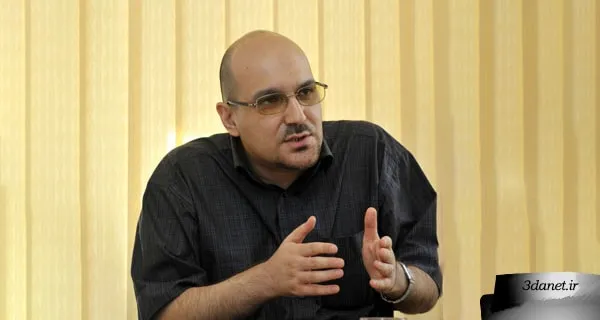
Philosophical Inquiry or Ideological Struggle: An Essay by Mohammad-Mansour Hashemi on Aramesh Doustdar
Hashemi examines Aramaish Dustdar's ideas on the relationship between Iranians and the modern world, distinguishing between religious insight, scientific perspective, and philosophical thought that keeps the question alive. The critique of Dustdar's works on religious culture and intellectualism is also explored.


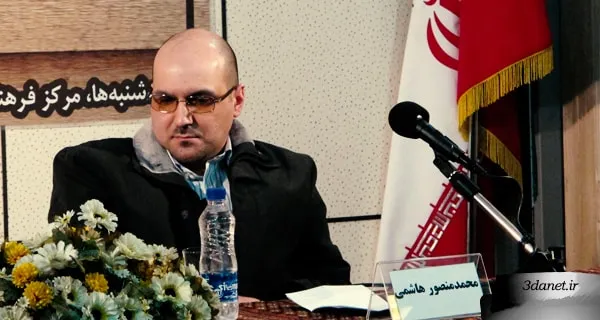
Mohammad Mansour Hashemi
AuthorPhilosophical Inquiry or Ideological Struggle
Written by Mohammad-Mansour Hashemi
Published in Talash Magazine (Germany)
Aramesh Doustdar is one of the thinkers of Iran in our time, in the sense that he has endeavored to reflect on the historical relationship of Iranians with the modern world and to elucidate our situation vis-à-vis the West. The result of this endeavor is his critiques and opinions on Iranian culture and a theory reflected in his works. In this essay, I will first provide a brief introduction to Doustdar, his works, and his ideas, and then I will offer some observations in critique of his works and theory.
Aramesh Doustdar, who completed his philosophical studies in Germany, was a member of the philosophy group at the Faculty of Literature and Humanities at the University of Tehran before the revolution. His published works from that time—as far as I know—consist of two translations and one authored article. One of the translations is on philosophical anthropology[1], and the other is Martin Heidegger's important and famous interview with Der Spiegel magazine[2]. This translation is also familiar to the next generation, as it was cited in a book about Heidegger after the revolution[3]. His authored work is titled "Who is Nietzsche's Madman?" and was first published in the Journal of Philosophy[4]; it is a readable article interpreting the most famous section of the book The Gay Science (Die fröhliche Wissenschaft), a major work by Nietzsche. Although Doustdar's interpretation is one possible interpretation of this text (and other interpretations have been made and can still be made), it is, in its own right, a serious and noteworthy interpretation.
After the revolution, Doustdar published the book "Philosophical Considerations on Religion, Science, and Thought: Religious Insight and Scientific View"[5], which was originally written before the revolution but did not have the opportunity for publication on the eve of the revolution and was published in 1980. Thus, this work should actually be considered among the author's pre-revolution works.
After the revolution, Doustdar left Iran and first under the pseudonym Babak Bamdadan and later under his own name, published articles in Persian-language periodicals outside Iran[6]. The compilation and arrangement of these resulted in two books: "Dark Gleams"[7] and "The Refusal of Thought in Religious Culture"[8]. Although these two books were not published in Iran, they have been read there over time[9], and it can be said that Aramesh Doustdar is today a well-known figure among intellectuals in Iran; a figure who has gained prominence particularly due to his radical ideas about religion and religiosity—which are entirely different from (and even opposed to) the ideas of all other Iranian thinkers[10].
What does Doustdar say? A review of the three aforementioned books can serve as an answer to this question and provide an outline of his concerns and ideas.
"Philosophical Considerations on Religion, Science, and Thought" is an attempt to demonstrate and highlight the differences between science, religion, and philosophy. However, addressing this latter category is deferred to another volume, which unfortunately was never published. In the book, philosophy—upon whose method the book is based and which "necessarily" determined the "mode of its considerations" from the outset[11]—is only dealt with in passing, but the essential differences between what Doustdar calls religious "insight" and scientific "view"[12] are examined in detail.
In his words,
“Religious insight says religion is insight, and it thinks this insight based on the notion of creation from nothingness. The scientific view says science is a view, and it grounds this view on the independent existence of nature. Philosophical thinking… neither says that only philosophy is thinking, nor that thinking is only philosophy; rather, philosophy is a kind of thinking.”[13]
In Doustdar’s interpretation, the common ground among religion, science, and philosophy is that all three confront the question: what is the world, and how is it?[14] The point of divergence among the three lies in how they answer this question. Religion always knows the world in advance and, in fact, has a ready-made answer to this question, because it is dependent on the sacred and its word[15]. The whatness and howness of the world in religious insight are precisely what the sacred determines. Thus, in his words, within religious insight, the question as a question never finds an opportunity to be posed, and inquiry in religious insight remains at the level of seeking information[16]. The scientific view, which is based on empirical and experimental method, always knows the world after the fact[17]. That is, it confronts the world as a problem and seeks to solve it. In the scientific view, too, the question, after the world is known, will no longer be a question[18]. Therefore, based on this, one can conclude that religion and science, through this manner of dealing with the question, annihilate it in two different ways. In Doustdar’s view, it is only in philosophical thinking that the question remains a question:
“Thinking is philosophical when it arises from the question and remains steadfast within it. Thinking that does not remain in the grip of the vitality of the question is never philosophical. Conversely, the answer in religious insight and the scientific view—the philosophical answer not only does not negate the nature of the question, nor does it destabilize it or make the matter in question easier, but rather makes it deeper, more complex, and more difficult.”[19]
For those familiar with philosophy, the Heideggerian resonance of the above phrases does not go unheard. Philosophy for Doustdar has a Nietzschean-Heideggerian hue and is more than mere logical critique, as he says about logic:
“Logic as deductive thinking never has a path to the being of matters. It is fundamentally incapable of thinking these questions, let alone grounding them in their mode of being.” [20]
In this book, Doustdar specifically tries to show that religious insight (as well as the scientific view) cannot be compatible with philosophy, and the two stand in opposition to one another:
“If we say that philosophical thinking lives by the force of the question, we can say that religious insight will die a certain death as soon as the force of the real question is liberated within it.”[21]
In his view, philosophy is essentially born of the Greek outlook, which was not religious, and perhaps in this sense one can say that philosophy is fundamentally Western[22]. The book in question elaborates on the characteristics and limitations of religious insight and the scientific view and goes no further than this. Drawing conclusions from it and theorizing based on it is something Doustdar does in his two subsequent books.
Dark Brilliances is, from one perspective, a continuation of the previous book. If in that book the difference between religion and philosophy was made evident, in this book their opposition becomes apparent, and the author’s effort is to move from an abstract discussion about the nature of religion toward a discussion about our history and culture. Of course, in terms of tone and expression, the book cannot be considered a continuation of the previous work. Unlike the previous book, which had a measured tone, this book has an aggressive tone, and its expression is also obscure.
Dark Brilliances is, in fact, a critique of the state of thought in Iran. This critique encompasses contemporaries such as Ahmad Fardid, Dariush Shayegan, Reza Davari, Hossein Nasr, Hamid Enayat, and Jalal Al-e Ahmad, as well as earlier figures like Fath-Ali Akhundzadeh, and goes back to past centuries and outlooks such as esoteric insight and individuals like Naser Khosrow.
In Doustdar's view, Iranian thinkers have never been able to play the role of the thinker or fulfill their intellectual duty. As he puts it, the intellectual faces two things: everydayness and religiosity[23] and has no duty other than confronting these two. Yet throughout history our thinkers have been religious-minded, and our intellectuals have been caught up in everydayness.
By his definition,
"The everyday person is one who neither knows nor thinks beyond the sphere of present influences and the needs of the environment surrounding his life. He does not know in the sense that his knowledge generally does not transcend such a boundary; he does not think in the sense that he thinks exclusively within such a boundary, to the extent of his ingrained needs, neither beyond it nor outside it."[24]
And religiosity, by his definition, is
"that inner conduct and behavior which still retains a major characteristic of the religious principle without being aware of the origin of this characteristic. This characteristic consists of an alien approach to questioning and knowledge of matters. To put it more simply, religiosity means that behavior which understands matters without questioning and knowledge. Therefore, religiosity, insofar as it claims understanding in the serious sense of the word, is not confined to the common people but is exclusive to the elite."[25]
Religiosity is, of course, not equivalent to being religious, and based on Doustdar's views, the relationship between the two must be one of absolute generality and specificity. That is, according to his definition, every religious person must be religious-minded, but not every religious-minded person is necessarily religious, just as he considers a Marxist—who is opposed to religion and being religious—but who does not question and is devoted to his ideology, to be a religious-minded person without religion.[26]
Based on the above, Doustdar attempts to carry out his intellectual duty, meaning he tries to pose a question beyond everydayness and in opposition to religiosity. His question can be expressed as follows: What is the relationship of our culture to the religious outlook, the scientific view, and philosophical thought? His answer—which is also the core message of the book—is this: our entire culture is religious. The consequence of this is also clear: our history and culture are alien to thought.
In Aramesh Doustdar's view,
"Our Iranian-Islamic culture has been fundamentally religious in its developments and has remained so of necessity."[27]
This matter is not exclusive to the Islamic period and also encompasses ancient Iran:
"The only real connection we have with ancient Iran is the religious vein within which Islamic blood has been pulsating for centuries."[28]
This religious character has features that must not be overlooked in examining our culture. When a religious system governs a society and culture:
"A network of indisputable and homogenizing values weaves itself from within and without into the texture and structure of society and holds it in the grip of its force, or in fact molds the texture and structure of society by making its individuals uniform and identical. In such a network, there is no I, you, or he. Differences are eliminated. Everyone becomes of one heart and one soul in a single position, which is 'we,' so that the wishes of the higher realm may be realized."[29]
The conclusion of this discussion can be nothing other than that
"Our native religious culture, having been born dead, will remain dead." [30]
"The Refusal of Thought in Religious Culture" is nothing but an elaboration on the aforementioned issues and conclusion. In this book—whose tone and expression resemble those of Dark Splendors—the author undertakes a historical examination of Iranian culture and, by raising philosophical points and historical evidence, paints a picture of the state of thought in Iran over time. Also, in this book, special attention is paid to Muhammad ibn Zakariya al-Razi and the chapter on Borzouyeh the Physician from the book Kalila and Dimna, as these are instances of opposition to religiosity in Iranian culture. The core message of this book is likewise the negation of religion, which has constricted the space for thought in our culture:
«دین آن پنداری است که آدمی را معطوف به نیروی برتر و مطلق و عاطف بر آن میشناسد و آن نیرو را به نحوی منشا اندیشه، کردار و رفتار آدمی و موجب رویدادها میداند. اگر چه این تعریف از جمله نه در مورد بودیسم صدق میکند و نه در مورد شینتوییسم و نه در مورد دین یونانی، اما دین زرتشتی و هر سه دین سامی را به هر سان در بر میگیرد.»[31]
«ظلمت هر اعتقادی… حقیقت آن اعتقاد است. حقیقت بدین معنا آن ناپرسیده و نادانستهای است که با احاطه درونیاش بر ما فرهنگی میشود، یعنی احساس جمعی را تسخیر میکند و شالوده اعتقاد را میریزد. فرهنگ مبتنی بر چنین اعتقادی را من اصطلاحاً دینی مینامم و فرهنگ ایران را در سراسر تاریخش بر این بنیاد اعتقادی متکی میدانم.»[32]
«مساله این است که اگر سوائق و شخصیتهای فرهنگی ما به معنایی که تا کنون توضیح دادهایم دینی باشند و فرهنگ دینی ماهیتا هر گونه رشد آزاد لازم برای تفکر را غیر ممکن میسازد و در نتیجه آنچه ما در تاریخ خود تفکر مینامیم چیزی جز تخیل و توهم نباشد آن وقت تکلیف ما چه خواهد بود که در و با چنین فرهنگی به هدر رفتهایم؟» [33]
با همین پرسش گزارش آثار و آراء دوستدار را میتوان تمام کرد و به بررسی و نقد آنها پرداخت.
یکی از وجوه مثبت آثار دوستدار پرهیز اوست از خلط مباحث و مسائل فرهنگها و دورههای مختلف. این توجه که علم و دین و فلسفه اصولاً غیر از یکدیگرند و هر یک قواعد خاص خود را دارد امر درستی است که او از همان نخستین گامهایش در عرصه تحقیق و تألیف بر آن تأکید کرده است. همچنانکه دقت او و هشدارهایش برای اجتناب از خلط مفاهیم سنتی و مدرن بجاست. نقدهایی هم که بر اساس این سنخ دقتها درباره آثار روشنفکران و اندیشمندان ایران مطرح میکند قابل توجه است و خواندنی. همچنین بصیرتهایی که گاه درباره خیام و حافظ و هدایت و نیما به دست میدهد مغتنم است و انتقادهایی که از «بیدینان» ما میکند جالب[34]. در تأکیدش بر ضرورت تفکر آزاد هم جای مناقشهای نیست. از اینها مهمتر اصل خواست او یعنی طرح پرسش از گذشته هم خواستی است کاملاً موجه و مفید. او درست می گوید که اگر با گذشته خود نقادانه مواجه نشویم:
«از نظر فرهنگی همچنان بیتاریخ خواهیم ماند و از سمت باربر محض برای ارزشهای گذشته فراتر نخواهیم رفت. در این صورت وظیفه ما نیز هرگز از حد حفظ کردن تاریخ به هر دو معنای کلمه یعنی نگهداری صرف آنچه همیشه بوده و به خاطر سپردن روایتهای مربوط به آن تجاوز نخواهد کرد. اما اگر قرار باشد فرهنگمان را تاریخی کنیم و آن را از تحجر گذشتگی برهانیم باید با آن روبرو شویم و درافتیم. نسلی که با گذشته هماوردی و از این طریق خود را تاریخی میکند نه حافظ فرهنگ بلکه عامل تاریخی کردن آن میشود.» [35]
در کنار این وجوه مثبت، آثار و آراء دوستدار به تصور من دو مشکل بزرگ دارند[36] و عنایت به این دو مشکل کل پروژه فکری او را با پرسشهایی اساسی مواجه میکند و آن را معیوب و مخدوش مینماید. مشکل اول در فاصله گذاری قاطع اوست میان علم و دین و فلسفه به نحوی که گویی هیچ روزنهای از یکی به دیگری نیست و مشکل دوم در نظریه دینخویی است. به هر یک از اینها به اجمال اشاره میکنم.
Regarding the first problem: Doustdar draws a very definitive boundary between what he calls religious insight, the scientific view, and philosophical thought, but it remains unclear whether what he says about each of these three is descriptive or prescriptive. If his account is descriptive—which seems to be his own conception—then one must attend to counterexamples and explain them. Thus it would have to be shown that a religious person cannot be a scientist, and a scientist cannot be a philosopher, and so on. The existence of even a single instance of these combined in one person would negate the impossibility of linking religion, philosophy, and science, whereas I do not think there is even a need to mention examples; one can easily recall many people who considered themselves both religious and a philosopher or a scientist. In fact, if the basis for separating science, religion, and philosophy is attention to history and the description of reality, then one must be able to determine the place of figures such as Avicenna, Descartes, and Newton in a way that corresponds to reality, yet this does not seem easy based on Doustdar's views. All three of these and many others fall beyond this rigid separation and call into question the descriptive nature of Doustdar's analysis. In the real world and in the minds of these individuals, religion, science, and philosophy were intertwined, and there was no such definitive boundary between them. If, on the other hand, Doustdar's analysis is prescriptive and normative, then many of the judgments he bases on this analysis are unjustified (for example, that a religious person cannot be a thinker or a scientist), because based on his abstract analysis one can only say it is better not to mix the realms of religion, science, and philosophy and to keep them separate; thus, there remains no prohibition against a person being, for instance, religious in one respect and a scientist or philosopher in another. Even this, however, has its own problems. For example, one must see whether these separate realms are like Wittgensteinian language games, entirely separate from one another, or, in Quine's terms, interwoven and interconnected like a web, thus influencing and being influenced by one another. Whichever of these two states is correct, Doustdar's theory faces a new problem. If the three realms of science, religion, and philosophy are three separate language games with three different sets of game rules, they will be incommensurable, and therefore preferring one—for instance, philosophy—over another—for instance, religion—is a purely arbitrary matter with no rational basis. And if these three realms have mutual influence and interaction, their definitive separation is mental and abstract, because concretely and objectively (at least as a psychological matter), religion, science, and philosophy interact, and science can raise questions for philosophy, philosophy for religion, and so on.
Based on an incomplete induction, Doustdar has offered a general explanation of the relationship between religion, science, and philosophy, for which counterexamples are abundant, reducing his separation among these three to a prescriptive one. Thus, what he often presents as supporting his claim is in fact nothing more than the definitional entailments he himself has established, and according to the definition he has given of science, religion, and philosophy, it must necessarily be so.
Let alone the fact that his remarks about philosophical thought are more ambiguous than to allow one to grasp what philosophical thought is. Statements such as that science and religion eliminate the question while philosophy does not are more dogmatic than to be justified; for, as it happens, based on that very separation of realms, one can point out that the questions of science, religion, and philosophy are not the same, so that their answers could be compared with one another. In addition to this, it must be said that in Doustdar's account of science and religion, there is no trace of attention to modern philosophies of science or to hermeneutics; for this reason, when he speaks of scientific "a posteriori" knowledge and the absence of knowledge in religion, he has considered neither the role of presuppositions in the epistemology of science, nor the plurality of interpretations in the epistemology of religion, and naturally not the possibility of their mutual influence and interaction.
Regarding the second problem: the second problem arises from the first. According to Doustdar's definition, which is supposed to describe the actual world, science, religion, and philosophy are entirely separate from one another; since this is so, anyone who is religious or din-khu (religion-acculturated) cannot in reality be a person of science or philosophy, and the more specific conclusion is that a religious or din-khu individual cannot think. Let us begin the critique of this statement with the very expression “religious or din-khu.” On the one hand—as mentioned—the relationship between “religious” and “din-khu” appears to be one of absolute generality and specificity; that is, every religious person is necessarily din-khu and inevitably devoid of thought. On this basis, we are left with the unanswerable question of the status of great philosophers such as Descartes and John Locke, who were both religious and thinkers. But if we suppose that the relationship between religiosity and din-khui (religion-acculturation) is one of partial generality and specificity, and that one can be religious without being din-khu, then one can no longer exclude someone from the circle of thinkers merely for being religious, nor easily overlook figures like Farabi and Ibn Sina, nor speak of the “impossibility of thought in religious culture.” On this basis, din-khui is fundamentally nothing more than what is called dogmatism, and dogmatism is, of course, a bad thing and the bane of thought; yet it seems that negating it does not require two lengthy books, Dark Splendors and The Impossibility of Thought in Religious Culture.
In truth, the first problem, the initial crooked brick, has afflicted the theory of din-khui and the impossibility of thought in religious culture, causing the entire edifice to become crooked. If Doustdar's statement is prescriptive and normative, one should not measure all of history against it. But if it is descriptive, it must be able to account for all of history, and because Doustdar imagines his theory to be descriptive, he tries to show that in Iran, where religious culture has prevailed, thinking has been impossible; in other words, no one from this culture has ever thought. He gives examples in support of his view; for instance, he mentions some of Naser Khosrow's opinions and concludes that since he was din-khu, he inevitably failed to reach correct thinking and could not remain steadfast in thought. Also, knowing that counterexamples would refute his theory, he attempts to explain what might be perceived as counterexamples to his theory. However, what he considers and explains as counterexamples are counterexamples to the “impossibility of thought in religious culture” throughout history, and it is for this reason that he pays attention to figures like Mohammad ibn Zakariya al-Razi and Khayyam, to clarify their situation in our history and show their position. Yet, religious individuals who have thought are more serious counterexamples to his view, demonstrating that not only can one think in religious culture, but one can even be religious and think. One such instance would suffice to refute Doustdar's theory, but he pays no attention to such cases, which are not few in number. He considers the religious underpinnings of the views and works of people like Ibn Sina as proof that they are devoid of thought. But this conclusion is merely begging the question. Must thinking necessarily lead to a specific result (in our discussion, the one desired by Aramesh Doustdar) to be considered thinking? What, then, becomes of the question of being steadfast and being on the path? And if it need not necessarily be so, why should anyone who believed in God and did not arrive at the “atheism” desired by the author of Dark Splendors and The Impossibility of Thought in Religious Culture be considered din-khu? Why, if someone who believes in God holds, based on rational reasons—even if incorrect—that the God they believe in has sent a religion for humankind, has that person not thought? Is thinking related to avoiding dogmatism and submitting to reason, or to reaching a specific conclusion? If belief in God prevents Farabi and Ibn Sina from being philosophers, why can Kant be considered a philosopher? Is it not the case that Kant's Critique of Practical Reason is based on presupposing the existence of God (and if Kant is not a philosopher, who is?)? Why has Mohammad ibn Zakariya al-Razi (whose importance of thought no one can deny, of course) thought, but Ibn Sina has not? Simply because the former does not believe in prophethood and the latter does? What if the latter's reasons were, in his own time or at least in his own view, more justified and rational than the former's? If merely accepting or rejecting an opinion is not the criterion for considering it thoughtful or not, on what basis can one say that belief in the Five Eternal Principles is more thoughtful than belief in a God who has a messenger and a prophet?
The abstract nature of Doustdar's analyses leads him to overlook the rationalisms present in past culture. Rationalisms which, if we examine them closely and remain faithful to Doustdar's own definitions, might force us to conclude that figures such as Ibn Sina, Seyyed Morteza, and Fakhr al-Din al-Razi were not religious at all[37]!
Doustdar has written about Newton:
"When Newton says that time and space are absolute, this statement is science. But when he says that time and space are so because God is everywhere and always, this statement is no longer that of a scientific person but that of a religious person."[38]
Regardless of the validity of the claim itself, if Newton could be religious in one respect and a man of science in another, why can't individuals in a religious culture have different aspects? And if that is the case, why speak of the impossibility of thought or science?
Unfortunately, Doustdar's own claims and conclusions are sometimes hasty and far from philosophical reflection. When he readily writes that "existential createdness leads to intellectual limitedness"[39], meaning the conception of God and a creator renders thought impossible, he does not examine the issue deeply and fails to consider that the absence of a creator could also, in a sense, lead to intellectual limitedness, because a human being shackled to matter and material conditions, trapped in causal determinism, merely imagines they have free will and think freely; thus, thought itself is fundamentally negated and rendered impossible.
The reason for these hasty speculations can be found in certain parts of Doustdar's works, for instance, by scrutinizing this phrase from his very first work:
"The scientific view is human cognition, as opposed to the religious insight, which is divine cognition."[40]
The author of the above statement has forgotten that, according to his own view, there is fundamentally no such thing as divine cognition in the world, and religion is just as human and constructed by man as science and thought. Therefore, it must be viewed as a human matter, and one should not fight it by considering it "divine cognition." But Doustdar seeks such a fight, because he is not neutral towards religion but is its enemy, and this enmity, with the occurrence of the religious revolution in Iran, has intensified to such a degree that it has transformed him from a philosopher reflecting on religion into an ideologue and political militant whose sole mission is anti-religionism. Yet anti-religionism is the flip side of religiosity, or rather, its very essence. It is bigotry towards one's own position, devoid of free, profound thinking. The further Doustdar's works progress, the more this bigotry increases in them. His first book is a noteworthy work worthy of reflection and discussion, but his latest book sometimes contains material beneath the dignity of a thinker. For example, consider that under the derogatory title "Fattening up Stupidity," he writes the following (the first part is a quote from Ghazali's Kimiya-yi Sa'adat, and the second part is Doustdar's commentary on it):
«رسول را … یک روز اندر راه چشم بر زنی افتاد نیکو، بازگشت و باز خانه شد و با اهل صحبت کرد، هم در حال غسل کرد و بیرون آمد و گفت هر که را زنی پیش آید چون شیطان حرکت شهوت کند، با خانه شود و با اهل خویش صحبت کند که آنچه با اهل شماست همچنان است که با آن زن بیگانه … معنای این گفته طبیعتاً آشکار است: خوابیدن با زن خود به یاد زنی که شهوت شخص را برانگیخته حکم خوابیدن با زن بیگانه شهوتانگیز را دارد … چرا … این روایت آخری غزالی را برای اثبات بلاهت تعلیم دیده او کافی خواندیم؟ چون در چنین شرایطی که به روایت غزالی برای رسول پیش آمده، و در تأسی به او هر مرد مسلمانی که زنی بیگانه شهوتش را برانگیخته مجاز است به یاد فكر زن بیگانه با زن خود بخوابد و تو گویی كه با زن بیگانه خوابیده است. چنین زنی که خوابیدن ذهنی با او رواست سه حال دارد. یا باکره است، یا به گونهای بیشوهر شده، یا شوهر دارد. وقتی به قیاس با «زنای فرج» چنانکه دیدیم نگریستن در حکم زنای چشم باشد، چرا زنای ذهنی نداشته باشیم که قطعاً تصور پذیرتر و دراز مدتتر است؟ در این صورت بر حسب سهگانگی ممکن در مورد زن بیگانه سه زنای ذهنی مجاز و حتی توصیه شده پیش میآید: زنا با باکره، زنا با زن بیشوهر شده و زنای محصنه. جز اینکه عکس این مورد محتملاً بیشتر روی میداده است چون مردان پوشیده روی نبودهاند و در نتیجه شهوت زنان را سادهتر برمیانگیختهاند. بلاهت تعلیم دیده غزالی در این است که با سخن نقل شدهاش جواز دینی برای چیزی صادر میکند که در زمان او نیز کمتر از امروز صورت نمیگرفته است … با وجود این یک شق دیگرش این نیز میتوانسته بوده باشد: مردان مسلمان زمان غزالی تا آن اندازه ابله بودهاند که حتی در این مورد باز به راهنمایی بلاهت تعلیم دیدهای چون او نیاز داشته باشند.»[41]
تحلیل درازنفسانه دوستدار در این مورد به کلی بیربط است و اگر او به دیده انصاف و با آرامش متفکرانه به متن مینگریست به رغم هر نظری درباره دین و دینداری چنین تحلیلی از مطلب به دست نمیداد. او «به یاد» را به متن افزوده است تا بتواند بلاهتی را که به دنبال آن است در متن آشکار کند. هر کس با اخلاق دینی آشنا باشد میداند توصیهای که در اینجا هست این است که فرد باید به همسر خود قانع و دلخوش باشد و همین امر او را از نیاز به دیگری رها میکند. چه چیز سبب شده است دوستدار چنین از اصل ماجرا پرت بیفتد؟ به تعبیر من «تعصب» و به بیان خودش «دینخویی»؛ تعصبی که تحت تأثیر منازعهای سیاسی روز به روز بیشتر شده است.
مشکلاتی که آراء دوستدار با آنها روبروست سبب میشود نظریه او در تبیین وضع تاریخی ما در قبال غرب متجدد ـ یعنی این تبیین که فرهنگ ما دچار دینخویی است و لذا از علم و فلسفه بیبهره میماند در حالی که غرب چنین نیست ـ تبیینی موفق نباشد و گرهای هم از کار فروبسته نگشاید. هر چند اگر تبیین دوستدار درست هم بود گرهای را نمیگشود بلکه صرفاً کور بودن و ناگشودنی بودن آن را مینمایاند (چون با تصویری که او از دینخویی و تفکر و فرهنگ ما و غرب ارائه میکند راه برون شدی از دینخویی باقی نمیماند؛ آدمیان یا در فرهنگ دینخو به دنیا میآیند و دینخو میمانند یا در فرهنگ غیر دینخو زاده میشوند و فکر میکنند. ممکن هم نیست فکر کنند و به این نتیجه ولو غلط برسند که دینداری مطلوب یا موجه است.)
دوستدار اگر کارش را به سبک کتاب نخستش ـ که به رغم همه انتقادهایی که به آن میشود کرد بهترین کار او و در فضای فکری ما اثری مفید و مؤثر است ـ ادامه میداد به تعمیق شناخت و تفکر فلسفی در ایران امروز کمک میکرد اما با التزام به ستیز از مشی فلسفی دور افتاده و این امکان را از خود و جامعه دریغ کرده است.
It would not be amiss to conclude this piece on Doustdar’s views and works, in which discussions about the relationship between science, religion, and philosophy were raised, with a mention of an old but memorable film: Carl Theodor Dreyer’s Ordet[42]. In that film, I beautifully see the rivalry between science and religion in explaining the world, but more importantly, in my opinion, we grasp the meaning of the philosophical, questioning attitude—not from the film’s plot, but from looking at that plot and the space the filmmaker provides for us. One can interpret the film religiously and see a miracle in it, and another time non-religiously and see in it merely a fortunate coincidence that misleads everyone. One can view the pure faith of the film’s young girl once as the result of the innocence and innate religiosity of a child, and another time as the result of childish immaturity and simplicity. Nor does it matter whether the filmmaker was religious or irreligious, a lover of science or an opponent of science, a seeker of philosophy or anti-philosophy. What matters is that there is a space for deep insight and profound thought. I imagine philosophy is nothing but practice in having forbearance in confronting issues and attaining deep insight and profound thought. The result is not so important. What matters is understanding the question and sincere conduct.
.
.
Notes and References:
[1] Michael Landmann, “Philosophical Anthropology,” translated by Aramesh Doustdar, Farhang va Zendegi, no. 11, pp. 77–80. Michael Landmann, “Philosophical Anthropology – Pre-Philosophical Anthropology,” translated by Aramesh Doustdar, Farhang va Zendegi, no. 12, pp. 122–127.
[2] Der Spiegel interview with Heidegger, “Only a God Can Save Us,” translated by Aramesh Doustdar, Farhang va Zendegi, nos. 21–22, Spring and Summer 1976, pp. 207–236.
[3] See Mohammad Madadpour, Another Thought, Tehran, Center for Eastern Studies of Art, 1995, pp. 59–107. The only useful content of this book is this very translation by Doustdar of the Heidegger interview.
[4] Aramesh Doustdar, “Who is Nietzsche’s Madman?,” Falsafeh, Philosophy Group of the University of Tehran, no. 4, Tehran 1977. This article was reprinted in the first edition of the book Dark Splendors. It is worth mentioning that Doustdar’s doctoral dissertation—which is a noteworthy work—was on the problem of ethics in Nietzsche’s philosophy (the will to power):
Aramech Dustdar: “METAPHYZIK DER MORAL, Eine ontologische Auslegung der Moralproblematik in Nietzsches Philosophie des Willens zur Macht”, Bonn 1971.
[5] Aramesh Doustdar, Philosophical Considerations on Religion, Science, and Thought: Religious Insight and Scientific View, Tehran, Agah Publishing Institute, 1980.
[6] Babak Bamdadan, “The Impossibility of Thought in Religious Culture,” Alefba, nos. 1–5, Paris 1982–1984; “A Look at Our Cultural Behavior,” Zaman-e No, nos. 10–11, Paris 1985; “Iranian Intellectualism or the Art of Not Thinking,” Dabireh, nos. 1–5, Paris 1987–1989.
[7] Aramesh Doustdar, Dark Splendors, Cologne, Andisheh-ye Azad, 1991; Dark Splendors, second edition: revised and expanded, Paris, Khavaran Publishing, 1999/1998.
[8] Aramesh Doustdar, The Impossibility of Thought in Religious Culture, Paris, Khavaran Publishing, 2004.
[9] For example, see the references by Gholamhossein Ebrahimi Dinani in “The Brilliance of Ibn Rushd in Peripatetic Philosophy,” Tehran, Tarh-e No, 1384, pp. 21, 31, 34; and the critical remarks of Seyyed Javad Tabatabai in “Ibn Khaldun and the Thought of Social Sciences,” Tehran, Tarh-e No, 1374, p. 376; idem, “The Controversy of the Old and the New,” Tehran, Negah-e Moaser, 1382, pp. 17–24.
[10] In a general classification, I have previously divided contemporary Iranian thinkers into two groups: identity-thinkers and religion-thinkers (see Mohammad-Mansour Hashemi, Identity-Thinkers and the Intellectual Legacy of Ahmad Fardid, Tehran, Kavir, 1383; Modernist Religion-Thinkers: Religious Intellectualism from Shariati to Malekian, Tehran, Kavir, 1385). Based on that classification, Doustdar falls among the identity-thinkers, although unlike them he was not influenced by Fardid (he was, however, influenced by Heidegger, and in this respect bears a relation to the identity-thinkers and is comparable to Ahmad Fardid, Reza Davari, and Daryush Shayegan). But the identity-thinkers have not thought directly about religion, whereas the main subject of Doustdar’s thought is religiosity. In this respect, the subject of Doustdar’s thought is the same as that of the religion-thinkers, but from an entirely opposite and opposing angle to their view.
[11] Philosophical Considerations in Religion, Science, and Thought, p. 5.
[12] See ibid., pp. 53–54
[13] Ibid., p. 5.
[14] Ibid., p. 13.
15] Ibid., p. 16.
[16] Ibid., p. 19.
[17] Ibid., p. 15.
[18] Ibid., p. 18.
[19] Ibid., p. 19.
[20] Ibid., p. 5.
[21] Ibid., p. 19.
[22] Ibid., p. 14.
[23] Dark Brilliances, 2nd ed., p. 43.
[24] Ibid., p. 50.
[25] Ibid., p. 44.
[26] Ibid.
[27] Ibid., p. 231.
[28] Ibid., p. 291.
[29] Ibid., p. 21.
[30] Ibid., p. 15.
[31] The Refusal of Thought in Religious Culture, p. 129.
[32] Ibid., pp. 70–71.
[33] Ibid., p. 103.
[34] See The Refusal of Thought in Religious Culture, pp. 28–48, pp. 412–413.
[35] Ibid., p. 104.
[36] Some of the more minor problems with his works, listed in summary, are these: ambiguity in expression, an unpleasant prose style in the later works, an insulting and arrogant tone in the later works, and the lack of a defined audience in these works (for example, in The Refusal of Thought in Religious Culture, on the one hand certain technical philosophical issues are raised, for the understanding of which the audience must necessarily be familiar with the preliminaries of philosophy, and on the other hand, the meanings of terms such as “refusal” and “predicate” are explained for the reader). In addition to these, one must point to a lack of mastery of (and perhaps one could even say a lack of familiarity with) Islamic philosophy and theology, which makes it possible to question Doustdar’s examples and explanations in these discussions (which I will not address in this essay). It is also worth mentioning that Doustdar, who apparently considers a lack of familiarity with the German language sufficient reason for someone not to speak about, for example, Adorno (see the second part of Doustdar’s interview with the Nilgoon website), in his discussion of Islamic history and Islamic sciences refers solely to Persian sources, and his works are entirely devoid of Arabic sources.
[37] From the works of each of these three figures—the first a Muslim philosopher, the second a Shi‘i theologian, and the third an Ash‘ari theologian—I provide an example that shows the door of thought was not closed to them, and that when they held a rational judgment, they did not disregard their rational judgment out of religiosity: Ibn Sina, knowing that bodily resurrection is among the serious beliefs of Muslims, in his discussion of the afterlife reaches the conclusion that he cannot rationally prove this matter and accepts it purely on the basis of transmitted tradition (see the Theology section of Kitab al-Shifa, edited by Hasan Hasanzadeh Amoli, Qom, Islamic Propagation Office, 1376 [1997], pp. 460–461; al-Najat, edited by Mohammad Taqi Daneshpajouh, University of Tehran, 1379 [2000], p. 682). In al-Adhawiyya, he goes further than this, considering the afterlife to be purely spiritual and interpreting the verses based on his own rational understanding (al-Adhawiyya fi al-Ma‘ad, edited by Hasan ‘Asi, Beirut, 1404 [1984], pp. 67–126).
Sayyid Murtada, in discussing whether “nazirah” in the verse “Faces on that Day will be radiant, looking toward their Lord” can, for rational reasons, mean seeing God, explicitly resorts to interpretation and tries to give it a meaning so that it does not conflict with the judgment of his reason. (See Amali al-Murtada: Ghurar al-Fawa’id wa Durar al-Qala’id, edited by Abu al-Fadl Ibrahim, Dar Ihya’ al-Kutub al-‘Arabiyya, 1954/1333, Volume 1, pp. 36–37; for another example of interpretation based on rational understanding and explanations on this matter, also refer to the same, p. 477).
Fakhr al-Din al-Razi, in his discussion of the obligation beyond one’s capacity, which he considered rationally possible and permissible, when faced with “God does not burden any soul beyond its capacity” in the Quran, interprets the verse so that its content does not contradict the judgment of his reason (see al-Tafsir al-Kabir (Mafatih al-Ghayb), Beirut, 2000/1421, under verse 286 of Surah al-Baqarah).
[38] Philosophical Considerations on Religion, Science, and Thought, p. 21.
[39] The Refusal of Thought in Religious Culture, pp. 144–145.
[40] Philosophical Observations on Religion, Science, and Thought, p. 105.
[41] The Refusal of Thought in Religious Culture, pp. 50–51.
[42] I deliberately cite a work by a religious filmmaker in which an attempt is made to depict a miracle, but which, like any great work of art, transcends the creator's intention and becomes a space for thought, because the filmmaker had enough fairness not to portray people in black and white and to allow us to hear and envision different voices and possibilities. It is not belief but bigotry over belief that leads not only to the refusal of thought but to the refusal of art, science, and every other human creativity and achievement, emptying life of its essence and rendering it barren.
.
.



Discussion2 comments
نقد مزبور جلوه های مثبت و منفی زنده یاد آرام دوستدار را به خوبی نمایانده و به انها پرداخته است. لکن آرامش دوستدار در مصاحبات خود بیان داشته که دینداری و باور شخصی به دین، که منجر به تعمیم عقاید شخصی به ابعاد زیست اجتماعی و به تکدیر بینش شخص از واقعیات بیرونی در جهان نشود، با جزمیت دینخویی، تکیه نسنجیده به منبعی نقدناپذیر و ازپیش انگاشته، و تخطئه ی نظرات مغایر میشود یکسان نیست. بنابر این تنافی بینش دینی با نگرش علمی و پنداشت فلسفی با مثالهای نقض دانشمندان متدین یا فیلسوفان خداباور نقض شدنی نیست. نگرش عنادآلود دوستدار به تاریخ اندیشه و ادبیات در ایران اسلامی و پیشا اسلامی و تخطئه ی دستاورده های دوران به اصطلاح طلایی اسلام مسلما با نگرش تاریخی که تمدن غرب امروزین و یونان کهن را مدیون «شرق» میداند در منافات است. با این حال، این نگرش به تاریخ ایران باستان و پساسلامی در اصل ترجمه ی آثار آن دسته از تاریخدانان و شرق شناسان سده های پس از رنسانس بود که بدلیل شوک روانی خروج از تاریکی فکری انکیزاسیون کوچکترین جلوه های رواداری و عقل سلیم در کشورهای شرقی را به مثابه ی خردمندی و تفکر نقادانه میشمردند. مسلما با پیشرفت تاریخشناسی و کشفهای باستانشناسانه جدیدتر، نگرش خطی به تاریخ و تکیه ی مطلق به برداشتهای نظری تاریخشناسان میانمایه و جانبدار متزلزل شده اند، و اظهارات اغراق آمیز درباره ی مدنیت و تفکر مترقی جهان شرق هم غیر تاریخی می نمایند. این نگرش به نقش شرق در تکوین تمدن غرب باستان و نوین در غرب تنها برای اقناع مردم غرب در پذیرش هرچه بیشتر مهاجران کارایی دارد، و در کشورهای شرقی مانند ایران تنها به هدف التیام زخمهای روانی حقارت و بحران هویتی برگرفته شده است. با بایکوت شدن تاریخی تاثیرات هلنیستی در شرق، سیطره ی یونان و روم در غرب آسیا و شمال افریقا، با نادیده گرفتن حجم عظیم اثار علمی یونانی در نهضت ترجمه، با برجسته سازی اغراق شده ی دستاوردهای شرق باستان ( که تنها به لطف باستان شناسان غربی یافته شده اند) و کتمان دستاوردهای باستانی غرب در این خوانش شرقشناسانه و ضداستعماری تاریخ امر بر ما مشتبه شده که پیشرفتهای غرب و رفاه شهروندان آن همه از سرقت ادبی و مادی انان از مردم متمدن شرق حادث شده. تنها جرم آرامش دوستدار نیز این بود که بزکچسبانی های شرقشناسانه و تعصبات ناشی از خودبزرگبینی تاریخی حاکم بر گفتمان مارا پیرو نبود و بدین شکل انتقادات امثال وی از سترونی اندیشه در تاریخ کهن و ارتباط دادنش به فلاکت امروزین ما در غرب مترقی با برچسب «نژادپرستی» و «جریحه دار کردن احساسات رنگین پوستان» و در میان ما «غربپرستانه»، «متعصبانه»، «بیسوادی تاریخی»، «خودستیزی» و «سیاه نمایی» سرکوب میشوند. به امید خرد.
ْسلام. دستتان درد نکند. درست این بود که لینکهای نوشتههای خود آرامش دوستدار را در اینجا میگذاشتید تا خواننده بتواند اول از همه متن را بخواند و بعد خوانش و نقد جنابعالی را. این جفایی است به کسی که کتابهایش در ایران شناخته شده نیست و به محض مرگ او، اهل نظر به شکلی بیخیال، افتاده اند به دنبال نقد آرای آن کس. این کار منصفانه نیست.