Religion
Zohair Bagheri Noaparast: A Critical Examination of Iranian Intellectuals' Encounter with Religion and Sufism
Iranian intellectuals see themselves as society's saviors, yet their critiques of religion target the origins of belief rather than its content. Selected works by Akhundzadeh, Dashti, Kasravi, and Doustdar that directly engage in the critique of religion and Sufism are examined.
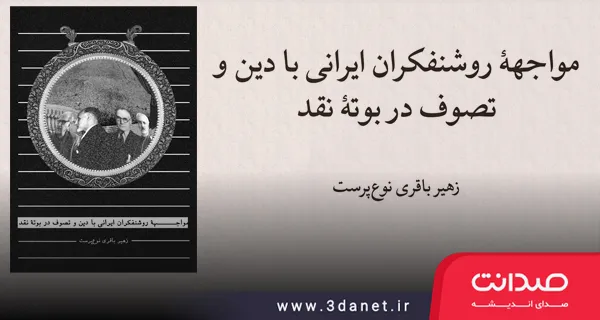
Among the missions Iranian intellectuals have defined for themselves is helping the ignorant masses who hold false and superstitious beliefs. Hence, Iranian intellectuals have often appeared in the role of saviors and have tried to act as shepherds for the unenlightened majority of society. In recent years, many criticisms have been leveled at Iranian intellectuals. The main criticisms have been directed at Marxist intellectuals. These critiques mostly have political, social, and economic dimensions. These intellectuals are accused of neither having properly understood Marxism, nor having correctly known Iranian society and its characteristics, nor having partaken of human decency, and they did not refrain from betraying their country, assassination, bombings, character assassination, and so on. If what the critics of this group of intellectuals say is indeed true, we are faced with a vile minority suffering from a double ignorance, who are in need of a savior more than any other group.
On the other hand, a group has risen to defend the actions of this category of intellectuals. Whatever the fate of the judgment on this group of intellectuals may be, our concern in this writing is something else. Although Iranian Marxist intellectuals have been critics of religion in various ways, they have left behind no significant work in this field, and therefore they will not be our concern in this book. Moreover, as the history of Marxist discussions on religion shows, if this group were to critique religion, they would not pay attention to philosophical arguments and, presupposing the correctness of naturalism, they try to explain the emergence of religious beliefs by utilizing political economy and the forces and factors involved in society, and thereby call religious belief into question. In naturalism, the falsity of religions that believe in something beyond nature is taken as a presupposition.
In fact, with this method of critique, instead of examining the statements and reasons of that religion, its falsity is presupposed, and then the "critic" tries to show the causes of the formation of these false beliefs. Hence, believers in naturalism usually never engage in analyzing and examining religious claims and try to discredit religious beliefs by showing their origin. The examination of the content of religion is usually limited to naturalists who are engaged in philosophy. At one time, Marxism was considered a science, and Marxist critiques of religion were considered scientific critiques, but now that Marxism has lost its standing among the world's thinkers and few are willing to speak of its scientific nature, other scientific approaches have taken over this type of criticism.
One of the most prominent scientific critiques of this kind are evolutionary critiques, which, presupposing the correctness of naturalism, try to reveal the biological origin of the formation of religious beliefs and thus show that these religious beliefs are rooted in causes that can be examined within the natural world itself. Critiques that seek to call religious beliefs into question by identifying an origin for them cannot, in and of themselves, be considered significant critiques. After all, if we accept that God exists, He, in some way, provided the ground for the emergence of religious beliefs in humans for the first time, and this origin could be biological, social, or anything else. Only if a scientist can show that this origin was founded upon a trick or deception can they call the religion itself into question by mentioning it. For example, if someone can show that a group of fraudsters throughout history created religions to fleece people, then they can call religions into question by citing such an origin. Perhaps such an examination could be conducted on a case-by-case basis for a specific religion, but such a finding has not been obtained for all religions, and the emergence of religions is far more unknown, complex, and diverse than this simplistic story.
In what follows, I intend to examine the works of Iranian intellectuals who have directly leveled criticisms at religion and Sufism. To this end, I have selected a number of works by contemporary intellectuals which, in my view, have been superior to others in their critique of religion and Sufism. Accordingly, I have chosen the works of Fath-Ali Akhundzadeh, Ali Dashti, Ahmad Kasravi, and Aramesh Doustdar. The book Maktubat-e Kamal al-Dowleh by Akhundzadeh, the books Oqalā bar khelāf-e aql and Takht-e Pulād by Ali Dashti, the books Sufigari and Dar pirāmun-e Eslām by Ahmad Kasravi, and the book Molāhezāt-e falsafi dar din, elm va tafakkor by Aramesh Doustdar will be examined.
.
.
Iranian Intellectuals' Encounter with Religion and Sufism Under Critical Scrutiny
Zohair Bagheri Noaparast
.
PDF file of this booklet
.
.



Discussion5 comments
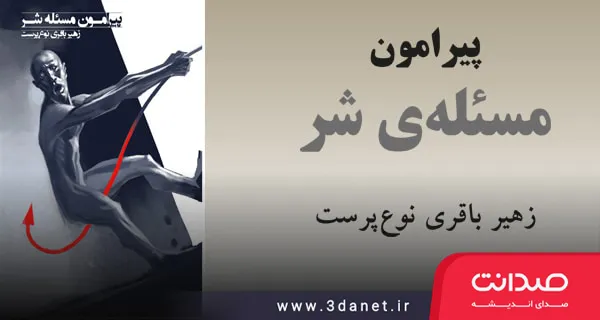
کتاب را دانلود کردم بخوانم. ممنون از اینکه رایگان در اختیار قرار دادید کتاب رو. از همین نویسنده کتاب پیرامون شر را خواندم و خیلی استفاده کردم.
بررسی آرامش دوستدار از بقیه بخشها برام جذابتر بود بخصوص چون اکثر نقدهای به دوستدار سیاسی و پرخاشگرانه است.
نگرش تحلیلی به بعضی روشنفکران ایرانی بود و از این نظر جدید بود چون معمولا رویکرد تاریخی به روشنفکری در ایران وجود دارد ولی باید بگم موجز و مختصر بود و جا داشت آثار بیشتری از روشنفکران بیشتری تحلیل میشد.
این کسروی هم آدم عجیبی بوده معلوم نیست حرف حسابش چیه آخه
شما ظرفیت و جنبه پذیرش اندیشه های والا و دیدگاههای پیشرفته و فراتر از زمان زنده یاد کسروی را ندارید .منم ندارم خیلی ها ندارند .پس حالا که اینطوریه بهتره در مورد آن دانشمند محترم آوانگارد و امثال ایشان دقیقتر .محتاطانه تر و محترمانه تر حرف بزنیم '!