
According to "Farhikhtegan Online", the land that is today called Germany became the birthplace of great philosophers and thinkers from the eighteenth century onward. In fact, it can be said that perhaps the course of philosophy—which moves like civilization—reached Germany from Greece via Alexandria and then Rome. Although countries like France and England arrived at modern philosophy earlier than Germany, Germany became the birthplace of world-renowned philosophers and thinkers. But why Germany? In a conversation with Mohammadreza Vaez Shahrestani, a philosophy researcher at the University of Bonn in Germany, we explored this topic, and that written conversation is now before you.
How and when did philosophy emerge in Germany?
The answer to this question could be lengthy, but in short, I must say that the relationship between philosophy and the land that today bears the title “Germany” (I will explain more about this later) is a special and peculiar one. It is special because, historically speaking, considering its origins dating back to Socrates and even earlier, philosophy appeared very late in “Germany.” In fact, one could say that philosophy was seriously born in “Germany” in the second half of the seventeenth century through the works of Leibniz. But why is it peculiar?! It is peculiar because, although it was born late, it grew and deepened rapidly, and within about a century, Germany became the cradle of the world’s greatest philosophers; that is, during the eighteenth century and the first half of the nineteenth century.
Where did this philosophy come from to reach Germany, or in other words, which countries and philosophers influenced German philosophy at that time?
If we bypass the Middle Ages and Greek philosophy and wish to speak with regard to the period of the revival of science and philosophy, I can say that the entry of philosophy into Germany in the seventeenth century was under the influence of France (Descartes, Pascal, Malebranche), England (Bacon), and to some extent the Netherlands (Spinoza), but in my opinion, for a more precise answer to this question, it is first necessary to give some explanations about Leibniz’s social and political life.
Leibniz was born in 1646 and obtained a doctorate in law at the age of 20. In the history of philosophy, it is stated that from childhood he had an immense enthusiasm and passion for studying science and philosophy, and due to his inclination for social and political activity, he entered political affairs in his early youth. It is said that one of Leibniz’s aspirations was to establish peace and reconciliation between Protestants and Catholics, and he made many efforts in this regard. Also, for the purpose of political dealings with the king of France at the time, he was sent on a four-year mission to Paris. During this period, Leibniz had many meetings and associations with French scholars and scientists. I mentioned all this to say that this journey of Leibniz to France was the turning point for the influence of the philosophy of French philosophers, such as Descartes, Pascal, Malebranche, and others, on Leibniz. Also, there he was able to complete his knowledge of mathematics and conduct good research in the field of natural science and the work done by Descartes and Pascal. During his time in Paris, he also traveled to England and also had a meeting with Spinoza in the Netherlands.
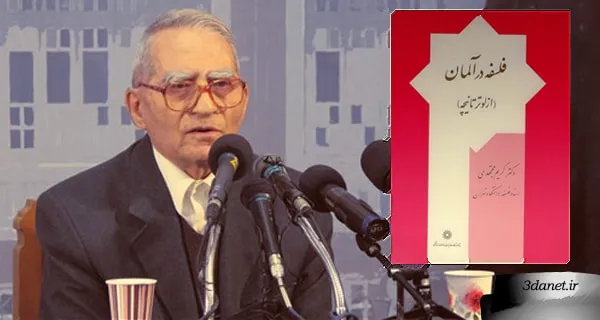
Dr. Karim Mojtahedi once aptly pointed out an interesting point; he said that the philosophy of German philosophers is the heir to English and French philosophies; that is, figures like Francis Bacon and Descartes. But they have practically reached a greater depth than them; meaning that European thought found depth and brilliance in German philosophy. When we compare Immanuel Kant with Francis Bacon or Descartes, we see that Kant, with a Copernican revolution, blends experience and reason and does not limit himself, like Descartes, to “pure reason” or, like Bacon, to “pure experience”; he thinks more deeply.
Considering the beginning of German Idealism in the eighteenth century and its dominance over the European intellectual climate—which continued for many years—what can be said about the relationship between German philosophy and the intellectual and cultural climate of seventeenth-century Germany?
In the seventeenth century, with the end of the Thirty Years’ War(1) (1618 to 1649) in Central Europe, which had begun due to religious conflict between Catholics and Protestants, “Germany” lost a huge part of its population. It is recorded in history that the population of “Germany” decreased from 21 million in 1618 to 13 million in 1648! Furthermore, according to the terms of the Peace of Westphalia in 1648, this land was divided into a number of large and small principalities, which, in the words of Terry Pinkard in the book “German Philosophy,” the only thing holding them together was the semi-real story of belonging to the “Holy Roman Empire of the German Nation” (1512-1806) and being protected by the powers and laws of this empire. If we want to talk about the intellectual and cultural climate of Germany at that time, history tells us of nothing but war, strife, and fanaticism between Catholics and Protestants. Perhaps this statement is unbelievable for someone who has observed the cultural and social reality of “Germany” from the eighteenth century to the present day.(2)
Up to this point, every time we mentioned Germany, we put it in quotation marks [=“Germany”] because at that time there was no such thing as “Germany”!
بیشتر، سرزمینهای کوچک و بزرگی بودند، با «مجاورت جغرافیایی» و غالبا «بدون فرهنگ و آداب مشترک». این سرزمینها حتی دارای یک زبان مشترک هم نبودهاند. زبانهای آلمانی، ایتالیایی و لاتین، زبانهای رسمی بودند. در حقیقت، از سال 962 تا 1438 با عنوان «امپراتوری مقدس روم» مواجه هستیم و بعد از آن تا سال 1806 که فرانسیس دوم برکنار شد از عنوان «امپراتوری مقدس روم ملت آلمان»(3) استفاده میشد.
بنابراین، تا این زمان -منظورم پایان قرن هفدهم است- فارغ از در نظر گرفتن کارهای علمی و فلسفی لایبنیتس در نیمه دوم قرن هفدهم، اگر بخواهیم درباره فضای فکری، فرهنگی و اجتماعی «آلمان قرن هفدهم» بهطور کلی حرف بزنیم، از بنیه فرهنگی و فکری خاصی نمیتوان سراغ گرفت که بتوان اساس فلسفه ایدهآلیسم آلمانی قرن هجدهم و نوزدهم را بر پایه آن گذاشت.
پس، به نظر شما، تحول فلسفی، علمی و ادبی آلمان در قرن هجدهم ناشی از چه تحولاتی است؟ این آلمان چگونه آلمان کانت، هگل، فیخته، شوپنهاور و نیچه میشود؟
این پرسش مهم و در عینحال پاسخگویی به آن دشوار است. فکر میکنم پاسخ به این سوال نیاز به مقداری توجه به مسائل فرهنگی، اجتماعی و سیاسی قرن هجدهم در «آلمان» دارد. تاریخ به ما میگوید که یک جنگ نسبتا طولانی، معروف به جنگ هفتساله میان قدرتهای بزرگ آن زمان در فاصله سالهای 1756 تا 1763 رخداد که نتیجه آن تبدیل شدن «آلمان» (البته آن زمان با عنوان «پروس») به قدرتی بزرگ در اروپا بود. اما «آلمان» در آن زمان از درون با مشکلات بسیاری دستوپنجه نرم میکرد. هگل معتقد است «ایده» مستقل از «بافت اجتماعی» نیست بلکه در درون آن شکل میگیرد، گاه (ایده و بافت اجتماعی) با یکدیگر هماهنگ هستند و گاه در مقابل همدیگر قرار میگیرند و این دو در نسبت با یکدیگر، وضعیت جدیدی را بهوجود میآورند که منجر به تغییر میشود. «تغییر» درست همان چیزی است که «آلمان» قرن هجدهم تجربه کرد: مواجهه ساختار مرسوم و متعارف «سنتی» با ساختار و شرایط «مدرن» که از راه رسیده بود؛ نتیجهاش گذر به فلسفه، ادبیات و علم جدید در نیمه دوم قرن هجدهم بود.
در حقیقت شاهزادگان محلی بهمنظور داشتن زندگی سلطنتی پر زرق و برق و تشریفاتی، با الگو گرفتن از فرانسویها، بهدنبال راهکارهای کارآمدتری برای تامین مالیات و اداره قلمرو بودند. بنابراین، به این نتیجه رسیدند که از سیستم بوروکراتیک جدید و مدرن دانشگاهی برای آموزش کارکنان خود استفاده کنند. در نتیجه، محصولات عقلانیت و مدرنیته همچون بوروکراسی جدید و آخرین تکنیکهای مدیریتی، که بر موج روشنگری در حال تولد در اروپا سوار بود، ابزاری برای شاهزادهگان بود تا بتوانند منابع مالی مورد نیاز خود را برای اجرای حرفههای مختلف تامین کنند.
این در شرایطی بود که جمعیت آلمان هر روز در حال افزایش بود، فرصتهای شغلی کافی برای جوانانی که در دانشگاهها آموزش دیده بودند وجود نداشت، و سرزمین «آلمان» از نظر فرهنگی، اجتماعی و سیاسی تکهتکه و پارهپاره شده بود؛ چه از نظر زبان و گویش، چه از نظر فرهنگ و لباس و چه از نظر امتیازات فرقهای. نکته جالب اینجاست که طیف وسیعی از «آلمانی»ها در این مقطع از زمان به دیگر نقاط اروپا و آمریکا مهاجرت میکردند! در همین زمان است که جنبش جدیدی در «آلمان» متولد میشود؛ جنبشی با عنوان «انجمنهای مطالعه». هدف این انجمن ناظر بهنوعی بینش فرهنگی و روشنفکرانه از امور جهان است. در حقیقت، گروهی از جوانان تحصیلکرده و آموزش دیده که تصمیم گرفتهاند در بهبود زندگی خودشان موثر باشند. آنها برای هدف خود از اصطلاح آلمانی Bildung استفاده میکردند.
گفته میشود که این جنبش در آلمان میزان مطالعه را افزایش داد و در پی آن در سال 1800 تعداد 5000 عنوان کتاب در «آلمان» منتشر شد! همچنین درباره تاثیرگذاری این جنبش در رشد عقلانیت و روشنگری در آلمان سخنهای بسیاری رفته است، حتی برخی معتقدند Bildung اساس روشنگری در آن زمان است.
در حقیقت، جوانان آلمانی در آن زمان در موقعیت وجودی خاصی قرار داشتند؛ تقابل میان آنچه گذشتگان برای آنها رقم زده بودند و آنها نیز باید در زندگی از آن تبعیت میکردند و آنچه خود احساس میکردند و میپنداشتند که صحیح است.
از منظری فلسفی نیز، تقابل میان آموزههای لایبنیتس و پیرو او «کریستیان ولف» از یکطرف و آموزههای روشنگری سکولار از طرف دیگر، برای آنها چنین دو راهی وجودی را تقویت میکرد. لایبنیتس در نیمه دوم قرن هفدهم معتقد بود کمال خداوند مستلزم آن است که این جهان، بهترین جهان ممکن باشد و آنچه در عالم آفرینش رخ میدهد، به بهترین وجه است. در حقیقت، لایبنیتس معتقد نبود شر وجود ندارد بلکه او میگفت در جهانی که هم شر و هم خیر وجود دارد، خیر غالب است.
This doctrine was later turned into a conventional and customary teaching by his follower Christian Wolff, with the concept that "everything in the world is as it should be."
One of the most important events that shook this conventional worldview expressed in "German" thought was the great Lisbon earthquake of 1755; a massive earthquake as a symbol of evil and a great catastrophe which, amid vast destruction, wiped out a third of the city's population.
On the other hand, we have the doctrines of the Reformation movement (the Protestant religion), which emphasized the inner relationship between man and God and considered the external religious rites and rituals of the church, as presented by the Catholics, to be false. In their view, salvation was based on faith. I mentioned this point to say that the eighteenth-century "German" individual was situated at the confrontation of these elements: the Catholic religious tradition and the Reformation movement, or the Protestant religion; the conventional philosophical doctrine, in accordance with Christian belief, from Leibniz, that "the affairs of the world, in accordance with an intrinsic necessity, are as they should be."
And finally, the doctrines of the Enlightenment stemming from university education (implemented by princes to achieve their absolute monarchy through modern bureaucracy) and reading societies.
The above are the very concerns of the eighteenth-century "German" youth; of course, a youth who sought awareness; the same youth whose existential situation is, in a way, depicted in Johann Wolfgang Goethe's novel "The Sorrows of Young Werther." At this juncture in history, he stands at a fateful crossroads; a crossroads that, on one side, leads to a role predetermined for him and equates to social conformity (and submitting to it entails great suffering for him), and on the other side, to taking charge of his own life. In fact, the fundamental philosophical question for him is this: How can one live "one's own life"? The very question that later became Nietzsche's crucial and fundamental question as well.
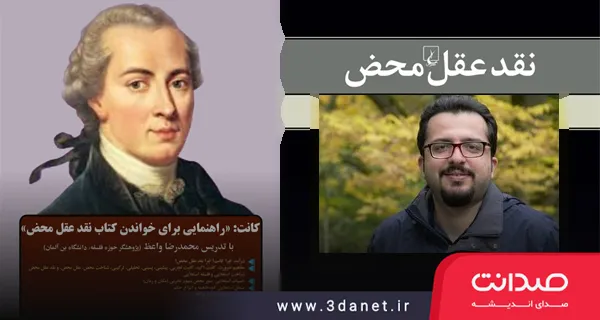
At this time, in 1781, in his book "Critique of Pure Reason," Immanuel Kant, contrary to what Leibniz had said until then—that the affairs of the world, according to their inner necessity, are as they should be—stated: "Until today, man imagined that the mind is a mirror of the world and merely reflects the 'inner necessity of the things of the world,' but the situation is not as man supposes. It is our mind that constructs the world, and that part of the world which we refer to as the thing-in-itself is a part about which we know nothing." This statement by Kant created a revolution in the world of metaphysics and was the starting point for the beginning of German Idealism.
.
.
Footnotes:
1- The Thirty Years' War (1618 to 1648) was a series of wars in Central Europe that mostly took place on the soil of the "Holy Roman Empire" and involved the major European powers. The cause of these wars was the conflict between Catholicism and Protestantism and the rivalry between the governments of "Austria and Spain" (the Habsburg side) and "France, the Netherlands, Denmark, and Sweden" (the French side). These wars led to famine and various diseases, during which Germany lost a vast portion of its population. The Thirty Years' War ended with the Peace of Westphalia. 2- Although in these years Germany again faced war and the economic hardships resulting from the First and Second World Wars, it recovered.3- Heiliges Römisches Reich Deutscher Nation.
..



Discussion0 comments
No comments yet; let yours be the first voice.