Philosophy
Reza Davari Ardakani in conversation with Hooman Dorandish: I should not have said the West is egoism / Mirshakak's rant against Einstein is nonsense
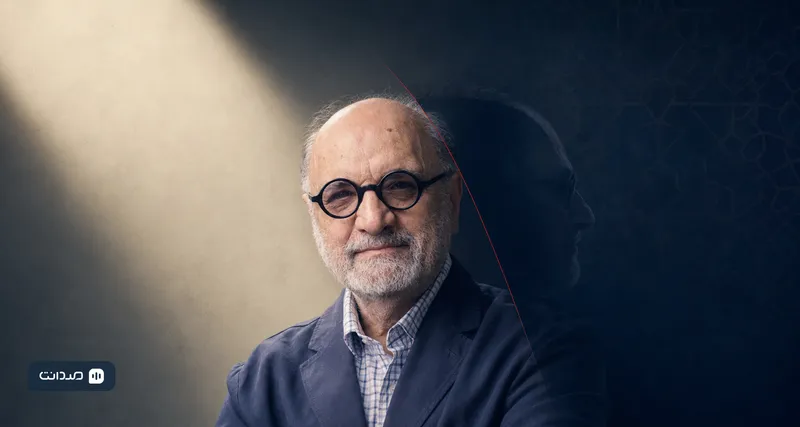
In a conversation with Houman Dorandish, Reza Davari Ardakani concedes he should not have said 'the West is carnality,' and does not see his critique of democracy as a defense of despotism. He deems the practical acceptance of modernity and democracy necessary, despite his theoretical criticisms.
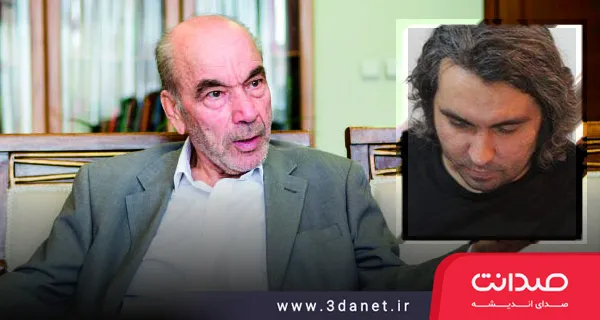
Reza Davari Ardakani in conversation with Hooman Dorandish:
I should not have said the West is egoism / Mirshakak's rant against Einstein is nonsense
Hooman Dorandish: Reza Davari Ardakani, among the philosophical community in Iran, is renowned for his opposition to modernity, humanism, liberalism, science, and democracy. Mr. Davari, of course, rejects the accusation of being anti-science, and although he says he has criticisms of democracy, he does not consider these criticisms as a defense of despotism. On the whole, he dislikes the new world but says that in practice, we have no choice but to accept modernity, democracy, and development. Critics of this elderly philosopher consider him an anti-scientist unfamiliar with the history of science, and therefore, he should not have occupied the presidency of the Academy of Sciences, let alone remained in this position for 22 years. But in this conversation, Dr. Davari says that, firstly, scientists do not look at science from above and from the outside, and secondly, Iranian scientists, compared to him, do not have a greater familiarity with the history of science. Dr. Davari, of course, is not very fond of critical questions and generally prefers to dismiss journalists' critical questions with interpretations such as Everyone has principles and upholds them, but it is issues that change over time, and every new issue that arises demands a new answer. You cannot open all locks with a single key. The times have changed, and changed utterly. We have had a great historical experiment. In our own country and across the world, we have witnessed a great transformation. Someone comes along and says, I am knowledgeable, I am a scholar, I perform miracles, and I will solve all the country's problems. We, as a rule, trust him. At the very least, we do not tell him, you will not solve a single problem. We say, in the name of God, go ahead and solve our problems. The condition, of course, is that we ask him, how do you intend to do this? By miracle, by incantation, by invocation, or by something else besides these? But we usually do not pose this question. When someone says, I will solve all problems, we do not ask him, these problems are difficult, how do you intend to solve them? In any case, when he does not solve the country's problems, we reach the conclusion that his thoughts are ineffective and useless. Therefore, do not call this transformation of opinion a contradiction and tell me, yesterday you said such-and-such a phenomenon was good, and today you say it is not good. This phenomenon has become so over time and in practice, but it was not meant to be this way from the beginning. The intention was something else. The intention was for this tree to grow and yield desirable, sweet fruit. But now we see the tree has grown disproportionately and bears no fruit, or if it does bear fruit, its fruit is bitter. So you say, I do not want this tree. These changes are not changes in thought, principles, or foundations, but changes in observation and experience. Experiences are illuminating. If I were to write a book about the West now, I would write the same things, but I would not write them in that way. I would no longer write that the West is egoism. The sentence "the West is egoism" has been the bane of my existence for forty years! Is the famous sentence "The West is the twilight of truth" also yours? Perhaps; I may have said it. If you take such sentences as poetic, their meaning differs from when they are taken as scientific declarative statements. And they are usually taken as scientific declarative statements. That is, "The West is the twilight of truth" is taken to mean that Pakistan and India are in a very good state because they are in the geographical East, but Canada is in a very bad state because it is in the geographical West. But the meaning of this sentence is something else. One cannot look at the sun. The moon is visible. The moon's light is the very light of the sun. The sun is luminous in itself, and the moon is illuminated by another. If you consider the sun as truth, then it must be said that it is with the setting of the sun that the moon can rise. The absence and setting of the sun is the rising of the moon. Awhad al-Din Kermani said, I see the moon's light in a basin of water. They told him, if you do not have a boil on the back of your neck, see the moon in the sky. We see the moon in the water and say the West is a scoundrel and such and such; therefore, Reza Davari, who says the West is the twilight of truth, is saying that the West is a scoundrel and such! Someone who sees the moon in a basin has no right to tell someone who sees the moon in the sky, why don't you see the sun? I did not explain these points back then. Of course, since 1979, I have been saying, do not think that I want to go and live in Pakistan or Afghanistan. I said, if I were given the choice to go to Pakistan or Canada, I would go and live in Canada; but I did not explain what the intent was, or what the state of the world and the relations are. These are things one gradually realizes the necessity of as one grows old. In Iranian society, you are considered by many to be a prominent philosopher who is not a proponent of democracy and is even opposed to democracy. What is your view on democracy as a political system? One can discuss democracy in two ways: politically and philosophically. In the philosophy of politics, I have criticisms of democracy, but when it comes to politics and political choice, can one say that tyranny is good and democracy is bad? Can one say that the government of Norway or Belgium is worse than the government of Afghanistan or Vietnam? These are clear issues and not up for debate. But when someone criticizes democracy, give him a little of your attention and see what he wants to say. Is he really saying that a ruler who beats down on the people is better than a ruler who consults with the people and acts according to the law? We lack the patience to scrutinize and reflect on the words of that critic of democracy. We quickly tell him he is talking nonsense, that he doesn't understand, that he speaks unjustly, and that he comprehends nothing of humanity and morality. Of course, in the course of my own statements, I was saying these very points right at the beginning of the revolution, and one of my friends has extracted these same points from a book I wrote in 1979 about the Islamic Revolution. Democracy is not debatable in the sense that we should abandon democracy and establish a tyrannical government so that the human condition improves. The issue is that when we discuss progress, democracy must also progress. The question is, has democracy progressed and improved from the time of George Washington to the time of Trump? Americans say that democracy is theirs. Therefore, we must measure the democracy of the Trump era against the democracy of Locke or Rousseau, and especially against the democracy of Kant. Socrates was condemned to drink hemlock on charges of denying the gods and corrupting the youth. That is, in the democratic Athens of Pericles, there was no freedom of belief. What does corrupting the youth mean? Socrates questioned the youth and confused them, or created a longing in them. He also said nothing of the gods and only spoke of God. Of course, he did not speak of monotheism either, but instead of I did not volunteer for the presidency of the Academy of Sciences, nor did I appeal to anyone to make me president of the Academy. You can ask Mr. Khatami, who was president, whether I asked him to make me president of the Academy. As it happens, if that article had not been written saying that a science-phobe had become president of the Academy of Sciences, perhaps I would not have become president of the Academy at all. Mr. Khatami is someone who, when he speaks of freedom, knows what he is talking about. He truly believes in freedom and does not merely use the word. There are those who speak of freedom but stone their opponents. They do not understand freedom. At the time of the election for the president of the Academy of Sciences, I had done no campaigning, and my election was not even under discussion. Suddenly, in the midst of the debate, the late Dr. Eshraghi (the historian) said, vote for Dr. Davari. That is how I was elected president of the Academy. But let me also give a lexical explanation. If you say 'scientist' in French, it becomes 'scientiste.' A 'scientiste' is someone who recognizes no knowledge but science, and the method of this scientific knowledge is the method of physics. This is the definition of scientism. The second point is that we cannot consider scholars of the humanities—in the English sense of the word—not to be scientists. A sociologist and an economist are also scientists. Now, you might say to me, you are neither a sociologist nor an economist, you are a philosopher; so why have you become president of the Academy of Sciences? The brief, general answer is that it is in philosophy that one asks what science is, what things are, how they work, and which path they take. Therefore, if you expel the philosopher from the Academy of Sciences, where will you admit him? Where will you place him? This is a completely unthought-out question, and I take issue with your asking these questions. But the third point is, should we make someone who is a historian of science and a professor of the history of science the president of the Academy of Sciences? Who knows the history of science? I do not claim to know the history of science, but among these scholars who are here (about three hundred of them are in the Academy of Sciences, and there are thousands of scientists in total), which of them knows more about this field than I do? You ask why they did not make a physicist president of the Academy of Sciences. It would have been good if a physicist had become president of the Academy, but does a physicist know the history of science? Does a physicist know what science is? Mr. Masoumi Hamedani once said about me to a group, 'Davari knows more about science than all of you.' I thanked him. I was not worthy of such a statement. No one knows the history of science. We cannot just bring in a historian of science and make him president of the Academy. The president of the Academy must be someone who thinks about the 'problem of science,' is somewhat versed in politics and the relationship between science and politics, recognizes the place of the sciences, and knows what the sciences are and what they have done in the country. Ask, for example, about the social sciences in the country. Those who are in the Academy and are also present in politics know the history of social sciences in Iran and the history of the Islamic period better than I do. So, must they necessarily become president of the Academy simply because they know the history of social sciences in Iran? This thing you are saying, it is not that it is wrong, but it is one of the most unfair things you are saying. In any case, this criticism has been leveled against you, and I wanted to have your response to this criticism. The critic who says this speaks out of prejudice and opposition. Because he opposes me, he says Davari does not know the history of science as much as Ahmad Aram, Birashk, and Dr. Tajbakhsh. But knowing the history of science does not mean being a specialist in the history of science. The person who said this should go and read the article 'The Place of Philosophy in Islamic History' and my articles on the history of science. If he finds that in those articles, an uninformed person has said things about science and, for instance, does not know what Muhammad Zakariya al-Razi did and what his views were, then he can say his claim is correct. But for him to say, 'I do not like Davari, therefore Davari is ignorant and uneducated'—you should not cite his word. I did not cite it. I said that that critic (Dr. Soroush), who has a deep familiarity with modern science and also has many supporters in Iran's intellectual community, has directed such a criticism at you, and what is your response? He says this out of prejudice. He is the same person who uses foul language. Someone who uses foul language is not impartial toward me. He is the same person whose student said about me that a science-phobe has become the head of the Academy of Sciences. Consider these things and advise him that you are a man of letters and a scholar, you have fame, you are eloquent and an orator, but of course you understand nothing of politics and philosophy; you are a man of letters, and because you are a man of letters you can combine mysticism with analytical philosophy; if you were anything other than a man of letters, if you had entered the world of philosophy, you would understand that mysticism cannot be combined with analytical philosophy. Second, advise him that you are dealing with this in a hostile manner; do not deal with it hostilely; consider Davari as just one among others. It seems you are very offended by the statement that "a science-phobe has become the head of the Academy of Sciences." Perhaps this statement stems from your deep connection to a philosophical current accused of science-phobia. So allow me to pose this question: Mr. Mirshakak, as one of Fardid's followers, has said: "We consider Einstein nothing more than an insect. No matter how effective he has been in the advancement of mathematics, mathematical physics, or the philosophy of science." As the head of the Academy of Sciences, what is your opinion on this statement by Mr. Mirshakak? If you are going to link every piece of nonsense to a system, this is a sign of intellectual despotism and violence. Get this violence out of your mind. It is not the case that because Mirshakak said Einstein is an insect and Europeans are a bunch of insects, Davari has also said such a thing. If Fardid said something, it does not mean others have said the same thing. Everyone has their own taste. Sometimes things come out of people's mouths that are nonsense. Later they themselves realize what nonsense they have spoken. One can say to the speaker of these words, if they are insects, then who are these humans here, and what are they? This is the way of discussion. The way of discussion is not for you to take one word from Fardid and reject all of Fardid. Abandon this violence. People say good things, they say bad things, they make mistakes, they commit sins, they do good deeds. See each person in their own place. I am not responsible for anyone's words. I believe the world is the world of science, and one cannot oppose science. Can one oppose physics or Einstein? If it were not for Einstein's relativity, the new world would not be as it is. One cannot oppose science. The critique of science is another discussion, of course. Now, if someone's tone is bad, I am not responsible for their words. I did not say you are responsible for Mr. Mirshakak's words. Since you and Mr. Mirshakak are both among Ahmad Fardid's students and you are the head of the Academy of Sciences, I wanted to get your opinion on this statement by Mirshakak against Albert Einstein. And you did state your opinion. You said that statement about Einstein is nonsense. Thousands of people have been Fardid's students. Does that mean those who were Fardid's students should not become ministers or heads of organizations? Should they not hold any position? Should we expel from society anyone who had a connection with Fardid? One must bid farewell to this kind of thinking. Fardid did his own work. Fardid had such an influence on Ashouri that whatever Ashouri says is Fardidian. But you do not consider Ashouri a Fardidian because Ashouri has cursed Fardid. I do not curse Fardid, but that does not mean I accept everything Fardid said. God is my witness, kafa billahi shahida, that no one argued with Fardid as much as Dr. Jalili and I did. Not even Jahanbegloo. No one shouted and argued with Fardid except me. These points you are making have nothing to do with my question; because I asked for your opinion on Mr. Mirshakak's statement, and in this interview, I have not made any criticism of Ahmad Fardid. You showed enmity toward Fardid! I have no problem with criticism. Criticize as much as you want. Indeed, criticism is the custom of the new world, but you dealt with Fardid in a hostile manner. I don't think one or two simple questions constitute violence and hostility. Anyway. My last question: as the president of the Academy of Sciences, and given your comprehensive knowledge of the state of science in the country, are you, on the whole, optimistic and hopeful about Iran's future? Hope has a basis. A wish can encompass anything. Optimism is naivety. Pessimism is also a luxury and a whim. We can be neither pessimistic nor optimistic. We are hopeful in the sense that we wish for our country to move toward righteousness and for Iran to be prosperous and free. I understand your question very well, but I am deliberately not answering it. So you are not hopeful. Your question is a completely political question, and I do not answer political questions. Not that I don't have political views. I became the president of the Academy precisely because I have political views. If I were not familiar with politics, I could not have become the president of the Academy. In any case, in response to your question, I can only say that I am hopeful about Iran's future; in the sense that I wish a good future awaits Iran. Why are you hopeful? That is, do you see the prerequisites for this hope in Iranian society as well? Because Iran has the conditions to be prosperous and free. All these educated people, all these books cannot be ignored. In the last twenty years, perhaps ten thousand good books in philosophy and the humanities and social sciences have been translated. This is no small event. It is a sign and the groundwork for a major intellectual transformation in the country. But I am not in the position of researching the effects of this event. Scholars should conduct such research. In any case, when we think about Iran's future, there is no room for pessimism. That is, pessimism is unfounded. But not being pessimistic does not necessarily mean being optimistic. In any case, there is intellectual dynamism in Iranian society, and this is hopeful, but intellectual dynamism must reach self-awareness. I do not know how much of all these good books are read by the youth and what effect they have on them. On this matter, as I said, researchers must investigate. Spring 2020

Discussion16 comments
جناب بهروز من بعضی آثارشون رو مطالعه کردم و جز عباراتی مبهم و کلی گویی هایی که به هر قفلی میخورند اما هیچ دری را باز نمیکنند چیزی ندیدم. اگر واقعا مدعای مشخص و تازه ای داشته باشند حضرت استاد شما باید بتوانید در چند خط حداقل مدعاشون رو بیان کنید. اگر بد بودن غرب و مدرنیته و غرب زدگی... دستاورد عظیم فلسفی استاد و مراد شماست که این چیز تازه ای نیست و تکرار حرفهای فردید است. (و البته که دستکم همان هم یاوه و خزعبلات ... ) لطف کنید بفرمایید بابت چه مفهوم تازه و چه رهیافت فلسفی این استاد بزرگ لقب فیلسوف را یدک میکشند؟ در ضمن پاره ای از نوشتجات ایشون متاسفانه هیچی نیست مگر نمایش بیسوادی خودشون. ایشون کتاب نوشتند در نقد اندیشه های پوپر و خواستند بر علیه ابطال پذیری استدلال کنند در حالیکه اصلا معنای ابطال پذیری رو متوجه نشدند و ابطال پذیری رو با ابطال شدن بالفعل یکی گرفتند. ایشون مطلب نوشتند در نقد کتاب ارزشمند یاوه های پست مدرن و نویسندگان کتاب رو احمق خواندند در حالیکه از متن نوشتشون کاملا مشخصه که اصلا کتاب رو نخوندند و خیال کردند یک فیزیکدان خواسته فلسفه پست مدرن رو نقد کنه و به رگ غیرت آقای فیلسوف بزرگ ما برخورده! در حالیکه سوکتل در نقد فلسفه پست مدرن مطلب فلسفی ننوشته بلکه فقط سوء استفاده بعضی متفکرنمایان پست مدرن از اصطلاحات و مفاهیم ریاضی و فیزیک و در نتیجه چرندبافیشون رو نقد کرده. تو همین نامه اخیرشون در مورد علوم انسانی اسلامی دکتر سروش در نقد تندش نشون داد که تا چه حد داوری در زمینه درک فلسفه علم بیسواده. بیسواد بودن فی نفسه اشکالی نداره اما اینکه کسی در زمینه ای بیسواد باشه و در همون زمینه دائما تز بده و نقد بنویسه و مشتی مرید و چاپلوس هم براش کف بزنند و فلیسوف فیلسوف به ریشش ببندند حتما خیلی اشکال داره.
واقعا اگر نام رضا داوری از تیتر این مصاحبه حذف شود کسی میتواند حدس بزند که این ادبیات و این سخنان، سخنان یک فیلسوف است؟ یا یک فرد فلسفه خوانده؟ قبلا هم مطالبی از آقای داوری خوانده بودم و در کمال تعجب اول تا آخر مقاله هیچ نبود جز بازی با کلمات. فی المثل به مقاله ای که ایشان در مورد حقوق بشر نوشته اند مراجعه کنید. بعد از اتمام مقاله حتی نمیتوانید بفهمید که نویسنده نظری موافق دارد یا مخالف. برهان و استدلال که کلا وجود ندارد. اصلا حتی ادعایی هم وجود ندارد. کلا بهم بافتن جملات و کلماتی مبهم و کلی و پوچ . باقی آثار ایشان هم همینست. بسیار خوشحال خواهیم شد از کسانی که از این فیلسوف نابغه درسها آموخته اند بیایند به ما خیلی دقیق و روشن بگویند که استاد داوری اردکانی اولا مدعیاتشان چه بوده دقیقا؟ ثانیا دلایلشان چه بوده له آن مدعیات دقیقا! اصلا هیچ حرف مشخص و روشنی نداره اردکانی! حتی در حد رائفی پور و حسن عباسی هم حرف نداره. الان هم که دیدیم بالاخره معلوم نشد ادعای استاد مخالفت و ستیز کلی با غرب هست یا نیست؟ کلی گویی، مبهم گویی و نه این و نه آن و اینکه هر کس به بازی کردن من با کلمات منتقد است فلسفه نمیفهمد حتی سروش! آثار داوری اردکانی بهترین مثال و مصداق برای جملاتی است که هیچ "معنای محصلی" ندارند. نمیفهمد! حتی سروش !!
وقتیکه اقای داوری میگوید کسی میاید وادعا میکند که همه ی مشکلات را حل میکند وما از او نمیپرسیم که چطور میخواهی چنین کنی وبعد همه چیز وارو درمیاید ودرخت بجای اینکه میوه شیرین بدهد یا میوه نمیدهد ویا میوه تلخ میدهد خوب شما صد در صد مقصر هستید که سوال نمیکنید که چطور میخواهی همه ی حل کنی شما مقصر ان میوه تلخ هستید وباید پاسخگو باشید شما که خودتان را فیلسوف وکاربلد سیاست میدانید باید بتوانید پیش بینی درستی از اینده داشته باشید وجامعه را به ان سمت راهنمایی کنید اینکه بی دلیل هر ادعایی را باور کنید ومیوه تلخ حاصل کار باشد این ازمون وخطا تا به کی باید ادامه یابد تا به کی جامعه باید تاوان ساده لوحی شما را بدهد ؟ اینکه ادعا میکنید بر دموکراسی نقدها دارید ایکاش نقدهایتان را طرح میکردید وشفاف مواضعتان را بیان مینمودید که دیگران شمارا تبیین ننمایند خودتان واضح مواضعتان را بیان میکردید شما میگویید که ان فرد فیلسوف نیست ادیب است ان فرد هم ادیب است وهم معلم فلسفه ی بسیاری از اساتید فلسفه ی این دیار بوده است او هر چه باشد از شما بسیار بیشتر فلسفه میداند بلی یک وقتی است استاد ملکیان میگوید فلانی فیلسوف نیست متکلم است اینرا بدلیل تعهد او نسبت به دین ومتون دینی مطرح میکند که اگراو حتی دلیل عقلانی به نفع عقاید دینی خود نداشته باشد باز هم به ان التزام دارد یعنی التزام او به متن دین بیشتر از عقل است برای همین میگوید او متکلم است ولی این به شما نمیرسد که بگویید او فیلسوف نیست هرچه باشد تعهد او به عقلانیت بسیار بیشتر از شماست چطور ادعا میکنید عرفان با فلسفه تحلیلی قابل جمع نیست عرفان نظری فلسفه است انهم از نوع تحلیلی عرفان نظری مدعی اثبات وحدت وجود است اگر ایشان عرفان را با فلسفه ی تحلیلی جمع کرد یادتان نرود که ملا صدرا بسیار پیش از این اینکار را کرد مگر ادله ی اثبات خدای ملاصدرا غیر از فلسفه ی تحلیلی است ؟ مگر وحدت وجود وتشکیک وجود ملاصدرا تحلیلی نیست ؟ مگر همین ملاصدرا از این مطالب در حوزه ی عرفان هم بهره نبرد ؟ اقای داوری شما ترس از بیان واضح مواضع خود دارید شما نه درحوزه ی فلسفه ونه در حوزه ی سیاست صاحبنظر نیستید متاسفانه در جامعه ما افراد شایسته به کارهای ساده گمارده شده اند وافراد نابلد زمام امور را بدست دارند وبدین ترتیب فاتحه ایران وایرانی خوانده شده است
برای اثبات فیلسوف نبودن و تصلب مغزی ، و در نتیجه عدم صلاحیت آقای داوری جهت ریاست فرهنگستان علوم ، به جملات زیر دقت کنید . 1- رضا داوری : " هر کسی اصولی دارد و اصولش را حفظ میکند " . ادعای غیر فیلسوفانه از این بالاتر ؟ فلسفه یعنی پویش دائمی به سوی حقیقت و عدم جمود ، و نه در پی " حفظ " اصول بودن . سخن داوری را مقایسه کنید با سخن استاد ملکیان که رسما به چهار تغییر بنیادین خودش ( تا به حال ) اعتراف میکند . 2- رضا داوری : " کسی میآید و میگوید من دانا هستم، عالم هستم، معجزه میکنم و تمام مسائل کشور را حل میکنم. ما هم علیالقاعده به او اعتماد میکنیم " . واقعا یعنی چی این حرف ؟ مطابق با کدام قاعده باید به ادعای هر مدعی ای اعتماد کرد ؟ قاعده عقلی بی عقلی ؟ قاعده عقلی ساده لوحی ؟ و یا شاید قاعده عقلی جذب منفعت شخصی ؟ ( احتمالا این آخری ) . 3- عجبا که جناب ایشان میگوید دکتر سروش عرفان و فلسفه تحلیلی را با هم جمع کرده است ( کجا ؟ کدام کتاب ؟ در کدام موضوع ؟ ) . عجبا که جناب ایشان میگوید سروش سیاست و فلسفه نمیداند . جواب ایشان اینست که عاقلان دانند . احتمالا ایشان مثلا خیلی سیاست و فلسفه میفهمیده اند که با دمکراسی مخالف بوده اند و غرب را غروب حقیقت میدانسته اند .( البته علیرغم پاسخهای معلق و مغلق و ناصریح ، ظاهرا ایشان از مخالفت با دمکراسی و غرب را غروب حقیقت دانستن پا پس کشیده اند ، ولی شجاعت اظهار نظر صریح را ندارند . علی ای حالن باز هم خسته نباشی ) 4- دکتر سروش بزرگترین خدمت را به رضا داوری کرد . رضا داوری نه فیلسوف است و نه هیچ تالیف قابل اعتنایی دارد . این دکتر سروش بود که نام او را بر سر زبانها انداخت . شک ندارم که رضا داوری - در خلوت خویش - بارها ممنون دکتر سروش بوده که باعث شد نام و نان رضا داوری تامین شود .
آقا منوچهر از نظر شما سروش فیلسوفه؟ اگر جریان اصلاحات و حزبی نبود سروش چه جایگاهی دارد؟ اگر انقلاب فرهنگی نبود سروش کجا بود؟ اگر ایشان از طرف امام خمینی مامور نشده بود الان کجا بود؟ سروش الان مدتهاست غربه میشه بگی بجز دکانهایی مثل بی بی سی فارسی و موسسه سروش مولانا کدوم پلتفرم علمی از ایشان بهره میبره؟سروش اقیانوسی به عمق یک سانت است که از قضیه فلسطین و ترور قاسم سلیمانی تا فلسفه علم، عرفان، فقه، ادبیات و هر چیزی که فکرش را بکنید ۲۴ی در حال نظر دادن است.
دکترداوری درست میگه,مگرمیشودعرفان را با فلسفه تحلیلی جمع کرد. عرفان وجودی است که تنها با فلسفه وجودی قابل جمع است .همان کاری که دکترسروش کرد,قرآن کریم شد رویا وخواب پیامبر.نهایتاً هم تنزل خواهد کرد به یک کتاب شعر و قصه. مشکل دکتر داوری در این است که مانند دکتر سروش فن بیان خوبی ندارد.دکتر سروش متکلم توانمندی است ولی فیلسوف نیست.
در مورد خشونت هم عرض بکنم که جریان هتاک و فحاشی مانند روشنفکری دینی که در کار دوسیه سازی و بد و بیراه گویی به همه است خشن است. داوری اردکانی هیچ گاه از خشونت دفاع نکرده و این اتهام صرفا فرافکنی است.
داوری اردکانی به حق از برجسته ترین اندیشمندان ایران معاصر است و برخلاف طیف روشنفکر دینی که هیچ گونه اصولی ندارند و مثل حزب باد عمل میکنند مسائل را درست تشخیص داد. برای ایشان آرزوی طول عمر بیشتری دارم در همین کورسوی علم و معرفتی که در کشور داریم امثال ایشان سهم بزرگی دارند. امیدوارم سایت صدانت تحمل صدای مخالف جریان روشنفکری دینی را داشته باشد و نظر من را هم ثبت کند تا علاوه بر تئاتری که امیر و دیگر دوستان در آن نقش بازی میکنند صدای متفاوتی هم شنیده شود.
جناب بهروز اما باید بدانید که جناب داوری اردکانی دو دوره فکری را پشت سر گذاشته اند . دوره اول همان دهه ۶۰ تا اواخر دهه هفتاد بود که دیدگاه های ایشان به خصوص در مورد غرب به شدت ایدئولوژیک و متعصبانه و بنابراین تا حد زیادی فاقد ارزش بود . دوره دوم از اواخر دهه هفتاد به بعد است که ایشان اگرچه هم چنان رویکرد انتقادی به غرب گرفته و به پست مدرنیسم گرایش پیدا می کنند اما این رویکرد ایشان فلسفی و به تعبیر آقای عبدالکریمی حکمی و پخته و غیر ایدئولوژیک بود . ایشان در این دوره حتی رویکرد ایدئولوژیک را نقد کرده و تلقی ایدئولوژیک از علم و فلسفه را یکی از آفات می دانند . یکی از کتب ایشان هم اگر اشتباه نکنم فلسفه در دادگاه ایدئولوژی است .
Barrage فکری مترجم- مولف ایرانی با اتخاذ پوزیسیون طلبکار در مورد خصلت فاشیستی یک اندیشه. جالب است که مصاحبه گر مخاطب را بازجویی میکند! تفتیش عقاید پست مدرن. همانگونه که مفتشین غربی به بازجویی افراد میپرداختند همان گونه که Mc Cartismمک کارتیسم اجتناب ناپذیر در آمریکا مردم را به دادگاه تفتیش عقاید شکنجه روحی میکرد خصلت فاشیستی این dogmaداگما و اصول عقاید با فشار مخاطب را مجبور به انکار باورهایی میکند تا از چنگال دیگر فاشیسم غرب اعضای پلیس مزرعه حیوانات جورج اورول که تهدید به ـآبروریزی و یا حتی حمله به فرد میکند جان خود و یا ابروی خود را نجات دهد.
متأسفانه مصاحبهکننده بسیار جانبدارانه با آقای دکتر داوری مواجه شده. البته هر کس هومان دوراندیش و ارادتش را به سروش بشناسد، از این امر تعجب نمیکند. اما اینکه دوراندیش در مقدمه ژستِ بیطرفی گرفته واقعاً دور از صداقت است. کاش از همان اول میگفت که من برای اینکه حالِ این پیرمرد را که مُرادم سروش از او خوشش نمیآید را بگیرم، رفتم و موفق شدم اوقاتش را تلخ کنم و آزارش بدهم.
آن را که حساب پاک است ، از محاسبه چه باک است ؟ اصلا گیرم که مصاحبه کننده مغرض بوده . این چه ربطی دارد به پرسش ها ؟ ثانیا اتفاقا مصاحبه درست باید مصاحبه تحلیلی و نقادانه باشد ، و نه مصاحبه تجلیلی و تاییدی .
برخلاف آنچه در تیتر آمده و موجب این تصور میشود که داوری اردکانی منعطفتر شده باشد، در سخنانشان بیشتر جزم اندیشی بود و اتفاقا خشونت و عجب اینکه خشونت را به جناب هومان دور اندیش نسبت میدادند. البته جناب داوری قابل احترامند و بنده از کتاب هایشان آموخته ام.
بعد از چهل سال همچنان مواجهه ایدئولوژیک با داوری و متهم کردنش به جزم عجیبه. فقط مچ گیری که به دموکراسی و علم و غرب گفتی بالای چشمت ابروست. دریغ از یک لحظه شنیدن که چه می گوید.
بسیار مشتاقم بدانم دقیقا چه چیزی آموخته اید از کتابهای داوری اردکانی؟!! من شخصا با مطالعه بعضی آثار ایشان حتی مدعای دقیق و روشنی نیافتم تا چه رسد به استدلال تا چه رسد به قوت یا ضعف استدلال! گمان میکنم باید مدعایی باشد و استدلالی تا بتوان از یک نوشته فلسفی چیزی یاد گرفت نه؟ میشه لطف کنید بگید اصل و لب مدعیات این فیلسوف گرانمایه چیست؟ استدلال هم کلا پیشکش. اصلا حرف مشخصی دارند حضرت استاد؟
وقتی انسان ها سوژه ی جزم یا نرم اندیشی و بررسی اینکه چطور است و منظورش چیست میشوند و کتاب های فلسفه هم آموختنی اند، فهم از خشونت البته که دستخوش این سری حرف ها میشود