Religion
Second issue of Negah-e Aftab quarterly published
The second issue of the quarterly Negah-e Aftab has been published, featuring an interview with Gholamhossein Amirkhani and a tribute to Reynold A. Nicholson. Other articles in this issue examine loneliness from Rumi's perspective, Rumi's relationship with music, and the artistic legacy of Mohammad-Reza Shajarian.
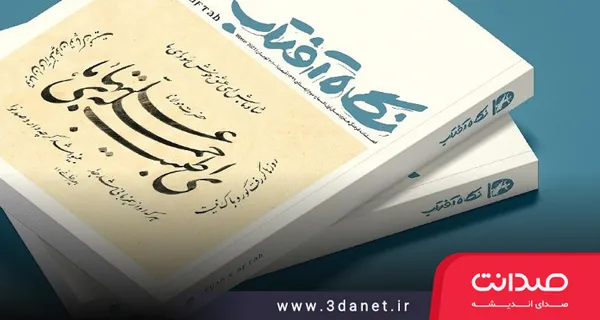
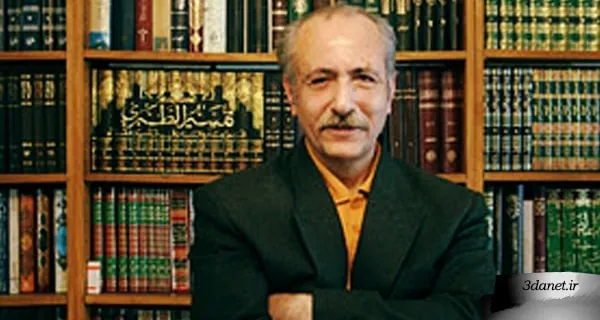
The second issue of the Negah-e Aftab quarterly features a special conversation with Master Gholamhossein Amirkhani, in which this distinguished artist presents his views on mysticism, Rumi, and the connection of Persian calligraphy with them.
In the Wisdom section, the subject of loneliness as a universal human concern is examined from various dimensions, and Rumi's teachings on loneliness are explored in detail. Mostafa Malekian, Amirabbas Alizamani, Taghi Azad Armaki, Seyed Ahmad Jalili, Gholamhossein Motamedi, Mahdieh Kasaeizadeh, Seyed Majid Gharavi, Bagher Talebi Darabi, Mehdi Minakhani, Mohammad Ghanbari, Kimia Hadizadeh, and Mahmoud Dehghani are the contributors to the Wisdom section in the second issue of Negah-e Aftab.
In the Career section, seventy-five years after the passing of Reynold Nicholson, his scholarly career as one of the primary authorities for Rumi scholars in the East and West is reviewed. In this section, Mohammad-Jafar Yahaghi, Abdollah Anvar, Baha'oddin Khorramshahi, Nasrollah Pourjavady, Homayoun Hemmati, Jamshid Kianfar, Ali-Ashraf Sadeghi, and Reza Ashrafzadeh have presented their views on Nicholson's contributions and career.
In the Essay section, Mahnaz Ghanei, Amir Akrami, Mohammad-Navid Bazargan, Iraj Rezaei, Nasrin Faghih Malek Marzban, and Ebrahim Khodayar have answered the question of which edition, commentary, interpretation, and which monograph on Rumi's intellectual world they prefer.
The Seven Climes section takes a special look at the musical capacities of Rumi's poetry. In this section, Alireza Mir-Ali-Naghi, Kaykhosrow Pournazeri, Houshang Javid, and Behzad Abdi discuss Rumi's relationship with traditional Persian music. Also, on the occasion of the passing of Master Mohammad-Reza Shajarian, a special look is given to his career and his selections from Rumi's poems, with Majdeddin Keyvani, Shahrokh Touserkani, Seyed Abolhasan Mokhtabad, and Noureddin Mirfakhraei writing about Shajarian.
In the Measure section, we have a reflective reconsideration of the relationship between mysticism and religion penned by Ardeshir Mansouri. Mohammad-Javad Gholamreza Kashi discusses the unbridgeable gap between mysticism and the modern world, and Shahram Sahraei has written an article on the mystics of Najaf and the Mulla of Rum. This section also includes conversations with Mohammad-Ali Homayoun Katouzian on Saadi's ethical system and with Mehdi Nasiri on the relationship of textualists with the heritage of mysticism.
The Neighbor section looks at Rumi and Rumi-ism in Afghanistan. This section features writings by Seyed Jamaloddin Mousavi, Seyed Eshagh Shojaei, Naqshband Heydari, Seyed Hassan Akhlaq, and Javid Mojaddedi.
In the Critical Review section, Hadi Khaniki, Abdoljabbar Kakaei, Mohammad Tolouei, and Abdoljavad Mousavi discuss their personal relationship with Rumi.
"Death from Rumi's Perspective" by William Chittick, "Rumi's Social History: A New Proposal" by Ebrahim Mousapour, and "Time, the Birthplace of Illusion" by Hassan Faramarzi are the titles of the articles in this issue of Negah-e Aftab.
In the Bookshelf section, there is a mention of the books "A Jug of Divine Wine" by Master Mohammad-Ali Movahed, reviewed by Hossein Mokhtari; "The Silent Rebellion of Rumi and Shams (in English)" by Mostafa Vaziri, reviewed by Alireza Rezayat; and "Sufism and Orders in the Ottoman Era (in Turkish)" by Mustafa Kara, reviewed by Davoud Vafaei. Also, on the occasion of the publication of the book "Art, Imagination, and Beauty," a conversation has been held with Maryam Jafari, the author of the book.
In the Narrative section, news and reports on Rumi and Rumi studies in Iran and other countries around the world are published.
As with the previous issue, the translation of the magazine's summary into three languages—English, Turkish, and Arabic—is among the other sections of this magazine.
.
.
In the second issue of Negah-e Aftab quarterly, special for Winter 2020, we read:
A meeting with Master Gholamhossein Amirkhani; Master Gholamhossein Amirkhani speaks of the secrets of the reed.
A critical re-reading of Rumi's mystical heritage with writings by Ardeshir Mansouri, Mohammad-Ali Homayoun Katouzian, Mohammad-Javad Gholamreza Kashi, and others.
Writings by Mostafa Malekian, Seyed Majid Gharavi, Bagher Talebi Darabi, and others on loneliness in Rumi's intellectual system
A memorial for Reynold Nicholson with writings by Mohammad-Jafar Yahaghi, Abdollah Anvar, Baha' al-Din Khorramshahi, Nasrollah Pourjavady, and...
Articles by Hassan Faramarzi, Ebrahim Mousapour Besheli, William Chittick translated by Alireza Rezayat,
A roundtable on the theme of loneliness in the sphere of tradition and modern life and the time of Corona, with the presence of Amir-Abbas Alizamani, Taghi Azad Armaki, Seyed Ahmad Jalili
Conversations with Gholamhossein Motamedi, Nasrollah Pourjavady, Keikhosro Pournazeri, Behzad Abdi, Mehdi Nasiri
Documentary narratives of personal encounters with Rumi's lifeworld from Hadi Khaniki, Mohammad Tolouei, Abdoljabbar Kakaei, Abdoljavad Mousavi
Which edition of the Masnavi, which commentary and interpretation, and which monograph on Rumi's intellectual world do you prefer? Responses from Amir Akrami, Mahnaz Ghanei, Mohammad Navid Bazargan, and...
A tour of the world of books on mysticism and Rumi with analyses by Davoud Vafaei, Hossein Mokhtari, Alireza Rezayat, and Maryam Jafari
A stroll through the seven climes of art and a reading of the musical capacities of Rumi's poetry with Alireza Mir-Ali-Naghi, Keikhosro Pournazeri, Houshang Javid, and Behzad Abdi, and a brief career record of Mohammad-Reza Shajarian
Searching for Jalal al-Din in the garden alleys of Balkh; a dossier on Rumi in Afghanistan
.
.
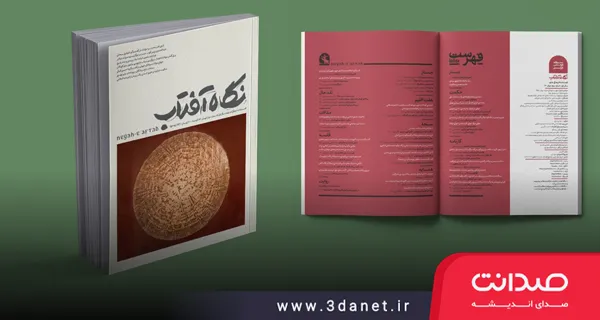
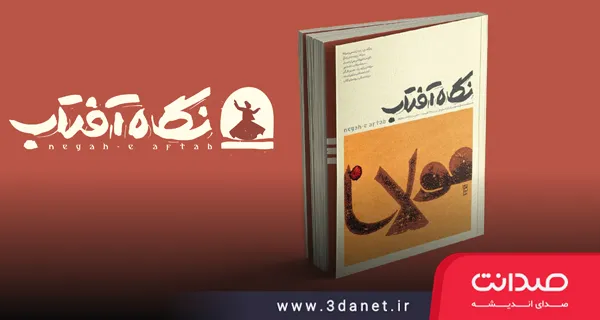
The second issue of Negah-e Aftab quarterly comprises 11 chapters and 314 pages, with summaries of the contents in English, Arabic, and Turkish, priced at 70,000 Tomans.
Obtaining the Negah-e Aftab quarterly:
More information (Telegram, WhatsApp, and phone): 09196721586
Negah-e Aftab Instagram page
Negah-e Aftab Telegram
With exclusive calligraphy by Master Gholamhossein Amirkhani on the cover
The license holder of Negah-e Aftab is the Soroush-e Molana Institute, and its managing director is Maryam Mousavi.
.
.

Discussion0 comments
No comments yet; let yours be the first voice.