Philosophy
Seyyed Hassan Eslami Ardakani's Article 'The Purgatory of Ethical Practice in Contemporary Iran'
Despite verbal commitment, ethical practice in contemporary Iran remains in limbo. Seyyed Hassan Eslami Ardakani examines its theoretical obstacles: the denial of the autonomy of ethics, its reduction to jurisprudence and mysticism, and the intrusion of non-specialists.
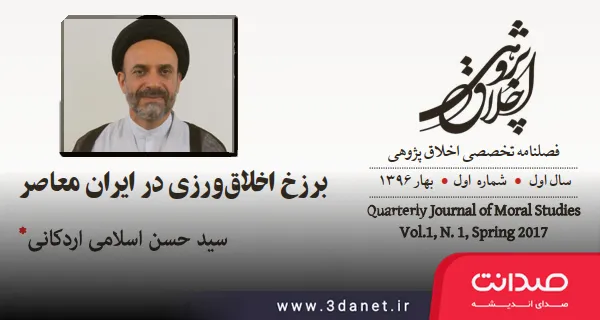
The Purgatory of Ethical Practice in Contemporary Iran[1]
Seyyed Hassan Eslami Ardakani
Abstract
Ethical practice in contemporary Iran faces problems that, if neglected, will hinder the growth and flourishing of this field. Today, we are witnessing a renaissance in the field of ethics, and it appears that this academic discipline has serious proponents. Nevertheless, until the prevailing and dominant attitude in this field is reformed, one cannot expect it to thrive. Hoping that this field will achieve appropriate expansion and public acceptance, the author has attempted in this article to identify and recount some of the intellectual and attitudinal problems in this area. Some of the main predicaments of this field include the denial of the authenticity of ethics and rendering it subjectless, reducing ethics to jurisprudence or mysticism, a saintly view of ethical practitioners, the entry of non-specialists into this field, and the prevalence of a culture of writing in scattered islands.
Introduction
Ethical practice in contemporary Iran is in an intermediate state, neither at its zenith nor at its nadir. It neither has a defined and accepted position in universities and seminaries, nor is it entirely neglected. On one hand, we have witnessed a flourishing of ethical discussions in the last two or three decades and the publication of good works, both authored and translated; on the other hand, this sapling still lacks the capacity to confront other disciplines, and its position is not even clear among academic fields. Annually, we see changes in the title of this discipline, sometimes in its capacity, and ultimately in its standing relative to other fields. Numerous references to ethics and its importance indicate a growing concern for this area. For example, the document "The Vision of the Islamic Republic of Iran in the Horizon of 1404" predicts or requests that by that year, Iranian society will be an "ethical society." Similarly, in various remarks by jurists, we observe attention to the importance of ethics and its palpable deficiency. With this view, Ayatollah Mazaheri declares: "Returning to ethics is the only way to escape problems."[2] According to Ayatollah Javadi Amoli, "The country's problems are the result of immoralities."[3] Finally, Ayatollah Makarem Shirazi expresses concern about the "spread of moral corruptions."[4] These remarks, rather than being discouraging, express the expectations placed upon ethics, which in itself indicates the attention being paid to it. In contrast to this verbal and rhetorical emphasis on ethics, there are still few who specifically engage in ethical practice and dedicate sufficient effort to expanding this academic field. In other words, a vacuum of ethical practice is still palpable in our country, and it does not seem that this type of remark will untie any of its tangled knots. In this article, I will point out some theoretical or attitudinal obstacles that have hindered ethical practice in the country, and I believe that until these attitudes are reformed and these assumptions are changed, one cannot expect a dramatic change in the field of ethical practice. In short, the arena of ethical practice in our country is neither entirely empty, silent, and discouraging, nor befitting an academic field. It can be said that we are witnessing a scientific renaissance in the field of ethics, but it is not yet clear in which direction this renaissance is taking ethics, and in this respect, it is as if we dwell in Purgatory; on one side lies paradise, and on the other, hell and scientific stagnation. But before continuing the discussion, it is not inappropriate to clarify what I mean by ethical practice. In this article, ethical practice specifically refers to scientific and theoretical effort aimed at understanding, explaining, and reasoning in the field of ethics as an independent academic discipline, not moral behavior or an examination of the reasons for the weakness or strength of moral action in society.
This article can be considered an "opinion piece"[5], in the sense that I have consciously avoided the dominant, and sometimes clichéd, conventions of research articles and have tried to express my personal viewpoint in a personal language. Based on my academic experiences and personal encounters in the field of ethical practice, I can claim that this field mainly faces the following challenges:
1_ Denial of the authenticity and validity of ethics, 2_ Reduction of ethics to jurisprudence and mysticism, 3_ Saintly expectations of moral practitioners, 4_ The entry of non-specialists, and 5_ Writing in scattered islands.1_ Denial of the authenticity and validity of ethics
For some, ethics has no authenticity, and even this meager amount is too much. This reality can be seen in the words of a renowned professor of Islamic philosophy. At the Suhrawardi and Ethics session held during the Suhrawardi commemoration conference in Zanjan, Dr. Ebrahimi Dinani, regarding the absence of ethical discussions in Suhrawardi's works, stated:
"The absence of ethics is not exclusive to Shaykh al-Ishraq; other philosophers, in a sense, have also not discussed ethics. But the question is, what do you consider Islamic ethics to be? If you mean reason, then everyone has ethics, but if you mean purification and the like, then that is no longer ethics."[6]
This statement, if correctly attributed and quoted, is a perfect example of the view of those who deny the authenticity of ethics. This is the statement of a professor of philosophy, someone who knows well that in the ancient Greek and Islamic tradition, philosophy or wisdom was divided into two parts: theoretical wisdom and practical wisdom. Practical wisdom also has three parts: purification of the soul or ethics, household management or economics, and politics or governance of the city. Thus, ethics is a branch of philosophy or wisdom. Furthermore, philosophy in the Islamic tradition has various definitions, two of which can be mentioned. One is the knowledge of the states of existing entities as they are, to the extent of human capacity, and the other is assimilation to God. According to the second definition, philosophy becomes identical with ethics. This definition of philosophy and its equation with ethics has persisted among philosophers from al-Kindi onwards. For example, al-Kindi quotes one of the definitions as follows: "And they also defined it in terms of its action, saying: Philosophy is the assimilation to the acts of God, according to human capacity—they meant that man should be perfect in virtue."[7] Al-Farabi also links philosophical conduct with ethics and speaks of assimilation to God.[8] The Ikhwan al-Safa also viewed philosophizing from the perspective of assimilation to God and introduce the practice of philosophy as "drawing near to God" and good-naturedness.[9] Finally, Mulla Sadra explicitly links philosophy with ethics in this way: "Philosophy is assimilation to God, as stated in the Prophetic hadith (PBUH): 'Adopt the character traits of God.'"[10] According to the late Khansari, defining philosophy as assimilation to God is, in fact, the precise definition and essential definition of philosophy, not a nominal explanation. From this perspective, philosophy means correct knowledge and correct action, and this is what makes man, in the words of the mystics, "the locus of manifestation and the mirror of divine attributes."[11] Considering this ancient tradition regarding the status of ethics, it is astonishing how someone who is a professor of philosophy can declare ethics to lack a subject matter and close its file.
Moreover, there is the dialectical question of what is meant by philosophy? From the perspective of the School of Tafkik, one could say that if reason is meant, everyone has it, and if the discussion of the origin and the return or theology in the strictest sense is meant, that is embedded in religious teachings, and there is no need for philosophy, and our "religiously autonomous reason" makes us needless of philosophy.
2_ Reduction of ethics to jurisprudence and mysticism
In the Islamic tradition, religious knowledge has often been divided into three parts, traces of which can be found from Ghazali to Fayz Kashani. These three are (1) beliefs, (2) rulings, and (3) ethics. For example, after noting the importance of knowledge, Fayz divides it into worldly and otherworldly. He considers otherworldly knowledge to be of two types: that which is an end in itself, such as knowledge of God and the afterlife, and second, knowledge that is a means to attaining that knowledge which is an intrinsic end.[12] This type of knowledge, which plays an instrumental and auxiliary role, is itself of two kinds: one is ethics, and the other is the science of religious laws or jurisprudence.[13] Thus, ethics is the counterpart of jurisprudence and stands alongside it. This signifies a kind of independence of ethics from jurisprudence and the independence of the latter from ethics. In fact, assuming the acceptance of this independence, a portion of our religious literature has been devoted to discussing the relation and connection between these two sciences, and some scholars from Ghazali onward have discussed the relation and connection between the two. The result of these discussions is granting authenticity to ethics alongside jurisprudence and theology. Nevertheless, today we witness claims that practically relegate ethics to the margins of jurisprudence, or to the recommended (mustahabb) discussions of jurisprudence, or, contrary to jurisprudence, consider it merely non-obligatory matters. Consequently, whenever jurisprudence and ethics come into conflict, whether apparent or real, it is jurisprudence that must determine the duty of ethics. We clearly see this perspective in some statements, to the point where it has been said: "In a situation of conflict, I believe priority lies with jurisprudence, and ethics must adapt itself to jurisprudence [...]. Therefore, in Islamic jurisprudence and ethics, ethics is subordinate to jurisprudence."[14]
Here, the intention is not to defend the independence of ethics, explain its relation to jurisprudence, enter into this dispute, or refer to the literature of this field. Rather, the issue is that as long as we do not, for whatever reason, grant ethics independence as a science, this discipline will not flourish and will continue to live like a child under the guardianship of another science. Therefore, we must first clarify the extent to which the independence of this discipline is recognized, and then clarify our expectations of this discipline.
In the struggle between jurisprudence and ethics, we sometimes witness a third rival that seeks to relegate ethics to its own margins. From this perspective, ethics becomes a subset of mysticism, and it is claimed that it is mysticism that must speak on matters of ethics. There is no doubt about the validity and importance of mysticism, but the point is that respecting mysticism does not necessitate devaluing ethics. The account of ethics must be separated from that of mysticism, and its inheritance must not be confiscated in favor of the latter. However, some teachers of mysticism practically promote a view that may not strengthen mysticism, but will most likely weaken ethics and ethical practice. From this perspective, it is claimed: "When the eagle of universal philosophy takes flight in the sacred realm of practical mysticism, from the lean mosquito of practical ethics in the transcendent annihilation of practical mysticism—where the glimmer of 'I would not worship a Lord whom I have not seen' does not permit the sanctified ones of the Supreme Assembly to utter 'If I drew near by a fingertip, I would burn,' and the robe of intimate friendship and seclusion of 'So I worship a Lord whom I have not seen' does not grant any of the infallible angels the opportunity to say 'We glorify You with praise and sanctify You'—what can arise?"[15] This statement, aside from the fact that the use of complex and intertwined metaphors in scholarly discussion warrants reflection, may ultimately hinder the flourishing of ethics. While in the Islamic world some scholars opposed mysticism, no one was hostile to ethics. Hence, when we tie the fate of ethics to mysticism, instead of strengthening mysticism, ethics and the field of ethical practice may well be weakened.
3_ Saintly Expectations of Ethical Practitioners
It is not usually expected of someone who works in a theoretical field to have a practical commitment to the subjects of that field themselves. For example, someone might be a professor of Islamic philosophy, yet not actually believe much in Islamic philosophy and its issues, and merely pursue this discussion as a theoretical discipline. One can also imagine an economics expert who lives a life of ascetic poverty. If we hear that a jurist is exploiting existing laws for their own benefit, we are not surprised and we distinguish between their knowledge and their character. Fundamentally, the dominant attitude in the Islamic tradition is that one should look at the "statement" regardless of the "speaker," and the words and writings of any person should be measured by an external, objective criterion, not by that person's behavior, to assess their truth or falsehood. Numerous hadiths also confirm this attitude: what matters is "ma qil" or "ma qal" (what is said), not "man qal" (who said it).[16] Nevertheless, in the arena of ethical practice, this is not the case; it is as if a contrary principle prevails, and anyone engaged in "theoretical" activity in this arena must also have a practical commitment to their own words and writings. From this perspective, there is no difference between an "ethics specialist" and an "ethics professor" or "ethics teacher." Consequently, the ethics specialist must always be practically accountable for their own theoretical positions. Thus, the matter becomes entirely personal.
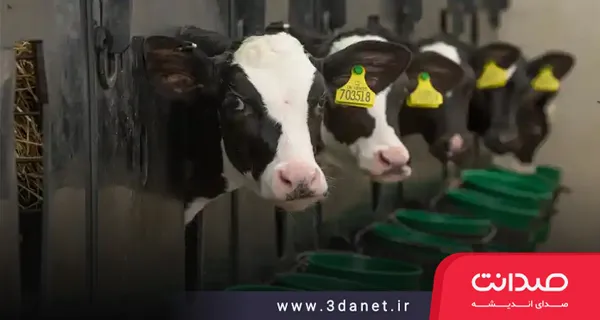
For example, if someone, in the capacity of ethical practice, writes an article arguing against the consumption of industrially produced meat—like the author of these lines—they must, in their practical life, always be committed to this statement and never consume industrially produced meat. Even more than that, they are expected to consider this ruling absolute. Therefore, if they ever eat meat, even out of necessity, they are taken to task for acting contrary to their own words. Even further, the argument they made against consuming industrial meat, for instance, environmental destruction, is extended to other areas of their life, and it is claimed that according to this same reasoning, you should not drive a personal car because it pollutes the environment, regardless of how valid this objection is. The result is that practitioners of ethics seem to be perpetually subject to behavioral judgment based on their writings.
I have sometimes witnessed encounters that were fundamentally erroneous and based on flawed and false analogies. For example, if someone defends the moral status of animals and grants them a share of moral rights, whenever necessary and in the arena of human conflict, they are told: "You, who are a defender of animal rights, why do you ignore human rights?" This reasoning is flawed, and I will address it in detail in its proper place. But in summary, we have specific duties towards animals that have caused us no harm; for instance, we have no right to keep a canary or a nightingale in a cage merely for its beauty or pleasant song. However, the matter is different with humans, and if a human errs, we have the right, according to a just procedure, to restrict and confine them. Therefore, if someone says they are opposed to keeping birds in cages for pleasure, they should not be told that, a fortiori, you must be opposed to imprisoning humans, or else you are lying or have fallen into contradiction. Or that it is better to channel your energy towards human rights instead of animal rights. The reality is that today, those engaged in theoretical work in the fields of environment and animal rights face this predicament. Sometimes this style of reasoning becomes utterly ridiculous. Suppose someone works in the field of nanoethics; during a dispute, they are told: "You, who speak of ethics, why is your behavior towards me such and such?" Even more ridiculous is to imagine someone who is a proponent of the views of Mackie, the Australian philosopher, and publishes writings in defense of the error theory,[17] in which moral propositions are considered false and a kind of systematic error. Now, it suffices for this person to face a challenge somewhere, or say something unconventional, or adopt a different position, and they are again protested against and told: "You, who speak of ethics..." The result is that those who practice ethics are expected to be the most perfect and complete embodiment of their own words, and even of the expectations of others.
البته خوب است که متخصصان خود به گفتهها یا نوشتههایشان التزام عملی داشته باشند. اما گره زدن نظر و عمل، و تفاوت قائل شدن بین اخلاق و دیگر عرصهها در این زمینه، در درازمدت عملاً اخلاقورزی را دشوارتر میکند. زیرا از سویی کسانی که صرفاً تمایل نظری به بحث در این عرصه را دارند و مستعد این کار هم هستند با دیدن فضای حاکم و تلقی رایج در این زمینه، چه بسا از ورود به آن خودداری کنند. از سوی دیگر کافی است تا متخصصی که در کار نظری خود توانا است، در زندگی شخصی خود خطایی اخلاقی مرتکب شود، در نتیجه چه بسا اعتبار سخنانش نیز به چالش گرفته و از عرصه علمی طرد میشود.
گاه این برخورد شخصی با تلقی دیگری که از اخلاق در اذهان شکل گرفته است، گره میخورد و حالت ناخوشایندی به خودش میگیرد. از این منظر، عدهای تصور میکنند که اخلاقی بودن یعنی خاکشیرمزاج بودن لذا به میزانی که انسان نسبت به پیرامون خودش بیتفاوت و حتی کرخت است اخلاقی است. حتی بلند کردن صدای خود یا خشم اخلاقی و عدالتخواهی نیز نوعی بیاخلاقی شمرده میشود. در برابر، انسان به مقداری که آرامتر و نرمتر است، به صرف همین ملایمت اخلاقی است. برای مثال، نگارنده در جلسهای هنگام بحث علمی جهت انتقال بهتر بحث، صدایم کمی بلند شده بود. بعد از بحث یکی از استادان حاضر در جلسه که از قضا معلم اخلاق هم بود، در مقام نقد اعلام کرد که در عین درستی سخنان شما، از شما انتظار داریم که کمی اخلاقیتر باشید و صدایتان نرم و ملایم باشد. حال با این معیار، رفتارهای پیامبرانی چون موسی و یا امامانی چون علی که خشمگین میشدند، غیر اخلاقی خواهد بود.
اگر بخواهیم واقعگرایانه و خوشبینانه به کار اخلاقورزان توجه کنیم، بهتر است بگوییم آنها «میکوشند» طبق باورهایشان زندگی کنند، نه آن که این گونه زندگی میکنند. اگر کسی از نگارنده بپرسد چرا این قبیل مباحث را دنبال میکنید؟ نخواهم گفت که چون اخلاقی هستم، یا اخلاقی زندگی میکنم. بلکه چون دوست دارم اخلاقی زندگی کنم و شیفته نگاه اخلاقی به عالم هستم. در کنار نگاه حقوقی، جامعهشناختی، تاریخی، و فقهی به مسائل مختلف، یک نگاه متفاوت و متمایزی به نام نگاه اخلاقی وجود دارد. این نگاه متمایز و ارزنده است و میتوان به مسائل از این منظر نگریست. نگارنده نیز این نگاه را پذیرفته ترجیح میدهد از این منظر به عالم بنگرد. این تفاوت ظریف به نظرم بسیار اساسی است. با این حال، غالباً مغفول واقع میشود. هانس کونگ، الهیدان سویسی، در کتاب آن چه بدان باور دارم،[18] نکتهای میگوید که این جا نیک به کار میآید. به نوشته او، پس از دههها هنوز به آن چه در مقدمه کتاب در باب مسیحی بودن نوشته باور دارد و حاضر به تغییر حتی یک جمله آن نیست. با این همه، جملهای در مقدمه این کتاب است که همچنان برای کونگ از اهمیت خاصی برخوردار است: «این کتاب نوشته نشد چون نویسنده خود را مسیحی خوبی میداند، بلکه چون فکر میکند مسیحی خوبی بودن مشخصاً خوب است.»[19]
4_ ورود نامتخصصان
هنگامی که اخلاقورزی حیطه مشخصی نداشته باشد و حدود و ثغورش محل نزاع باشد و حتی کسانی منکر موضوع آن بشوند، میتوان انتظار داشت که همزمان نه کسانی بهجد متولی این عرصه باشند و در عین حال هر کسی مدعی آن گردد. حاصل این وضعیت آن است که شاهد آن هستیم که هر کسی با هر زمینه تحصیلی یا تخصصی خود را مجاز میداند تا در این عرصه قلم بزند. به تازگی، در یکی از دانشگاهها با استاد ریاضیاتی مواجه شدم که مدعی بود در حوزه اخلاق مقالاتی منتشر کرده است. پس از کمی گفتگو مشخص شد که وی اصولاً دریافتی مشخص از حوزه اخلاق ندارد و آن را با جامعهشناسی، تعلیم و تربیت، مهندسی اجتماعی، و بهسازی جامعه یکی میگیرد و حتی به مبانیی باور داشت که در نهایت بنیاد اخلاق و استقلال آن را به خطر میانداخت، مانند اعتقاد به ساختار و انکار کارآیی اقدام فردی، یا بیاعتباری و بیاهمیتی مسئولیت شخصی. این شخص، تقریباً هیچ مطالعهای جدی و بنیادی در حوزه اخلاق نداشت و با نظریات این عرصه آشنا نبود و هیچ کتاب کلاسیکی در اخلاق نخوانده بود. اما با جسارتی خاص درباره همه چیز نظر میداد.
In the discussion we had, I was trying to show that the realm of ethics is different from the realm of legislation and macro-social policymaking. Each of these two realms is valuable and has validity, but neither should be reduced to the other. The nature of ethical discussion is something else, and it must be distinguished from law and politics; nevertheless, and without having a solution to the problem, you keep bringing up the issue of structure. In fact, the discussion of "structure" has today become a weapon in the hands of some to deny or discredit any ethical effort or theoretical activity in this field. Whereas the fundamental principle of ethical discussions is the acceptance of human agency, the recognition of the person's role as a moral agent, and the emphasis on free will. In the words of Jalal al-Din Muhammad Balkhi (Rumi):
Do not say, "All are at war, and what good will come of my peace?"
You are not one, you are a thousand; just kindle your own lamp.
This failure to take the realm of ethics seriously and its lack of enrichment has led to those who are not specialists in this field entering it and using elastic and overly general concepts in various ethical discussions. For example, when discussing the principles of medical ethics, the first principle mentioned is "fear of God," or piety, or faith in the Hereafter. Whereas, despite the correctness of this statement, one could begin any other discussion with these principles and say that the first principle of management, or the first principle of education, or the first principle of commerce, or the first principle of industry, is fear of God.
5. Ethical Skepticism
Today, as soon as some people arrive at ethical discussions, all their doubts and skepticism come alive, and sometimes in the discussion they go to the brink of nihilism or ethical absurdism. One of the questions I constantly face is whether ethical principles are relative or absolute? And I have to explain that they are neither; rather, moral norms are universal, and I believe in ethical universalism. Once, I initiated an ethical discussion and offered an ethical interpretation. Someone wrote in criticism of my words: "Meaning is merely a secretion of our mind, and since no meaning is anything but interpretation, the esteemed author is also only stating their own interpretation, which may well be incompatible with another interpretation from another viewer." But the serious question here is: if meaning is just a mental secretion, why should we discuss it at all, and why would this claimant want to challenge my mental secretion and show that this secretion is merely one secretion alongside other secretions? Just as we do not discuss the validity of someone's nasal, ear, or mouth secretions with them, nor do we try to prove that our nasal secretion is more correct, or "more secretory," or "more secreting" than others' nasal secretions, we should also completely abandon any discussion about meanings. Even raising this issue is a mistake, that someone should find fault with me for not imposing my mental secretion on another. This is the height of epistemic skepticism and is ultimately self-defeating. Because the effort to show that I should not impose my own mental secretion on others is also a mistake. If every secretion is merely a secretion, let each secretion act according to its own form and shape; one secretion is receptive, another is imposing, and there will be no criterion for comparing or denying one and proving another.
Incidentally, this view and criticism or challenge is often raised by those who are religious and consider Islam a universal religion with eternal and universal teachings. But they forget what the meaning of a universal faith is. The point worth pondering is that these same people, in their practical lives, have an absolutist view of moral norms, and if, for example, they do something for someone and that person does not pay their fee, they consider this behavior unjust and cry out, "There is no Muslim left." The intention is not to make a personal judgment about the ethical behavior of these individuals; the aim is to emphasize this type of attitude and the disregard for its implications. Pojman's test applies to them. Louis Pojman, the late moral philosopher, recounts that at the beginning of his class, he encounters students who have serious doubts, and even a state of denial, about moral norms and their objectivity. So, in the final exam, while they have answered the questions correctly, he gives them very low grades. When faced with their protests, he says that since there is no criterion for good and bad, or it is questionable, he acted according to his own inclination.[20]
6. Writing on Scattered Islands
The growth and continuity of a scholarly tradition depend on exchange, give and take. Every researcher progresses by seeking assistance from others, critiquing others, defending others, and teaching others, and it is in this way that knowledge flourishes. Writing is, in principle, a dialogue with another. When the social nature and collective identity of knowledge are ignored, and everyone busies themselves in a corner, neither seeing nor heeding others, the garden of learning withers and knowledge becomes stagnant. In such an atmosphere, it is as if everyone sits on a solitary island, writing for themselves without regard for others.[21] This phenomenon occurs more or less in the field of ethical practice. Of course, this predicament also afflicts other scholarly fields, but here I wish to highlight this issue further.
For example, in 2005, the book Religion on the Scales of Ethics was published.[22] In 2013, another book was published titled Religion and Ethics.[23] These two books have significant overlap in their discussions. Nevertheless, the latter book makes no reference to the former, neither in the literature review, nor in the bibliography, nor even in the book's index. Were all the statements in the previous book correct? Or were all the statements in the previous book erroneous or repetitive? Or is the author of the latter book intellectually aligned with or opposed to the previous author? Whichever possibility we accept, the later author was obliged to at least glance at the previous book, whether to confirm and affirm or to deny and refute it. Yet, it seems it never even crossed the author's mind that they are ethically required to clarify their position regarding the earlier work and to reveal the relationship of the current book to the previous one. This is an example of writing on scattered islands and disregarding the scholarly work of others in the field of ethical practice.
This issue is also seen in the field of translating ethical texts. We now have three translations of David Hume's famous book on the foundation of morals, without the second and third translations making any reference to the previous ones.[24] Also, the article "Lying in Kant's Philosophy: The Conflict between Kant and Constant on the Right to Know the Truth"[25] has recently been published. This article reports on and analyzes Benjamin Constant's critique of Kant, Kant's response, and contemporary interpretations of Kant's response. The author of these lines has both translated Kant's article[26] and, in a separate article, analyzed Kant's view and discussed the possibility of defending it,[27] yet no trace of them is seen in this article. Whatever the reason for this disregard, it reflects a relatively common perspective in our country, according to which some researchers write as if no one in our country had previously paid attention to their concerns, or as if the fruits of their thoughts are simply not worthy of attention.
Concluding Remarks
Today, in academic and educational circles, there is a largely condescending view toward the field of ethical practice. This condescending and devaluing view of ethics as a scientific discipline prevents the formation and expansion of core ethical discussions. The result of this attitude is that sometimes people consider ethics to lack a subject matter altogether, sometimes they entrust its custody to jurisprudence or mysticism, and sometimes, with unrealistic expectations of ethicists, they practically make entering and persisting in this field difficult. Consequently, this field has been left without a serious custodian, and sometimes people write in it without the field having been properly clarified for them. At other times, people write and publish in this field for themselves, regardless of the work of others, and pay no attention to their peers. In such an atmosphere, some, heedless of the fact that the function of the principle of theory is to understand the ethical phenomenon and strive to solve the problems of this field, turn existing theories into idols and spend their entire lives defending their favored theory and criticizing rival theories, thus falling into the trap of ethical theories. Whereas Mike Martin, after recounting and explaining various ethical theories, rightly emphasizes that we are not supposed to spend all our time on these theories. Rather, we must try to use them to understand ethical reality.[28] Ian Craib, too, after stating the traps that lie in the path of theorizing, expresses this point well: that the function and nature of theory is fundamentally to provide a deeper understanding of reality.[29]The point is not that theoretical discussions should not be raised in the field of metaethics or normative ethics, but rather the issue is that a significant portion of ethicists devote most of their concern and effort to ethical theory and a kind of worship of it, and become oblivious to the main goal of these theories.
In this chaotic marketplace, other people fundamentally question the entire project of ethical practice and, conspiratorially, interpret it as political issues and the projects of X and Y, including the de-religionization or de-jurisprudentialization of society. Oblivious to the fact that, firstly, in a sense, everything can have political dimensions, even this very opposition to ethical practice, and secondly, in this project of ethical practice, there are such numerous and diverse individuals with varied intellectual origins that they cannot all be attributed to a single political front. Still others, as soon as they enter the field of ethical practice, forget their simplest moral intuitions and, for example, ask why unjustifiably hurting someone is wrong, what pain essentially is, whether animals are capable of perceiving pain, and how we know such and such. Whereas in the field of ethical practice, as in other fields, one must take certain propositions for granted and then proceed.
The result is that in such an atmosphere, ethical practice and the expansion of this discipline is difficult, but not impossible. One can still strive and work towards defining the boundaries of this science while also expressing the exchange this science has with other sciences. All of this requires the presence of lovers who, despite the difficulty and the reproaches of the thorns of the moghilan, traverse the valley of ethics barefoot to reach the Mount Sinai of ethics; lovers who are scattered throughout this land and do their work far from the clamor.
.
.
Bibliography
Eslami, Seyyed Hassan, “The Place of the Speaker in the Validity of Speech from the Perspective of Hadiths,” Biannual Journal of Hadith Studies, No. 1, Spring and Summer 2009.
Eslami, Seyyed Hassan, “Kant and Criminal Honesty,” Ketab-e Mah-e Falsafeh, No. 31, April 2010.
Eslami, Seyyed Hassan, Writing in Scattered Islands: Essays on Research Ethics, Seyyed Hassan Eslami, Iranian Pen Association and Nur-e Motaf, Qom, 2012.
Ettela'at-e Hekmat va Ma'refat, No. 53, August 2010.
Javadi Amoli, Abdollah, “The Country's Problems Are the Result of Immoralities,” Be'sat, No. 1382, Second Half of Khordad 2010.
Javadi Amoli, Abdollah, Rahiq-e Makhtum: Commentary on Transcendent Theosophy, Qom, Esra, 1996, Vol. 1.
Khansari, Mohammad, “The Definition of Philosophy as Assimilation to God,” in Eternal Wisdom: A Festschrift for Professor Seyyed Jalal al-Din Ashtiani, edited by Ali Asghar Mohammadkhani and Hassan Seyyed Arab, Tehran, Farzan-e Rooz, 1998.
Danesh, Javad, Religion and Ethics: A Study of the Types of Dependence of Ethics on Religion, Qom, Islamic Sciences and Culture Academy, 2015.
Rasa’il Ikhwan al-Safa wa Khullan al-Wafa (Epistles of the Brethren of Purity and Loyal Friends), Qom, Maktab al-A‘lam al-Islami, 1405 AH, vol. 1.
Ziaei-Far, Saeed, The Influence of Ethics on Ijtihad: Conversations with a Group of Seminary and University Professors, Qom, Research Institute for Islamic Culture and Thought, 2009.
Farabi, al-Mantiqiyyat (The Logical Works), edited by Mohammad Taqi Daneshpajouh and Seyyed Mahmoud Mar‘ashi, Qom, Ayatollah Mar‘ashi Najafi Library, 1408 AH, vol. 1.
Fanai, Abolqasem, Religion in the Scales of Ethics: A Study on the Relationship Between Religious Ethics and Secular Ethics, Tehran, Serat, 2005.
Kant, Immanuel, “On the Supposed Right to Lie from Philanthropic Motives,” translated by Seyyed Hassan Eslami, Naqd va Nazar Quarterly, nos. 21-22, Winter and Spring 1999-2000.
Fayz Kashani, Mohammad ibn Shah Morteza, al-Haqa’iq fi Mahasin al-Akhlaq (The Truths Regarding the Excellences of Character), [Qom], Dar al-Kitab al-Islami, 2006.
Craib, Ian, Modern Social Theory: From Parsons to Habermas, translated by Abbas Mokhber, Tehran, Agah, 2002.
al-Kindi, Abu Yusuf Ya‘qub, Rasa’il al-Kindi al-Falsafiyya (The Philosophical Epistles of al-Kindi), edited by Mohammad Abd al-Hadi Abu Ridah, Dar al-Fikr al-Arabi, Cairo, [1978].
Mazaheri, Hossein, “Returning to Ethics is the Only Way Out of Difficulties,” Ofogh-e Howzeh, no. 377, Saturday, November 16, 2013.
Moazzami Jahromi, Ali, “Lying in Kant’s Philosophy: The Dispute Between Kant and Constant on the Right to Know the Truth,” Hasti va Shenakht Biannual Scientific-Research Journal, affiliated with Mofid University, vol. 1, no. 1, Spring and Summer 2014.
Makarem Shirazi, Naser, “Tools of Concern over the Spread of Moral Corruption,” Ofogh-e Howzeh, no. 330, January 18, 2012.
Mulla Sadra, Sadr al-Din Mohammad Shirazi, al-Hikma al-Muta‘aliya fi al-Asfar al-‘Aqliyya al-Arba‘a (The Transcendent Philosophy in the Four Intellectual Journeys), edited by Gholamreza A‘vani, Tehran, Sadra Islamic Philosophy Foundation, 2004, vol. 1.
Hume, David, An Enquiry Concerning the Principles of Morals, translated by Reza Taqian Rouzaneh, [n.p.], Gouya, 1998.
Hume, David, An Essay on the Principles of Morals, translated by Majid Davoudi, Tehran, Markaz, 2009.
Hume, David, An Enquiry Concerning the Principles of Morals, translated by Morteza Mardiha, Tehran, Minou-ye Kherad, 2013.
Kung, Hans, What I Believe, Translated by John Bowden, London, Continuum, 2010.
Martin, Mike W. Everyday morality: an introduction to applied ethics, 4th edition, Belmont, Thomson Wadsworth, 2007.
Pojman, Louis P. James Fieser, Ethics: Discovering Right and Wrong, Seventh Edition, Wadsworth, Boston, 2012.
.
.
[1] Published in the Faslnameh-ye Akhlaq Pazhuhi (Ethics Research Quarterly), no. 1, Spring 2017.
[2] Ofogh-e Howzeh, no. 377, Saturday, November 16, 2013, p. 11.
[3] Be‘sat, no. 1382, second half of Khordad 1389 (June 2010), p. 16.
[4] Ofogh-e Howzeh, no. 330, January 18, 2012, p. 3.
[5] Position paper.
[6] Ettela‘at-e Hekmat va Ma‘refat, no. 53, Mordad 1389 (August 2010), p. 81.
[7] Rasa’il al-Kindi al-Falsafiyya (The Philosophical Epistles of al-Kindi), Abu Yusuf Ya‘qub al-Kindi, edited by Mohammad Abd al-Hadi Abu Ridah, Dar al-Fikr al-Arabi, Cairo, [1978], pp. 121-122.
[8] Al-Manṭiqiyyāt by al-Fārābī, edited by Muḥammad Taqī Dānishpazhūh and Sayyid Maḥmūd Marʿashī, Qom, Library of Ayatollah Marʿashī Najafī, 1408 AH, vol. 1, pp. 6-7.
[9] Rasāʾil Ikhwān al-Ṣafā wa Khullān al-Wafā, Qom, Maktab al-Aʿlām al-Islāmī, 1405 AH, vol. 1, p. 290.
[10] Al-Ḥikma al-Mutaʿāliya fī al-Asfār al-ʿAqliyya al-Arbaʿa, Ṣadr al-Dīn Muḥammad Shīrāzī Mullā Ṣadrā, edited by Ghulāmriḍā Aʿwānī, Tehran, Sadra Islamic Philosophy Foundation, 1383, vol. 1, p. 25.
[11] Taʿrīf-i Falsafa bi Tashabbuh bi Allāh, Muḥammad Khānsārī in Khirad-i Jāvidān: Jashn-nāma-yi Ustād Sayyid Jalāl al-Dīn Āshtiyānī, edited by ʿAlī Aṣghar Muḥammad Khānī and Ḥasan Sayyid ʿArab, Tehran, Farzān Rūz, 1377, p. 266.
[12] Al-Ḥaqāʾiq fī Maḥāsin al-Akhlāq, Muḥammad ibn Shāh Murtaḍā Fayḍ Kāshānī, [Qom], Dār al-Kitāb al-Islāmī, 2006, p. 15.
[13] Ibid., p. 19.
[14] Taʾthīr-i Akhlāq dar Ijtihād: Guftugū bā Jamʿī az Asātīd-i Ḥawza wa Dānishgāh, edited by Saʿīd Ḍiyāʾīfar, Qom, Research Institute for Islamic Culture and Thought, 1388, p. 182.
[15] Raḥīq Makhtūm: Sharḥ-i Ḥikmat-i Mutaʿāliya, ʿAbd Allāh Jawādī Āmulī, Qom, Isrāʾ, 1375, vol. 1, p. 96.
[16] "Jāygāh-i Gūyanda dar Iʿtibār-i Guftār az Dīdgāh-i Aḥādīth", Sayyid Ḥasan Islāmī, Bi-Quarterly Ḥadīth-Pazhūhī, No. 1, Spring and Summer 1388.
[17] Error theory.
[18] This book has been translated and published with the following details: The Art of Living: Reflections on the Meaningfulness of Life, Hans Küng, translated by Ḥasan Qanbarī, Qom, University of Religions and Denominations, 1391.
[19] What I Believe, Hans Kung, Translated by John Bowden, London, Continuum, 2010, p. 159.
[20] Ethics: Discovering Right and Wrong, Louis P. Pojman, James Fieser, Seventh Edition, Wadsworth, Boston, USA, 2012, p. 18.
[21] Writing on Scattered Islands: Essays on Research Ethics, Sayyid Ḥasan Islāmī, Anjuman-i Qalam wa Nūr-i Muṭāf, Qom, 1391, p. 85.
[22] Religion in the Scales of Ethics: An Inquiry into the Relationship between Religious Ethics and Secular Ethics, Abū al-Qāsim Fanāʾī, Tehran, Ṣirāṭ, 1384.
[23] Religion and Ethics: An Examination of the Types of Dependence of Ethics on Religion, Jawād Dānish, Qom, Research Institute for Islamic Sciences and Culture.
[24] For an introduction to these translations and their assessment, see: Sayyid Muḥammad Ḥusayn Ṣāliḥī, "Kudām Hume, Kudām Akhlāq: A Review of Three Translations of An Enquiry Concerning the Principles of Morals", Quarterly Book Review: Ethics, Educational Sciences and Psychology, Year 1, No. 2, Summer 1394.
[25] "The Lie in Kant's Philosophy: The Conflict between Kant and Constant on the Right to Know the Truth", ʿAlī Muʿaẓẓamī Jahrumī, Bi-Quarterly Scientific-Research Journal of Existence and Cognition, affiliated with Mofid University, Vol. 1, No. 1, Spring and Summer 1393.
[26] Kant, Immanuel, "On a Supposed Right to Lie from Philanthropic Motives", translated by Sayyid Ḥasan Islāmī, Quarterly Naqd wa Naẓar, No. 21-22, Winter and Spring 78-79.
[27] Islāmī, Sayyid Ḥasan, "Kant and Criminal Honesty", Kitāb-i Māh-i Falsafa, No. 31, Farvardīn, 1389.
[28] Everyday morality: an introduction to applied ethics, Mike W. Martin, 4th edition, Belmont, Thomson Wadsworth, 2007, p. 45.
[29] Modern Social Theory: From Parsons to Habermas, Ian Craib, translated by Abbas Mokhber, Tehran, Agah, 1381. p. 319.
.
.



Discussion0 comments
No comments yet; let yours be the first voice.