Sociology
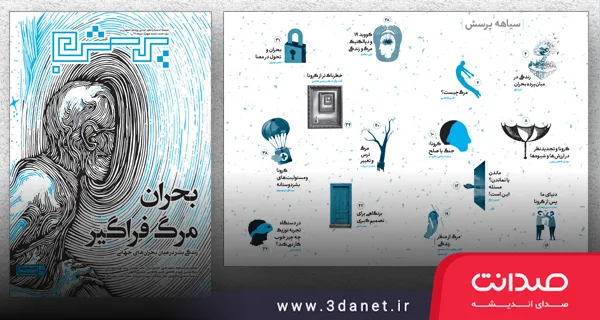
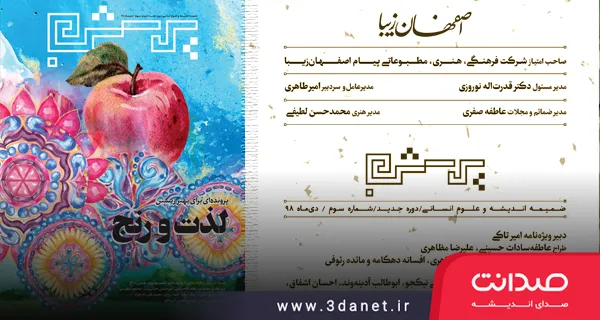
Sixth Special Issue of Isfahan-e Ziba Daily's Question: From Ideological Society to Ethical Society
An ideological society, with its monopolistic claims and illusory promises, is the enemy of humane living; an ethical society, by contrast, allows human dignity to flourish through freedom and justice. The sixth special issue of Porsesh examines the transition from an ideological society to an ethical one.

From the past to the present, in his collective life, man has always cherished wishes and aspirations that his society might bring about the best possible state of a desirable life for him. He has envisioned all these aspirations in a utopia. His utopia is the very place that reconstructs an earthly paradise. It both guides human beings toward a life of comfort and tranquility and facilitates their path to transcendence. In fact, utopia is a horizon that diminishes human sufferings and pains and increases their joy and delight. Yet the trajectory of human beings throughout history has been such that they cannot easily clothe this age-old wish in the garb of realization. Based on this historical course and the experiences of human collective life, this point has clearly revealed itself: society follows rules and principles which, if not observed, cause many wars, disorders, collapses, evils, and sufferings. In human society, without attending to the discovery of these principles, their analysis, and the correct implementation of these matters, one cannot promise a suitable life for all members of society. But disagreement in delineating these rules and laws has itself been the cause of many conflicts and wars. Which thought can create the utopia has, until now, been a locus of disagreements. The imposition of one thought upon the general public and its domination over all other thoughts has been among the dangers that have always threatened humankind. For a thought to depict a semblance of aspirations, but to explicate the path of movement toward achieving them in a manner contrary to all the rules and principles of social life, is not only a great lie, but those aspirations have also certainly been a mirage, and indeed a quagmire of human existence. What we will describe in this issue as an ideological society is, in fact, the absolute domination of a rigid sovereignty and a monopolistic, exclusivist thought in society, which leaves no room for tolerance of other ideas and thoughts and considers no priority higher than its own survival. Although the ideological society promises the people a paradise of abundant blessings, a surge of moral virtues, and human dynamism and movement, in practice, because it moves contrary to human nature and principles, it itself becomes the worst enemy of humanity and human existence. But an ethical society is the very society that, in addition to observing the principles and rules of human existence, is also in harmony and concord with the evolution-seeking nature of humanity. An ethical society recognizes human beings as they are, in the stature of realities, and responds to their needs based on reason, science, and a precise understanding of the human being. An ethical society is an opportunity that safeguards the dignity of being human and allows human honor to flourish. In such a society, not only is there no prohibition against the universe and rebellion against its bounties, but it also prepares the necessary grounds for their dignified enjoyment. A society that shuns fundamental concepts such as freedom, justice, democracy, human rights, the right to self-determination, welfare, security, tranquility, etc., cannot be considered ethical. All these instances are among the adornments of an evolution-seeking and elevating human existence, and naturally, for the realization of ethics and the good in society, one can by no means insist on using the instruments of evil and oppression. Moving away from slogans and sloganistic, unrealistic views—which themselves have always been a serious and fundamental obstacle to the moral development of society—must be given much attention and careful consideration. For years, humankind has preferred the arena of action and the understanding of realities over imaginary notions and hollow demagoguery. One of the important points regarding an ethical society is the measurability and examinability of its degree of inclusiveness. The question of what ethical state and ratio one society holds in comparison to another is not something that cannot be scrutinized. To the extent that fundamental concepts such as freedom, justice, etc., mentioned above, are more realized in a society, the degree of corruption, criminality, and oppression is less manifest in that society, and all members of society can observe more possibilities and opportunities for growth and progress, that society is more ethical. For this reason, the measurability of an ethical society will allow for the examination of hollow and baseless claims. The ethical society has been the age-old wish of truth-seeking human beings and truth-oriented religions, and the evolution of human beings in various dimensions, especially in the domain of ethics, has been the core substance of their messages and invitations.
همانگونه که صحبت شد، زیست متعالی انسانها، نیازمند رعایت قوانین و اصول واقعی است؛ بنا بر این شناخت، مگر میشود جامعهای اخلاقی شود، اما آزادی در آن جامعه به قهقرا رفته باشد، عدالت و مخصوصا عدالت اجتماعی رخت بربسته باشد، افراد جامعه از حضور و مشارکت و ایفای نقش خود سر باز زنند یا واهمه داشته باشند، سیاست منجلاب اخلاق شده باشد، حقوق افراد پایمال شود، محیطزیست رو به نابودی رفته باشد، آرمانها بیرنگ و سجایای اخلاقی مذموم شده باشند؟ همه اینها و بسیاری از موارد مشابه دیگر نشاندهنده آن است که مدیریت جامعه جای شعارهای رنگارنگ و فریبنده نیست. زندگی جمعی، همانند سایر عناصر این جهان هستی تابع علتها و عوامل است و کار علم پی بردن و تحلیل این عوامل است. آری تلاش کردهایم در این شماره با نگاهی عبرتگونه به جامعه ایدئولوژیک، درسها و تجربههای دردناک و تأسفبار آن، جامعه اخلاقی را تعریف کنیم و از راه رسیدن به آن، صحبت کنیم. این ویژهنامه فرصتی شد که در رابطه با چیستی اخلاق، مدلهای نوینی که میتوانند جامعه اخلاقی را معنا کنند، اعتبار بخشند و زمینه را برای ایجاد آن فراهم کنند، به ارائه بحثها و تئوریهای مهمی در حوزههای فلسفی، جامعهشناسی، انسانشناسی، دینشناسی، علوم سیاسی، اقتصاد و... بپردازیم.
.
.
PDF file of the sixth special issue of Isfahan-e Ziba Daily's Question: From Ideological Society to Ethical Society
.
.
Source: Fifth special issue of the Question supplement, Isfahan-e Ziba Daily
Entitled: "From Ideological Society to Ethical Society" A dossier aimed at understanding societies under the domination of an ideology and how to achieve an ethical society
Featuring writings and talks by:
Maghsoud Farasatkhah, Nasser Fakouhi, Nematollah Fazeli, Bijan Abdolkarimi, Hossein Dabbagh, Nasser Mahdavi, Emad Afroogh, Hassan Mohaddesi Gilvaei, Mohammad Mehdi Mojahedi, Hossein Houshmand, Alireza Rajaei, Mohammad Taghi Fazel Meybodi, Firouzeh Saber, Shahriar Dabirzadeh, and Amir Taki
.
.



Discussion1 comments
نقل قول از نویسنده: " تحمیل یک اندیشه بر عموم مردم و سیطره آن بر تمام اندیشههای دیگر، از جمله خطراتی بوده که همواره بشر را تهدید میکرده است. اینکه اندیشهای جلوهای از آرزوها را ترسیم کند، اما مسیر حرکتی برای دستیابی به آنها را مخالف با تمام قواعد و اصول زندگی اجتماعی تبیین کند، نهتنها دروغی بزرگ بوده که آن آرزوها هم قطعا سراب و بلکه مرداب زیست انسانی بوده است. " حیرت انگیز است که نویسنده خصلت های خود و توهم جامعه مدعی علم و دموکراسی را چقدر دقیق بیان کرده و با عدم توجه به نتیجه و تاریخ عملکرد جامعه مدعی تخصص و عقلانیت و دموکراسی که متعصب ترین و غیر دموکراتیک ترین جمع تاریخ کشور ( روشنفکران، مدعیان تخصص و فهم اجتماعی) بوده اند باز به دون کیشوت ساخته و پراخته اساتید دانشگاه و رسانه های مدرن تاخته است. ميان عاشق و معشوق هيچ حائل نيست تو خود حجاب خودي حافظ از ميان برخيز اگر کسی باشد که که عدم صداقت و رفتار تحکمی و سرکوب گر کسانی را که دیگران را با ایئولوژی خواندن مواضع دیگران و سرکوب دیگران با ایدئولوژیک خواندن آن ها را متوجه نشده باشد بد نیست که کمی به رفتار جامعه مدعی ضد ایدئولوژی دقت کند و سخنان انان را بخواند . شاید متوجه بزرگترین تعصب موجود که همان جزم موجود در خود این مدعیان است بشود. ایدئولوژی خواندن یک موضع بکار بردن pejorative terminology است. positivism مکنون و پنهان 1920 اروپاست که اکنون خود تبدیل به ناسزا شده است. اکنون پوزیتیوست خواندن یک نفر به معنی جزم و عدم درک فلسفه علم است. قایم شدن پشت نقاب دموکراسی ، علم، تحصیلات راه گیج کردن مخاطب و جامعه عوام است . ایدئولوژیک ترین نگاه ممکن (اگر موقتا ایدئولوژی و معنای misnomerان را از نویسنده قرض بگیریم و به متعصبین متظاهر بپیوندیم ) موضع خود این نویسنده است.