Religion
The Ascending and Descending Love of the Mystic Guerrilla
Mostafa Chamran has been called the embodiment of Shariati's desert. His social mysticism, shaped in the shadow of the thought of Shariati and Iqbal, manifests itself in three phenomena: pain and sorrow, art and beauty, and faith and sacrifice.

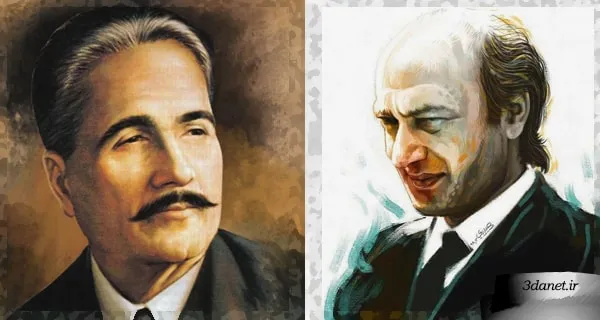
در مقاله پیشین از مجموعه مقالات عرفان اجتماعی بر بستر توحید اجتماعی-سیاسی پس از بررسی عرفان اجتماعی شریعتی و اقبال گفته شد که آنچه که اقبال و شریعتی به عنوان "مسلمان تمام" رونمایی کردهاند را میتوان در شمایل در چمران و هدی صابر دید. در این مقاله به بررسی عرفان اجتماعی دکتر مصطفی چمران و تاثیر عرفان شریعتی و اقبال بر او خواهیم پرداخت.
چمران و شریعتی دو دانشجوی مبارزی بودند که در تشکلهای انجمنهای اسلامی دانشجویان، نهضت خداپرستان سوسیالیست، نهضت مقاومت ملی، نهضت آزادی خارج از کشور و سازمان مخصوص اتحاد و عمل با یکدیگر همکاری داشتند و از دوستان نزدیک همدیگر محسوب میشدند. اما ارتباط میان آن دو فراتر از دوستی و همفکری بود. از چمران به عنوان مجسم کویر شریعتی یاد میکنند. چمران در سخنرانی خود در دانشگاه تهران در دومین سالگرد شریعتی از علاقه خود به کویریات و عرفان شریعتی میگوید:
«..من به علم و هنر دکتر شریعتی احترام میگذارم اما به عشق و عرفانش عشق میورزم، علمش عقلم را جذب میکند و هنرش احساسم را برمیانگیزد، مبارزه و فداکاریهایش در من ایجاد احترام میکند، اما عشقش قلب مرا میسوزاند و عرفانش روح مرا به معراج میبرد..»
او در ادامه همین سخنرانی اشاره میکند که کتاب هبوط در کویر شریعتی را در نبردهایش در جنگ داخلی لبنان و جنگ با اسرائیل به همراه داشته و به گونهای غرق در کویر میشده که نزدیکی دشمن و خطر آتش آن را از یاد میبرده است و در مرثیهای که پس از مرگ شریعتی برای او نوشته است نیز به این نکته اشاره نموده است:
« ...ای علی! شاید تعجب کنی اگر بگویم که همین هفته گذشته که به محور جنگ «بنت جبیل» رفته بودم و چند روزی را در سنگرهای متقدّم «تل مسعود» در میان جنگندگان «امل» گذراندم، فقط یک کتاب با خودم بردم و آن «کویر» تو بود؛ کویر که یک عالم معنا و غنا داشت و مرا به آسمانها میبرد و ازلیّت و ابدیّت را متصل میکرد؛ کویری که در آن ندای عدم را میشنیدم، از فشار وجود میآرمیدم، به ملکوت آسمانها پرواز میکردم و در دنیای تنهایی به درجه وحدت میرسیدم؛ کویری که گوهر وجود مرا، لخت و عریان، در برابر آفتاب سوزان حقیقت قرار داده، میگداخت و همه ناخالصیها را دود و خاکستر میکرد و مرا در قربانگاه عشق، فدای پروردگار عالم مینمود...»
او خطاب به شریعتی مینویسد:
«...خوش داشتم که وجود غمآلود خود را به سرپنجۀ هنرمند تو بسپارم، و تو نیِ وجودم را با هنرمندی خود بنوازی و از لابلای زیر و بم تار و پود وجودم، سرود عشق و آوای تنهایی و آواز بیابان و موسیقی آسمان بشنوی. میخواستم که غمهای دلم را بر تو بگشایم و تو «اکسیرصفت» غمهای کثیفم را به زیبایی مبدّل کنی و سوزوگداز دلم را تسکین بخشی...»
چمران در ادامه در سخنرانی اش در سالگرد شریعتی درباره اجزای عرفان شریعتی میگوید:
«عرفان شریعتی را میتوان در سه پدیده عملی مشاهده کرد، درد و غم، هنر و زیبایی ، ایمان و فداکاری».
حال به این ویژگیها در عرفان خود چمران میپردازیم. چمران خود نیز غم و درد را همراه همیشگی خود میدانست و از برکلی تا هویزه در نیایشها و یادداشتهایش به آن اشاره نموده است:
«..ای غم، در دوران زندگیام بیشتر از هر کس مصاحبم بودهای، بیشتر از هر کس با تو سخن گفتهام و تو بیش از هر کس به من پاسخ مثبت دادهای. اکنون بیا که میخواهم تو را برای همیشه بر قلب خود بفشرم و در آغوشت فرو روم، بیا که دوستی بهتر از تو سراغ ندارم، بیا که تو مرا میخواهی و من تو را میطلبم، بیا که کشتی مواج تو در دریای دل من جا دارد، بیا که دل من همچون آسمان به ابدیت و بینهایت اتصال دارد و تو میتوانی به آزادی در آن پرواز کنی..»
«..خدايا! تو را شكر ميكنم كه مرا با درد آشنا كردی تا درد دردمندان را لمس كنم، و به ارزش كيميايی درد پي ببرم، و «ناخالصی»های وجودم را در آتش درد بسوزم، و خواستههای نفسانی خود را زير كوه غم و درد بكوبم، و هنگام راه رفتن بر روي زمين و نفس كشيدن هوا، وجدانم آسوده و خاطرم آرام باشد تا به وجود خود پی ببرم و موجوديت خود را حس كنم..»
در بعد هنر و زیبایی، چمران تابلوهای نقاشی، مجسمهها و عکسهایی از خود به یادگار گذاشته است، او در خطاطی شاگرد استاد صانعی و در نقاشي شاگرد استاد ارژنگی از شاگردان بنام كمالالملك بود. نقاشیها و نیایشهای چمران همگی تجلیات دیگری از عرفان و احوال وجودی او هستند. در بعد ایمان و فداکاری نیز میتوان گفت که زندگی چمران از نوجوانی تا شهادت با این دو سپری شده است.
۲
فصل نخست از زندگی مبارزاتی چمران مربوط به دوران مبارزات دانشجویی او در ایران و آمریکا است. چمران شاگرد طالقانی در مسجد هدایت و شاگرد مهندس بازرگان در دانشگاه تهران بود، در مبارزات نهضت ملی شرکت داشت و در واقعه ۱۶ آذر ۱۳۳۲ که به شهادت سه تن از یارانش انجامید تیر خورد و مجروح شد و پس از کودتا از فعالان نهضت مقاومت ملی بود. چمران پس از هجرت به آمریکا برای ادامه تحصیل به همراه یارانش تشکلهایی نظیر «جبهه ملی ایران در امریکا» ، «انجمن اسلامی دانشجویان در امریکا و کانادا» و نهضت آزادی خارج از کشور را پایهگذاری کردند و به فعالیت و مبارزه علیه شاه پرداختند که به علت همین مبارزات دانشجویی بورس تحصیلی او قطع شد.
پس از اخذ مرکز دکترا در دانشگاه برکلی با رتبه شاگرد اولی و اشتغال در ناسا و ازدواج و بهرهمندی از بالاترین سطوح زندگی مادی، غم غربت، جدایی و تنهایی وجود چمران را فرا میگیرد که این موضوع در یادداشتهای آمریکای او مشهود است:
«...نزدیک به یک سال میگذرد که در آتشی سوزان میسوزم. کمتر شبی به یاد دارم که بدون آب دیده به خواب رفته باشم و آههای آتشین قلب و روح مرا خاکستر نکرده باشد!
..خدایا نمیدانم تا کی باید بسوزم؟ تا چند رنج ببرم؟ در همه حال، همه جا و همیشه تو شاهد بودهای. عشقی پاک داشتم و آن را به پرستش ذات مقدس تو ارتباط میدادم، ولی عاقبتش به آتشی سوزان مبدل شد که وجودم را خاکستر کرد. احساس میکنم تا ابد خواهم سوخت. شمعی سوزان خواهم بود که از سوزش من شاید بشریت لذت خواهد برد!..
..ولی ای خدای بزرگ از چیزهایی که دیگران به دنبال آن میروند بیزارم. اگرچه بیش از دیگران میدوم و کار میکنم، اگر چه استراحت شب و نشاط روز را فدای فعالیت و کار کرده و میکنم ولی نتیجه آن مرا خشنود نمیکند. فقط به عنوان وظیفه قدم به پیش میگذارم و در کشمکش حیات شرکت میکنم و در این راه، انتظار نتیجهای ندارم!..
...خستگی برای من بیمعنی شده است، بیخوابی عادی و معمول شده، در زیر بار غم و اندوه گویی کوهی استوار شدهام، رنج و عذاب، دیگر برایم ناراحت کننده نیست. هر کجا که برسد میخوابم، هر وقت که اقتضا کند میخیزم، هرچه پیش آید میخورم، چه ساعتهای دراز که بر سر تپههای اطراف «برکلی» بر خاک خفتهام و چه نیمههای شب که مانند ولگردان تا دمیدن صبح بر روی تپهها و جادههای متروک قدم زدهام. چه روزهای درازی را که با گرسنگی به سر آوردهام. درویشم، ولگردم، در وادی انسانیت سرگردانم و شاید از انسانیت خارج شدهام، چون احساس و آرزویی مانند دیگران ندارم...
..خدایا خسته و وا ماندهام، دیگر رمقی ندارم، صبر و حوصلهام پایان یافته، زندگی در نظرم سخت و ملالتبار است؛ میخواهم از همه فرار کنم، میخواهم به کنج عزلت بگریزم. آه دلم گرفته، در زیر بار فشار خرد شدهام...
..ای خدا بزرگ، معنی زندگی را نمیفهمم. چیزهایی که برای دیگران لذتبخش است، مرا خسته میکند. اصلاً دلم از همه چیز سیر شده است، حتی از خوشی و لذت متنفرم. چیزهایی که دیگران به دنبال آن میدوند، من از آن میگریزم، فقط یک فرشته آسمانی است که همیشه بر قلب و جان من سایه میافکند. هیچگاه مرا خسته نمیکند. فقط یک دوست قدیمی است که از اول عمر با او آشنا شدهام و هنوز از مجالست با او لذت میبرم...
O God, I come to You and seek Your help; I have no succorer or refuge but You. Let only You know, let only You be aware of my conscience. I surrender the tears of my eyes to You…
Chamran’s existential state in Berkeley can be explained through what Kavous Kiani has called the trilogy of “Separation – Loneliness – Estrangement” in Shariati’s mystical teachings:
“…In our culture, mysticism means knowledge. Yes! Knowledge. First, knowledge of one’s own human nature. The knowledge that the human being is a supernatural entity possessing the power of ‘self-consciousness, free will, and creativity.’ And second, knowledge of one’s specific place in this existence. The knowledge that I, as a human being, am a special entity in this world, a distinct thread set apart from other beings. A knowledge that arises from the human being’s encounter with other phenomena of this existence. And then, the emergence of a kind of feeling of ‘separation’ from other beings of existence, and in Sartre’s terms, the feeling of being ‘délaissé,’ that is, being ‘disinherited’ from nature, and this feeling of ‘separation’ from nature creates an ‘anxiety’ within him, an anxiety stemming from a deficiency that exists in his relationship with nature. That is, to the extent that a human becomes human, he feels ‘needs’ that nature can no longer fulfill. Why? Because nature is a house where humans and cows, animals and plants, all live together, and this nature is built according to the needs of the animal. And the human being who has come into being in this nature has needs that nature, that is, the shared house of him and the animal, cannot fulfill. It is from here that ‘deficiency,’ and the feeling of ‘alienation’ from the world, and the feeling of ‘estrangement’ in this world, are created within him. And this thirst and estrangement create need and longing within him. Need and longing, which are the two main wellsprings of the manifestation of the mystical spirit in humankind. Then, this feeling of ‘separation,’ and despair at the fulfillment of his trans-material needs, gradually draws him toward ‘loneliness,’ loneliness amidst all these countless beings! Yes! Loneliness, but not in its tepid social sense, but rather loneliness in the sense of: the human being, in the estrangement of this existence, fears, flees, is restless, is in search of finding intimacy with his ‘self,’ waiting to find someone like himself, with whom, in this world, they might have a secure, familiar, and mutually reliant ‘being’ together. And gradually, the continuation of the feeling of loneliness and loneliness and loneliness! And not finding a kinship that might lessen this fear a little, and be a calm for his restless being, and then, the emergence of the feeling of ‘estrangement’ in nature, on earth, and amidst the throng of the crowd, and the emergence of the desire to see one’s homeland, the soul-wrenching pain of separation, and the yearning to go and go and go! And passing through the threefold mystical process of ‘Separation – Loneliness – Estrangement,’ a process that, on the path of the ‘becoming’ of every self-conscious human being, lies in wait for him…”
He considers this process, from Shariati’s perspective, to be the beginning of transcending—and not negating—the instinctual self and negative selflessness (as is customary in traditional mysticism), and the cultivation of the human being’s divine self:
“…The human being, who at first, in encountering other phenomena of existence, and in Shariati’s terms: in gazing upon the visage of this ruinous abode, had seen an inherent alienation between his ‘intimate nature,’ and in other words, between that ‘limpid self of his,’ and the other phenomena of this ‘ruinous abode,’ and had arrived at a feeling of ‘separation,’ and, despairing of finding ‘kinship’ among these strangers, had taken refuge in ‘loneliness,’ and gradually, had felt the feeling of ‘estrangement’ in the depths of his conscience, arrived at a ‘painful truth’ (being part of material nature), undertook a ‘fundamental division’ (the division of the lower world – the higher world) in existence, and found an ‘eternal characteristic’ (the human being’s characteristic of seeking the unseen) within himself! In Shariati’s view, the course of the threefold mystical process of ‘Separation – Loneliness – Estrangement’ is the beginning of an important stage of vast future existential transformations in the life of every human being. It is the beginning of the emergence of a liberating ‘feeling of aversion,’ and the beginning of a transcendent process of ‘going beyond’ one’s ‘instinctual self,’ and cultivating one’s ‘divine self,’ and stepping onto the endless road of ‘becoming God-like’… ”
But what sent Chamran on the endless road of “becoming God-like”? In his elegy for Dr. Shariati, addressing him, he writes:
«..ای علی! تو را وقتی شناختم که کویر تو را شکافتم و در اعماق قلبت و روحت شنا کردم و احساسات خفته و ناگفتۀ خود را در آن یافتم. قبل از آن، خود را تنها میدیدم و حتی از احساسات و افکار خود خجل بودم و گاهگاهی از غیرطبیعی بودن خود شرم میکردم؛ اما هنگامی که با تو آشنا شدم، در دوری دور از تنهایی به در آمدم و با تو همراز و همنشین شدم.
ای علی! تو مرا به خویشتن آشنا کردی. من از خود بیگانه بودم. همۀ ابعاد روحی و معنوی خود را نمیدانستم. تو دریچهای به سوی من باز کردی و مرا به دیدار این بوستان شورانگیز بردی و زشتیها و زیباییهای آن را به من نشان دادی...ای علی! همراه تو به کویر میروم؛ کویر تنهایی، زیر آتش سوزان عشق، در توفانهای سهمگین تاریخ که امواج ظلم و ستم، در دریای بیانتهای محرومیت و شکنجه، بر پیکر کشتی شکستۀ حیات وجود ما میتازد...»
احوال وجودی چمران که بیتاب و بیقرارش کرده است، او را مجبور به انتخاب بین حقیقت، مصلحت، منفعت میکند. شریعتی همواره از قربانی شدن حقیقت به پای مصلحت گلایه داشت، اما انسان کویرش میان منفعت شخصی که بهرهمندی از سطوح بالای زندگی مادی بود، از مصلحتاش که زندگی آرام، بیدردسر و مرفهانه در آمریکا بود میگذرد و به پی آواز حقیقت راهی خاورمیانه پر از تلاطم، محرومیت و خشونت میشود.
پس از واقعه سرکوب قیام ۱۵ خرداد و بازداشت اعضای نهضت آزادی، جوانان فعال در شاخه دانشجویی نهضت در داخل و خارج، مطابق جو عمومی دوران در جهان مبارزه پارلمانتاریستی و اصلاحی و مسالمت آمیز را بیفایده دیده و بدون اطلاع سران نهضت اقدام به تشکیل سازمانهایی با رویکرد مبارزه مسلحانه مینمایند. جوانان نهضت آزادی خارج از کشور ( شریعتی، چمران، یزدی و..) سازمان مخصوص اتحاد و عمل (سماع) را بنیان میگذارند و جهت فراگیری آموزش های چریکی راهی مصر میشوند. برخی از اعضای شاخه دانشجویی نهضت آزادی در داخل ایران (حنیف نژاد، بدیع زادگان و سعید محسن معروف به مجاهدین بنیانگذار که سازمان پس از اعدام آنان دچار انحراف شد) نیز سازمان مجاهدین خلق را تاسیس مینمایند. اعضای سازمان مخصوص اتحاد و عمل پس از آموزش های چریکی اولیه به دلیل مواضع ضد تمامیت ارضی ایران توسط مصر از آن کشور خارج میشوند و بعدها فعالیت این سازمان متوقف میشود. امام موسی صدر بعد از بازدید از هنرستان کارآموز مهندس بازرگان و دکتر سحابی از سبک آن مدرسه الهام گرفته و تصمیم به تاسیس مدرسه صنعتی جبل عامل در جنوب لبنان میکند و این امر پلی میشود برای حضور چمران در لبنان. دکتر یزدی در یادنامه شهید چمران در این باره مینویسد:
«.. بعد از برگشت من به آمریکا، امام موسی صدر اطلاع داد که مدرسهٔ فنی جبل العامل در شهر صور، در جنوب لبنان آماده بهرهبرداری است و خواست که یک مهندس شایسته معرفی شود. همزمان ایشان همین سؤال را در سفر به تهران از مهندس بازرگان کرده بود هر دوی ما، دکتر چمران را معرفی کردیم. او هم استقبال کرد..»
فعال مبارز دانشجویی و فرزند جریان نواندیشی دینی، پس از رسیدن به سطوح بالای زندگی مادی احساس بیگانگی میکند، از تمامی مواهب آن زندگی چشم میپوشد، در مصر چریک میشود تا برای آزادی مردمان خود را فدا کند و پس از آن به لبنان میرود، وارد شدن چمران به لبنان مصادف است با ساخته شدن فیگور چریک عارف.
۲
چمران در لبنان در مدرسه جبل عامل به آموزش و توانمندسازی یتیمان جنوب لبنان میپردازد، بعدها با تشکیل سازمان افواج مقاومت لبنان در جنبش امل از همان شاگردان مجاهد و چریک میسازد که بعدها در جنگ داخلی لبنان و همچنین نبرد با اسرائیل و جنگ ایران و عراق همراه استادشان حماسه ها میسازند. و در تمامی مبارزات سیاسی، نهادسازیهای مدنی و توانمندسازی و عزت و قدرت بخشیدن به شیعیان لبنان که در فقر و فلاکت و محرومیت و انزوا بودند در کنار امام موسی صدر حضور دارد و حتی از مبارزات ایران نیز غافل نیست و نیروهایی برای سازمان مجاهدین اولیه (دوران بنیانگذاران) جذب، تربیت و به ایران میفرستاد.
هیام عطوی از شاگردان دکتر چمران در جبنش امل درباره رابطه او و شاگردانش میگوید:
«..There is a picture on the cover of the Lebanon book where you see Dr. Chamran sitting on the ground with an aba draped over his shoulders, and the children are sleeping beside him. This photo is from the night Israel was bombing the area, and Dr. Chamran, so that the children, especially the younger ones, would not be afraid, sat among them and told them stories. This image conveys that paternal feeling of Dr. Chamran, and we can fully sense what emotional and spiritual state he was in. He did this so the children would not experience more stress... If I want to depict the role of Martyr Chamran in the resistance more deeply, I must say: he scattered not saplings, but seedlings of resistance in Lebanon. Those seedlings were the four hundred and some children who were raised at the Jabal Amel Institute under Dr. Chamran's supervision. Now, all of those children are among the political figures of Lebanon and have come to power... In whose home are stories told to children? The one who is most compassionate and attentive to the upbringing of children, and that is the mother. Martyr Chamran was a mother to the children. At night, they would fall asleep with the feeling of Dr. Chamran's kindness, and even now they sometimes recount: At night, Dr. Chamran would stroke our heads. Another would say, when I was sick, Dr. Chamran would bring medicine and water and say: Don't you move from your place...»
In the previous article, it was said that in the mysticism of Shariati and Iqbal, the path to God passes through the people. Gabriel Marcel calls this way of conduct "progressive love," which leads to ascending love. Soroush Dabbagh, in the third article of the series outlining a modern mysticism, writes about Marcel's view:
« .. Marcel speaks of "progressive love"; a loving that begins with concrete human beings of flesh, blood, and bone, human beings who live around us and grapple with various kinds of problems; a loving that ultimately results in "ascending" and heavenly love and possesses numerous spiritual effects and blessings. Marcel emphasizes that the path of faith passes through fidelity, and one who is faithful in daily relationships and interactions and is strongly loyal to their spouse, relatives, and friends and does not break their covenant has attained the readiness to step onto the path of faith and partake of good spiritual states. It is as if the path to heaven only passes through the earth and attending to earthly beings: "The prepared human must constantly be engaged in battling the forces within himself and in his surrounding environment that incite him to adopt the stance of a self-sufficient individual substance.... The principal commandment in Judaism, and also in Christianity, is love of God and neighbor, and ascending love can never be separated from progressive love... My deepest and most unshakeable conviction ... is that ... God's will is, in no way, that we love Him, and not His creatures, but that we praise Him through creatures and along with creatures, as the starting point of our work." Emerging from the personal enclosure and "self-ness" and turning toward the other is the first condition for stepping into the realm of ethics, faith, and mystical conduct; for one who is solely preoccupied with and attends to themselves and does not see or take into account others and their concerns cannot love other concrete human beings from the depths of their soul and experience "progressive love." Progressive love is a necessary condition for the realization of ascending love and is not realized except through attending to other creatures, gazing into their faces, feeling responsibility toward them, and striving to reduce their pain and suffering; going to God and traversing distant horizons passes through the conduit of the suffering human beings around us..»
Dr. Dabbagh then addresses the importance of the other in the view of Emmanuel Levinas, who is famous for his emphasis on "the Other":
«..Levinas, too, in the contemporary world, speaks of a post-Holocaust ethics in which attention to evils and seeing and taking into account the pain and suffering of the “Other” are among its constitutive elements; hence, concepts such as “face” and “infinite responsibility” become central and paramount in Levinas’s ethical system: “... only an ethics that sets no limit on responsibility, that has no concern for the exchange and reciprocal response of the other, that grasps the transcendence of the Other’s face, that places the Other before oneself, that makes ‘Thou shalt not kill’ the command of its commands, and compels me to be the Other’s sleeplessness and to suffer from the Other’s suffering, can contend with animal and unbridled power... In the face of boundless evil, only boundless responsibility can resist. The Holocaust summons us to an infinite responsibility, both toward those who have passed, toward our contemporaries, and toward future generations...” the highest ethical principle. For Levinas, attending to the “Other” and considering their concerns and pain and suffering are constitutive of any justified ethical system; an ethics that begins from the “self” and does not primarily and essentially entail attending to and including the “Other” has a serious deficiency. The “Other” can be anyone; my mother, father, spouse, child, sister, and brother; my friend, neighbor, and colleague; a passerby who walks past “me” every day on the street, or sits beside me on the bus, metro, or taxi. In light of attending to the “Other,” one can better know oneself and expand one’s existential capacity. As long as I have not experienced the “Other” as “Other,” I have not properly known myself and have not stepped into the realm of ethics. In other words, it is in the presence of the “Other” that I become “I,” and I will know myself more deeply and better. Coming out of oneself and being open to the “Other,” being concerned for them, and becoming all eyes and seeing them are constitutive of the flourishing and ethical maturity of the “I.” One who remains within the enclosure of their self and for whom speaking about others is merely a lip service, and who has not established a deep existential relation with their own here-and-now and the “Other,” and has not come out of themselves, does not have a proper understanding of the ethical matter. Hence, the concept of “face” is important in Levinas’s philosophy; gazing into the “Other’s” face and seeing them, taking them into account, and palpably touching their concerns and predicaments has a complete entry-point into the ethical living of the “I.” According to this conception, the point of departure for ethical action in human relations is the “Other” and their preoccupations, not the “I.” In fact, when I pay attention to the “Other” and come face-to-face with them, the “I”-“He/She” relation, which could in principle remain merely at the level of a relation between two “entities,” transforms into an authentic human “I-Thou” relation; an “I-Thou” relation that sustains ethical relationships. In more philosophical terms, in Levinas’s view, the universal, necessary, and invariable condition of any justified and effective ethical system is the inclusion of the Other, seeing their suffering, and bearing infinite responsibility toward them...»
Hiyam Atwi says of Chamran’s ascending love, his regard for the Other, and his social mysticism:
«...If you read Dr. Chamran's prayers, what he wrote in America is very different from what he wrote in Lebanon. In America, he writes: 'God, I can no longer endure, deliver me from this world.' But in Lebanon, he writes: 'God, give me strength, give me more life so that I can bring down this vicious enemy.' His prayers are very beautiful. Usually, people with the education and opportunities that Dr. Chamran had, if they abandon everything, others would say to them: 'Madman!' Meaning, someone who has no sense—what does it mean that a person studies so much, endures being away from his country, and then suddenly abandons it all and goes to Lebanon? How can such a thing happen? Someone once asked me why Dr. Chamran came to Lebanon. We have a hadith that says God is in broken hearts. Dr. Chamran was looking for a place where he could be very close to God, and that place was the South; that region was deprived in every respect. Many of the people who come there are below zero in terms of education and economic matters; people like us didn't even know what the government and the army meant. Because this region was completely abandoned, meaning from Sidon southward the region had been abandoned, and every five or six villages had no more than one school. Now, imagine what the condition of such a region must have been. Chamran chose that very region and lived there, in an institute where the most deprived strata of society lived. In fact, it became a 'light upon light.' In terms of mystical matters, that place was for Dr. Chamran the embodiment of the Throne and became a platform for his ascent. That place was the closest point to God, the very place where a child begins to cry in the middle of the night; the tears of that orphan child and that poverty were the most beautiful platform for Dr. Chamran, but from the perspective of others, it was: 'Which sane person would do such a thing?' Dr. Chamran was seeking something else...»
Dr. Chamran, in his supplication 'I am the Morning Sigh,' speaks of the importance he placed on the deprived and touching and feeling their pain and suffering:
«.. I am the cry! that has been preserved in the wounded breast of Jabal Amel through centuries of oppression and cruelty. I am the heart-rending wail of broken-hearted orphans who wake in the middle of the night from extreme hunger, and there is no loving hand to touch and caress them; they are afraid of the darkness and loneliness. There is no warm embrace to give them shelter. I am the morning sigh that originates from the burning breast of widows and, accompanied by the dawn breeze, goes in every direction in search of awakened hearts and consciences, and I become so weary that I collapse. Hopeless and despairing, I turn into a teardrop and fall like a dewdrop onto the lap of a leaf. I am the tears of orphans who, broken-hearted, run in every direction in search of father and mother, but the more they run, the less they find. Woe unto the time when an orphan weeps, for the heavens tremble...»
Accounts of Chamran's ethical and humane treatment of enemy soldiers in the Iran-Iraq War, the high value he placed on the lives of his soldiers and his boundless love for them, his conduct with the families of SAVAK agents during his deputy prime ministership, and with the journalist who, at the beginning of the revolution, had branded him a warmonger, his behavior in his marital life with Ghada—all speak of his social conduct and his movement within the triangle of God, the people, and the self. Chamran's movement within this triangle can be seen in his Lebanon diary entry for October 10, 1976:
“How strange! I was standing in prayer, beside myself, inexplicably joyful, I could not contain myself, I was smiling, in my heart was the sound of laughter, my soul soared to the heavens, everything seemed beautiful, from every corner the signs of glad tidings rained down, the cells of my body danced with delight… Truly a strange state had come over me, to the point where my throat burned from the intensity of joy, and I understood nothing of prayer, worship, or attention to God. Suddenly I fell into thought to understand the reason for this intense happiness. I thought, I split open my soul and my heart, and at last I found the truth… I realized that in the morning, trembling and afraid, tired and withered, I had risen from bed… I rose from a sleep that was all fear and terror… I was expecting the enemy’s onslaught… every moment there was fear that the enemy would attack me and a hail of bullets would cast me to the ground… I passed through several enemy checkpoints, at each one they were searching to find and destroy me or my friends, with trepidation and fear I entered the checkpoint and with what effort I showed myself calm and composed until I finally left the checkpoint… I passed through all of them safely. My poor friends, fearful and trembling, came to me from the farthest points and spoke of the enemy’s attack and the danger of death. I calmed them all with the power of faith and trust in God, I gave them hope, I bestowed faith, and with a strong heart and self-assurance I sent them all to their homes… All set out for their own villages happy and hopeful. A number of migrants, the afflicted, the poor, the helpless came to me, poverty and hunger had reached their bones. I gave something to each one and sent them all away happy and hopeful… When I was passing through the school courtyard I encountered the armed youth, the guards, the movement… I pressed everyone’s hand with firmness and affection and kissed the cubs, and with fiery words I made everyone hopeful and encouraged them… My whole day was intensely occupied. I had not a moment’s peace. I could not sit down for a moment or even read a newspaper, people came one after another and poured out their hearts, and I too listened calmly and generously sent them away satisfied… At the end of the day, I was tired but my soul was brimming with vitality. My heart was bubbling with love and hope, and I marveled that I was still alive. I was happy that I had passed through several ‘Hajez’ checkpoints and no one recognized me or shot me… I was delighted that no one attacked the institution and caused us any harm… I was happy that at the peak of despair, in the extremity of poverty, in the depths of weakness, I was able to give people hope, to help the poor, and to bestow hope and confidence upon the terrified and the weak… I was happy that my existence was useful on this day, I was happy that fortune helped me on this day. I felt that I had passed through Rostam’s Seven Labors, and this was my greatest victory… Suddenly a flood of tears streamed down my face because I realized my own poverty, weakness, and helplessness, and found all my happiness baseless… I wept and then found peace.”
In his monotheistic worldview, Chamran considered the world a field of trial whose purpose was nothing but love. Love is the axis of everything in Chamran’s life; he moved from progressive love to ascending love:
“Love is the goal of my life and the engine of my existence. I have seen nothing more beautiful than love, and I have desired nothing higher than love. It is love that stirs my soul to waves, makes my heart surge, reveals my hidden talents, frees me from selfishness and self-regard, makes me sense another world, I dissolve into the realm of being, I find a delicate feeling, a sensitive heart, and a beauty-perceiving eye. The trembling of a leaf, the light of a distant star, a tiny ant, the gentle morning breeze, the ocean wave, the sunset—they captivate my feeling and soul and carry me from this world to another … All of these, all of them, are manifestations of love … It is for the sake of love that I sacrifice. It is for the sake of love that I look upon the world with indifference and discover other dimensions. It is for the sake of love that I see the world as beautiful and worship beauty. It is for the sake of love that I sense God, worship Him, and offer my life and existence to Him … I know that in this world I have shown affection to many, even loved them, yet received a bad response. And I consider my own worth far greater than to withhold my affection from anyone, even if that person does not understand my affection and, in their own mind, takes advantage of it. I am greater than to show affection for a reward, or to have a desire in return for love. I burn in my own love and take pleasure in it. This pleasure is the greatest reward that could possibly be counted as an answer to my love … O God, You made me love so that I might burn in the hearts of lovers. You made me a tear so that I might well up in the eyes of orphans. You made me a sigh so that I might ascend from the breasts of the wretched and the afflicted to the heavens. You made me a cry so that I might proclaim the word of truth ever more clearly before the tyrants. You drowned me in the sea of calamity and affliction and burned me in the desert of poverty, deprivation, and solitude …”
He also says of his love for others and other beings:
“..O God who has created beautiful girls and enchanting beauties, and placed love for them in the hearts of men, so that the passing of beauties seizes and carries away the intellect and reason of young men, and through this You wished to let human beings taste the meaning and flavor of love—how well You have accomplished it! I am in love with You, O great God, and I see You in all those beauties; I am attached to all of them, from the pebbles by the sea and the small, dried leaves at the desert’s edge to Your sky and great galaxy. From the small, dirty mosquitoes that torment people with their buzzing, from the venomous and dangerous snakes, from the lowly and detestable insects to Your charming and beautiful girls who are pure beauty from head to toe—I love them all and am in love with them all, for they are all Your representatives, and in all of them I find Your light and beauty …”
Chamran spoke of a kind of love based on the worship of individuals as part of the worship of God, and referred to Dr. Mosaddegh and Imam Sadr as “objects of worship.” In his will, addressing Imam Sadr, he writes:
“..I love you, and this love is not out of need or commerce … My love is because you are worthy of love and affection, and I consider my love for you a part of my love for God. Just as I worship and love God, I also love you, who are His representative on earth. And this loving is as natural to me as breathing …”
He speaks of his desire to experience this kind of love (in addition to romantic love) with his American wife, Parvaneh, and laments that she lacked the capacity for such a love:
“..I wanted to mix the love of a woman with the worship of the One God. I wanted to worship ‘Parvaneh’ and, in the philosophy of unity, count this worship as a part of the worship of God; I wanted to dissolve into her being and experience the ‘state’ of annihilation; I wanted to blend married life with worship, annihilation, and unity; I wanted to touch God; I wanted to mingle body and soul; I wanted to summarize existence in God and God in Parvaneh … But she did not have such a capacity, and perhaps no one else will ever be found who has such a capacity … Realizing this fact has created a philosophical despair in me; I feel an intense loneliness. Absolute loneliness …”
The symbol of Chamran's ascending love is the candle. Burning like a candle to bring light to others. He also alluded to Shariati's fondness for the candle, for which he had adopted the pen names Sham' (Candle) and Chandelle, spoke of Shariati and himself as being candles, and in one of his paintings—which sparked the interest of his Lebanese wife, Ghada, in him—he drew a candle as a symbol of himself: "I always wanted to be a candle, to burn, to give light, and to be an example of struggle, the word of truth, and resistance against oppression..." Beneath the candle painting, he wrote: "I may not be able to eliminate this darkness, but with this small light, I show the difference between darkness and light, truth and falsehood... and whoever seeks light, this light, no matter how small, will be great in their heart.."
4
The path of spiritual wayfaring is based on a kind of monotheistic worldview in which socio-political monotheism holds equal weight for the monotheist as mental-philosophical monotheism; a kind of social mysticism grounded in movement within the triangle of God, the people, and the self. In this path, the way to attain Godlikeness passes through the transcendence and liberation of the people. Here, the wayfarer does not become annihilated in God (fana fi'llah) but rather, in Iqbal's words, becomes the unique pearl of the realm of existence. Chamran, too, ultimately became the unique pearl of the realm of existence; he was not sealed in the negative selflessness of traditional mystics and was aware of the role of the "self" in spiritual wayfaring. He writes in his will, addressing Imam Musa al-Sadr:
"...O my beloved, you never truly knew me! For modesty and shyness prevented me from revealing myself to you, or from speaking of love, or recounting my inner burning… But I, the I who makes this will, the I who loves you… am not a simple person! … I am the god of love and worship, I am the representative of truth and the embodiment of sacrifice, forbearance, humility, action, and struggle. The volcano within me is enough to burn any world; the fire of my love is such that it can melt any heart of stone; my sacrifice is to a degree that few in life have ever reached … The one making this will is not a simple person. He has attained the highest academic ranks, tasted the bitter and sweet of the times, enjoyed the most beautiful and intense loves, plucked fruit from the tree of life's pleasures, enjoyed everything beautiful and lovable, and at the peak of perfection and possession, abandoned everything and, for a sacred goal, accepted a painful, tearful life and martyrdom.... In this world, I need no one. Even at times, I feel no need for the Great God … I ask nothing of Him and feel no need. I want nothing, I make no complaint, and I have no desire..."
Such expressions and definitions of one's own virtues and nobility can also be seen in Nahj al-Balagha from Imam Ali. Chamran's mysticism was the mysticism of Iqbal and Shariati, which is itself a reconstruction of Alavid mysticism. Both Chamran and Shariati were enamored with Imam Ali, and to demonstrate the intensity of this affection, they said that if worshipping other than God were not forbidden, they would worship Ali. Chamran was a product forged from the socio-political monotheism of the first generation of religious intellectuals, the community-oriented teachings of Bazargan, Taleghani, and Imam Musa al-Sadr, and the social mysticism of Shariati and Iqbal. The school of religious intellectualism, by neglecting Chamran and remaining passive in the face of his appropriation by radical fundamentalists, has done an injustice to history and to one of its most valuable legacies. The various dimensions of Chamran's spiritual wayfaring require more extensive and broader research. The story of Chamran's return to Iran until his martyrdom is itself an important subject that lies beyond the scope of this article and will, God willing, be addressed in another writing. At the end of this article, Ahmad Shah Massoud, the leader of the Afghan Mujahideen who drove the Soviets out of Afghanistan, must also be remembered. Like Chamran, he possessed a poetic and gentle nature and was a fervent admirer of Shariati's book Kavir (Desert), which was passed from hand to hand among the Afghan Mujahideen during the days of struggle. Ahmad Shah Massoud, like Chamran, was a man of the desert. In the next and final article of this series, we will address social mysticism in the vision, method, and character of Hoda Saber.
.
.
The Ascending and Descending Love of the Mystic Guerrilla: Social Mysticism in the Vision, Method, and Character of Mostafa Chamran
Author: Mohammad Ghotbi
.
.
The symbol of Chamran's ascending love is the candle. Burning like a candle to bring light to others. He also referred to Shariati's fondness for the candle, for which he had adopted the pen name




Discussion0 comments
No comments yet; let yours be the first voice.