Sociology
The End of the Social Media Age Is Not Far Off
The creators and investors of social media platforms are stepping back, recognizing that these networks exploit human psychology to function like addictive drugs—fostering disconnection and anxiety rather than genuine connection. The end of their dominance may not be far off.
Nick Bilton, Vanity Fair — Many imagine pre-Civil War America as a progressive fantasy: men with handlebar mustaches lounging in dusty saloons, throwing back corn whiskey while a piano plays in the background. But in reality, life in those days was grubbier than that: Americans, after finishing work, spent their time in perfectly legal opium dens smoking heroin. In 1885, opium and cocaine were even given to children as a balm for teething pain. “Cocaine Toothache Drops,” advertised with the slogan “Instantaneous Cure,” sold for 15 cents a packet. Today, in the midst of a drug crisis, when we hear this, we are invariably astonished and ask: “What on earth were they thinking?”
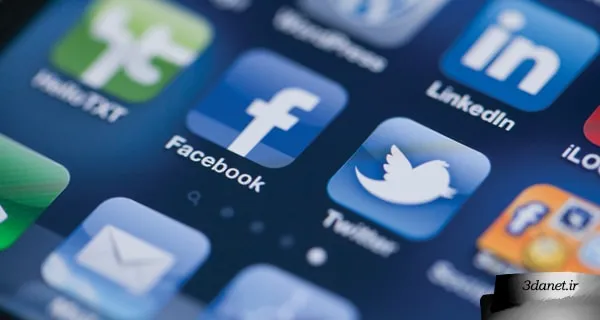
I often have that same astonishment and question when I think about social media and its current dominance over society. Will future generations, ten or twenty or a hundred years from now, look back at our present and ask in bewilderment: granted, these social networks had some benefits, but given the evidence that these platforms were destroying society, why did a generation of humans believe in them so deeply? Evidence such as terrorists using these networks for recruitment, these networks facilitating blackmail, increasing anxiety, and corrupting our elections. Of course, some of the people who created these social networks are not sure today whether they have any benefit at all. A month ago, I published a piece detailing how some of Facebook’s earliest employees now see a monster they themselves created. As one of Facebook’s first employees told me: “I lie in bed at night and think about the things we helped create.” In the early days after publishing that piece, I was waiting for angry emails and messages from former and current employees of Facebook, Twitter, and Instagram. But that didn’t happen; instead, I received many emails from former (and even current) employees of these social networks confessing they feel the same way. Some of them even said they no longer use these platforms themselves. Those who contacted me ranged from engineering ranks to senior executives. Some of the investors who financially backed these networks or their rivals in the early days have told me they no longer use these networks, or use them very sparingly. Last month, Mark Suster of Upfront Ventures wrote that after observing Trump’s use of social media, he deleted Facebook and Twitter from his phone. He wrote: “This act led to a massive improvement in every day of my life, an improvement I cannot describe and you must do it yourself to understand.” His action parallels the countless journalists who have told me they have deleted their accounts, or deleted the social media apps from their phones, or left the world of social media without deleting their account or app.
When I learned that one of these venture capitalists, who had a divine love for Twitter, had been inactive on the network for a while, I emailed him to ask how he was. He replied: “I can hardly imagine why I would return to Twitter. It is like an infectious, addictive disease that I have overcome, and now my body’s immune system is much more content.” As my colleague, Maya Kosoff, wrote a few days ago, the social media boom, which took shape thanks to the growth of the mobile industry, has come to an end. She rightly points out: “Whether the tech industry can move beyond exploiting our social anxieties to sell ads, or beyond making us angrier to increase [social] engagement, may require devising a new plan in the relationship between the San Francisco Bay Area1 and the rest of the country.” This sentiment exists, simultaneously, in parts of the San Francisco Bay Area and the rest of the country.
Now (though it’s been a few months) I myself am part of this group. I’ve deleted Instagram, Facebook, and Snapchat from my phone. Once a month, maybe even less, I check Facebook to see if anyone has sent me a message, and I don’t leave likes or comments. It’s been over a year since I last opened Snap. I used to post photos on Instagram three times a day, but now I post three times a year. For work purposes, I still use Twitter a little, but on weekends I delete its app from my phone because it makes me sad, or angry, or anxious. I can no longer recall the last time checking social media made me happy or empowered. It may not seem important, but this is coming from someone who loved Twitter so much he wrote a book about it.
Yes, we’ve heard all this before—that people are leaving social media and that the platforms are finished. The New York Times has written various versions of this story, and covering this topic in the paper’s business section has become something of a regular column. But I believe this time things are different, that this is the start of a major shift, and the blame lies with these very social networks.
One of the problems is that these social networks closely resemble narcotics. Facebook and the other networks know this very well. Our phones notify us several times an hour about likes, comments, and retweets. Their aim is all the same: to pull us back in so their numbers look better for the next quarterly earnings report. Sean Parker, one of Facebook’s earliest investors and its first president, voiced what we all knew: Facebook’s intent is to act like a drug by “giving you a little dopamine hit every once in a while because someone liked or commented on a photo or a post.” Parker said this was deliberate and premeditated. These companies “exploit a vulnerability in human psychology.” This point was echoed by Chamath Palihapitiya, a former Facebook executive. On a CNN program about Facebook’s role in society, he asked himself, “Do I feel guilty?” and answered, “I certainly feel guilty.”
And finally, the biggest reason that leads people to abandon social media: the promise of connection ended in the reality of disconnection. We all saw how Donald Trump used social media to divide us, how he tweeted his dark, pathetic inner troubles to the world, how he paid no heed that his childish name-calling of a communist dictator, who has as many inner troubles as he does, might bring us to the brink of nuclear war. Watching all of this unfold live makes you ask yourself, what am I doing with this precious life? The same goes for conversations with fellow citizens. We’ve all had failed attempts at dialogue with others on these networks that quickly turned into fights, or had strangers attack you because your views differ from theirs. Years ago, a Facebook executive told me that disagreement over an issue is the main reason for unfriending on Facebook. He joked, “Who knows, if this keeps up, maybe we’ll end up with users who only have a few friends on Facebook.” Worst of all, we all saw how Russia used these social networks against us Americans in a way no one could have imagined ten years ago.
Let’s just give these social networks to the Russians. Russia used our social media to sow division, like a puppeteer imposing his will on a puppet. As a government official recently told me, “Putin’s covert propaganda has been one of the most successful campaigns in modern history.” According to officials, all Putin needed were these very social networks. Since I joined these networks, this is the first time I find myself in the camp of those asking, “What were we thinking?”
.
. Endnotes: • This piece was written by Nick Bilton and published on November 23, 2017, under the title “The End of the Social Era Can’t Come Soon Enough” on the Vanity Fair website, and the website Tarjomaan published it on March 13, 2018, under the title “The End of the Social Media Age Is Not Far Off”, translated by Babak Tahmasebi. •• Nick Bilton is a British-American journalist who is currently a special correspondent for Vanity Fair. Hatching Twitter: A True Story of Money, Power, Friendship, and Betrayal is among his books. [۱] The wealthiest region of America, where many tech super-companies are located.
. Endnotes: • This piece was written by Nick Bilton and published on November 23, 2017, under the title “The End of the Social Era Can’t Come Soon Enough” on the Vanity Fair website, and the website Tarjomaan published it on March 13, 2018, under the title “The End of the Social Media Age Is Not Far Off”, translated by Babak Tahmasebi. •• Nick Bilton is a British-American journalist who is currently a special correspondent for Vanity Fair. Hatching Twitter: A True Story of Money, Power, Friendship, and Betrayal is among his books. [۱] The wealthiest region of America, where many tech super-companies are located.
.
.

Discussion8 comments
جدیدا اخباری پخش شده مبنی بر اینکه مارک زاکربرگ موسس فیس بوک اطلاعات کاربران را فروخته است و به همین دلیل افراد مشهور زیادی فیسبوکشان را حذف کرده اند از جمله ایلان ماسک موسس شرکت تسلا و پی پال ، و احتمال زیادی داره که شبکه های اجتماعی دیگری جای فیس بوک را بگیرند. تازهترین گزارشهای منتشر شده حاکی از آن است که ارزش سهام فیسبوک تحت تاثیر علنی شدن سواستفاده از اطلاعات شخصی کاربران، طی یک هفته گذشته ۵۸ میلیارد دلار کاهش یافته است.
جالب بود
شبکه های اجتماعی اطلاعات بسیار زیاد به همه می دهند ،مانند دریایی وسیع ولی با عمق کم. در واقع انسانها در معرض بمباران اطلاعات هستند واینکه چه مقدار از اطلاعات واقعی یا غیرواقعی است! انسان دانا تا جایی که امکان دارد خود را درگیر اینستاگرام و تلگرام و فیسبوک و...نمی کند. چرا که موجب سلب آرامش ذهن و خیال می شود.
همه شبکه های اجتماعی هم مثل هم نیستند. توییتر با اینستاگرام واقعا فضایش متفاوت است. اوج انحطاط و ابتذال را در اینستاگرام میتوان مشاهده کرد. مشتی لمپن و فاسد و بیسواد و بی هنر بدون حداقلی از دانش تخصص مهارت و موفقیت در هیچ زمینه علمی هنری یا ورزشی به شهرت و حتی محبوبیت!! رسیده اند و بابت تبلیغات احمقانه اینستاگرامی درآمدی دارند بسیار بیشتر از درآمد کارگران زحمت کش و خدومی که چرخ صنعت کشور را میگردانند. فقط امیدوارم دوستان این اظهار نفرت را که بنظرم کاملا عقلانیست به حساب حسادت!! به شاخ های اینستاگرامی!! نگذارند!!
مشکل از شبکه های اجتماعی نیس مشکل از جای دیگس . همون مواد مخدر تو صد مدل داروی بیحسی و بی هوشی مسکن استفاده میشه که برا نجات جون آدماس ! اغلب کسایی که اینجور نقد میکنن معمولا خودشون آدمای منفی هستن و دوست دارن دایما از چیزی شکایت کنن و همیشه جنبه های منفی داستان رو می بینن. شاید همین آدم خودش اگه پیش رو بود در علم و فناوری هیچ وقت این قدر سطحی نقد نمی کرد ! به قول ی دوستی که میگفت تو خودت بنده کسی مباش. شبکه های اجتماعی که جای خود داره
بله با همین نوع دیسکورس آمریکای جنوبی ، هند، ایران و ... غارت شد.
فک نمی کنید متن خیلی غیردقیق جانبدارانه و سطحی بود؟ برای مثال دیکتاتور کمونیست یعنی پوتین؟!
خیر رهبر کره شمالی مدّ نظر است! متن بسیار جالبی بود، البته ایشون خیال خامی کرده که پایان شبکه های اجتماعی را نزدیک خوانده، این شبکه ها روز به روز وسعت خواهند گرفت و با اعتیادآوری ای که دارند به پیر و جوان رحم نخواهد کرد! مگر انسان هایی که آرامش و آزادی را خواهانند. و چقدر معدودند آنهایی که بتوانند لذت های پوچ این شبکه ها را به کناری وانهند!