Philosophy
The Essay “Nietzsche and Us” by Mohammad Memari
The widespread enthusiasm for Nietzsche in Iran, while many classical Western texts remain untranslated, is worth pondering. A Nietzschean outlook, with its critique of rationality and democracy, has catastrophic dimensions for a society transitioning from tradition to modernity.
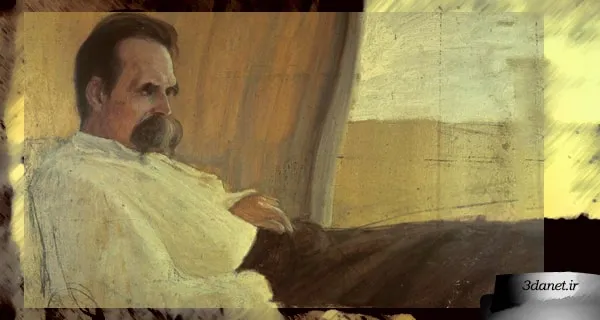
The placement of Nietzsche’s thought within the paradigms of pre-modernity, modernity, and post-modernity has always been a matter of dispute and controversy.
Peter Childs and John Lechte consider him a modern philosopher. Lawrence Cahoone, in the valuable collection From Modernism to Postmodernism, classifies his views under the pre-modern period, while in his opinion “Nietzsche is the philosopher who has most influenced postmodernism” (1). David Lyon regards him as a postmodern philosopher who “was postmodern before there was any postmodernism” (2), and the prominent Italian philosopher Gianni Vattimo, who examines Nietzsche’s views in the final section of his book The End of Modernity, in the essay “Nihilism and the Postmodern in Philosophy,” likewise introduces him as the founder of postmodernism. (3)
Just as much as his genius bordering on madness brought a tragic end to his life, the reception and influence of his thought during his lifetime were equally disappointing and unfair.
Of course, in this respect, perhaps Nietzsche’s era cannot be blamed; for Nietzsche considered his own time incapable of understanding his ideas, and for this reason he introduced himself as an untimely philosopher with untimely meditations. He deemed Thus Spoke Zarathustra, his unparalleled masterpiece, a book for everyone and no one. He called the collection published after his death as The Will to Power the politics of the next two centuries, and in the preface to The Antichrist, he declared the book to belong to future generations.
“This book belongs to only a few. Perhaps none of them are even born yet. They are probably the readers who will understand my Zarathustra. How could I be permitted to confine myself to those who have ears to hear today? Only the day after tomorrow belongs to me. Some people’s lives begin after their death.” (4)
So, has the time to understand his works now arrived, more than a century after his death? The history of Western thought in the twentieth century has answered this question. The influence Nietzsche’s ideas have had on the greatest philosophers of the contemporary era demonstrates the reception and understanding of his thoughts in the twentieth century.
The critique and interpretation of his views have also consistently been at the center of attention for thinkers in recent decades. Thus, this genius’s prediction of the attention future centuries would pay to him was entirely correct. But could this prediction have been generalizable to a country like Iran? For a culture and society that exists outside the context of the production and critique of thought, and is therefore considered a marginal culture in this respect, can the aggrandizement of this thinker be “natural” and indicative of an inevitable synchronicity with the world’s attention to this thinker?
While the fundamental and classical underpinnings and foundations of the world of Western thought have yet to receive attention in Iran, and many classical and seminal texts of Western thought remain untranslated, and many prominent Western philosophers are still unknown to Iranians, the widespread enthusiasm for translating and introducing his works can be a subject for reflection and thought. Nietzsche is the only philosopher whose almost complete works have been translated and published in Iran; a trend that began with the translation of a portion of Thus Spoke Zarathustra in the 1960s and reached its peak in recent years.
Under these circumstances, the important question that arises is: what is the secret of the attention paid to this thinker in Iran today? While Iranian society faces a reading crisis and book print runs are at catastrophic levels, what is happening that Thus Spoke Zarathustra reaches its twenty-fifth printing and sells at an exponential rate, such that in the last two years alone it has been reprinted five times in high print runs by Iranian publishing standards, On the Genealogy of Morality reaches its fifth printing, and his other works tell a similar story.
در جامعهای که هنوز افلاطون و ارسطو و هگل و کانت و شوپنهاور به خوبی درک و خوانده نشدهاند، به یکباره ظهور فیلسوف ساختارشکنی چون نیچه که به تعبیر داریوش شایگان «غول ویرانگر همیشگی» است میتواند پر حادثه و مساله ساز باشد. در فضایی که فیلسوفان غیر سیاسی غرب نیز گاه محمل سوءاستفادههای نظریهپردازان هموطن برای کاربست افکار سیاسی خود میشوند، نیچه به عنوان اندیشمندی که «همه چیز» را به دست تیغ تیز نقد خود میسپارد و شالوده اندیشههای پایدار جهان را به باد استهزا میگیرد و اندیشمندان نامی عالم را به زهر نیشخند ملامت میکند میتواند محل تامل و توجه قرار گیرد. از این منظر است که شاید عزتالله فولادوند باور دارد که «در خطه اندیشه گام نهادن به قلمرو نیچه کاری پر خطر است».(5)
اکنون چه بخواهیم و چه نخواهیم به نظر میرسد که جامعه ایرانی پای در خطه این خطر نهاده است و نیچه اکنون نقل محافل فلسفی است. آنچه که این نوشتار قصد بر آن دارد ارائه تصویری کوچک از ابعاد فاجعهآمیز این خطر است. در این میان دو مفهوم از گستره فراخ اندیشه نیچه انتخاب شده است تا خطر نگاه نیچهای از منظر این دو مفهوم برای جامعه امروزی ایران آشکار شود.
عقلانیت و دموکراسی دو مفهومی است که در کالبد اندیشه نیچه بسیار به آنها پرداخته شده است. در مفهومی که جامعه ایران امروز نیز عمیقا نیازمند توجه و تجربه آنهاست؛ تجربهای که میتواند با تاسی از افکار آوانگارد نیچه سرنوشتی متفاوت پیدا کند.
بسیاری از فلاسفه و جامعه شناسان معاصر که جامعه ایران موضوع مورد مطالعهشان است بر این باور متفقالقولند که جامعه کنونی ایران دوران گذار را تجربه میکند؛ گذار و حرکت از پارادایم سنت به پارادایم مدرنیته.
اجتنابناپذیر بودن این حرکت در جهان معاصر تقریبا بر کسی پوشیده نیست؛ چراکه در جهانی که به تعبیر زیگموند باومن، «مدرنیته در شرف تبدیل به نخستین تمدن جهانی در تاریخ است... که با ورود آن، جهان به دو بخش مدرن و بقیه عالم تجزیه شد»(6)، گریزی از تجربه مدرنیته متصور نیست؛ اما آن چیزی که مدرنیته مینامیم و ناگزیر از تجربه آن هستیم، چیست؟ مدرنیته، مفهومی ساده و تک بعدی نیست که بتوان آن را بهسادگی تعریف و تأویل کرد. مدرنیته مفهومی است پیچیده با اشکال مختلف. انقلاب تکنولوژیک و صنعتی شدن فزاینده، عرفی شدن و تفکیک امر قدسی از حوزه حیات اجتماعی، روشنگری و انسان محوری، جایگزینی معرفت علمی به جای آگاهیهای متافیزیکی و شکل حکومت دموکراتیک در ایده سیاسی جدید، وجوه مختلف مدرنیته است. تعمیم هر یک از این وجوه به کل مدرنیته مبدأ تاریخی و ماهیتی متفاوت برای مدرنیته به دست خواهد داد. با وجود تمام این تفاوت و تمایزها باز میتوان عنصری مشترک در بطن تمامی این وجوه پیدا کرد.
عقلانیت(rationalism) و باورمندی به خرد انسانی، محوریت غالب بر تمام وجوه مدرنیته است که در هر یک از این وجوه و اشکال، به شکلی متفاوت ظهور کرده است. نیچه، بیپروا عقل را که در قاموس مدرنیته تنها ابزار شناخت حقیقت است به مسلخ میبرد و حاصل شناخت عقلی را چیزی جز فریب و چاپلوسی و افسونگری نمیداند؛ بنابراین طبیعی است که متفکری چون آندره مالرو «عظمت او را در قدرت خرد ستیزیاش» درک و دریافت کند.
البته درست است که چنین نقد رادیکال و ویرانگری در زمان خود نیچه درک و هضم نشد اما قرن بیستم قرن حضور و ظهور این نقد مخرب بود. «از 1886 تا امروز نقادی فلسفی از مدرنیته در سایه اندیشه نیچه پیش رفته است. پیشتر رویکرد مدرنیته از خود انتقاد داشت، گاه تا مرز انکار هر چیزی پیش میرفت و توانها و ناتوانیهای خرد آدمی را به بحث میگذاشت، اما پس از نیچه، سنجش و نقادی از راهی تازه رفت. به گونهای رادیکال از بنیان خردباوری پرسید و آن را منکر شد. از پایان مدرنیته و رسیدن روزگار پسامدرن سخن به میان آورد و در پرسش از روزگار نو، باری دیگر، به شیوهای دیگر به بامداد زرتشت اندیشید.»(7)
The difference and distinction between Nietzsche’s critique of modern rationality and that of other prominent critics of modernity, especially Marx and Freud, lies in his attack on the very foundation of rationality. Marx and Freud are critics of the “products” of modern reason, not of modern reason itself as it has manifested in the forms of capitalism and human bondage and loneliness. They believe in the legitimacy of modern rationality and build their own alternative to these modern constructs on the basis of humanist reason. But “Nietzsche, in the front rank of anti-Enlightenment thinkers, rejected the Enlightenment’s claim to realize rational forms of individual and social life through a comprehensive critique of reason.
In his view, reason cannot take the place of the unifying force of tradition and religion and create harmony among the conflicting motives and intentions of individuals. Reason is truly a mask on the face of the will to power. The will to power, in the guise of reason, gives rise to illusions such as scientific theories and universal moral values. Instead of showing the possibility of human liberation within the heart of modern bondage in order to overcome the inadequacies of the modern conception of reason, Nietzsche rejected all the presuppositions of Enlightenment thought, including the concepts of liberation and justice. In his view, the only way to escape the bondage of modernism is to break the spell of modernism and reject the very basis of the project of rationalizing society.”(8)
Since in Nietzsche’s thought, art is a transcendent and valuable concept and, in a sense, the only refuge for suffering humanity, examining the nature and essence of art in his ideas and discovering the place of rationality within the body of the concept of art can play a decisive role in understanding his views. “The Birth of Tragedy from the Spirit of Music” expresses Nietzsche’s thoughts on art. In this work, Nietzsche considers music as the highest and most transcendent art that inspires the creation of tragedy. In his view, tragedy, which dominated other artistic and literary forms in the age of ancient Greece, is the manifestation of the most sublime human aspects.
In his unique classification of artistic types, Nietzsche borrows from the myths of ancient Greece. Apollo and Dionysus are two sons of Zeus, the Olympian god, from two different mothers. “In The Birth of Tragedy, Nietzsche uses Apollo to symbolically depict and present concepts such as harmony, balance, order, legalism, perfect form, clarity, brightness, individuation, and uses the myth of Dionysus to represent excessive vital forces, dynamism, vitality, change and transformation, creation and destruction, mobility, movement, rhythm, intoxication, and unity.”(9)
Although Nietzsche correctly believes that art, and even tragedy, are a mixture of Apollonian and Dionysian elements, when it comes to choosing, he prefers Dionysian art and, consequently, instinct over rationality. Therefore, when Nietzsche praises tragedy and introduces music, which possesses a Dionysian spirit, as its origin, and considers Dionysus as the embodiment of irrationality and instinct, his anti-rationalism in the realm of art also becomes apparent.
The all-encompassing destruction that Nietzsche wrought upon Socrates and Plato, because of their approach to rationality and rational argument, is one of the most fundamental examples of anti-rationalism in the foundation of his thought. Just as in the discussion of art, Nietzsche takes the side of instinct and deems reason accursed, in his destructive critique of Socrates, he uses the invention of dialectics and his logical disputation, which has a rational basis, as a pretext for his demolition, and he also finds Plato guilty for not excommunicating reason, and from this same perspective, he attacks Descartes in the modern era as well.
Nietzsche emphasizes that not only is rationality incapable of bringing about human liberation and freedom, but it is a path and a tool for human destruction and sickness. Nietzsche’s final message and teaching is this: the rejection of reason and the liberation of instinct. This city-agitating anti-rationalist Nietzsche can be a beloved and a cure for pain. The destruction of everything that comes from the past, like the intellectual project of “Twilight of the Idols,” and abandoning humanity in a trance oriented toward nihilism and tranquility, can be attractive and dreamlike for the Iranian citizen. But it seems that this time, too, a great misunderstanding is taking shape.
Just as one can extract social withdrawal, in place of the intuition, perception, and gnosis that dominate the works of Rumi, Hafez, and Attar, from their allegories, Nietzschean anti-rationalism can also be interpreted as irresponsibility and social laxity. The discussion concerns captivity in form, which in the thought of Hafez, Rumi, and Nietzsche is a mask over substance and meaning. Nietzsche's anti-rationalism is rooted in his prediction of the emergence of nihilism, which is the inevitable fate of modernity and, in his thought, begins with the "death of God." The humanism and rationalism of modern man, which in Nietzsche's view begins with Socrates, ultimately leads to the death of God and nihilism, and it is from this perspective that Socrates appears so guilty and unforgivable in his eyes.
In Nietzsche's thought, any value that arises solely from human reason will inevitably lead to nihilism. But nihilism, in Nietzsche's view, is divided into two parts: passive nihilism and active nihilism. It is vital for us to become acquainted with the characteristics of passive nihilism. "This nihilism destroys the correspondence between value and purpose; the power of faith gradually weakens; values that no longer have any compatibility with purpose turn against one another, and a war of values begins. In other words, everything that consoles, provides superficial calm, and numbs enters the field. Passive nihilism is the refusal of any effort to systematize life and an ever-deeper immersion in empty entertainments and taking refuge in professional occupations, such that no ideal remains except the desperate effort for self-preservation, and the purpose of life is reduced to the empty and base ideals of a good life and superficial happiness. This seemingly harmless conception of life is undoubtedly a life that has degenerated into futility."(10)
For Nietzsche, human beings are of two kinds: the "many, too many," who are full of fear, lies, hypocrisy, laziness, and boredom, and the noble human beings, who are bound to instinct, bold, joyful, firm, vengeful, and desirous of mastery. In Nietzsche's view, Christian morality is a morality belonging to these many, too many, and for the disparagement of noble human beings. In his view, Christian morality is a mediocre and base morality that seeks respect and status for the many, too many, or what he calls the herd, and the ultimate goal of this morality is to crush nobility and magnanimity. It is with the dominance of Christian morality that moral values change their nature to the benefit of the base.
Since, in Nietzsche's thought, justice has a different meaning from Christian morality, and he deeply believes that "human beings are not equal, justice says so, and they do not have the right to want the same as I want,"(11) therefore, the equalization of all human beings (the many, too many, and the nobly born) within democratic systems is a great betrayal of the noble human being.
Another fundamental criticism Nietzsche levels at democracy is the equality of men and women. Since, in Nietzsche's thought, women are weak beings possessing a "secondary role instinct," they are therefore not worthy of equality with men, and because democratic systems place the two in the same position, they deserve reproach and overthrow.
In this way, Nietzsche considers anything that bears a form of democratic tendency to be contemptible, base, and opposed to the noble human being, and he himself disavows it. Nietzsche fundamentally negates and rejects democracy and chooses in its place the aristocratic system, which in his view is an environment for the flourishing and advancement of masters and the nobly born; a system that is fundamentally anti-democratic and based on the distinction between noble human beings and the many, too many. Here, referring to an interesting and thought-provoking case that occurred in American society regarding Nietzsche's political thought can further illuminate the reality of his thought.
This example can be noteworthy for Iranian society because misunderstanding regarding thinkers and their thoughts has always been a common matter among Iranian intellectuals. The verbal battles and disputes that have raged over the thought of Heidegger and Popper in Iranian intellectual circles over the past few years, and the misunderstandings and misinterpretations that have been projected and inferred from the ideas and theories of these philosophers, have shown that Iranian society, and even its philosophical elite, are deeply susceptible to miscomprehension and misunderstanding.
Richard Rorty, the prominent American neo-pragmatist philosopher, writes an essay titled “And Nietzsche Came to America,” in which he critiques Allan Bloom’s interpretation—one of the well-known theorists and followers of Leo Strauss, who in his famous book The Closing of the American Mind introduces Nietzsche as “the most dangerous of dangers threatening American democracy”(12). In this essay, Richard Rorty considers Bloom’s claim invalid and rejects it; yet the reality is that the thinking dominating America, and to some extent the world, is not the politics derived from Rorty’s ideas, but the domineering tendencies originating from the neoconservative thought of a philosopher like Leo Strauss and its advocacy by someone like Allan Bloom—who, through his own interpretation, regards Nietzsche as an anti-democratic philosopher.
Therefore, taking all these signs and indicators into account, it seems that Nietzsche’s thought, whether derived from the text of his works or from the perspective of his critics and interpreters in the field of political thought, cannot leave a useful and equitable outcome for the real world; especially if these ideas are proposed and interpreted in an unsuitable and turbulent context such as the intellectual and philosophical atmosphere of Iran.
Here it is appropriate to refer to Dariush Shayegan’s view: “The philosopher who has influenced me the most and whom I have always admired is Nietzsche. I began reading Nietzsche’s works when I was very young. Since then, I have reread them from time to time, and each time I have felt that I have discovered new layers of his ideas. It is as if the treasury of this thinker’s profound insights is inexhaustible.(13) However, he has masterfully and subtly pointed to a matter whose understanding could be fateful for Iran today. ‘In my opinion, Kant’s philosophy is, for us, mentally and psychologically far more ‘hygienic’ and healthier than the philosophy of other Western metaphysical philosophers… Kantian thought shows the boundary lines and regions into which one should not risk entering without a compass or a map; otherwise, the danger of sinking into the quicksand of the desert of illusions lies in wait.’”(14)
For the reasons stated, Nietzsche is undoubtedly the most dangerous of these Western metaphysical philosophers for Iran, and in this regard, he brings the most unhygienic ideas for Iranian society.
* This article was previously published in the final issue of the monthly magazine Kheradnameh Hamshahri (Issue 15, Khordad 1386).
.
.
Notes:
1 - Cahoon, Lawrence, From Modernism to Postmodernism, Persian editor: Abdolkarim Rashidian, Ney Publishing, 4th edition, p. 20
2 - Lyon, David, Postmodernity, translated by Mohsen Hakimi, Ashian Publishing, 1st edition, p. 22
3 - Shayegan, Dariush, New Enchantment: Patchwork Identity and Mobile Thinking, translated by Fatemeh Valiani, Farzan Rooz Publishing, 1st edition, p. 275
4 - Nietzsche, Friedrich, The Antichrist, translated by Abdolali Dastgheib, Porsesh Publishing, 1st edition, p. 27
5 - Nietzsche, p. 17
6 - Modernity and Modernism (Collection of Essays), translated and compiled by: Hosseinali Nozari, essay: “What is Modernity?”, Naghsh-e Jahan Publishing, 2nd edition, p. 30
7 - Nietzsche in the Twentieth Century (Collection of Essays), translated by Isa Soleimani, Nagima Publishing, 1st edition, p. 302
8 - Modernity and Critical Thought, p. 3
9 - Transition from Modernity, p. 26
10 - Modernity and Modernism, p. 44
11 - Shayegan, Dariush, Asia Against the West, Amir Kabir Publishing, 4th edition, p. 22
12 - Thus Spoke Zarathustra, p. 141
13 - Nietzsche in the Twentieth Century, p. 257
14 - Under the Skies of the World, conversation between Dariush Shayegan and Ramin Jahanbegloo, translated by Nazi Azima, Farzan Rooz Publishing, 3rd edition, p. 145
.
.
The Essay “Nietzsche and Us” by Mohammad Memari | Mohammad Memari | The latest issue of the monthly “Kheradnameh Hamshahri” (Issue 15, Khordad 1386)
.
.
pdf of the essay “Nietzsche and Us” by Mohammad Memari in Kheradnameh Hamshahri
.
.

Discussion0 comments
No comments yet; let yours be the first voice.