Sociology
The First Academic Conference on Social Hope in Iran
A conference on social hope in Iran found hope levels below average and argued that restoring it depends on political participation and dialogue between elites, the public, and the state; social despair is not a solution but a problem in itself, one that requires collective resolve.

The First Conference on “Social Hope in Iran” was held on February 26–27, 2018, by the Rahman Institute, in collaboration with 21 academic associations, faculties, research centers, civil society organizations, and executive bodies, at the Faculty of Social Sciences of Allameh Tabataba’i University. In this gathering, the nature of the concept and theoretical achievements in the field of social hope, the state of social hope in Iran, the etiology of social hope, and strategies for enhancing social hope were presented as the four main themes and discussed. The conference, while expressing gratitude for the presence and participation of professors, researchers, students, civil activists, officials, members of the press and media, and social networks, underscores the necessity of public attention to the issue of social hope and, by emphasizing the topics raised at the conference, draws the greater attention of experts, researchers, elites, activists, policymakers, and planners to the following issues:
1- Hope is a concept that encompasses itself in various realms and fields, from psychology, sociology, and politics to theology, ethics, and philosophy.
2- Social hopes are not wishful thinking or delusion; rather, they are a capacity that, in the interaction of reality and creative imagination, enables different groups in society not only to be identified and seen but also to find active and effective agency toward improving the existing situation.
3- In a general summary of the viewpoints, it can be said that hope entails recognizing, opening, and discovering ways to improve the existing situation, transcending present-day inevitabilities, and creating a collective inclination to traverse these paths.
4- ‘The production of social hope’ and, to the same extent, ‘the social production of hope’ are sources of the continuity and perpetuation of social life in critical situations.
5- Hope is essentially a social construct; at the same time, social interest—meaning an attitude that provides for the individual’s responsible connection with other human beings and advances the individual’s growth, development, and well-being in alignment with social interests—plays an important role in the formation of social hope and meliorism.
6- The conceptualization of social hope begins according to two criteria: first, the process of consensus for realizing a shared social vision of the good society or a society moving toward a better life; and second, social agreement on the ways toward realizing the shared social vision.
7- What must be considered in Iran is the fundamental function of hope as a factor in the production and perpetuation of society in confronting crises, which has been neglected. The body of quantitative and qualitative research conducted through national surveys and case studies indicates that the state of social hope in Iran is below the average level. Furthermore, some other empirical evidence from the perspective of institutional sociology points to the threat of social disintegration in Iranian society. In addition, some studies conducted in this area suggest that members of society do not expect structural factors to fulfill or align with their goals and aspirations.
8- The problematization of the category of social hope in Iranian society reflects the emergence of new issues and the activation of diverse and multiple forces, demands, and hopes that no longer fit easily within the framework of existing hopeful prescriptions. Among these forces, one can point to workers and the underprivileged classes of society (with economic demands), women (with demands for justice and gender equality), ethnicities (with demands for cultural pluralism and social justice), youth (with demands for lifestyle diversity and employment), and issues such as the environment. These demands and hopes have been overlooked both in the historical narratives presented of Iranian society’s developments and marginalized within the framework of the alignments of contemporary currents and forces.
9- Inability and inefficiency in responding to old and new demands, raising expectations for a desirable life, and structural inefficiency and incoordination in responding to social demands are considered among the factors contributing to the decline of social hope.
10- Social hope is conditioned by political circumstances, and its transformation depends on political developments. The reduction of social hope to psychological, individual, and personal states is one of the most important sources of producing social despair, because it causes the political conditions of meliorism to be ignored even at the individual level.
11- Another source of social hopelessness is focusing on obstacles to solving problems rather than on problem-solving itself. The weakness of institutions of hope, which is another source of hopelessness, can be remedied, among other things, through the “reform of reforms.” Hoping in politics is not limited to having hope in politicians and political institutions. Political hope means pinning one’s hopes on the active and creative actions of citizens while believing in the possibility of improving conditions.
12- Remedying the disordered state of social hope in Iran requires thinking about the political conditions of social hope.
13- The processes and routines of public participation in the political sphere face obstacles, and the restoration of social hope depends, among other things, on removing those obstacles. Some of these obstacles are legal in nature, including the inflation of laws and regulations that act as barriers to the formation and operation of NGOs.
14- Facilitating electoral participation, whether as a voter or as a candidate, can enhance political participation and, consequently, social hope.
15- Taking seriously the social responsibility of scholars and researchers in the humanities and social sciences under the current conditions of Iranian society can activate the capacities of the university institution in favor of restoring social hope.
16- Restoring networks of hope and hope-generating institutions, such as intermediary institutions like NGOs, can help improve the state of social hope.
17- Another strategy for enhancing social hope is expanding the possibility of political participation for the general public, which requires recognizing political pluralism in the country.
18- Hope is the seed of our identity. To have a more hopeful, more democratic, more just, and more peace-seeking society, a democratic, justice-seeking, and peace-seeking identity forms around this very vision, which, in the form of a social movement, strives to create a future that is accessible and real.
19- The outcome of the discussions presented at this two-day conference points to the necessity of moving social hopelessness from the realm of answers to the realm of problems. Social hopelessness is not a solution to any problem; rather, it is the very problem itself. Taking this problem seriously requires the comprehensive participation of public and civic institutions.
20- To restore social hope and enhance hopefulness for comprehensive social improvement, all the capacities of the rich Iranian-Islamic culture must be utilized, and this depends on an opening dialogue among elites themselves, between elites and the people, and between elites and the government. The Rahman Institute is honored to provide, to the best of its ability, a platform for opening the doors to these dialogues. We ask all scientific, civic, political, and executive institutions to continue this first step with firmer and more considered strides.
.
.
Audio Files of the Social Hope in Iran Conference
.
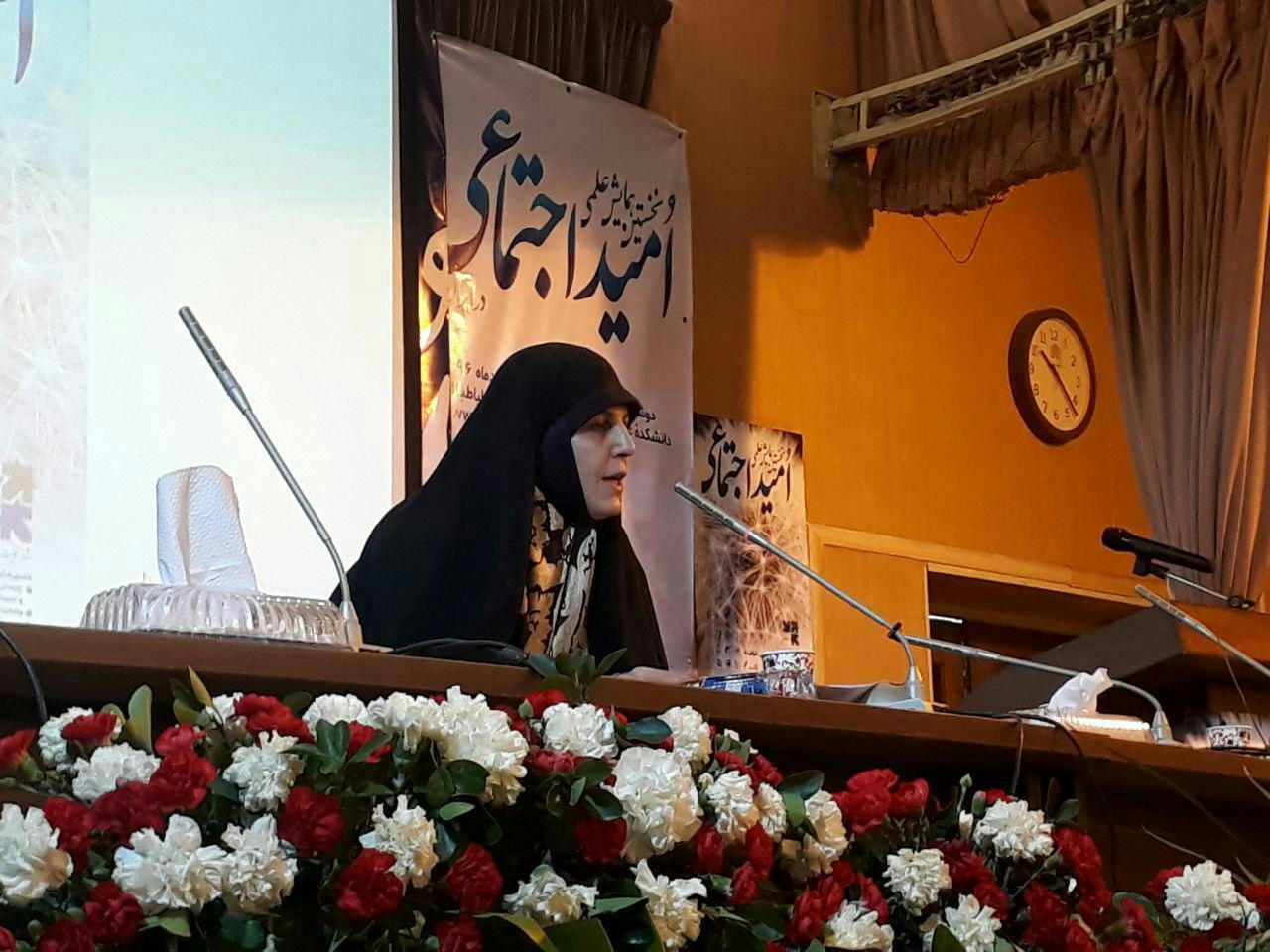
Audio of Shahindokht Molaverdi's Speech
Title: Social Hope and Citizenship Rights in Iran
.
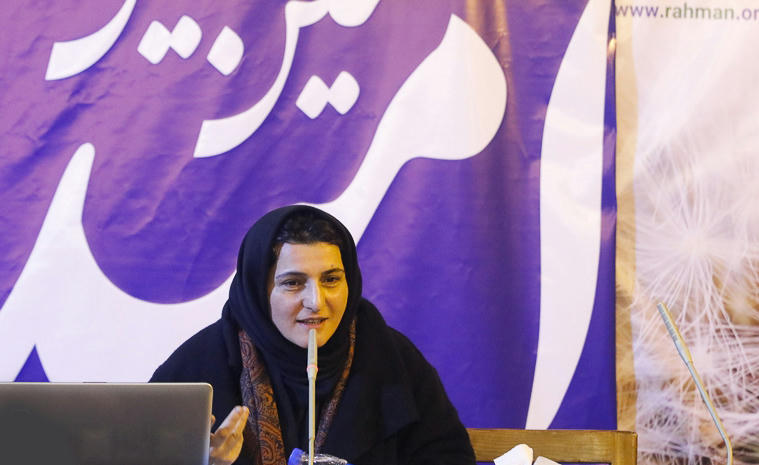
Audio of Sara Shariati's Speech
Title: A Day Will Come
.
Audio of Alireza Alavitabar's Speech
.
Audio of Mohammad-Amin Ghaneirad's Speech
.
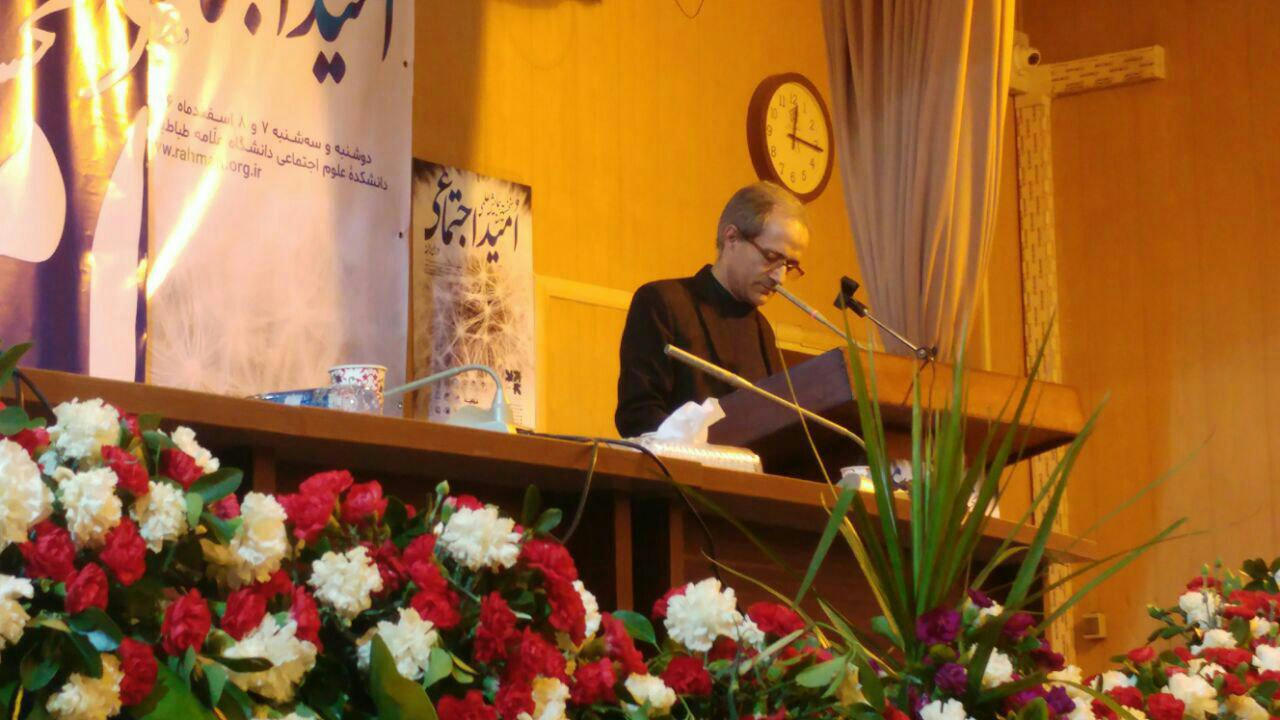
Audio of Gholamreza Kashi's Speech
Title: The Political Contexts of the Decline in Social Hope
.
Audio of Saeed Madani's Speech
.
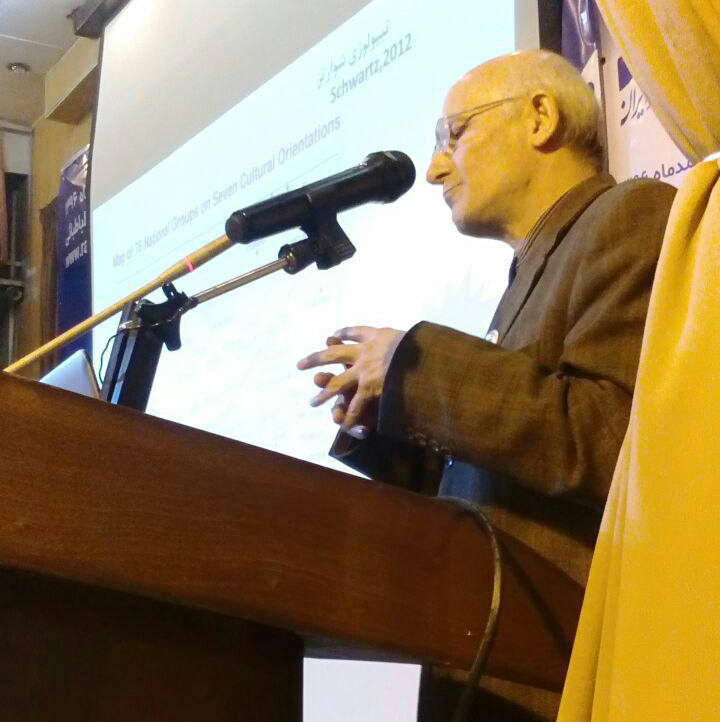
Audio of Maghsoud Farasatkhah's Speech
Title: Social Hope and Four Scenarios for Iran's Future
.
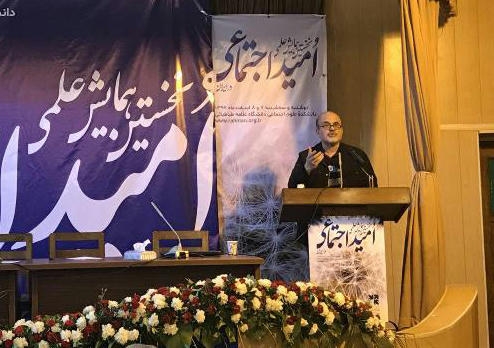
Audio of Hamidreza Jalaeipour's Speech
Title: A Look at Iran's Political Society from the Perspective of the Politics of Hope
.
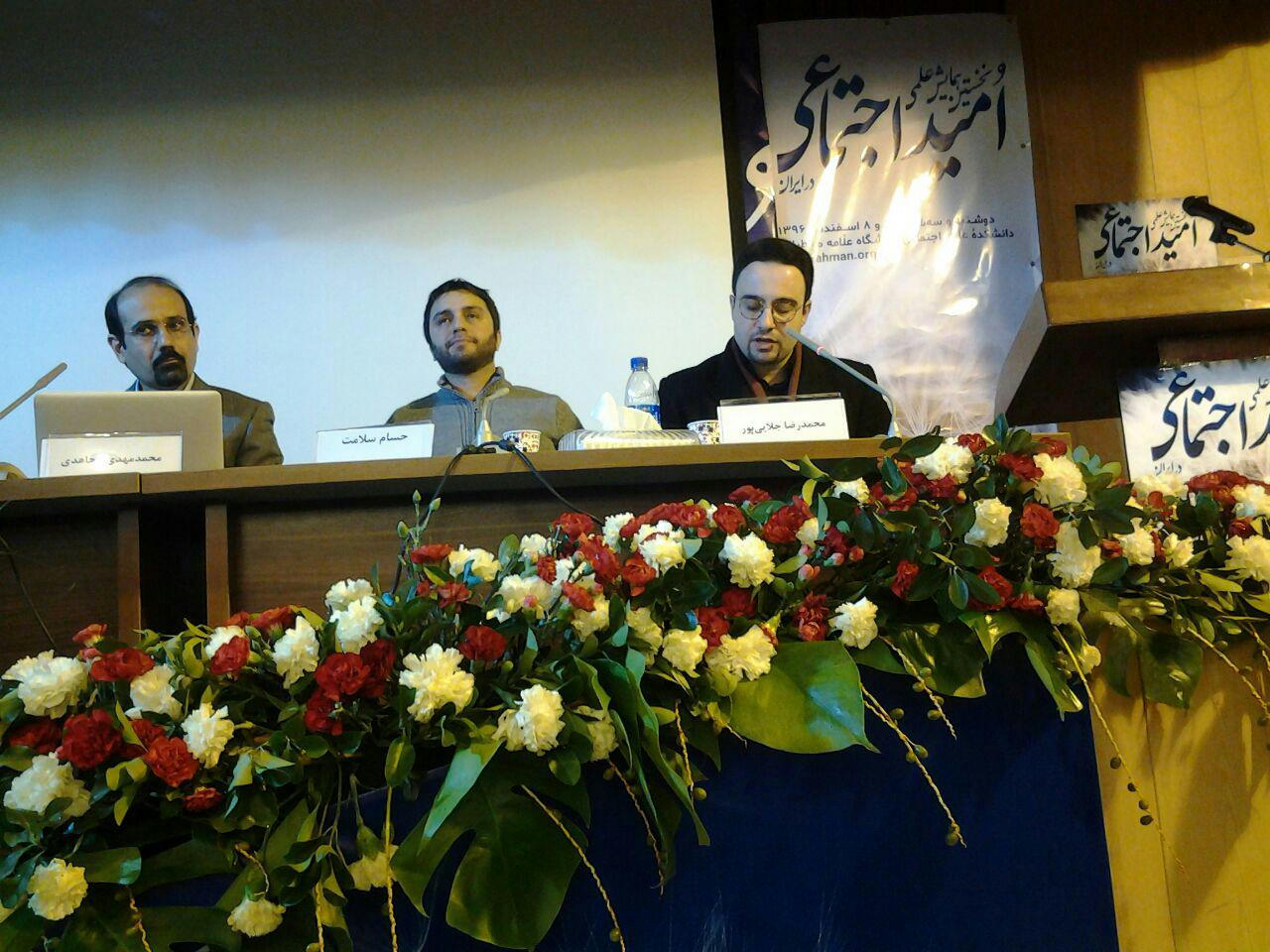
Text of Mohammadreza Jalaeipour's Speech
Why has our social hope diminished?
.
Audio of Mohammad-Mehdi Mojahedi's Speech
.
Audio of Hesam Salamat's Speech
.
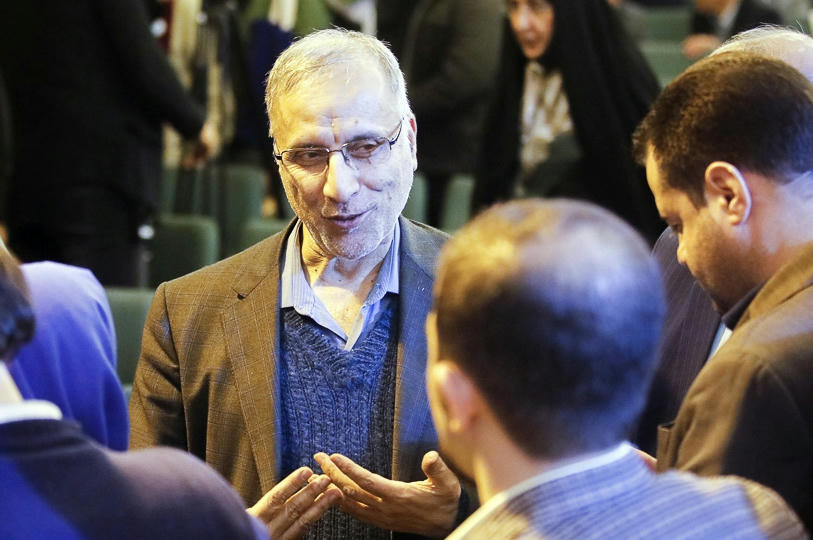
Audio of Hadi Khaniki's Speech
.
Audio of Azar Mansouri's Speech
Title: Political Strategies for Enhancing Social Hope
.
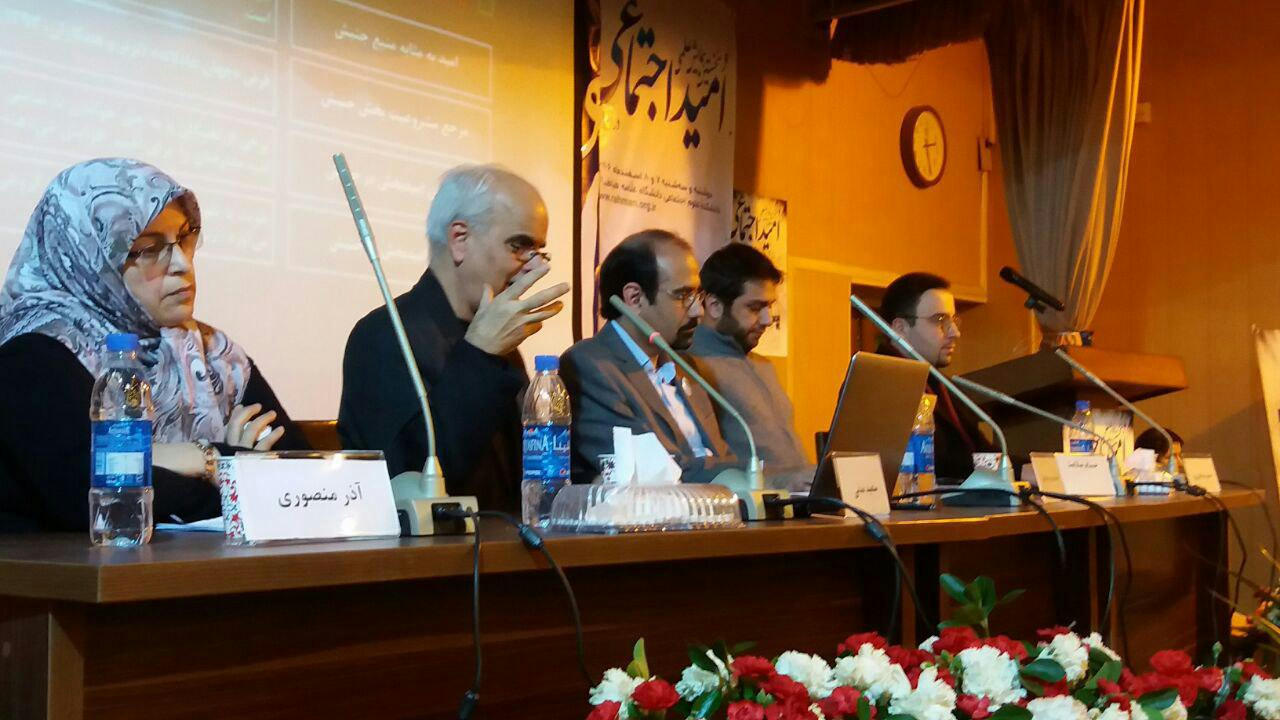
Politics and Social Hope Panel
.
Audio of Hossein Payandeh's Speech
.
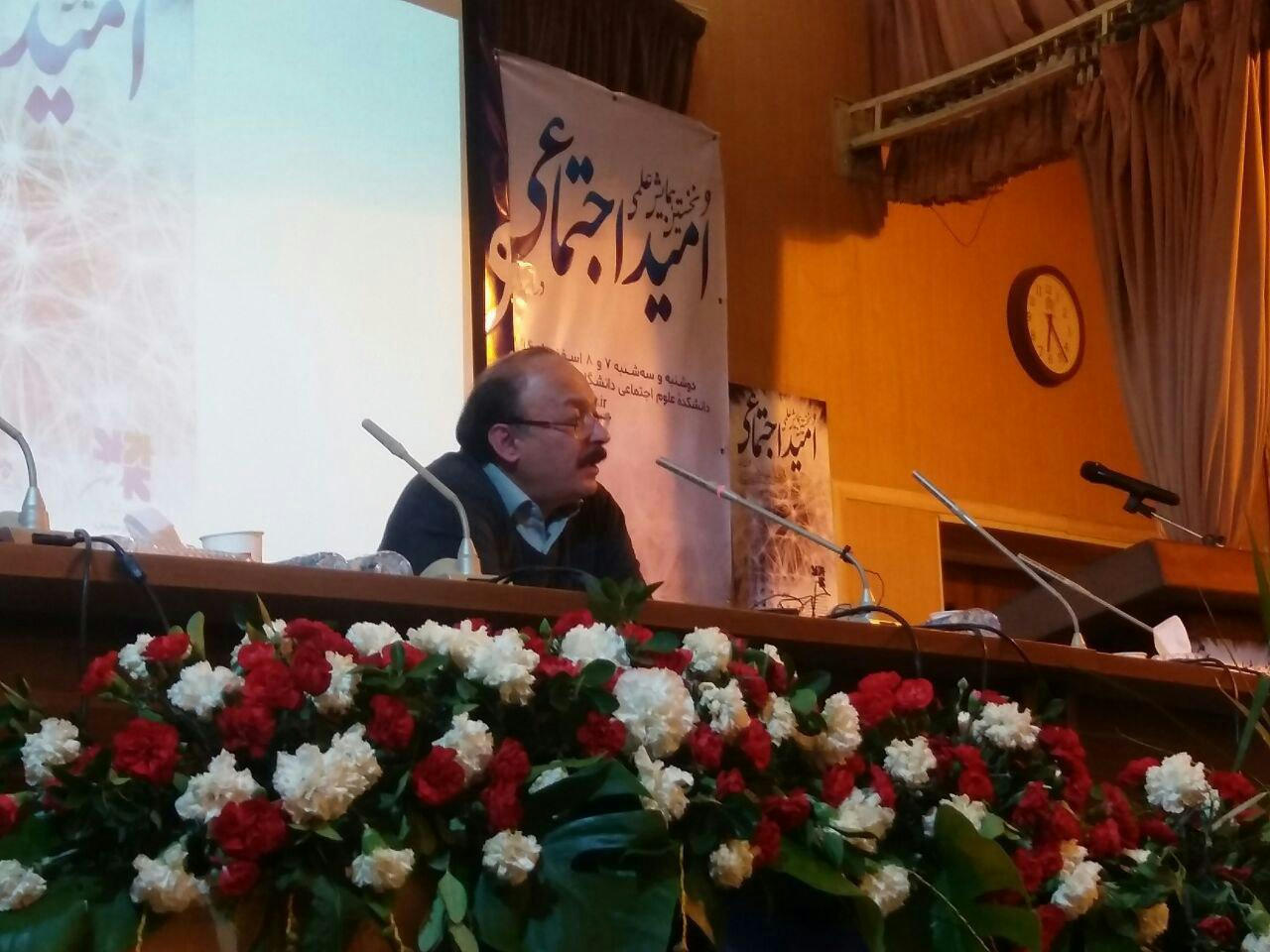
Audio of Bijan Abdolkarimi's Speech
Title: The Fears and Hopes of Contemporary Humanity from a Philosophical Perspective
.
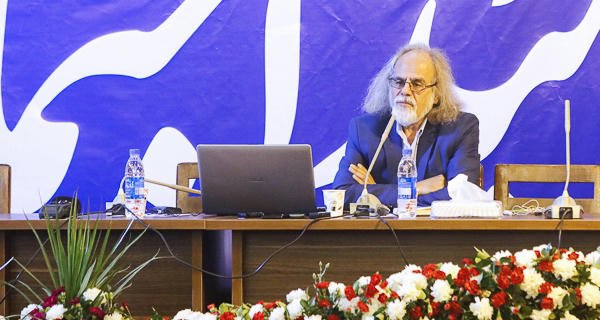
Audio of Mostafa Malekian's Speech
Title: The Rationality of Hoping
.
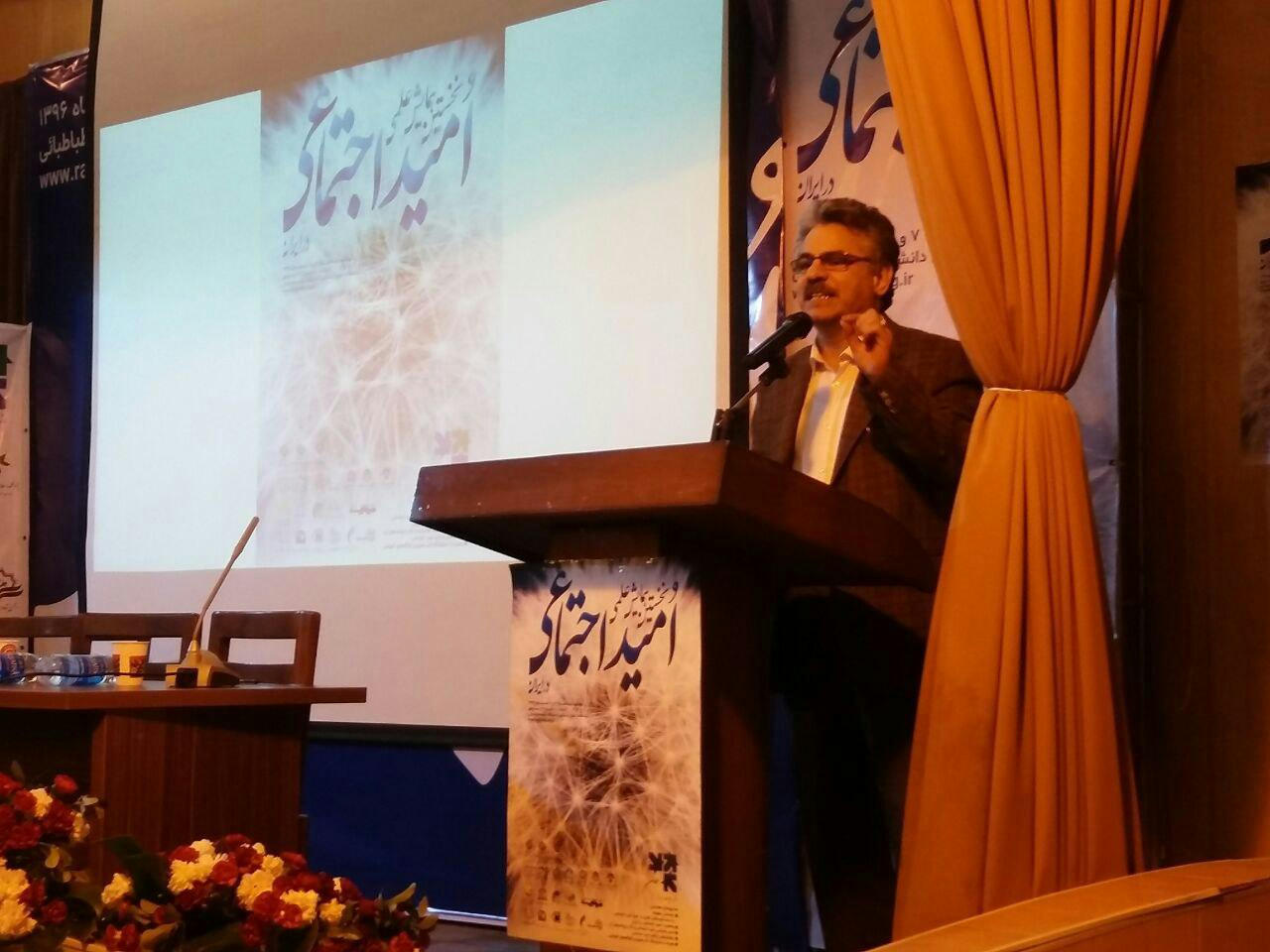
Audio of Nematollah Fazeli's Speech
Title: The Problematique of Hope in Iran
.
Report by Conference Directors on Previous Panels and Conference Statement
Hadi Khaniki and Mohammad Mehdi Mojahedi
.
.
The First Academic Conference on "Social Hope in Iran"
Rahman Institute
Faculty of Social Sciences, Allameh Tabataba'i University
February 26 and 27, 2018
Written report source: IRNA
.
.
Discussion0 comments
No comments yet; let yours be the first voice.