Philosophy
The Groundlessness of Religious Belief, Norman Malcolm
Wittgenstein sees life as resting on groundless beliefs that form the framework for all questioning and reasoning. These beliefs are not a weakness but boundaries within which justification finds its meaning and must come to an end.
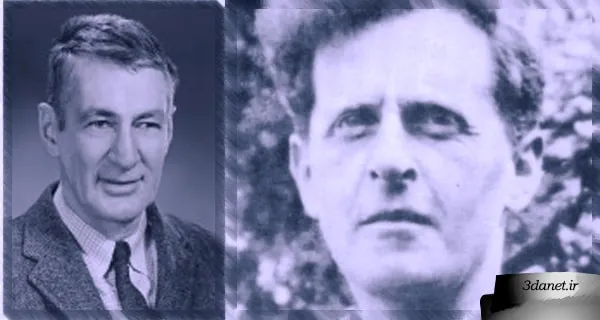
In his last notes, Wittgenstein writes that it is difficult “to realize the groundlessness of our believing.” His thought was focused on the extent to which absolute, unsupported acceptances shape our lives. [This matter] is obvious in the case of children. They hear the names of objects and accept what they are told, and do not ask for the reason. The child does not demand a reason for the person who feeds him being called “Mama.” Or should we suppose that the child reasons to himself: “It seems the other [people] present know the person who feeds me, and since they call her ‘Mama,’ that is probably her name”? Upon reflection, it becomes clear that a child cannot weigh evidence or even doubt something unless he has already learned something. [On this matter,] Wittgenstein says: “The child learns by believing the adult. Doubt comes after belief.” (On Certainty, 160).
What is more difficult to grasp is that the lives of educated adults are also shaped by groundless beliefs. I do not mean unusual or unconventional beliefs that lie at the margins of their lives, but fundamental, basic beliefs. Consider the belief that the material objects around us (a watch, a shoe, a chair) do not vanish without a physical [logical] explanation. “They don’t disappear into thin air.” It is remarkable that we use the expression: “I know I put the keys right there on the table. They must have disappeared into thin air!” But this exclamation of wonder is hyperbolic; we are not really speaking seriously. I know no adult who truly supposes that the keys vanished without any explanation.
Our attitude in this matter is noteworthy. We are not inclined even to suppose it possible that a missing garden chair has “vanished.” We do not accept such talk, and if someone raised such a matter, we would be sure he was joking. It is no exaggeration to say that this attitude forms part of the foundations of our thinking. We do not want to say that this attitude is irrational; rather, it is something we do not try to support with [rational] reasons. We could say that it belongs to the “framework” of our thinking about material objects.
Wittgenstein asks: “Does anyone ever test whether this table remains in existence when no one is paying attention to it?” (On Certainty, 163). His answer is: Certainly not. Is this not because, if such a thing were to happen, we could not call it a “table”? But we do call it a “table,” and none of us performs this test. Does this not show that we do not regard that event as a possibility? People who did regard it as such would appear ridiculous to us. One could imagine them deciding to undertake an ingenious experiment on this matter, but this investigation might make us laugh. Is this because such experiments were performed by our ancestors, settling the matter once and for all? I do not believe so. The principle that material objects do not vanish without a physical [logical] reason is a non-rational part of the framework within which physical investigations are conducted and to which physical descriptions and explanations relate.
Wittgenstein states that this also holds true for what could be called the “principle of the uniformity of nature”[1]:
“Consider chemical investigations. Lavoisier conducts experiments with substances in his laboratory and then concludes that such and such happens upon heating. He does not say that it might happen differently next time. He adopts a certain world-picture, which he certainly did not invent, but learned as a child. I say world-picture and not hypothesis, because this world-picture is the self-evident foundation of his research and, as such, also goes unmentioned.” (On Certainty, 167)
«ولی حال، این پیش فرض که در شرایط یکسان ماده ی الف به ماده ی ب همیشه یکسان واکنش نشان می دهد، چه نقشی بازی می کند؟ یا که این جزو تعریف ماده است؟»(در باب یقین، 168)
اصول چارچوب مانند پیوستاریِ طبیعت یا این فرض که اشیاء مادی بدون علت فیزیکی نابود می شوند به آنچه که ویتگنشتاین «سیستم» می نامد تعلق دارند. او به بیان دیدگاه زیر می پردازد که از نظر من درست است: «هر آزمونی، هر تأیید و تضعیف فرضیه ای، از ابتدا در درون یک نظام، عملی می شود. و البته این نظام نقطه ی عزیمت کم و بیش دلبخواهی و تردید آمیز همه ی استدلالهای ما نیست، بلکه جزو ماهیت چیزی است که ما استدلال می نامیم. نظام، بیشتر عنصر حیاتی استدلال ها است تا نقطه ی عزینت آنها.» (در باب یقین،105)
یک «سیستم» مرزهایی را فراهم می آورد که در درون آنها ما سوالات را می پرسیم، تحقیقات را انجام می دهیم و قضاوت می کنیم. فرضیه ها در درون یک سیستم طرح می شوند و محل چالش قرار می گیرند. تصدیق، توجیه و جستجوی شاهد در درون یک سیستم اتفاق می افتد. قضایای چارچوب یک سیستم مورد آزمون و حمایت از سوی شاهد قرار نمی گیرند. این همان چیزی است که در این گفتار ویتگنشتاین معنا می یابد: «البته توجیه وجود دارد اما توجیه پایانی دارد.» (در باب یقین،192)؛ و وقتی که ویتگنشتاین می پرسد:«آیا آزمودن پایانی ندارد؟» (در باب یقین،164) و وقتی که اظهار می دارد: «هیچ گاه کسی آزمایش می کند که آیا این میز وقتی هیچ کس به آن توجه نمی کند، موجود باقی می ماند یا نه؟» (در باب یقین،163).
این مسئله نباید به ضعف بشر نسبت داده شود. این الزام مفهومی است که پرسش ها و دلایل ما در درون مرزها باقی بمانند. برای مثال، محاسبه ی یک عدد را در نظر بگیرید. برخی مراحل محاسبه را برای صحت و سقم آن بررسی می کنیم، اما برخی را نه: برای نمونه، 8=4+4 . برخی مبتدیان ممکن است این محاسبه را بررسی کنند، اما افراد بزرگسال این کار را انجام نمی دهند. همین طور، برخی بزرگسالان می خواهند با محاسبه نشان دهند که 625=25×25 است در حالیکه برخی دیگر این موضوع را به استهزاء می گیرند. بنابراین مرزهای محاسباتی نظام شما ممکن است عیناً با من یکسان نباشد. اما ما محاسبه می کنیم و همانطور که ویتگنشتاین اظهار می دارد، «در برخی موقعیت ها….محاسبه ای را به قدر کافی وارسی شده تلقی می کنیم. چه چیزی به ما حق چنین کاری را می دهد؟….باید در جایی دست از توجیه برداریم و آنگاه این گزاره باقی می ماند که: ما اینگونه محاسبه می کنیم»(در باب یقین،212). اگر کسی هیچ یک از مرزهای محاسباتی را نپذیرد این بدین معناست که بازی زبانی را در نیافته است: «اگر کسی بپندارد که همه ی محاسبه های ما غیر قطعی است و نمی شود به هیچ یک از آنها اعتماد کرد (با این توجیه که اشتباه همه جا ممکن است)، شاید بگوییم که دیوانه است. ولی آیا می توانیم بگوییم که بر خطاست؟ نه این است که او فقط به نحوی متفاوت واکنش نشان می دهد: ما به محاسبات اعتماد می کنیم، او نمی کند؛ ما مطمئنیم، او نیست» (در باب یقین،217). ما سیستم هایی را آموخته ایم یا پذیرفته ایم که ما درون آنها به تردید ها پرداخته ایم، تحقیقات را انجام داده ایم و نتایج را بدست آورده ایم. ما درون یک چارچوب رشد می کنیم، و از آن سؤالی نمی کنیم. پذیرش ما بر اساس اعتماد است. اما این پذیرش مبتنی بر اندیشه نیست. ما تصمیم نمی گیریم که قضایای چارچوب را بپذیریم. ما تصمیم نمی گیریم که بر روی زمین زندگی کنیم، بیشتر از آنکه تصمیم می گیریم، زبان مادری مان را یاد بگیریم. ما بدینجا می رسیم که باید به یک قضیه ی چارچوب وفادار شویم، بدین معنا که روش اندیشه ما را شکل می دهد. قضایای چارچوبی که ما با آن رشد می کنیم، خصیصه های شخصی نیستند اما روش های مشترک سخن گفتن و اندیشیدن می باشند که توسط اجتماع انسانی بر ما تحمیل شده اند. پذیرش های ما که از آن ها خودداری شده است بدین معنا می باشند که ما یاد نگرفته بودیم چگونه بشماریم، اندازه گیری کنیم، اسم ها را به کار بریم، بازی کنیم و یا حتی صحبت کنیم. ویتگنشتاین اینطور اظهار می کند که: «بازی زبانی فقط وقتی ممکن است که به چیزی اعتماد کنیم. نه آنکه به چیزی بتوانیم اعتماد کنیم.»(درباب یقین،509)
I think that by this affirmation or acceptance he means something he calls belief "in the sense of religious belief" (On Certainty, 459). What does he mean by belief "in the sense of religious belief"? He clearly distinguishes it from conjecture or supposition (ibid.). I think this means that there is nothing empirical or testable about it; this belief is not adopted as a hypothesis that might later be discarded in light of new evidence. This reveals an important feature of Wittgenstein's understanding of belief, in the sense of "religious belief," namely that it does not arise or perish on the basis of evidence or reasons: it is "groundless."
2
In our Western academic philosophy, religious beliefs are usually deemed irrational and viewed with contempt, even insult. It is said that religion is a refuge for those who, due to intellectual or personal weakness, lack the capacity to face the harsh reality of this world. The objective, complete, and authoritative attitude is solely to adhere to convictions based on evidence and proof.
In my view, philosophical thought is to a great extent influenced by this veneration of the evidential. We have a kind of antipathy toward propositions, reports, statements, and beliefs that are not based on reasoning and grounds. There are many examples of this philosophical tendency.
For instance, regarding a person's report of having an image of the Eiffel Tower, we are inclined to think that this image must resemble the Eiffel Tower. How else could the person claim with complete certainty what his image is of? How could he be aware?
Another example: we think that a memory-based report or belief must be founded on a mental source equipped with various features to correspond with the features associated with the memory belief. This source includes an image that underlies the belief's connection, and a particular feeling that causes the person to refer his image to a past event, and also another feeling that makes the person believe this image is an accurate representation of the past event, and yet another feeling that makes the person aware that he himself witnessed the past event. The presence of these various features makes memory-based beliefs entirely reasonable.
A final analogy: consider the fact that after a few comparative examples and some training, a person can engage in an activity, apply a word correctly in the future, continue numerical sequences from an initial segment, distinguish grammatical structures from ungrammatical ones, solve arithmetic problems, and so on. These correct performances will deal with new and different examples, circumstances, and combinations. The output of the performance will be far more diverse than the input of the training. How is such a thing possible? What transfers the person from meager training to his measured performance? The explanation could be that one of the consequences of his instruction was the abstraction of a concept and idea, that he observed the common nature, "internalized" the law, and grasped the composition. What else could bridge the gap between the poverty of training and the richness of performance? Thus we postulate an intermediary mental act or state that removes the discrepancy and establishes equilibrium.
My analogies belong to what might be called the "pathology" of philosophy. Wittgenstein speaks of a "general disease of the intellect" that seeks to explain the occurrence of perceiving, recognizing, or comprehending by postulating inner states or processes through which these events flow like water from a reservoir. (The Blue and Brown Books, 143) These inner intermediaries are posited in the causal nexus of various cognitive constructs. More importantly for my present purpose, the intermediaries are posited to justify them; they supply our reasons for saying or doing this rather than that; they explain how we know something. The image, or cognitive state, feeling, idea, sample, rule, or composition informs us. It is like a road map or a signpost, showing us the way.
What is the "pathology" of these elaborate structures and quasi-scientific inferences? At least two things. First, the movement of thought that these intermediaries necessitate is circular and empty, unless it provides criteria for their presence and essence other than the occurrence of the very phenomena they are assumed to explain—and, of course, such criteria are impossible. Second, there is Wittgenstein's profound critique of this movement of philosophical thought: namely, his pointing out that it does not matter what kind of state, process, sample, pattern, composition, or rule we imagine as our necessary guide; it can be understood or accepted as something that indicates a path different from the one we have actually taken. The supposed intermediary image, composition, or rule neither reveals nor can reveal that we have therefore moved along this path because we considered it rational. Thus, the internalized intermediary by which we are tempted to bridge the gap between training and performance cannot, in the position of showing us what to do in order to rationally do or say something, do the job for which it was devised. It cannot fill the epistemological gap. Nor can it provide the bridge of justification. And it cannot quiet the confusion of the question: How do we come to know something? Why not? Because it cannot tell us how it itself is to be regarded, understood, and applied. Wittgenstein puts this point succinctly and powerfully: "Do not always think that you read off what you say from the facts; that you portray these in words according to rules. For even so you would have to apply the rule in the particular case without guidance." (Philosophical Investigations, 292) Without guidance! Like an arrow sign, Wittgenstein cannot tell us to move in the direction the arrow points or contrary to it, just as the pictures, images, cognitive compositions, or rules that we philosophers regard as guiding tools cannot interpret themselves for us. A guidepost does not tell the traveler how to read it. A second guidepost might tell the traveler how to read the first; we can imagine such a case. But this cannot go on. If the traveler is to continue his journey without guidance, he must act on his own.
The traveler's story speaks about all the language-games that we learn and practice; even those with the most regimented training and the strictest traditional criteria. Suppose a pupil has had thorough training in some skills, whether these skills are drawing patterns or fencing or proving theorems. But in new circumstances, he must continue on his own. How does he know what to do? Wittgenstein says:
"How can he know how he is to continue a pattern by himself—whatever instruction you give him?—Well, how do I know?—If that means 'Have I reasons?' the answer is: my reasons will soon give out. And then I shall act, without reasons." (Philosophical Investigations, 211)
Reasons come to an end. Answers to the question "How do we come to know something?" reach their terminus. Evidence comes to an end. We must speak, act, and live without evidence. This is so not only at the margins of life and language, but at the center of most of our everyday activities. While learning rules, we learn to follow them. But our training lies in the past! We must leave it behind and continue, relying on ourselves.
It is an immensely important fact of nature that if people continue to engage in an activity in which they have received common training, they will, to a large extent, agree with one another, accept the same samples and proportions, and perform similar actions. We agree in what we say and in how we use language. We agree in the responses we give in particular cases.
همانطور که ویتگنشتاین می گوید: «این نه توافق در عقاید بلکه در صورت زندگی است» (پژوهش های منطقی، 241). ما این توافق را نمی توانیم با گفتن این که تنها آنچه را که قوانین به ما می گویند را انجام می دهیم، توضیح دهیم- زیرا توافق ما در پذیرش قواعد، دستورات و اعلام آن چیزی است که بدانها معنا می بخشد.
یکی از آسیب شناسی های اصلی فلسفه این احساس است که ما باید بازیهای-زبانی مان را توجیه کنیم. ما می خواهیم آنهایی را تصدیق کنیم که دارای پایه و اساس محکمی هستند. اما ما باید در اینجا اظهار نظر ویتگنشتاین را بیان کنیم که یک بازی-زبانی «مبتنی بر دلیل نیست. فقط هست-همچون زندگی ما.» (در باب یقین، 559)
درون یک بازی زبانی توجیه و عدم توجیه، شاهد و برهان، اشتباه و باور بی اساس، استدلال خوب و بد، سنجش دقیق و بی دقت وجود دارد. کسی نمی تواند به درستی این اصطلاحات را در خودِ یک بازی زبانی به کار ببرد. به هر حال، ممکن است درباره ی آن گفته شود که «بی اساس» است، نه به معنای عقیده ای بی اساس، بلکه در معنایی که ما آن را پذیرفته ایم، ما با آن زندگی می کنیم. ما می توانیم بگوییم، «این چیزی است که ما انجام می دهیم. این چگونه بودن ما است.»
در این معنا کیش و آیین بی اساس است؛ شیمی هم همینطور است. درون هر دو سیستم اندیشه و عمل، مباحثه و استدلال وجود دارد. در درون هر دو سیستم پیشرفت و پسرفت در درون بینی رازهای طبیعت یا وضعیت روحی بشریت و مطالبات خالق، ناجی، قاضی، مبداء وجود دارد. درون چارچوب هر سیستم انتقاد، تشریح، توجیه وجود دارد. اما ما نمی بایست انتظار داشته باشیم که در خود چارچوب نوعی توجیه عقلانی وجود داشته باشد.
یک شیمیدان گاهی اوقات از استقراء استفاه می کند. آیا او برای ]به کار گیری[ قانون استقراء شاهدی دارد؟ ویتگنشتاین بیان می دارد که این امر برایش بی معنی تلقی می شود که بگوییم «من می دانم که قانون استقراء صحیح است.» (“تصور کنید چنین جمله ای در دادگاه اظهار شود.”) صحیح تر آن است که بگوییم «من به قانون استقراء باور دارم.» (در باب یقین، 500) این طریقه ارائه آن بهتر است زیرا بیانگر این است که این نگرش نسبت به استقراء باور در معنای باور «دینی» است-که بیانگر پذیرشی است که ظن و گمان نیست و در عین حال برای آن دلیلی وجود ندارد- این یک پذیرش بی اساس است.
برای ما این آشفتگی عقلانی تلقی می شود که یک سیستم فکری را که ممکن است نامستدل باشد و توجیه عقلانی نداشته باشد را تصور کنیم. با اینحال، ما به سادگی در می یابیم که دلایل بزودی تمام می شوند-برای اینکه ما نمی توانیم به دلیل آوردن برای دلایل مان ادامه دهیم. از این دریافت مفهوم دلیلی بوجود می آید که خود توجیه گر است – چیزی که اعتبارمندی آن به عنوان دلیل محل پرسش نیست.
این مفهوم متافیزیکی در بسیاری جهات حضور خود را محسوس می کند- برای مثال، به عنوان توضیح آنکه چگونه شخص می تواند بگوید تصور ذهنی او از چیست. ما احساس می کنیم که اظهارات ذیل، که توسط ویتگنشتاین تصور شده اند، دقیقاً صحیح هستند: «صورت ذهنی باید بیش از هر تصویری به شئ ]مربوط به خود[ همانند باشد. چون تصویر را هر قدر به آنچه قرار است نماینده اش باشد همانند سازیم، همیشه می تواند تصویر چیزی دیگر نیز باشد. اما آنچه ذاتی صورت ذهنی است آن است که صورت ذهنیِ این است و نه صورت ذهنیِ هیچ چیز دیگر.» (پژوهش های فلسفی، 389) یک نقاشی کشیده شده با خودکار و جوهر، برج ایفل را نمایش می دهند؛ اما آن می تواند نمایشگر یک معدن یا نوع جدیدی از جک اتومبیل ]نیز[ باشد.
Nothing prevents a painting from being a representation of something other than the Eiffel Tower. But my mental image of the Eiffel Tower is necessarily an image of the Eiffel Tower. It must therefore be a kind of “remarkable” picture. As Wittgenstein remarks: “One might thus come to regard it as a super-likeness[2]” (ibid.). So far we have no intelligible and clear concept of how a super-picture differs from an ordinary picture. It seems it would have to be a super-likeness[3]—but what does that mean?
There is a linguistic exercise in which one person tells another what his image is of (or what he intends to do, or what he is talking about), and the question does not arise of how the first person knows that what he says is correct. This question is artificially imposed from outside, by a philosophical craving for justification. We can see here the importance of this remark: “The problem is not to explain a language-game by means of our experiences, but to take note of a language-game” (Philosophical Investigations, 655). “Take the language-game as the primary thing” (Philosophical Investigations, 656). Within a system of thought and practice, to the extent indicated, there is investigation and criticism of the reasons and justifications employed in the system. The question of whether a reason is good or sufficient cannot, as it were, go on forever. We stop it. We bring it to an end. We arrive at things that satisfy us. It is like making a decision or issuing an order: “This is a complete argument!” (or explanation, or justification). We have thus marked the boundaries and limits of our language-game.
There is no mistake here. How else could we have order, system, and a game? But our fear of the groundlessness [of our beliefs] compels us to the notion that we are under a logical compulsion, to be confined to those particular stopping points. We imagine that we have encountered the witness with our reasoning, the justifier with our explanation, the picture or symbol whose meaning cannot be questioned. This obliterates the human aspect of our concepts—the fact that what we call “reasoning,” “evidence,” “explanation,” “justification” is what we appeal to and what satisfies us.
3
The desire to provide a rational foundation for a form of life is particularly important in the philosophy of religion, a subject in which there is great involvement with the proofs of God’s existence. In American universities, there must be hundreds of semesters in which the main subject is [the study of] these proofs. We can be sure that the critical view is almost always that such proofs are invalid and that, therefore, at least so far, religious beliefs have lacked rational justification.
Well, of course they have! Attention to the importance of these proofs reveals the assumption that for the system of religious belief to be rationally acceptable, it must have a rational justification. That is a misunderstanding. It is like thinking that we do not consider reliance on memory justified unless the reliability of memory is proven.
Roger Trigg[4], following this line of thought, says: “To say that someone’s behavior is a certain way because of his belief in God seems to be more than just recounting his behavior… It is to give a reason for the behavior. The belief is distinct from the commitment that may follow from it and justify it.”[5] “Belief in God,” according to Trigg’s other statements, means “belief in the existence of God” or “belief that God exists.” Presumably, by a person’s religious acts and commitments, Trigg is referring to things such as prayer, worship, confession, thanksgiving, participation in religious ceremonies, and involvement in the communal life of a religious group.
For me personally, the notion of belief in the existence of God is largely obscure, whereas the conception of belief in God is intelligible. If a person has never prayed for salvation or forgiveness, nor had any inclination to do so; and has never felt that giving thanks to God for life’s blessings is “a good and fitting thing”; and has never been troubled by a failure to observe his religious commitments—then it is clear to me that he cannot be regarded as a person who believes in God. Belief in God is not an all-or-nothing matter; it can be more or less; it can increase or diminish. But belief in God, to whatever degree, as I understand the words, requires some religious actions, some commitments, or at the very least, a troubled conscience.
According to Trigg, if I have understood him correctly, a person who is devoid of any inclination toward religious acts or conscience may still believe in the existence of God. What would be the signs of such a belief? Is it that the individual knows some theology, that he has memorized religious precepts and scripture? Or is his belief in the existence of God something different from these things? If so, what is it? What difference is there between someone who knows certain religious doctrines, heresies, and texts and believes in the existence of God, and someone who knows these things and does not believe in the existence of God? I think that both of them are indifferent to the acts and commitments of religious life.
I do not understand the idea of belief in the existence of God conceived as separate from belief in God. It seems to me a spurious philosophical construct, another manifestation of the desire and urge for justification.
Religion is a form of life; it is language interwoven with practice—what Wittgenstein calls a “language-game.” Science is another kind. Neither is in need of justification, any more or less than the other.
Academic philosophers today are far more inclined to challenge the validity of religion than that of science, probably for several reasons. One reason may be the assumption that science is capable of justifying its own framework. Another is the fact that science is the pervasive and powerful force of our culture. Another reason could be the fact that, by and large, religion is regarded by academics as an alien form of life. They do not participate in it and know nothing of what it is.
.
.
References:
Norman Malcolm extract from ‘The Groundlessness of religious belief’ from Reason and Religion edited by Stuart C. Brown (Cornell University Press, 1977)
In the passages quoted from Wittgenstein, the Persian translation of the book has been used, as I found it accurate and clear after translating and comparing it with the book; also, the Persian translation was based on the original text. (M)
[1] “The principle of the continuity of nature”
[2] Super-picture
[3] Super-likeness
[4] Roger Trigg
[5] Reason and Commitment (Cambridge, 1973), p.75 .
.
.
The Groundlessness of Religious Belief
Author: Norman Malcolm
Translator: Farshad Nowruzi
This article is a translation of Norman Malcolm's article, entitled The Groundlessness of Religious Belief, taken from chapter seven of the book Reason and Religion, Oxford University Press
Source: New Philosophy Website
.
.




Discussion0 comments
No comments yet; let yours be the first voice.