Political Science
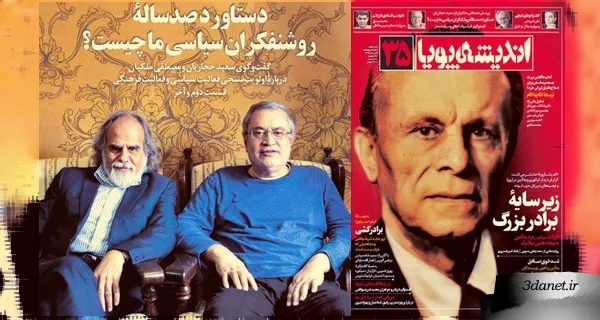
The Hundred-Year Achievement of Our Political Intellectuals, Saeed Hajjarian and Mostafa Malekian (2)
A century-long record of political intellectuals is examined in a conversation between Hajjarian and Malekian. Rejecting political theory, Malekian considers praising the people instead of criticizing them a lie, and sees despotism as arising from citizens' weakness and a lack of cultural transformation.
Quoted from:
The second part of the conversation between Saeed Hajjarian and Mostafa Malekian in the latest issue of Andisheh Pouya
Mostafa Malekian's question to Saeed Hajjarian: What is the hundred-year achievement of our political intellectuals? .
✔️Hajjarian: I want to know whether a political theory can be derived from Mr. Malekian's words. And if it can, what would this political theory be?
✔️ Malekian: No! A political theory in the strict sense of the word cannot be extracted from my words. What I am saying is a kind of etiology of human problems; whether I speak correctly or incorrectly, and whether deeply or superficially. But from this etiology, just as an economic theory does not emerge, in my view, a political theory does not emerge either. I can say that educational, religious, spiritual, and ethical theories emerge, but not economic or political theories.
✔️ Hajjarian: Weakening the role of politicians is not beneficial. Your theory could become very conservative.
✔️ Malekian: Have political intellectuals made people more faithful to moral values? Have they improved people's family relationships? Have they made people fairer in trade and the marketplace? What has been the record of our hundred years of intellectualism since the dawn of the Constitutional Revolution? Our model intellectuals are Dr. Mohammad Ali Eslami Nodooshan and Dr. Mostafa Rahimi. They had a concern for alleviating people's pain and suffering. The book Let Us Not Forget Iran was the first book I read by Dr. Eslami Nodooshan. This is a truly compassionate book for the people. It is addressed more to the people. It speaks with the people and critiques the people. I say we must speak with the people instead of inflating them. From the dawn of the Constitutional Revolution until now, at the top of all our intellectuals' declarations, it has been written: The noble nation of Iran, the valiant nation of Iran. If anyone had not seen our nation and only saw our intellectuals' declarations over the past hundred years, they would say they were a noble, virtuous, precious, brave, and self-sacrificing nation... Our intellectuals' declarations show this, but we know this is not the case. Why do we lie to the people? We should tell the people: you yourselves have flaws.
.
Mostafa Malekian: If the reformists had done cultural work, Ahmadinejad would not have been elected
✔️Hajjarian: Obama recently went to Japan and did not apologize there for the atomic bombings. If he had apologized, he would have performed a moral act. Is Obama an individual apologizing to Japan, or is Obama the representative of the institution of the American government? Could he morally apologize to Japan as the representative of the American government, or could he not? So, a moral act can also be attributed to an institution. When you attribute a moral act to an institution and say the institution of government apologized, you have spoken about something that is not an individual. The existence of society, in the strict sense of the word, is a construct. But you cannot sacrifice this constructed existence. You can use constructed existence to reform real existence.
✔️Malekian: The strength of a political figure and statesman arises from the weakness of the citizens. The weaker the citizens become, the stronger he becomes. When I, within myself, am desirous of wealth, power, status, rank, social standing, and fame, I see that he has said something, and if I oppose it, I will lose power, wealth, etc. Therefore, I say you are right. Thus, the despotism of a politician emerges from within you and me as individuals.
✔️Hajjarian: Mr. Malekian was recently in Denmark and says the difference between Denmark and America is precisely that in America, one cannot rest easy because there are so many homeless people, but in Denmark, you do not see homeless people. Therefore, in this country, there are better conditions for moral elevation.
✔️Malekian: Suppose we, the people of Iran, have the same culture we have now, and by some extraordinary event, from tonight onward, our entire legal system becomes the legal system of Switzerland. Would those laws, however pure and pristine, be effective with this culture? If the people had changed, they would not have voted for Ahmadinejad after eight years of the Reform government. I argue that no cultural transformation occurred during the Reform era. It is impossible for someone to accept ideals like those of the Reform movement and then, after eight years, vote for someone like Ahmadinejad, unless they have a cultural deficiency.
.
.
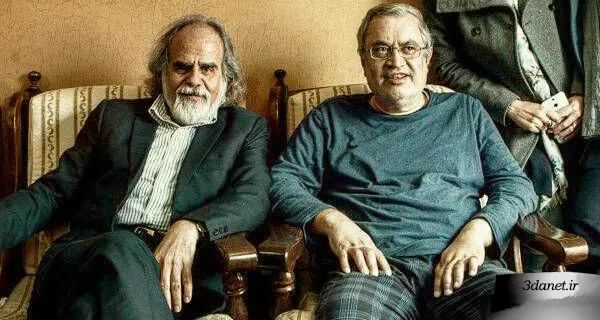
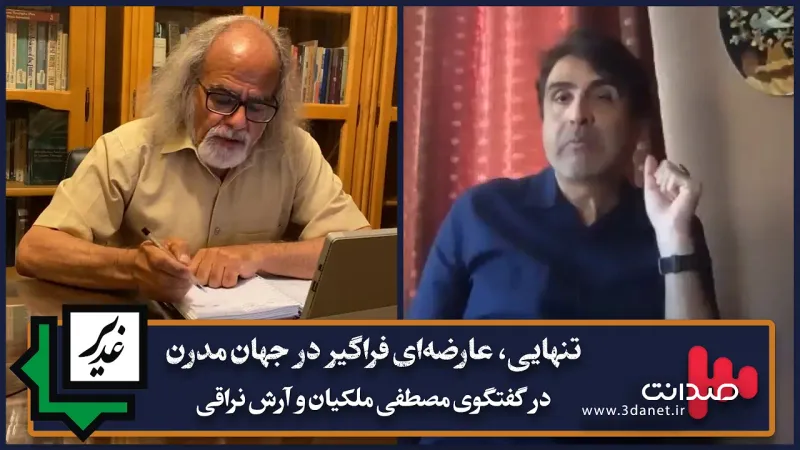
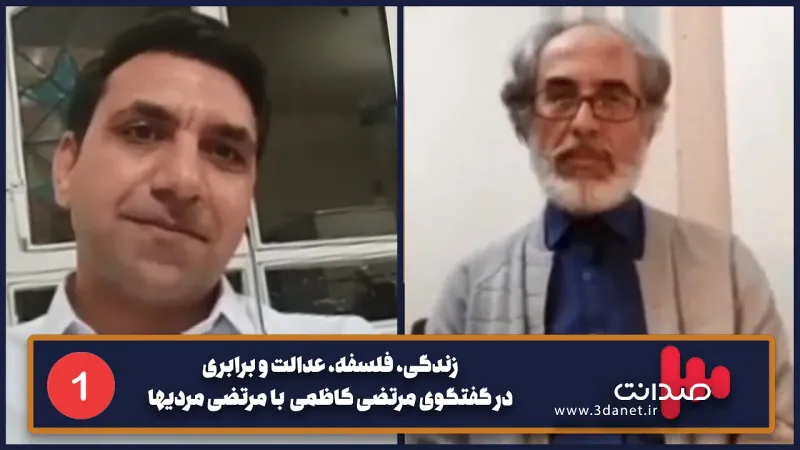
Exclusive video by Andisheh Pouya of the concluding remarks of Saeed Hajjarian and Mostafa Malekian in their debate in Andisheh Pouya 35
.
.
Source: Andisheh Pouya Monthly - Issue 35 - Khordad 1395
To purchase the online version of this issue, click here
.
.
Related Content:
Politicization or De-politicization, Saeed Hajjarian and Mostafa Malekian (1)
The Hundred-Year Achievement of Our Political Intellectuals, Saeed Hajjarian and Mostafa Malekian (2)
.
.

.webp)
.webp)
Discussion1 comments
/ « روشنفکران سیاسی آیا مردم را به ارزشهای اخلاقی وفادارتر کردهاند؟ ... » ؛ آقای ملکیان ابتدا « روشنفکر سیاسی » را تشریح کند و تعداد و امکانات مصادیق آن را در کنار دیگر اصناف روشنفکری و غیرروشنفکری مشخص کند؛ تا پرسش او که در نشریه ای دشمن رویش اندیشه و کنش اجتماعی انتشار یافته ، « پرسشی انکاری » و مصداق بیماری « اثبات خود با نفی دیگری » تلقی نشود . // « از صدر مشروطه تا الآن بر صدر تمام اطلاعیههای روشنفکران ما نوشته شده است: ملت شریف ایران، ملت دلیر ایران » ؛ و کم نیست نوشته هایی که مردم را رجاله و دو رو و .... وصف کرده اند . /// « قوت یک رجل سیاسی و دولتمرد از ضعف شهروندان ناشی میشود. » و ضعف شهروندان هم از « طالب ثروت و قدرت و جاه و مقام و حیثیت اجتماعی و شهرت » بودن ؛ و چون این ها در اکثر موارد و غالب افراد وجود دارد ؛ پس « قوت یک رجل سیاسی » ( یک رجل ، نه فردی در رأس یک سازمان دارای عِده و عُده ) ادامه می یابد ؛ فقط معلوم نیست چرا در جامعه ای که سران ساختار سیاسی منتخب و مدت سروری شان محدود و حوزه اختیارشان مقید به قانون مقبول مردم است ، چرا « حُب جاه و مال و ... » چنین پیامدی ندارد . //// « من می گویم که در دورۀ اصلاحات تحول فرهنگی صورت نگرفت » ؛ اما اصلاح طلبان بیشتر کار فرهنگی کردند و از سازماندهی فعالان اجتماعی و تهدیدات امنیتی و مطالبات اقتصادی متن جامعه غافل ماندند . در ضمن تحول فرهنگی زمانی در گستره اجتماعی رخ می دهد و تداوم می یابد که به نیازها و منافع مردم گره زده شود .