Political Science
Politicization or De-politicization: Saeed Hajjarian and Mostafa Malekian (1)
Malekian sees reform as a change in inner beliefs, while Hajjarian argues that in countries without institutions, talk of culture is meaningless and stresses building institutions before culture—a dialogue on politicization or de-politicization.
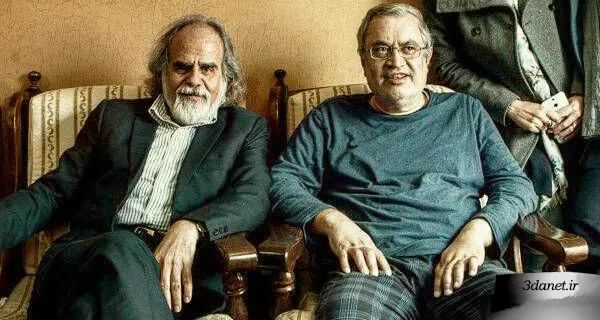
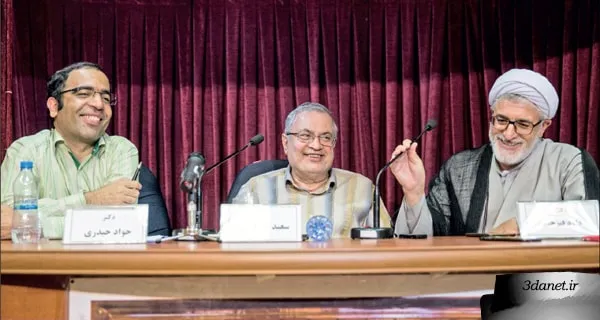
Dynamic Thought: In the past year, one could find fewer new and fresh ideas in the writings of Iranian intellectuals for charting a roadmap for reformists. Amid this, Mostafa Malekian was an exception. He spoke in a serial manner about the priority of culture and that reformism must begin not from the ground of politics but from the ground of culture. This idea, however, was met with critiques and opinions. Some criticized Malekian's approach with the warning that adopting this approach leads to the de-politicization of society; some critics even spoke of Shariati's priority over Malekian, arguing that Shariati was an intellectual of the public sphere, whereas Malekian's culturalist and individualistic approach renders the public sphere in Iran lifeless. Some also accused him of neglecting sociology and giving excessive priority to individual psychology. The present conversation has taken place against the backdrop of such debates. Mostafa Malekian and Saeed Hajjarian, both of whom consider themselves interested in the thought and ideas of Thomas Nagel in moral philosophy, diverge in their prioritization of politics and culture. And what you read is the posing of questions by Saeed Hajjarian and Mostafa Malekian's responses to these critiques and questions. A conversation that will continue, and the critiques and opinions of sociologists, intellectuals, and political and ethical analysts can make it richer and more illuminating.
.
Politicization or De-politicization in the Debate between Saeed Hajjarian and Mostafa Malekian
Saeed Hajjarian: In countries that lack institutions, what meaning does speaking of culture have? For example, what meaning does cultural discourse have in Rwanda? Or, for instance, in backward countries like Afghanistan or Syria where institutions have been destroyed, and there is neither the institution of the market, nor the institution of the state, nor even the institution of religion, what instance does prioritizing culture have? A minimum of institutions must exist for one to be able to speak of culture and its necessity. In some countries, institutions function meticulously and the state is impartial. In these countries, cultural issues take priority. But in backward countries that are not in a favorable institutional situation, one must first build minimum institutions to be able to speak of culture. Mostafa Malekian: When I speak of the primacy of culture, I mean that until human beings' beliefs, their feelings, emotions, and passions, and their desires change and move in the right direction, nothing is reformable. In my belief, until this happens internally, nothing is reformable externally. If you neglect this task, even if political currents come and go a hundred times, nothing changes. I do not deny the influence of politics, and my practical conduct also demonstrates this, but we must know that political regimes can ultimately only be catalysts, and what matters is the internal reform of human beings.
Mr. Malekian has for some time, following the views of Thomas Nagel, emphasized a kind of culturalism and the priority of culture over politics. I would like to take this opportunity to further explore this very view of his.
1 Some time ago, Mr. Malekian gave a lecture in the city of Yazd about ISIS, which sparked a critique from me. I did not hear the lecture personally, and it was recounted to me indirectly by a friend. Apparently, it was said that ISIS cannot be confronted with the weapon of culture, with ethics, admonition, and culture, and they must be stopped with political tools. Perhaps his point was that the general rule of culture being foundational is not true and applicable everywhere. For example, what meaning does cultural discourse have in Rwanda? Or, for instance, in backward countries like Afghanistan or Syria where institutions have been destroyed, and there is neither the institution of the market, nor the institution of the state, nor even the institution of religion, what instance does prioritizing culture have? A minimum of institutions must exist for one to be able to speak of culture and its necessity. In some countries, institutions function meticulously, the state is impartial, and the institutions of property, religion, and education exist and operate separately. In these countries, cultural issues take priority. But in backward countries that are not in a favorable institutional situation, one must first build minimum institutions to be able to speak of culture.
2 In this discussion, I sense a kind of convergence between myself and Thomas Nagel. I am pleased that in the world I find myself sharing a horizon with someone like Nagel and have arrived at points that he too has reached. Nagel is in some respects a protégé of John Rawls and cannot be separated from Rawls. Rawls is a liberal and believes in institutions and systems. By pointing out that liberals give priority to politics, and Nagel gives priority to culture, you place Nagel outside the liberal tradition, but one cannot say outright that Nagel is outside the liberal tradition and does not accept it. Politics is present in liberalism, and indeed politics is also important to Nagel. I read somewhere in Nagel that the most important institution is the state. He even attributes a kind of morality to institutions, beyond the individual. Like Michael Hardt, who attributes morality to law and speaks of the civility of law, the civility of the state, and the civility of the market. Nagel also speaks of the morality of institutions, and this differs from Mr. Malekian's view, which sees morality as entirely individual. What relation does Mr. Malekian have with Nagel, who believes in institutions? Nagel is intensely institutionalist. In Stuart Hampshire's book, Public and Private Morality, Nagel, Rawls, Dworkin, and others have contributed essays. They have made a distinction, saying we have an individual morality that moral philosophy addresses, and a public morality that seeks to examine institutions based on a moral model. The cultural authenticity you speak of relates to private, individual morality, which is a personal matter, but what Nagel pursues—and I also pursue—like Rawls, is to also propose a public morality for institutions. But if we accept your view, we are left empty-handed, and the greatest criticism I have of your virtue ethics is that it reaches a dead end when it comes to criticizing institutions.
3 Mr. Malekian discusses the authenticity of culture. But in Iran, some, like Mr. Kachouian, also call themselves culturalists. I do not know where the boundary lies between Mr. Malekian and these culturalists? They speak of cultural studies and the death of sociology. But Mr. Malekian has not been in these realms, and I wonder if an intellectual connection has emerged between him and that thought. Is Mr. Malekian familiar with the works and statements of those people or not? And if he is familiar, does he agree with them? I do not know if the scope of Mr. Malekian's discussion extends to culturalism. Culturalism makes certain matters, such as human rights, dependent on the cultural context. In this view, human rights in Iran differ from human rights in Europe. Culturalism says human rights are culture-dependent. If this is so, the human rights covenant no longer has any existence, and the way is opened for other discussions that, in my opinion, are seriously questionable. Does Mr. Malekian consider himself a culturalist in this sense?
4 Mr. Malekian's psychology is neither Freudian nor Jungian. His psychology is completely closed and introverted. The psychology of Freud and Jung opens a path from the inside to the outside. But in Mr. Malekian's psychology, the discussion is about intention, purpose, and will, which are not objective and measurable. This is why many do not consider virtue ethics to be ethics at all and say it is a discussion within psychology. Even reconciling Nagel and virtue ethics is difficult. Nagel says virtue ethics is essentially psychology. I do not know how Mr. Malekian's interpretations of virtue ethics can be reconciled with Nagel's views?
I am pleased that my dear and thoughtful friend, Mr. Hajjarian, has paid attention to my views and saw enough value in my opinion to spend time on it. I say sincerely and honestly that the fact Dr. Hajjarian spent time and energy shows he regarded this discussion with favor. He also raised questions and, in fact, introduced ambiguities into my opinion, which my answers to them can resolve such ambiguities. Each of these four questions, with the explanation I will give, will clear up points that have been unfairly attributed to me in the writings of others. Before addressing these four problems and criticisms—and in his humble phrasing, questions—I will say a few points regarding my own opinion.
One: I have never denied that the political regimes governing societies have an effect on the nature and destiny of their citizens, and perhaps even on the nature and destiny of other societies. My argument is not at all a denial of the influence of political systems on the good and bad, the happiness and misery of their citizens. I accept that political regimes also have an effect. The debate is over whether the influence of politics is greater or that of culture. Just as with economics, I believe that economic relations have an effect on how the citizens of a society live. In whether citizens have a pleasant life or not, economics, like politics, is effective. But when we weigh them, my judgment is that the weight of culture is greater than the weight of politics and economics in influencing our condition. Therefore, when I say the weight of culture is greater than the weight of politics and economics (contrary to liberals and socialists), it does not mean denying the weight of politics or economics. But if the institution of politics is to change in order to have a more positive effect on the condition of citizens, how should it change? Even if the institution of politics wants to change, the institution of culture must have changed. Therefore, while I accept that the state of the institution of politics affects the condition of citizens, and thus it is good for the institution of politics to be reformed so that its consequence, the condition of citizens, is also reformed, I have no conception of institutional change—the institution of the family, the institution of education, the institution of science, technology, and art, the institution of economics, the institution of politics, and the institution of law, religion, and morality—other than this: an institution changes when (one) its laws, or to be slightly more precise, its norms, change, and (two) the executors of the newly emerged laws change. I have no other conception of institutional change. When they say a constitutional monarchy becomes a republic, or a democratic system becomes a theocratic system, or an oligarchic system becomes a democratic system, I understand this to mean that the laws and the executors of the laws of those systems change. If there is an error in my understanding, it must be explicitly pointed out. But if this conception of mine is correct, then I say that if this change is to be in a positive direction, the new laws must be better than the previous laws, and the new executors must be better than the previous executors. But the new laws are better than the previous laws only if those who enact these laws are better than those who enacted the previous laws. It is clearly evident that the new executors are also better than the previous executors when better human beings come to power compared to the previous human beings. If this is the case, then ultimately, the change of the institution of economics, or politics, or law, or any other institution will be in the direction of reform and not corruption. So ultimately, everything comes back to the human being, and in the analysis I have, institutional change—assuming I accept that the institution has reality—ultimately comes back to the change of the members who are involved and active in that institution, whether they are involved in enacting laws or in executing laws. I do not understand how an institution can be changed except through this way.
Two: Culture is a very ambiguous word and concept and, in the parlance of the ancients, a homonym. It is one word with more than one meaning. If I am not mistaken, one of Arnold Toynbee's students who collaborated with him on his monumental project extracted eight hundred definitions of culture from published works and writings alone. The definitions are numerous, but I make a higher claim. I say these numerous definitions are not numerous definitions of a single phenomenon. Chocolate has one meaning, but we may disagree about what that meaning is. Culture, however, has more than one meaning, and for each of those meanings, various definitions can be offered. So as not to speak vaguely, I will point out that, in my view, culture has three meanings. Sometimes culture has its broadest meaning, used in opposition to "nature" (culture versus nature). Here, anything that existed on the planet before the emergence of humankind is called natural, and anything that came into being after the emergence of humankind on the planet is called cultural. This is the broadest meaning of culture. Thus, desert sands, galaxies, wind, rain, clouds, and soil… are natural matters, while language, script, religion, and creed are cultural matters. This is the first meaning of culture. But within this very broad circle, a smaller circle is drawn, which is the second meaning of culture. Human creations, as opposed to nature—which in this first definition are termed culture—can themselves be divided into two categories: creations that have material embodiment and creations that do not have material embodiment. In this smaller circle, culture equals creations that do not have material embodiment, as opposed to civilization, which is creations that do have material embodiment. Things that humans have made either have material embodiment, like airplanes, bridges, and roads, which we call civilization; or they do not have material embodiment, like language, religion, and creed, which are called culture. But within this second circle—that is, those human products that lack material embodiment—some have emerged externally and some internally. The former we call culture, and the latter we call the social. This is the third meaning of culture. In the formulations that Mr. Hajjarian presented, and that other friends have also previously raised, their intended meaning of culture was the second one. Culture in the third sense, which I believe in, is that which exists within each and every individual, and not, for example, language, which is a social matter. In the previous sense, language was also culture, but here, language is no longer culture and falls within the realm of social matters. I speak of this third meaning of culture and, in this regard, follow the latest findings of psychology. I say that within human beings, there are no more than three things: a set of beliefs, a set of feelings, emotions, and affects, and a set of desires. Human behavior—whether verbal behavior or physical behavior—arises from the sum of beliefs plus feelings, emotions, and affects, plus desires. I call these three the inner elements of culture. Therefore, when I speak of the primacy of culture, I mean that unless people's beliefs, their feelings, emotions, and affects, and their desires change and move in the right direction, nothing is reformable. The right direction for beliefs means that people's false beliefs decrease and their true beliefs increase. The right direction for feelings, emotions, and affects means that their inappropriate feelings, emotions, and affects decrease and their appropriate feelings, emotions, and affects increase. And the right direction for desires means that their unreasonable desires decrease and they move more towards reasonable desires. In my belief, until these three are accomplished internally, nothing is reformable externally. If you neglect this task, political currents can come and go a hundred times and nothing will change. Political regimes change through five ways: revolution, internal uprisings and ethnic and religious centrifugal tendencies, coups d'état, foreign intervention, and ballot boxes. But my point is that if you change a political regime a hundred times, but the people's culture remains the same—that is, their beliefs are the same beliefs, their feelings, emotions, and affects are the same feelings, emotions, and affects, and their desires are the same desires—they will, by their own hand, transform the new political system into the exact same former political regime. And this chain will continue. Therefore, I do not deny the influence of politics, and at least my practical conduct shows that I do not deny the influence of the political system, but we must know that political regimes can ultimately only be catalysts.
What must come about is a change in culture, in the third sense I explained. Most of the friends who level these criticisms at me are religious intellectuals, and one of the teachings common to all world religions and denominations is, as it happens, a point I also subscribe to. All world religions and denominations have said: until an inner change occurs within you, do not expect an outer change. The Qur'an states with the utmost clarity in the verse “Indeed, Allah will not change the condition of a people until they change what is in themselves” (Ar-Ra‘d 11) that God will not change any objective, external, or apparent matter unless human beings change an inner, inward matter within themselves. We must undergo a subjective, inner, mental, and internal change in order for an objective, external, concrete, and outward change to come about. This is one of the certainties of the Qur'an, and it is not the only verse in the Qur'an that indicates this point; there are numerous verses in this regard, of which this is the most explicit. The friends who reject my words must also contend with that teaching. With these explanations, I wish to answer Mr. Hajjarian’s four objections.1. Mr. Hajjarian pointed out that there must first be certain minimums in place for culture to be able to function within their context. If by minimums he means the necessities of life in Maslow's sense—that is, what satisfies the base of the pyramid of human needs—I completely agree. As long as food, clothing, drink, shelter, sleep, the satisfaction of the sexual instinct, and security do not exist at a minimal level, that is, at their threshold, speaking of culture is like, in Rumi's words, offering Rostam a bouquet of flowers on the battlefield: What would Rostam do in the battle line with a bunch of basil? If the necessities of life, or in Maslow's terms, physiological and biological needs, are not met to the necessary degree in a society, it is a joke for anyone to speak of culture. But if we go beyond this level of needs, whatever you want to do, you must first create a change in the beliefs, feelings, emotions, and desires of your audience. Societies like the African societies Mr. Hajjarian referred to have, in fact, remained precisely at this base level of the pyramid of needs considered by Abraham Maslow and humanistic psychologists, and as you know, in psychology I have adopted the approach of the humanistic psychologists. If the necessities of life are absent, the quantity of life is also endangered, and when life lacks quantity, quality—and culture, which more than anything determines the quality of life—becomes meaningless. But what friends say in their critique is not at the level of securing basic needs. They claim something beyond this, and I cannot accept anything beyond this.
2 I am entirely in agreement with Nagel. Mr. Hajjarian said that Nagel is one of the virtues of Rawls and that Nagel cannot be separated from Rawls, who is a liberal thinker. Yes, Rawls is a liberal thinker, although Rawls's liberalism cannot be compared to other liberalisms; for in Rawls, unlike others, one can see serious strands of socialism. To the extent that it appears, unlike Rawls, who is a philosopher of justice, the concept of justice has absolutely no meaning for Hayek. But I fully accept that Rawls is a liberal thinker, and naturally, Nagel must also be considered a liberal thinker. However, in the discussion about institutions, let us separate two claims. One claim is whether institutions exist at all, or whether an institution is an abstract concept and a fictitious entity. Is there anything called a nation or a social group apart from you and me and Hassan and Hossein and so on? As an ontological philosopher, can we hold that there exists something called society, institution, and social group apart from us, or not? This is a purely ontological discussion. But even if we accept that institutions exist, the next discussion is: changes in which institution are the cause of all causes of changes among the other seven or eight institutions that exist in society? This discussion differs from the first one. The first discussion, on a metaphysical and ontological basis, asked whether we have anything called institution, society, community, group, etc., apart from individuals, or not. But if we have proven in its proper place that institutions exist and that the institution of politics and the institution of economy also have objectivity, the second discussion is: if a major change is to occur in society, which of these various institutions should we address first? In the first discussion, Nagel, like Rawls, believes in the existence of institutions and holds that we really have the institution of politics and does not reduce everything solely to individuals. But if you have paid attention to my previous remarks, it is precisely here that I disagree with Nagel. In this sense and from this perspective, if Rawls or Nagel are liberals, I am naturally not a liberal. I fundamentally believe that we are individuals and that there is no such thing as an institution. As one friend put it, recounting my words among social science scholars has caused astonishment. Since astonishment always brings laughter, and we have learned from Aristotle that the cause of laughter is astonishment, it must have brought laughter as well. But I, Malekian, say that institutions do not exist, whereas Rawls and Nagel say that institutions do exist. However, regarding whether we should address ethics, politics, or economics first, I see an affinity in my view with Nagel's view. Although one friend, in a critique of me, has written that if I see an affinity between myself and Nagel, it stems from a misinterpretation of Nagel's words. I fully understand their objection. They have written that in the lecture related to the book *Partiality and Equality*, you considered yourself to be on the same horizon and of the same opinion as Nagel, and if you see a proximity with Nagel, it is because you have misinterpreted Nagel and have not correctly understood Nagel's book *Partiality and Equality*. To give a precise answer, I must bring the text of the book and see whether I have spoken against the definitive statements of Nagel, and if I have indeed spoken against the definitive statements of Nagel, then my interpretation of Nagel is truly mistaken, and I must accept the objection. But in my own view, what I have read of Nagel and the interpretation I have of Nagel says that primacy belongs to culture, relative to the primacy of economics and politics. On the first matter, I am certainly opposed to Nagel, but on the second matter, I believe I agree with Nagel, although according to those friends, I do not. Mr. Hajjarian spoke of Nagel's attention to the ethics of institutions. I have not, of course, read the book and article they referred to. But I know that Rawls and Nagel ascribe objective, external existence to institutions. And I also said that I do not grant this validity to institutions. It is clear that if someone ascribes objective, external existence to institutions, they can also ascribe ethics to institutions. There is no problem with that. And since I do not ascribe objective, external reality to institutions, I naturally do not ascribe ethics to them either. This is the point where I part ways with Nagel, because I do not ascribe any objective, external existence to institutions at all, and naturally, I consider all ethics to be the ethics of individuals. This is understandable to me, but I had not claimed similarity here. At the same time, we know that in philosophy, we cannot refute someone's statement by citing another person's statement. You can ultimately show that I disagree with Nagel, but merely the fact that I disagree with Nagel does not demonstrate that Nagel is right and I am wrong. The opposite might be the case.
3. Another objection raised was that the discussions I am having might align me with the issue of cultural studies, as figures like Dr. Kachouian put it. I do not agree with Dr. Kachouian's views, and there is no doubt about that. But the reason Mr. Hajjarian thinks I might share their horizon is that the culture I mean has been conflated with the culture meant by those who subscribe to cultural studies. I defined my meaning of culture very clearly: my beliefs, my feelings, emotions, and passions, and my desires. But when they speak of culture, they use it in the second sense; that is, something that stands in opposition to civilization. They consider the books of philosophers as part of culture. They consider the books of mathematicians and logicians as part of culture. They call the books of natural scientists, human scientists, historians, mystics and theologians, jurists, men of letters, poets, novelists, and short story writers, and so on, culture, and then they want to load this culture with judgments, one of the most prominent of which happens to be relativism. From this perspective, they say we have our own culture, and they have theirs. It is as if they believe in the incommensurability of cultures, and then they say, how do they have the right to critique our culture from the standpoint of their own culture? This view seems very strange to me, and it is strange that those who believe Islam is the true religion and that its truth is trans-spatial, trans-temporal, and trans-contextual, fall into such relativism to prove this claim. One cannot, on the one hand, say that the religious culture of Muslims is the most complete and final, and its rulings are eternal and everlasting, trans-temporal, trans-spatial, and trans-contextual, and then say our human rights are Islamic human rights and what do they have to do with Western human rights. This becomes cultural incommensurability, and cultural incommensurability means there is no mutually acceptable arbiter from whose perspective we can compare cultures with one another. This is nothing but relativism, and I lament for our Muslim culture that when someone wants to defend it, they do two things: one, they fall into the abyss of relativism, and two, they dismiss the rest of humanity from the field of discussion merely with contempt. I do not subscribe to this view at all. I do not believe in the incommensurability of cultures at all. I believe in a rationality by resorting to which, I say, one can compare cultures with one another and say this culture is right or that culture is right; and show the relative strengths and weaknesses of cultures in comparison with each other. They take culture in the second sense, and I take culture in the third sense, and there is truly a great distance between these two. Perhaps twelve years ago, in a lecture held to commemorate al-Attas, I spoke critically about the indigenization of sciences at the Faculty of Social Sciences of the University of Tehran. We have indigenous problems, but we do not have indigenous sciences. Suppose we all study at a medical school in Paris. They teach all of us medicine. But after we graduate, one of us goes to Iran, one to Ethiopia, and one to China; and it is possible that regional diseases in one of these areas are so prevalent that we suddenly see one of these doctors dealing with smallpox their entire life. Whereas in another region, smallpox has been eradicated and does not exist. This does not mean that the medicines differ. We all learned a common body of knowledge in medical school, but at the same time, when we enter the Ivory Coast region versus when we enter America, the diseases differ, and gradually one doctor pays more attention to a specific disease and another doctor to another. Therefore, medicine is one, but we have indigenous problems. Every society has problems. Sociology is sociology, but a sociologist in Iran might see administrative corruption more in bribery, and in a country like Saudi Arabia, in negligence. Therefore, I do not understand what Iranian human rights, Japanese human rights, Confucian human rights, Buddhist human rights, and Islamic human rights mean.
4 Mr. Hajjarian pointed out that Malekian's psychology is not an objective psychology. That is, it deals more with intention, purpose, motive, benefit, and desirability, and this differs greatly from Freudian psychology, Freudian psychotherapy, or Jungian psychology, because at least Jungian psychology refers to archetypes that are universal in all human beings. Or Freud at least refers to a series of elements that are universal and have generality, but Malekian does not refer to anything universal or general. This criticism is very much applicable to me and is apparently correct, because I am truly neither a Freudian nor a Jungian. I am a follower of humanistic psychologists. These critics immediately link my psychological perspective with the virtue ethics I defend and say that in your psychology you pay a great deal of attention to intention and motive, and virtue ethics, as it happens, also considers the criterion for judging people's acts and deeds to be what was going on inside the agent and doer of those deeds.
Then they say that since we cannot tunnel into people's inner selves, we cannot judge either; meaning, if I were a Kantian deontologist, I would judge their actions and say your work is wrong. If I were a consequentialist like John Stuart Mill and Jeremy Bentham, I would again criticize their work. But from the perspective of virtue ethics, I can no longer criticize an individual's work—why? Because I am supposed to tunnel into people's inner selves, and I cannot tunnel into their inner selves, and then they attribute motives to themselves that may well not be real, but I cannot deny them; they attribute intentions that may well not be real, but I cannot deny them. This is where some have said you cannot even criticize a dictator like Stalin, Pol Pot, and Hitler. Saddam cannot be criticized because there might be motives within him that we have no access to, and we are not aware of hidden things. This is completely correct if I am a virtue ethicist. But virtue ethics is only an ethics of decision-making and not an ethics of judgment. Indeed, one of the major differences between virtue ethics and the other two ethical systems is that the ethical schools of consequentialism and deontology are useful not only for decision-making in my own actions but also for judging the actions of others. But virtue ethics, if taken seriously—as I take it seriously, like the mystics—is only an ethics of decision-making; that is, I can only decide based on it whether to do this action or not to do it. But based on it, I cannot judge your actions. You fear that if I believe in virtue ethics, I cannot even protest against a dictator; but this is an incorrect perception resulting from conflating ethics and law. Through law, we can stop not only a dictator but even someone who has stolen a single sugar cube. Ethics cannot be reduced to law. Law also cannot be reduced to ethics. My answer is that we do not stop others through ethical judgment. We stop them through legal judgment. And there, not only can Pol Pot and Stalin be stopped, but someone who has slandered can also be stopped. Law must prevent injustice. Through law, we stand against oppression, tyranny, injustice, any kind of violation, and any kind of aggression and transgression. Law is one of the sources of social norm-setting, which should not be conflated with the individual norm-setting source called ethics. In my view, ethics and law differ in terms of subject matter, method, and purpose. You should never expect law from ethics. Others are punished from a legal perspective for the wrongful acts they commit, and there is no doubt about that. But from an ethical perspective, I grant myself no permission to judge others. And this is why the mystics so emphasized not judging others. Because their ethics was a virtue ethics. They did not make ethical judgments, but they made legal judgments and said the thief must be brought to the punishment of his deeds. Therefore, we should not fear that with this view, we might develop a kind of acceptance of oppression, subjugation, and obedience. When Ali ibn Abi Talib (AS) wept over those killed at Siffin, even though they had been killed by his own hand, and struck his own face and said, 'I wish the sun would not rise upon Ali tomorrow morning so that he would not kill others,' there was no contradiction in his action; that is, legally, he grants himself the right to kill the companions of Muawiyah, but he does not see it as unlikely that this same individual might be a human being who is not morally blameworthy, because he was drawn to that position due to the lack and deficiency of certain awarenesses. We make legal judgments, and based on legal judgment, we punish even a very small mistake, but if we are virtue ethicists, we do not make ethical judgments.
.
.
Source: Andisheh Pouya Monthly, Issue 33
.
.
Related Content:
Politicization or De-politicization: Saeed Hajjarian and Mostafa Malekian (1)
The Hundred-Year Achievement of Our Political Intellectuals, Saeed Hajjarian and Mostafa Malekian (2)
.
.

Discussion8 comments
اینکه جناب ملکیان منکر وجود نهاد می شوند به نظر عجیب می رسد وقتی یک مجموعه ای با خواص متفاوت درمقابل مجموعه های دیگر وجود داشته باشد وبتوان آنرا با توجه به محدوده و صفات وخواص آن تعریف کرد مطمئنا می تواند نامش مجموعه باشد جدای ازبقیه حال بخواهیم برآن نام نهاد بگذاریم یا نامی دیگر تفاوتی نمی کند اما انکار آن پایه های نظام فکری وتصمیم گیری را برهم می زند
گفته های آقای مصطفی ملکیان از سویه های گوناگون قابل بررسی و ارزیابی است . در این جا به چند مورد اشاره می کنم : 1 ) مدعای آقای ملکیان مشخص نیست ؛ یک جا گفته اند : « رأی من این است که وزن فرهنگ از وزن سیاست و اقتصاد در تاثیرگذاری بر وضعیت ما بیشتر است » ، به عبارت دیگر ، از « بیشتر بودن وزن تأثیر فرهنگ از وزن تأثیر سیاست و اقتصاد » سخن به میان آورده اند ؛ و در ادامه گفته اند : « وقتی از اصالت فرهنگ سخن می گویم ، مرادم این است که آدمیان تا باورهای شان ، تا احساسات و عواطف و هیجانات شان ، و تا خواسته هایشان عوض نشود و در جهت درست پیش نرود ، هیچ امری اصلاح شدنی نیست » ، یعنی از « اصالت فرهنگ » سخن می گویند و آن را « مشروط بودن اصلاح » و تغییر به « عوض شدن باورها ، احساسات و عواطف و خواسته ها » تعریف می کنند . 2 ) نسبت فرهنگ و سیاست و اقتصاد : آقای ملکیان گفته اند : « رأی من این است که وزن فرهنگ از وزن سیاست و اقتصاد در تاثیرگذاری بر وضعیت ما بیشتر است » . لازمه این سخن جدایی « فرهنگ » از « اقتصاد » و « سیاست » است ، در حالی که بنا بر تعریف ایشان از « فرهنگ » ، هم اقتصاد و هم سیاست عناصر و اجزایی دارند که مصداق فرهنگ به شمار می روند . به سخن دیگر ، ایشان می گویند « در درون آدمیان سه چیز بیشتر وجود ندارد : یک سلسله باورها ، یک سلسله احساسات و عواطف و هیجانات ، و یک سلسله خواسته ها . رفتار انسان- چه رفتار گفتاری و چه رفتار کرداری- از مجموع باورها به علاوه احساسات و عواطف و هیجانات و به علاوه خواسته ها ، ناشی می شود . من به این سه ، عناصر درونی فرهنگ می گویم . » با این تعریف از فرهنگ ، اقتصاد و سیاست دارای عناصر فرهنگی هستند . به عنوان نمونه گزاره های « کار منشاء ارزش است » و « زمین غیرقابل فروش است » ، به عنوان باور ، مصداق فرهنگ مورد نظر آقای ملکیان هستند اما جزئی از یک بافتار اقتصادی خلاق و بالنده به شمار می روند . توضیح ایشان هم گواه این تصور است : « من از تغییر نهاد ... نهاد اقتصاد ، نهاد سیاست ... - تصوری غیر از این ندارم که : وقتی یک نهاد تغییر می کند که ( یک ) قوانین و یا به تعبیر کمی دقیق تر هنجارهای آن نهاد عوض شود و ( دو ) مجریان قوانین جدیدا پدید آمده ، عوض شوند . من تصور دیگری از تغییر نهاد ندارم . وقتی می گویند یک نظام مشروطه سلطنتی تبدیل به نظام جمهوری می شود ، و یا یک نظام دموکراتیک تبدیل به یک نظام تئوکراتیک می شود ، و یا یک نظام اولیگارشیک تبدیل به یک نظام دموکراتیک می شود ، من این طور می فهمم که قوانین و مجریان قوانین آن نظام ها عوض می شوند » . با این تعریف از فرهنگ ، نمی توان آن را در برابر اقتصاد وسیاست قرارداد . در اقتصاد و سیاست ، فرهنگ حضور دارد . 3 ) رأی آقای ملکیان لزوماً با رأی کسانی که اقتصاد را تعیین کننده می دانند ، منافات ندارد زیرا ممکن است آنان تعریف و تصور دیگری از اقتصاد و فرهنگ داشته باشند . در هر صورت « معیار مناسب سنجش » « وزن » و « تأثیر » یا « وزن تأثیر » فرهنگ و سیاست و اقتصاد ، موضوعی است که به دقت باید بررسی شود . ( به گمان من وزن عوامل در هنگام کشاکش آشکار می شود : آن گاه که ضرورت معیشت با باورها و عواطف معین ِ احیاناً جاافتاده منافات دارد ، کدام غالب می شود و کدام تغییر می کند و با دیگری هماهنگ می شود ؟ )
من نمیدونم استاد ملکیان این ادعا رو که برای هایک مفهوم عدالت اصلا معنا ندارد از کجا و چطور نتیجه گرفته اند!! جناب استاد با تمام احترامی که برای شما قائل هستم باید عرض کنم مطالعات شما در حوزه ی اقتصاد بسیار ضعیف و سطحی است و برای همین است که کسی را که عمر خود را بر روی تحقق عدالت واقعی (نه مفهوم متناقض عدالت اجتماعی) گذاشته متهم به معنانداشتن عدالت برای او می کنید. هایک با مفهوم عدالت اجتماعی که سرتاپا متناقض که دستاویز دخالتهای سیاسی و اقتصادی دولت در امور ریز و درشت مردم است و در واقع عین بی عدالتی است مخالف است نه خود عدالت. کاش استاد اقتصاد رو هم مورد مداقه و مطالعه ی عمیق خود قرار دهند تا شاهد تحولات اساسی در خیلی از آرای ایشان باشیم....
با خواندن نظر آقای مصطفی ملکیان تصمیم گرفته ام نقدی مختصر بر آن بنویسم اما از آن جا که نگاهم مبتنی بر باورهای پیشینی است و به دیده ام گفتار ایشان با این پیشینه مغایر و ناسازگار آمده است ، ترجیح می دهم در گام نخست ، تصور پیشینی خود را آشکار کنم ، سپس نقد خود بر سخن ایشان را در معرض داوری بگذارم . رویش همه سویه و هماهنگ ( توسعه ) 1. اگر از مردم بپرسیم که « مشکل ما چیست ؟ » ، می گویند : « گرانی ، بی کاری ، اعتیاد ، آلودگی محیطِ زیست ، حاکمیت دو پِ ( پول و پارتی ) و ... » . از سویِ دیگر دستگاه های اجرایی در سطوح ِ خرُد ، به کارهای معمولِ روزانه ـ مطابقِ آیین نامه و دستورِ کارِ صادر شده از بالاـ مشغول هستند و از ساختار و اهداف و نقش اجتماعی کُلِ بافتِ اداری و ربط آن ها به نیازها و خواست های عمومی غالباً درک روشنی ندارند . از دیگر سو پژوهندِگان و تحلیل گران نیز بنا بر مفاهیم و گزاره های متفاوت ، به نقد و پالایشِ تصور و کنشِ توده ی مردم و صاحبانِ جاه و مقام و به توصیفِ تهدیدها و فرصت ها می پردازند و این جا و آن جا ( در محافل خـصوصی ، دانـشگاه ها ، حاشیه نشست های اداری ، رسانه های هـمگانی .... ) پـنداشت و پیـشنهاد خود را پخش می کنند . این عرصه های در هم تنیده ؛ ارتباطِ اندیشیده ، به قاعده و پایداری ندارند و در متنِ واقعیتِ عام تری جای دارند که خارج از حوزه ی کنشِ آگاهانه ی اجتماعی ، به راهِ خود می رود .... با این حال در « چه هست » نمی توان ماند . « چه باید کرد ؟ » ، « چه می توان کرد ؟ » و « چه بکنیم ؟ » پرسش هایی هستند که « انسان چاره اندیش » ناگزیر است به آن ها پاسخ گوید . پاسخ ها البته بنا بر ویژگی های درونی و محیطی پاسخ گو متفاوت است اما پاسخ گویی روشن و منسجم و معطوف به نتیجه ؛ هم دربردارنده ترسیم وضع مطلوب است ، هم نیازمند شناخت گزینه های ممکن و هم متوجهِ ظرفیت و توانِ پاسخ گو . از این منظر ، فعالان جویای اصلاح و بهبودی ، چه کار باید بکنند ؟ پاسخ به این پرسش نیازمند وجود یک زمینه فکری روشن ، منسجم و مشترک است ؛ بستری که توجه به نکته های زیر می تواند گامی به سوی تحقق آن به شمارآید . 2. از ویژگی ها و معیارهای رویِش و پیشرفت ؛ رشدِ تقسیم ِکار و تفکیکِ بیش ترِ نقش ها ؛ و به موازات آن ، تقسیم و تفکیکِ فضا است . به عنوان نمونه ، پیش تر در خانه ها توی یک اتاق می پختند و می خوردند و می خوابیدند ؛ سپس آشپزخانه و اتاق های پذیرایی و خواب ، از هم جدا شدند که مصداق پیشرفت در ساختِ خانه به شمار می رود . در سطحی دیگر ؛ وقتی تولید برای مصرف خانگی از تولید برای فروش تفکیک شد ، زمینه ی تفکیک و جدایی کارگاه (محل کار تولیدی ) از محل استراحت ( خانه ) پدیدآمد و تقسیم و جدایی کار ، به تفکیک و جدایی مکان ویژه هر کار منجر شد . در سطح « شهر » ، این فرآیند از جمله به صورت ایجاد حرفه ها و رشته های تخصصی گوناگون و در پیوند با آن ، به صورت کارگاه ها و راسته های تخصصی متعدد ظهور و بروز یافت . با این حال با نگاهی گذرا به آن چه پیرامون ما می گذرد ، آشکار می شود که از یک سو کارها و فضاها ، تفکیک و جدا می شوند اما از سوی دیگر کارها و فضاها درهم و آمیخته اند ؛ مثلاً ـ بر خلاف محله های کوچک و یا قدیمی ، ـ پیاده رو و سواره رو از هم تفکیک شده اند اما پیاده ها از سواره رو می گذرند ، سواره ها از توی پیاده رو ؛ خانه و فروش گاه و گذرگاه از هم تفکیک شده اند اما کوچه و خیابان و جاده و پیاده رو و گوشه خانه ، محل فروش است ؛ اداره و مسجد و سینما وکارخانه ... از هم جدا شده اند اما در اداره ، آیین سوگ برپا می دارند ، در مسجد ، نمایشگاه کتاب می گذارند ، در کارخانه ، جشن عروسی می گیرند ؛ در ساختمانی که برای سکونت طراحی شده ، به کار اداری یا آموزشی مشغولند ... این آمیختگی و آشفتگی به امور محسوس محدود نمی شود و در سطح تفکیک فضاها و نقش های اداری و معنوی ( تقسیم کار نامشخص و متداخل سازمان ها و اداره ها ، درهم ریختگی محتوای کتاب های درسی و ... ) هم مصداق دارد . حرکت به سوی رفع این درهمی گیج کننده منوط به درک دو نکته است : نیاز به تمایز و تفکیک از یک سو ، و نیاز به پیوند و همبستگی عرصه ها از دیگر سو . تمایز و تقسیم کار به رشد کارایی و بازده منجر می شود و نیاز متقابل عرصه های متمایز ، « عرصه ی مشترک و عمومی » را پدید می آورد . 3. به طور کلی با افزایش تراکم جمعیت و اشتغال مردم به کارهایی که در فضای کوچک و ساخته انسان ( دکان ، مسجد ، مدرسه ، اداره ........ ) صورت می گیرد ؛ ارتباط مردم با هم بیشتر می شود ، پیوست و گسست افراد افزایش می یابد ، نیاز متقابل به کار و کالای یک دیگر قوت می گیرد .... و نیاز به قوانین و مقررات برای تنظیم روابط رشد می کند . در این وضع ، با رشد تقسیم کار و افزایش تنوع پیشه ها ، امکان تنوع اشتغال افراد خویشاوند بیشتر می شود ، نهادها و سازمان های غیرِ دودمانی پدید می آیند و پیوندها و تشکل های خونی ، تحت الشعاع پیوندهای شغلی قرار می گیرند . در واقع با رشد پیوندهای مدنی ( پیوندهای مبتنی بر کار ، منـافع ، علایق و باورهای مشترک و همسو در هـمبودهای مـتراکم ِ بازرگانان و پیش وران و ... ) ، پیوند دودمانی سست و گسسته می شود و قبیله ها به خاندان ها و به خانواده های گسترده و هسته ، تجزیه می شوند . به عنوان نمونه ملموس ، اکنون فرزندان یک خانواده ـ که در جامعه کشتگر در جوار هم و گاه در یک خانه ، کار و زندگی می کردند ، ـ با کـارآموزی در زمیـنه های مخـتلف ، هر یک برای تأمیـن معاش خود به سویی رفتـه اند و بیشتر با هم کاران و هم رستگان خود ارتباط دارند تا با خویشانی که کار و دنیای دیگری دارند و در محله ای یا شهری دیگر زندگی می کنند . تمایز شغلی ، تفکیک مکانی و سست شدن بستگی دودمانی ؛ می تواند بستر تقویت پیوندهای مبتنی بر شغل ، علایق عاطفی و هنری ، همسویی اعتقادی و ... باشد ؛ اما لزوماً چنین نبوده است . بارها با رشد شهرنشینی و وقوع تفکیک و تمایز ، جامعه ی برآمده از پیوندهای دودمانی نتوانسته به موازات گسستگی پیوندهای خونی و « عصبیت » ، نهادهای روییده بر بستر رشد تقسیم کار و ارتقای بهره وری را پدیدآورد و تقویت کند ؛ در نتیجه بر بستر کشاکش درونی ، در برابر تازش قبایل و ایلات و در برابر رخنه ی جوامع طایفه ای اُفت کردند ، تسخیر شدند و فرو ریختند . در واقع لازمه رشد پایدار و بقای جامعه ای که تقسیم کار در آن بالنده است ، پیدایش و تقویت « عرصه عمومی » است . عرصه عمومی ، فضای ربط و ارتباط عرصه های اختصاصی و تخصصی ، و مکان سازش / ستیز یا هماوردی / همکاری قانونمند آن هاست ؛ فضایی با بینش و منش ویژه . 4. یک پزشک آموزش می بیند که بیمار را درمان کند ، یک نظامی برای خَستن و کُشتن و نابودکردن تربیت می شود ؛ وکیل باید متهم را تبرئه کند ، دادستان ( مدعی عموم ) باید او را محکوم کند .... . « اخلاق حرفه ها » البته همواره در تضاد نیستند اما تمایز و گاه تقابل حرفه ها و حوزه های تخصصی به طور خاص و تمایز برآمده از تقسیم کارها و فضاها به طور کلی ، نزد غالب مردمان امری ملموس و مبنای داوری آنان در باره ی یکدیگر است . نکته این جاست که اهل هر حرفه و تخصصی مایلند اخلاق ویژه خود را تسری دهند و به دیگران تلقین و یا تحمیل کنند : « پزشک » فراتر از حوزه تخصص خود ، جامعه را بیماری نیازمند درمان می بیند ، « نظامی » جامعه را در خطر و محتاج دفاع و دیگران را مطیع وگوش به فرمان می خواهد ؛ « اهل سخن » همه را سخن شناس و نکته بین می طلبند ........ ؛ « جامعه » اما فراتر از تمامی عناصر و اجرای خود است و هیچ جزئی از آن ، نه فیلسوف ، نه دانشمند ، نه سرمایه دار ، نه مدیر ، نه کارگر ، نه نظامی ، ..... و نه حتا سیاست پیشه ، حق ندارد خود را سخنگوی کل و مدافع کلیت آن بداند . با این حال « عرصه ی عمومی » به عنوان عرصه به هم رسیدن و اختلاط و کشاکش و تفاهم و ... حوزه های اختصاصی ؛ می تواند مبین «کل جامعه » باشد اگر هیچ جزئی از آن ، سلطه بلامنازع بر دیگر اجزاء نداشته باشد و دیگر عناصر را تابع و مطیع خود نکند . عرصه عمومی در صورتی شایسته این نام و نمادِ وضع کلی جامعه است که اخلاق ویژه آن پدید آید و جا اُفتد ؛ اخلاقی که بنا بر آن همگان حق حیات دارند ( « دنیا با همه کسان خوش است » ) ، همه حق دارند بیندیشند و نظر دهند ( « در هر سری خردی است » ) ؛ همه به هم محتاجند ( « هیچ کس خودبسنده نیست » ) و هر چیز به اندازه و در جای خود نیکوست ( اصل عدل ) ؛ اندازه و جایی که همگان در تعیین آن حق دخالت دارند ( اصل حاکمیت مردم ) ، اندازه و جایی که با تغییر پدیده ها ، با تغییر محیط آن ها و با تغییر داوران ، باید بازبینی و احتمالاً تغییر کند ( اصل حرکت ) . 5 . تقویت عرصه عمومی می تواند هدف مشترک تمامی فعالان حرفه ای و سیاسی در زمینه های فکری ، هنری ، اقتصادی ، سازمان دهی و .... باشد ؛ امری که در گرو نقد تصورهای رایجِ نافی آن است . یکی از این پندارها ، تصور« توسعه سلسله مراتبی » است که بنا بر یکی از روایت های رایج آن ، « اولین مرحله از توسعه ، توسعه اجتماعی است و بعد از آن به ترتیب نوبت توسعه اقتصادی ، توسعه فرهنگی و دست آخر توسعه سیاسی است . » انگاره « سلسله مراتبی از توسعه » به این می ماند که بگوییم : نباید اتومبیل وارد می کردیم ، باید راهِ طی شده « غربیان » را می پیمودیم ؛ باید اول به ساخت گاری می پرداختیم ، بعد کالسکه و بعد .... ؛ نباید نظام آموزش عمومی و سیستم ارزش یابی سطح تحصیلی « غرب » را وارد می کردیم .... در واقع وقتی به مصادیق تصور « توسعه سلسله مراتبی » در زمینه آموزش ، بهداشت عمومی ، خانه سازی و .... توجه کنیم ؛ نادرستی این انگاره بیشتر آشکار می شود ، به ویژه آن گاه که می بینیم مدعیان این انگاره با اخذ واپسین دستاوردهای « غرب » در زمینه مطلوب خود ـ مثلاً سازمان جنگ و ابزارها و روش های کشتار ـ مخالفتی ندارند . انگاره ی « توسعه سلسله مراتبی » ، درک پیشه ورانه و کارگاهی از « ساختن نظام دمکراتیک » را تداعی می کند ، گویا ابتدا باید زمینه های اقتصادی یا طبقاتی یا لوازم فرهنگی یا نهادهای سیاسی ... دمکراسی را فراهم کرد ، بعد دست به کار ساخت نظام دمکراتیک شد . تفاوت و محل نزاع هم معمولاً آن جاست که سخنور و دست به قلم ، ایجاد زمینه های فکری و عاطفی را مقدم می داند ؛ فعال اقتصادی ، رشد و رفاه اقتصادی را ؛ جامعه شناس بر اهمیت نهادهای اجتماعی تأکید می کند ، فعال سیاسی بر ایجاد حزب ، نظامی بر تحقق امنیت ..... . به عبارت دیگر ، از دیدگاه کسی که تقسیم کار را در حدّ تولیدِ خُردِ پیشه وری و استاد ـ شاگردی می بیند ؛ نمی توان هم به اقتصاد پرداخت ، هم به سیاست ، هم به فرهنگ ، هم به تن درستی ( بهداشت و درمان ) مردم و هم به محیط زیست ؛ اما از دید آنان که با تقسیم کار بیشتر آشنایند ، هم زمان می توان در همه زمینه ها فعالیت کرد چون لازم نیست همه کار را یک گروه انجام دهد یا همه یک کار بکنند ؛ هر گروه یا مجموعه ، کار خود را می کند . آن چه لازم است « کارگردانی » و هماهنگ کردن فعالیت های متنوعِ مکملِ هم زمان در عرصه های گوناگون است . برای درک منظور ، می توان کارِ گروهی نواختن یک آهنگ در یک اُرکستر را در نظر آورد یا کار بازیگر ، دکوراتور ، گریمور ، آهنگ ساز و ... را در ساخت یک فیلم . همان گونه که کار یک صحنه آرا و اهمیت این کار در نگاه او ، کار بازیگر و برجستگی نقش او در نگاه خودش را نفی نمی کند ؛ کار پژوهشگری که موانع فکری تقویت دمکراسی نزد توده ی مردم یا نخبگان مؤثر را شناسایی و معرفی می کند ، نافی کار تشکیل دهندگان احزاب سیاسی یا سازندگان سندیکاهای اصناف یا برپا دارندگان انجمن های تخصصی ... نیست . از این منظر ، شایسته نیست تقدم « توسعه سیاسی » بر « توسعه اقتصادی » ، یا اولویت «توسعه اقتصادی » بر حفظ محیط زیست و .... موضوع مباحثه و منازعه باشد ؛ « توسعه » اساساً متضمن رشد هماهنگ همهِ لوازم زندگی است ، بنا بر این هماهنگی کار در عرصه های مختلف موضوع هم اندیشی و همکاری قرار می گیرد .
بسم الله سلام : آیا وجود وعدم وجود نهاد را جزء فرهنگ یک مجموعه می توان محسوب نمود.؟اگر بنظر ابزار می نماید اما خود این ابزار جزء فرهنگ هست یانیست؟ رسیدن به اینکه نهادی باید باشد. پس هرآنچه دستاورد بشری به حساب آید درعنوان فرهنگ می گنجد ،هنر ، ادبیات ،اختراعات واکتشافات ، علوم انسانی ، وکلا آنچه تراوش از وجود انسان است فرهنگ محسوب می گرددکه البته دین از جهت جدا بودن منشأ جزء فرهنگ نیست ولی آنچه ارائه می دهد وانسان از آن استفاده می کند وانتخاب می گند ورود به میدان وعرصه فرهنگ می شود والبته افق دین برتر از فرهنگ وفضای آن دیگر است به همین تفاوت پیامبران واولیاالله گونه ای دیگر عمل وحرکت کرده اند وهبچیک تخصص بشریشان در رسالت طرح وشرح نشده است فرهنگ به فعلیت رسیده شده استعدادهای بشر برای سامان دادن امور او ومسئولیت اوست ودین برای رهنمایی او است گه هدف خالق او می باشد
وامابررسی صحبتهای جناب ملکیان که در متن قبل شاید جنبه هایی از کلامشان رانقد کرده باشم ولی قسمت اخر صحبتشان که جداکردن اخلاق از حقوق است به نظر من باپوزش خلط مطلب است چراکه حقوق برامده از اخلاق است من در جایی عنوان کردم که رئالیسم نوعی کاهش گری ایدئالیسم میباشدو انها در طول همند نه در عرض هم در اینجا هم معتقدم اخلاق وحقوق اخلاقی نیز رابطه طولی دارندنه عرضی!حال هم فضایل اخلاقی در این مفهوم قرار میگیرند وهم رذایل!بزرگترین مشکل فرهنگ شرقی نگاه جزء نگرانه اش به کلیات است برای بهینه سازی کل شاید مکاشفه وبررسی جزئیات درست باشد ولی جزء به تنهایی هویتی ندارد که جدای از کل به ان تاسی کنیم باسپاس
سلام من متاسف هستم که روشنفکران مابجای دست اویزی به داشته های خودمان همواره نگاهشان معطوف به بیرون بوده ودر اسیب شناسی مسائل یاتحلیل انها دچارخودکم بینی شدید بوده راه راباتوجه به تفاوتهای نظرگاهیشان باخارج به انحراف میروند میشود روزی برسد که من بگویم بنابر دیدگاه ...(خودم یانام فارسی)فرهنگ چنین وچنان ونامهای غیر خاورمیانه ای بکار نبریم انشاا... باری در حوزه فرهنگ نظر من بااین اساتید متفاوت است ومعتقدم فرهنگ برامده از اگاهی بوده پس محمولش تمامی موارد منفک شده از دیدگاه ایشان است من اقتصاد، سیاست و...جدای از فرهنگ نمیدانم بلکه جزئی از ان محسوب میدارم ومعتقدم تازمانیکه مامجموعه فرهنگ که پایه ان نهاد خانواده واموزش وپرورش است رانادیده بگیریم بقیه موارد وبرجستگی جزئیات ان تلاشی بیهوده میباشد فرهنگ سیاسی مازمانی به بلوغ میرسد که اموزش وپرورش ماکه پایه واساس ان است ،توسط نخبه ترین افرادبه بالندگی ان اهتمام ورزد نه اینکه درامد متخصص پزشکی که جزئی ازاین فرهنگ است به میلیارد رسیده ومعلمش به سه میلیون هم نرسد! (البته لفظ شایسته ترین افراد فراموش نشود!که برای انها امکانات بالا در برابر ارتقا فرهنگیمان ناچیز است) جناب حجاریان تلاش دارند از منظری جهان شمول به مسئله ورود کنند که اشتباه دیگر نخبگان ماهمین بوده وفکر کنم خواهد بود بنظر من تحلیل وتجزیه مسائل بهتر است ابتدابشکل بومی پیگیری شود وسپس تبدیل به رویکردی جهانی گردد برای ماابتداایران مهم است چراکه ظرفیت وپتانسیل مافراتر از مرزهایمان نیست شاید دچار توهم حجم مقالات دانشگاهی یا...شده باشیم ولی باکمی واقع گرایی بهتر است به این حقیقت اذعان کنیم باظرفیت موجود پیگیری کاستیهای خودمان اولویت بوده وبومی سازی اهم اولویتها.(البته بانگاه به کشور های جهان سوم بخوبی میبینیم که پاشنه اشیل انها نیز عدم توجه به فرهنگ بشکل کل گرایانه است )شاید اگر من جزء مشاوران مقام معظم رهبری بودم برای سالها نام فرهنگ مقاومتی که اقتصاد مقاومتی نیز جزئی از ان است رابه ایشان پیشنهاد میدادم امیدوارم روزی شاهد این خوداتکایی در فرهنگ باشیم
به نظرم شما متوجه دیدگاه هیچ کدام از مصاحبه کننده و شده نشدید.