Environment
The Role of Wastewater Reuse in Achieving Sustainable Development: From Idea to Practice
A scientific meeting at K. N. Toosi University of Technology focused on treated wastewater recycling and water crisis management in the context of climate change and COVID-19, examining sustainable development strategies and the technical and health challenges of wastewater reuse.
The Role of Wastewater Reuse in Achieving Sustainable Development: From Idea to Practice
And a Look at the Effects of the COVID-19 Outbreak on the Water Industry
From the Series of Scientific Lectures by Professors on the Occasion of Research Week at Khajeh Nasir al-Din Tusi University of Technology
Presenters: Dr. Shabnam Sadri Moghaddam Engineer Ebrahim Nezlabadi
Date: Wednesday, December 15, 2021
Khajeh Nasir al-Din Tusi University of Technology, on the occasion of Research Week, held a meeting on the topic of "Wastewater Reuse for Achieving Sustainable Development and a Look at the Effects of the COVID-19 Outbreak on the Water Industry." A summary of the discussions follows, and the video is accessible at the end.
Outline of the topics presented in this meeting:
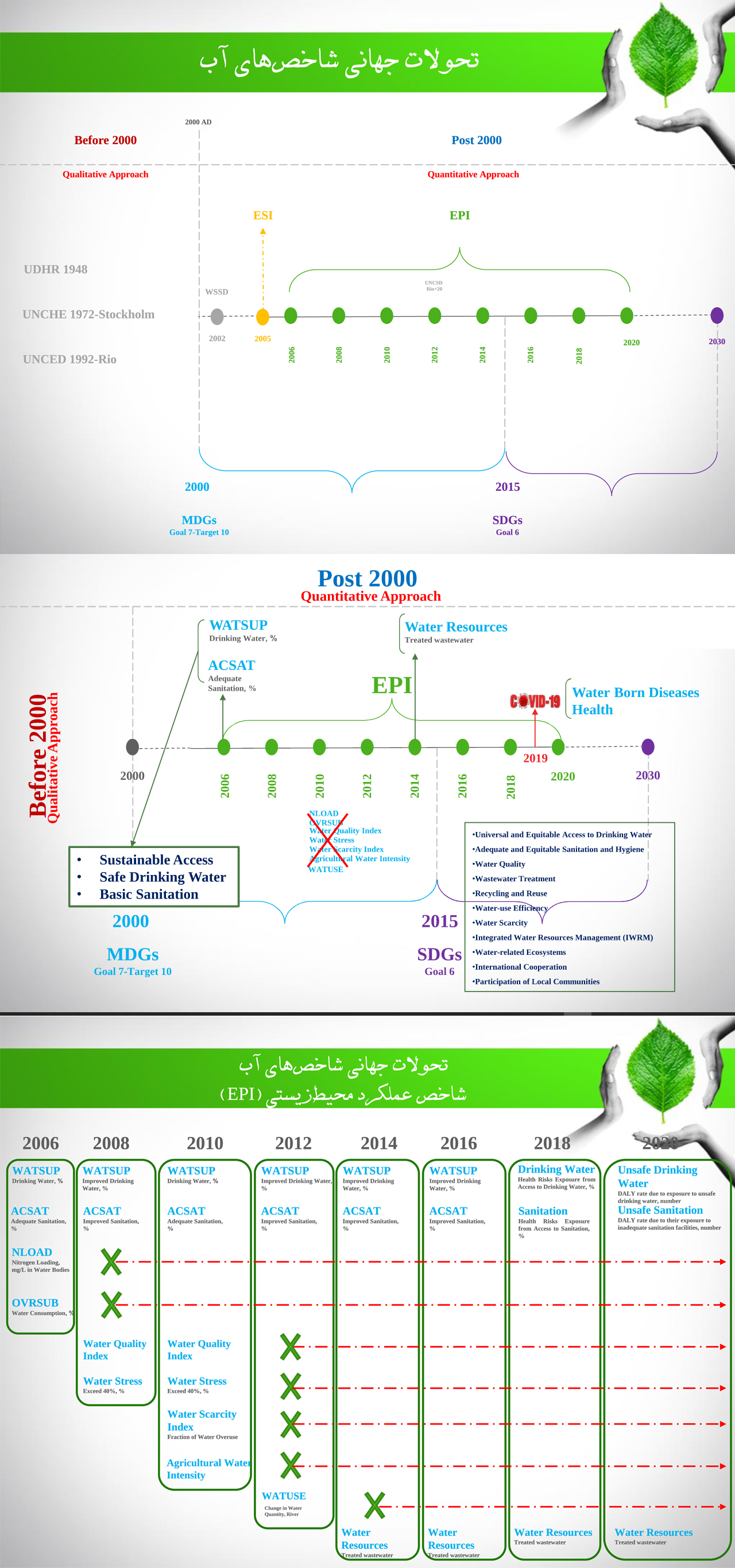
1- The Water Crisis 2- Global Realities 3- Strategies for Coping with Water Scarcity 4- Reuse of Treated Wastewater and Its Challenges 5- Global Developments in Water Indicators and Sustainable Development Issues 6- New Challenges of Wastewater Reuse: The Coronavirus Pandemic Conditions
The Water Crisis
- Climate change and the global warming phenomenon - Limited accessible renewable water resources - Increased water demand due to population growth and urbanization - Natural disasters
Global Realities
30% lack access to drinking water facilities 60% lack access to safe and sanitary wastewater facilities 40% vulnerable to water scarcity 25% of healthcare facilities lack basic water services (1 out of 4) 80% of wastewater is discharged into rivers without pollution removal 70% of deaths related to natural disasters
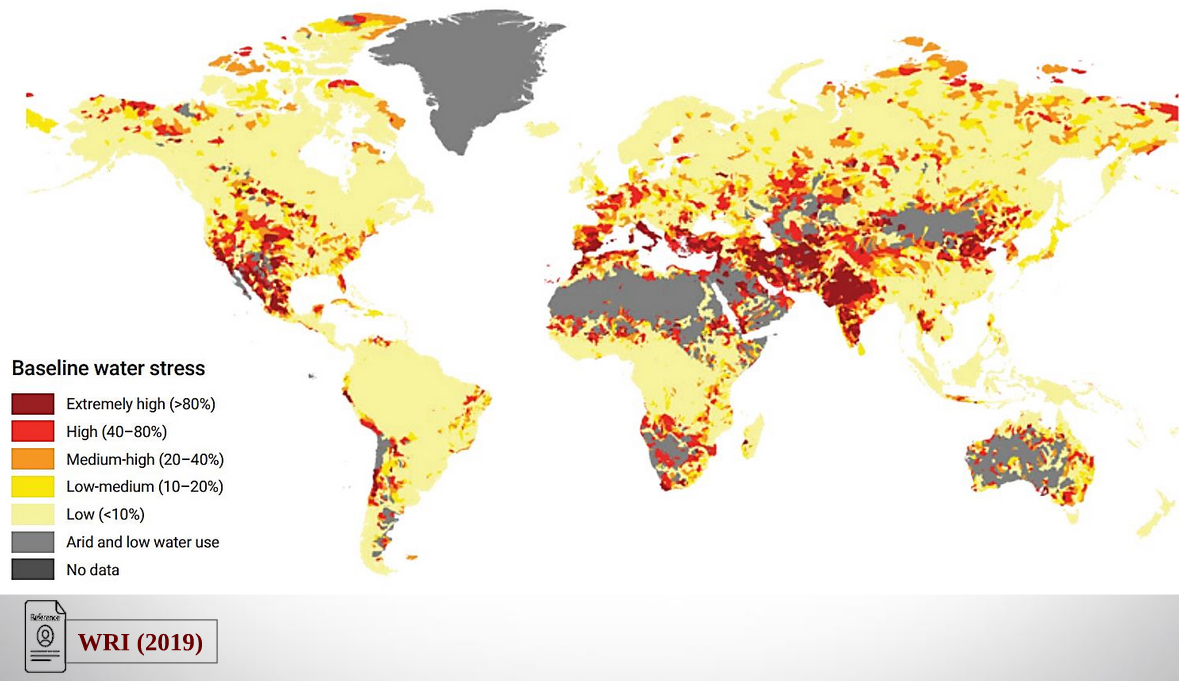
In Asia, and especially the Middle East, there is significant water stress[1] that must be addressed through proper management.
Strategies for Coping with Water Scarcity
Attention to drought and floods: Using floods to recharge aquifers Water supply and demand management: Cultural awareness, reduction, and optimization of water use by citizens Utilizing legal capacities Managing the country's transboundary water rights
Unconventional Waters and Cases for Their Recycling and Reuse:
Treated municipal and industrial wastewater (over 80% of water becomes wastewater) Rainwater Deep groundwater Desalinated water Atmospheric moisture Agricultural drainage water
Uses
Parks and recreational uses Aquifer recharge Irrigation and agriculture Industrial uses
General Profile of the Country's Wastewater Facilities
Approximately 4.2 billion cubic meters of wastewater produced in the country Approximately 2.2 billion cubic meters of collectable wastewater Approximately 1.5 billion cubic meters of treated wastewater
Challenges of Wastewater Reuse
Economic issues Technical issues and limitations Health and safety issues Cultural and social issues Gaps in standards and regulations
.
.
[1] Water stress refers to a situation where the water required by humans and ecosystems is less than the available water. Water stress is a more comprehensive concept than "water scarcity." Water stress encompasses various physical aspects of water resources such as "water scarcity," "water quality," environmental flow, and accessibility of water. Water stress also occurs when there is sufficient access to water resources, but water consumption is limited due to poor quality.
.
.
Watch the presentation video on YouTube
Watch the presentation video on Aparat
Download the PDF guide for water, wastewater, sanitation, and waste management for the coronavirus
.
.




Discussion0 comments
No comments yet; let yours be the first voice.