Political Science
Mass quarantine is not the way to fight coronavirus; reactions more dangerous than the virus
The SARS experience in China showed that, despite global praise, sweeping quarantines and authoritarian measures have dangerous consequences. With COVID-19, too, harsh reactions and city lockdowns are not only ineffective but, by sowing panic and diverting resources, cause more harm than the virus itself.
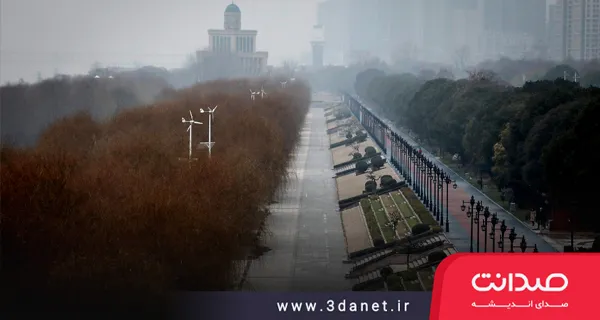
In April 2003, when the SARS virus was at its peak of contagion, I was forced to leave my English teaching post at Guangzhou University in southern China.[1] I was twenty-three years old. On my way back to my home in Philadelphia, I called my parents from the Chicago airport. My parents said they would not come to the airport to drive me home. As if convinced that I was the first carrier of SARS and the cause of the disease's outbreak in America, they told me to take a taxi when I arrived at the airport and go straight to my sister's apartment; where they had decided to imprison me for ten days—with a package of groceries and a DVD player.
I had none of the symptoms of SARS or any contact with SARS patients. According to the guidebook published by the Centers for Disease Control and Prevention at that time, I posed no risk. To put an end to my parents' unreasonable and extreme reaction, I went to the worst airport you might want to pass through if you had a dangerous disease: Manhattan [airport].
I had not contracted SARS. Nor did I spread a new plague in Manhattan. But the message that SARS was a source of [immense] fear and terror was heard by everyone—not just upon my arrival, but ultimately through my Chinese friends.
The Chinese government, under considerable pressure from press criticism and the global health community, took the helm—albeit late—to show it was doing something. The government did what it excels at: exercising its authoritarian power in its most theatrical form possible; at its utmost visible extreme. Encouraged by the international community, the Chinese government undertook all necessary measures to control the disease; measures including those that were neither possible nor permissible elsewhere: sealing off entire hospitals, schools, and buildings full of people, the rapid construction of special SARS facilities including erecting a complete hospital dedicated to [combating] SARS in seven days, and finally, creating a local surveillance system to identify and expel potential SARS carriers.
My friends in Guangzhou, quarantined in their university dorm rooms, were so terrified that they said they finally understood how Americans felt after the September 11 attacks. With the success of global efforts to combat the SARS outbreak, the World Health Organization praised the Chinese government's efforts and deemed them a source of pride.
In the years that followed, during my trips back and forth to China to study the aftermath of SARS, I concluded that the message the Chinese received from the SARS outbreak was this: the oppressive measures carried out in the name of controlling this infectious disease were necessary and desirable and should be prioritized over any other public health concern.
[Since then], China's number one public health goal has been never again to be the source of a global infectious disease outbreak—like SARS. In the years following the SARS outbreak, China spent a vast sum on repairing and overhauling its public health infrastructure; expanded departments related to [combating] infectious diseases; and set up advanced surveillance and prevention systems. China phased out many live animal markets and restaurants, from which a large part of the distinctive character of cities like Guangzhou originated. The Chinese government also established strict guidelines regarding surveillance and quarantine in hospitals and entry points.
Seventeen years later, with the outbreak of the coronavirus, this headstrong [and stubborn] disease-control apparatus has once again been deployed in full force: it has quarantined tens of millions of Chinese citizens and, in the process, brought several metropolises to a complete standstill. And once again, [simultaneously], the global community is fanning the flames of terror and extreme, irrational reactions by the minute.
The United States of America has raised the travel advisory for China to the level of travel to Afghanistan, Iraq, and Iran. Russia is closing its 4,184-kilometer border with China. And the Director-General of the World Health Organization, Tedros Adhanom, has declared a global health emergency and praised China's measures; measures that would not be acceptable or even legal in a large number of WHO member states.
But the World Health Organization is praising something that is both ineffective and dangerous. The coronavirus has already spread. Closing the doors of the city of Wuhan—a city larger than New York—and attempting to ban travel to China—a country with one-fifth of the world's population—or closing trade routes is highly unlikely to prevent the further spread of the coronavirus.
The coronavirus has caused much panic because it is a new virus and we know nothing about it. But so far, it can be said that this virus is not as dangerous as Ebola. Most people who have contracted this virus have recovered. The mortality rate of the coronavirus is far lower than SARS and is likely much lower than the figure we currently have, as many cases will very likely go unreported and mild cases of the virus will ultimately not be counted. The highest mortality rate from the coronavirus has been seen among the elderly and those who previously suffered from acute illnesses.
The situation in the city of Wuhan—where the majority of those infected with the coronavirus reside—is far worse due to the panic and the drastic measures taken [by the Chinese government]. Terrified and trapped citizens rush to hospitals at the first sign of a sneeze. Hospitals are filled with thousands upon thousands of people who likely do not have the coronavirus, but whose chances of contracting the virus increase (by standing for long periods in crowded waiting room queues alongside people who are infected with the virus).
Meanwhile, people suffering from other illnesses and in need of essential healthcare are unable to receive timely and appropriate care because a huge portion of resources and funds have been directed toward fighting the coronavirus. How many people in China might die of a heart attack because hospitals are paying attention to nothing but the coronavirus?
What we need is nothing but "calm"; both in China and throughout the global community. Citizens of all countries around the world should stay home if they become sick. They should wash their hands constantly. Scientists should strive to track and study this new disease without fueling public panic. At the same time, the widespread quarantine of the general public (except for those infected with the coronavirus) must be lifted. The world has not come to an end. Confronting the coronavirus in the manner done to date has caused more harm than good.
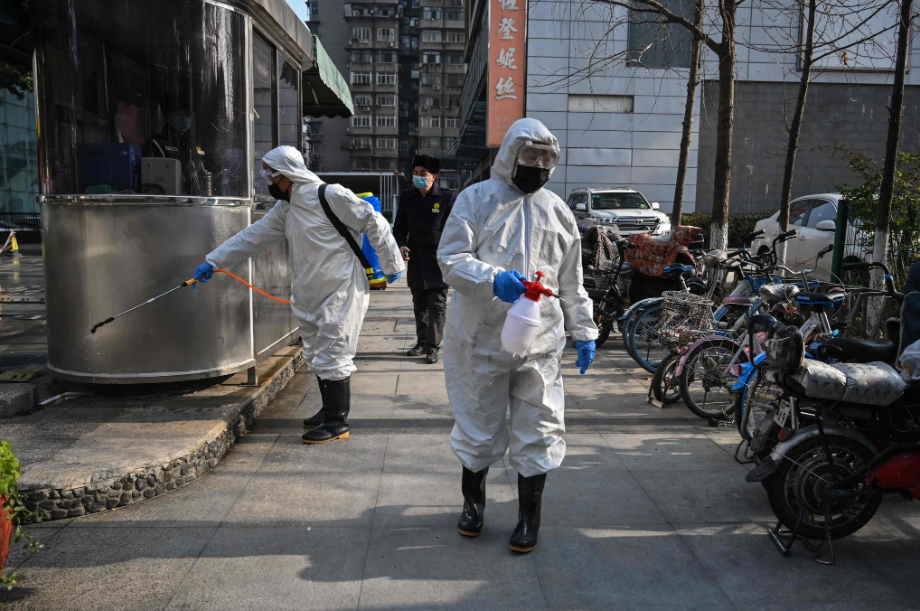
Disinfecting a street in Wuhan [source Hector Retamal/Agence France-Presse — Getty Images]
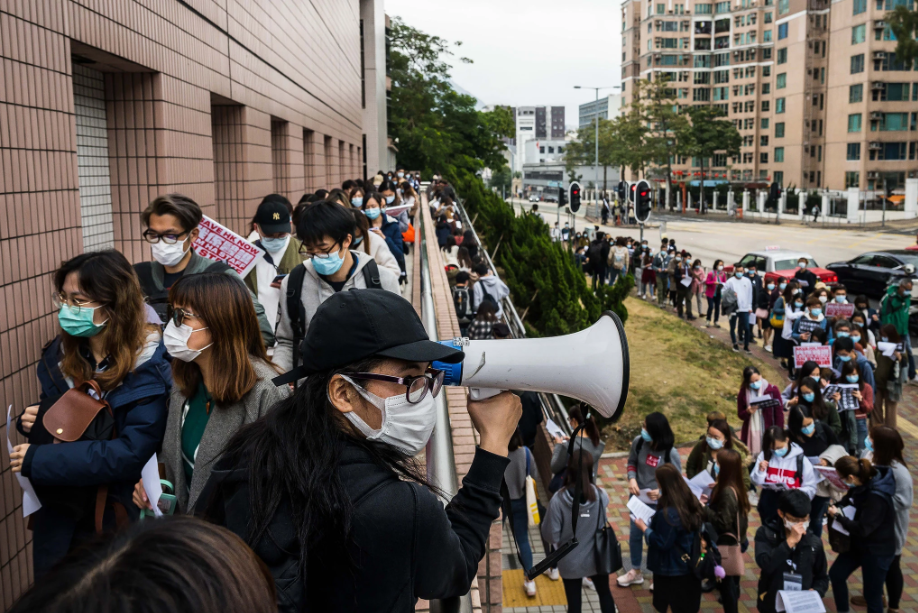
Strike by medical center workers in Hong Kong demanding the closure of their borders with China. Billy H.C. Kwok for The New York Times
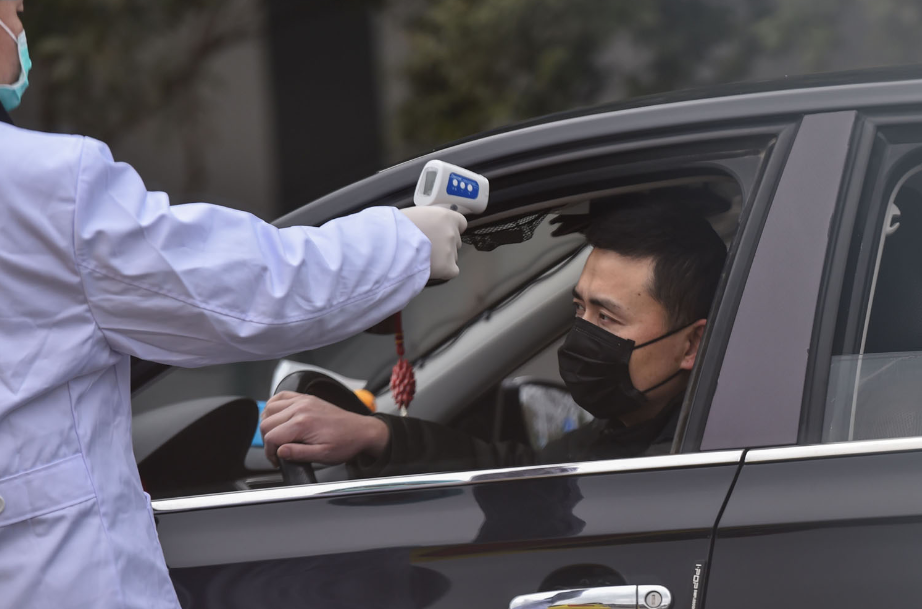
A police officer taking a driver's temperature at a checkpoint on a street in suburban Wuhan. Source
.
.
[1] This text is a translation of an article by Katherine Mason (Associate Professor of Anthropology at Brown University) in the Los Angeles Times on January 31, 2020.
.
.
Mass quarantine of people is not the way to fight coronavirus
Reactions more dangerous than the virus
Author: Katherine Mason
Translator: Servi Zargar
Persian source: Meidan website
.
.







.webp)

Discussion5 comments
بیشتر جنگ روانی ـ اقتصادی به نظر می رسد تا مقابله با یک خطر فوری همگانی در گستره جهانی
البته فهم و کنترل ترس بسیار مهم است اما همان نسبت جمعیتی که در مقاله آمده است در صورت عدم کنترل به معنی یک پنجم دنیا است و همین نسبت ناقل ، من با سازمان بهداشت جهانی هم نظر هستم و اقدامات چین را هر چند استبدادی قابل توجه و مسوولیت پذیرانه می دانم ، فراموش نکنید که ویروس می تواند تغییر شکل دهد و ضعف فعلی آن نسبت به سارس قطعی نیست و ممکن است تبدیل به یک هیولا شود اما با اقدامات چین تا این لحظه فقط دو نفر بیرون از مرزها فوت کردهاند
فقط مخالف خونی می کنید. تظاهر به فلسفه اما کار سیاسی می کنید. همه متوجه سوگیری شما هستند ارزش فکری نداره کارتون .
تو که از عالم و آدم طلبکاری عزیز. فیلسوف گرانقدر ذهن خوانی با اندیشه ورزی فرق می کند. فیلسوف برای درک تصوارات به ذهنی آرام و منسجم نیاز دارد
مقاله جالبه اما تخصص ایشان انسان شناسی هست و نه ویروس شناسی یا حتی پزشکی . همه ی کشورها امکانات مقابله با بیماری را تدارند . بعضی دولت ها اساسا درک درستی از این بیماری و راههای پیشگیری و مراقبتی اون ندارند . یکی از حادترین شرایط را ایران داره . شفاف نبودن ها ... پروازهای متعدد از چین و پراکنده شدن توریست های چینی بدون کنترل در سطح کشور ... ماسک تقلبی در بازار ... نبود دارد ... عدم آگاه سازی ... انکار و انکار و انکار