Religion
The Story of Ali and the Kharijites, Reza Babaei
The Kharijites were not merely a defeated faction at Nahrawan; they represent a literalist, anti-rationalist mindset that is the root of dogmatism in Islam. This discourse is alive, and confining oneself to the outward forms of religion, even in the name of Ali, stands against his very creed.

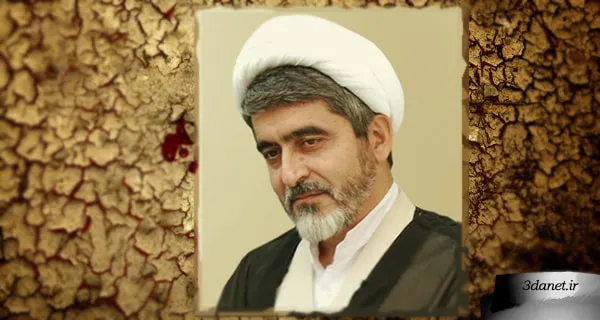
Reza Babaei : The Kharijites were the name of a group of bigoted and narrow-minded Muslims who declared their existence during the caliphate of Ali (AS). Ali (AS) inflicted a severe defeat upon them at the Battle of Nahrawan, and after that, the Kharijite organization collapsed; but their thinking remained and continued its life under other names and different, sacred banners. In the author's belief, the Kharijite discourse is still one of the strongest religio-theological approaches in the Islamic world today; because the most important characteristic of the Kharijites still prevails and has an influential presence among Muslims. It is also narrated from the Commander of the Faithful (AS): «لو لم یُبق من أمة محمد - صلی الله عليه وسلم - إلا ثلاثةٌ لكان أحدهم عَلَی رأی هؤلاء، إنهم لفي أصلاب الرجال و أرحام النساء؛ If no more than three people remain from the Ummah of Muhammad (PBUH), one of those three will think like the Kharijites...» (Tabarani, al-Mu'jam al-Awsat, vol. 7, p. 339, H. 7666) The Kharijites were Sharia-oriented men and women who did not hesitate to sacrifice their lives and property in the way of religion. Ali (AS) called them misguided truth-seekers (Nahj al-Balagha, Sermon 60) and Imam Baqir (AS) also said about them: «The Kharijites were ignorantly hard on themselves and did not know that God's religion is broader than their understanding.» (al-Kafi, vol. 2, p. 298) In the conduct and lives of the Kharijite leaders, nothing was seen but asceticism, recitation of the Quran, prayer, fasting, night vigils, and jihad, and if any violence was committed by them, they considered it to be in the path of God and for the protection of God's religion; as – it is well-known – they chose one of the Nights of Qadr to kill Ali (AS) and Mu'awiya, in order to gain more reward. The Kharijites emerged a few years after the compilation of the Quran during the time of Uthman. Their perception of the Quran was like the Akhbaris' encounter with hadith. They would say: With the Quran and the Sunnah of the Prophet (PBUH) present, there is no need for anything or anyone; even if that thing is reason and even if that person is Ali. Their most important characteristic, which still exists more or less among most Islamic currents, is literalism and a raw, blind fanaticism for the outward appearances of religious texts. They reduced religion to the outward aspects of the Quran and Sunnah and considered anything outside of that to be irreligiosity. They would say it is stated in the Quran: La hukma illa lillah; Sovereignty belongs only to God. Therefore, we do not obey Ali or anyone else. When Mu'awiya raised the Qurans on spears and called the Iraqi troops to the arbitration of the Quran, they also called upon Ali to submit to the ruling of the Quran. Ali (AS) said: Yes; sovereignty belongs to God and God alone. But you understand a false meaning from this true word. Obedience to God does not make you independent of a ruler – even if he is unjust. They would say: You assign us to a task that is not mentioned in the Quran. When the Quran is present, what place is there for others? The Kharijites are the spiritual fathers of Akhbarism, petrification, and rigid dogmatism in the Islamic world. They weakened and emaciated the root of ijtihad in the Islamic world; pushed reason to the distant margins; humiliated the wise, made the sword the pillar of the tent of religion, and replaced God-worship with outward-worship; they gave no share to reason and knowledge in understanding religion and considered text-worship to be the very essence of God-worship. The origin of the Kharijites was a thought that attached no importance to time, place, reason, experience, and ijtihad, and deemed religion to be static. In their opinion, religiosity meant the unaltered repetition of a fragment of religious history. This false and destructive notion gradually made its way and even spread into the camp of Ali's followers and became permanent. The story of Ali and the Kharijites was repeated thousands of times over in the history of Islamic countries; including in the contemporary history of Iran during the Constitutional period. At that time, too, opponents of the Constitution would say: «Has God – God forbid – died, that the common people from the streets and bazaars should gather in an assembly (the National Consultative Assembly) and legislate? Are not the Quran and hadith among us, that a baker, a grocer, and a carpenter in the assembly should dictate duties for the Muslims? No one but God has the right to legislate. The Constitution and the Consultative Assembly are not legitimate.» At that time, figures like the late Akhund Khurasani said the same things to the opponents of the Constitution that Ali said to the Kharijites. The Kharijites, in Ali's time, were deceived by the name of the Quran, and in other times, by other names. If one day Mu'awiya raised the Qurans on spears and deceived those foolish, light-headed ones, today the children of the Kharijites can be deceived with the name of Ali and given swords in their hands to fight against the creed of Ali. They content themselves with names and outward appearances. In Ali's time, they called any form of ijtihad an exit from religion, and in our time, they call it antinomianism and the like. Historians have written: After the Battle of Nahrawan, Ali (AS) passed by the slain Kharijites and said, "Woe to you! You have been deceived." One of Ali's companions said, "Praise be to God who destroyed them." Ali (AS) said, "No. By the God in whose hand is my soul, some among them have not yet been born." (Abd al-Razzaq al-San'ani, al-Musannaf, vol. 10, p. 150, hadith 18655)
.
.
Reza Babaei | 5 Tir 95 | Reza Babaei's Telegram Channel
.
.

Discussion3 comments
متن های نهج البلاغه در منابع قدیمی تر نیز بطور پراکنده امده است . در پاسخ به نظر "انسان ایرانی" می گویم : ازکجا می دانید کتاب شاهنامه ای که اکنون به دست شما می رسد واقعا اثر خود فردوسی است ؟!!! چرا فقط در نهج البلاغه شک می کنید؟ در حالیکه هیچ کتابی حتی کتابهای دانشمندان با نهج البلاغه قابل مقایسه نیست .
شما چه سندی دارید که سخنان نوشته شده در نهج البلاغه سخنان مولا علی است؟ این کتاب در قرن چهارم هجری نوشته شده و نوسنده اصلا منابع و مواخذ خود را بیش از ۳۰۰ سال بعد از مولا قید نکرده. در ابتدا باید ثابت شود که اینان سخنان مولا علی است. در قرآن، در آیه ۱۱۱ سوره بقره و آیه ۶۴ سوره نمل گفته شده است قُلْ هَاتُوا بُرْهَانَكُمْ إِن كُنتُمْ صَادِقِينَ اگر راستگویید، برای ادعای خود برهان (دلیل و مدرک قاطع ) بیاورید اول باید ثابت شود که این گفته ها سخنان مولا هستند.
آقا این اطلاعات در مورد خوارج بسیار غلطه! خوارج به نوعی مترقی ترین وپیشروترین فرقه در میان مسلمین هستند چون: 1-به مساوات و برابری زن ومرد در تکالیف و حقوق معتقد بودند، نماز جماعت را به امامت زنان برگزار می کردند،قاضی و مفتی زن داشتند و فرماندهان جنگی زن معروفی چون ثبجا، جمیره و غزاله داشتند. 2-عدالت اجتماعی بر مبنای فعالیت اقتصادی مشترک(کمون) و مالکیت همگان بر همه چیزداشتند. 3-به تک همسری مردان معتقد بودند و جز در موارد شاذ و نادری مانند نازا بودن زن، به مرد اجازه ازدواج مجدد می دادند. 4-داشتن کنیز و برده داری را امری مذموم و حرام می دانستند. 5-مقام امامت و رهبری را در انحصار هیچ قبیله، نژاد و حتی جنسیت خاصی نمی دانستند و معتقد بودند هر کس که پارساتر،متقی تر و مدیرتر است برای امامت شایسته تر است.انتخاب ایرانیان نومسلمان به این سمت مانند ثابت تمار در یمامه و نیز عبد ربه در کرمان در دهه هفتاد هجری در راستای همین اعتقاد بود. 6- در مواردی حتی به نوعی آنارشیسم و ضد نهاد گرایی معتقد بودند و وجود امام را فقط در جایی ضروری می دانستند که برقراری نظم وعدالت جز با وجود امام میسر نباشد. 5- انتخاب امام در بین ایشان بر اساس همه پرسی بود و یک شورای منتخب ندبر امام نظارت می کرد که در صورت اسقاط شرایط رهبری حق عزل امام را داشتند. امام در نزد خوارج هیچ تقدسی نداشت و تنها در نقش رییس شورای رهبری عمل می کرد. 6-مخالف سرسخت جهاد ابتدایی و اسیر کردن زنان و کودکان در جنگ بودند. 7-با غیر مسلمین رفتاری بسیار دوستانه داشتند و معتقد بودند با الگوی اخلاقی بودن باید دیگران را به اسلام جذب کنند نه با اعمال تبعیض و آپارتاید 8-حکم سنگسار را غیر شرعی و حرام می دانستند. 9-تقیه را حرام می دانستند،به مخلوق بودن قرآن باور داشتند،قایل به تحریف عثمان در قرآن بودند و به مختار بودن انسان باور داشتند.