Religion
A Childlike Tragedy: Re-reading the Stories of Ali Asghar, Ruqayya, and Muslim's Two Children
Some educated people are more superstitious about religious matters than the general public; the stories of the six-month-old infant's martyrdom and the death of Ruqayya have no historical documentation and are fabrications of Kashefi. Ancient sources consider the common narratives of mourning rituals to be myths and superstitions.
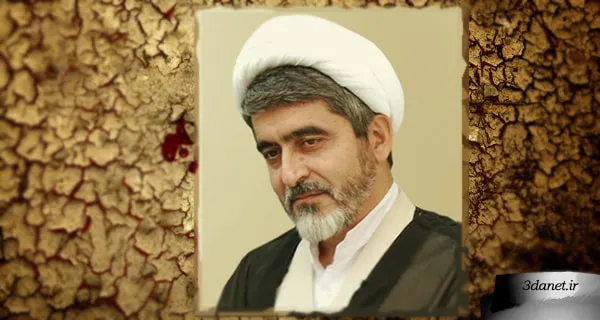
Mohammad Nasr Esfahani: Today we are faced with a multitude of educated people who, in religious matters, are far more ignorant, fanatical, and superstitious than the common folk of the old bazaar. In the past, although people were illiterate, by sitting at the foot of various pulpits and hearing diverse speeches at their own level, they gained a power of analysis and did not believe every word and saying. But unfortunately, some of our educated class do not even have this level of religious understanding, and without study and scientific and logical information, they either deny everything or think that the more recklessly and superstitiously they think and the more childishly they act, the more religious they are.
It seems these two groups believe that apart from their specialized field of study, no study, expertise, or expert view is needed to confirm or reject religious issues. This matter becomes more regrettable when our religious preachers also become populist and sell social responsibilities and state facilities for superficiality and pretense, and prepare fodder for superstitions, which have many customers. During these days, the author has sought to re-read the case of three tragic stories from the Karbala event that are often mentioned in mourning ceremonies and the media, so that truth may be distinguished from distortion, myth, and superstition.
According to historians, for a historical fact to be accepted, the time of the document's compilation must be very close to the event itself; the further the document is from the event, the more dubious its authenticity, and in the presence of first-hand documents, reliance on more distant sources is unjustifiable. 1- We have all heard that "Abi Abdullah al-Hussein (AS) had a six-month-old child named Ali Asghar. When the Imam sensed his child's thirst, he brought him before the enemy army and said: If you have no mercy on me, at least have mercy on the parched lips and burning heart of this child and give him a sip of water. At that moment, Harmala targeted Ali Asghar's throat with a three-pronged arrow." This story, in this form, has no sound historical documentation and appears to be among the fabrications of the Sunni Mulla Hussein Kashifi in his book "Rawdat al-Shuhada." He was a myth-maker who died in 910 AH. Kashifi compiled this book at the behest of the ruler of the time and to please him. This book is the first Persian maqtal, compiled with beautiful script and fluent Persian prose, and religious preachers who read from this book became known as "rawda-khans," and these gatherings came to be called "rawda-khani" sessions. The reason we say this story is his fabrication is that, unlike some other reports or stories in his book which he quotes from a source, he has elaborated on the tragedy of Ali Asghar in this manner, with more embellishment than what was quoted, without citing any source. (Rawdat al-Shuhada, p. 753) Sheikh Mufid, who died in 413 AH, approximately five hundred years before Kashifi, writes in the maqtal section of his book "al-Irshad"—the most authoritative Shia book on the history of the Pure Imams (AS)—that the sons of Imam Hussein (AS) were Ja'far, Ali Asghar, Ali Akbar, and Abdullah. Ja'far died during the Imam's lifetime. (al-Irshad, p. 126) Of his three other children who were present at Karbala, one was Ali Asghar, whose mother was Layla, daughter of Mas'ud al-Thaqafi, and he fought at Karbala and was the first martyr of the Banu Hashim. (Tarikh al-Tabari, vol. 7, p. 3052) (The same one who is known among us today as Ali Akbar.) The name of his other son was Ali Akbar. (al-Irshad, p. 127) According to Sheikh Mufid, Ali Akbar is the same as Imam Zayn al-Abidin (AS). Abdullah, who was the Imam's youngest son, was martyred at Karbala like his brother. (Ibid., p. 129) The manner of the martyrdom of Abdullah ibn al-Hussein (AS) was such that Imam Hussein was sitting in front of the tents. His son Abdullah, who was a child, came to his father. The Imam seated him on his knees. A man from the Banu Asad shot an arrow at him. The arrow struck the child's throat, and he was martyred. Sayyid al-Shuhada (AS) filled his hand with his blood and poured it on the ground. Then he said: "O Lord, if You withhold Your aid from the heavens from us, then place our reward in what is better, and take our revenge from these oppressive people." (Tarikh al-Tabari also, vol. 7, p. 3055) Then the Imam picked up that child and placed him beside the slain of his family. (al-Irshad, p. 112) Abu al-Faraj al-Isfahani, who died in 356 AH, in his book "Maqatil al-Talibiyyin," in which he speaks of the slain of the family of Abu Talib, narrates the manner of Abdullah ibn al-Hussein's martyrdom similarly to Sheikh Mufid, with the difference that he writes, quoting a narrator, that the Imam threw the blood from his throat towards the sky, and not a drop of it fell back to the ground. In this state, the Imam said: "O God, this child is not less in Your sight than the she-camel of Salih." (Maqatil al-Talibiyyin, p. 111) He considered the mother of Abdullah ibn al-Hussein to be Rubab, daughter of Imru' al-Qays. Abu al-Faraj quotes from Imam al-Baqir (AS) that Harmala was the killer of Abdullah ibn al-Hasan (AS) at Karbala (Ibid., p. 109). Historians have likely confused Abdullah ibn al-Hasan with Abdullah ibn al-Hussein (AS). Meanwhile, Ya'qubi, who died in 284 AH, has recorded in his history: The Imam was mounted on his horse. A newborn who had just been born to him at that very hour was handed to him. While Abi Abdullah was reciting the adhan in his ear and performing tahnik, an arrow struck the child's throat and severed it. The Imam pulled the arrow from the child's throat, smeared him with his blood, and said: "By God, you are dearer to God than the she-camel of Salih, and Muhammad (PBUH) is dearer to God than Salih." (Tarikh al-Ya'qubi, vol. 2, pp. 181-182) As observed, the matter of the Imam Hussein (AS) imploring the enemy and asking for water for himself or a six-month-old child named Ali Asghar is not mentioned in any of the reliable historical sources. 2- Another childlike tragedy that Mulla Husayn Kashifi relates in his book, quoting from the book *Kanz al-Ghara’ib* (which is no longer extant), is the story of a four-year-old daughter of Imam Husayn (a) who, in Damascus, keeps asking for her father Imam Husayn (a), and Yazid orders that her father’s head be brought to her. Upon seeing the head, she faints and surrenders her soul to the Creator of life. (*Rawdat al-Shuhada’*, p. 845) Among the reciters of elegies, this girl is called “Ruqayya” and her age is said to be three, yet in none of the reliable early Shi‘i books is a daughter by this name recorded for Imam Husayn (a), nor has anyone transmitted this story. According to the account of Shaykh al-Mufid, Imam Husayn (a) had no more than two daughters: one was “Sakina,” whose mother was “Layla,” and the other was named “Fatima,” whose mother was “Umm Ishaq,” the daughter of “Talha ibn Ubayd Allah.” (*Rawdat al-Shuhada’*, p. 137) The well-known tomb of “Ruqayya” in Damascus is most likely the grave of “Ruqayya,” the daughter of the Commander of the Faithful (a), since Imam Ali (a) had two daughters named “Ruqayya.” One was Ruqayya, whose mother was “Umm Habib,” the daughter of “Rabi‘a,” and the other was “Ruqayya al-Sughra,” whose mother was named “Jumana” and whose kunya was “Umm Ja‘far.” (*Irshad* of al-Mufid, vol. 1, p. 355) This account is consistent with the report of those who saw a stone beside the grave in Damascus on which was written: “This is the grave of Ruqayya, daughter of the Commander of the Faithful, peace be upon him.” Of course, Imam Hasan al-Mujtaba (a) also had a daughter named Ruqayya. (Ibid., vol. 2, p. 16) If the story of Ruqayya is connected to the daughter of Imam Hasan, even if Imam Hasan had fathered this daughter in the final moments of his life, she would have been at least 11 years old at the time of the Karbala event; therefore, the story of the ruins of Damascus and the three- or four-year-old daughter of Imam Husayn (a) has no historical basis. 3- Another childlike tragedy concerns the “Two Children of Muslim.” Mulla Husayn Kashifi also relates this story in the book *Rawdat al-Shuhada’* without quoting it from any book. It is highly probable that this long, sorrowful story, of which there is no trace in any historical book in this form, is one of Kashifi’s own fabricated tales. According to his account, the story is as follows: In Kufa, Muslim entrusted his two children, “Muhammad” and “Ibrahim,” to “Shurayh al-Qadi,” and after Muslim’s martyrdom, the judge sent them toward Medina, but they were captured on the way and thrown into prison. They escaped again with the help of “Mashkur,” the jailer, but lost their way once more; a woman gave them shelter, whose husband, “Harith,” was himself searching for the two children of Muslim in order to claim a reward. After learning of the situation, he took them to the bank of a river to kill them and take their heads to Ibn Ziyad. When his wife, child, and slave tried to dissuade him from this act, he killed his own child and slave, then killed the two children of Muslim as well, cast their bodies into the water, and brought the heads of the two children to Ibn Ziyad. “Ibn Ziyad” wept and ordered Harith’s execution. Ibn Ziyad handed Harith over to a man named “Muqatil,” who was a lover of the Ahl al-Bayt, so that he might kill him. He brought Harith to the very place where the children had been killed and threw the heads of the two children into the water as well. Finally, “Muqatil” cut “Harith” into pieces and threw him into the sea, but the sea cast him out; he threw him into a well, but the well cast him out; so, of necessity, they burned him and scattered his ashes to the wind. (*Rawdat al-Shuhada’*, pp. 503-522) It should be noted that in the reliable books of the predecessors, the name “Ibrahim” does not appear as a son of Muslim ibn Aqil. The names of Muslim’s children in historical books, including *Maqatil al-Talibiyyin* by Abu al-Faraj al-Isfahani, are “Muhammad” and “Abdullah.” (*Maqatil al-Talibiyyin*, p. 113) Al-Khwarazmi in his *Maqtal*, Shaykh al-Saduq in his *Amali*, and al-Tabari in his *Tarikh* have all recorded that both of Muslim’s sons were martyred in Karbala on the day of Ashura. “Abdullah ibn Muslim ibn Aqil” was the first of the Ahl al-Bayt to come to the battlefield, and after reciting a battle poem and killing a number of enemies, he was martyred. Some have described the manner of his martyrdom as follows: he was struck by an arrow while his hand was on his forehead, such that he could no longer remove his hand from his forehead, and then he was martyred by another arrow. Thus, as has been observed, the story of the “Two Children of Muslim” is also fabricated, and the two children that Muslim had were martyred in Karbala. Yes, in the nineteenth session of Shaykh al-Saduq’s book *Amali*, a story similar to this is related for two children who fled from Ibn Ziyad’s army after the martyrdom of Imam Husayn (a); they were not the children of Muslim but the children of Ja‘far al-Tayyar, who were handed over to Ibn Ziyad and then escaped. (Vol. 1, pp. 82-88) This is despite the fact that Ja‘far ibn Abi Talib had been martyred approximately fifty years earlier in the Battle of Tabuk, and it is impossible for him to have had young children at that time.Khwarazmi in *Maqtal al-Husayn* considers the fugitives from Ibn Ziyad's army to have taken refuge with a woman whose husband later decides to hand their heads over to Ibn Ziyad. (Amali, vol. 2, pp. 54–58) We have cited these three stories as examples from early and reliable sources to show how we have unknowingly taken certain matters as settled and definitive while no basis or foundation can be established for them. For this reason, it is expected of seminary and university graduates not to pollute their own minds and those of the people with superstitions in the name of religion without expert study and research, and not to shape the minds of the masses in such a way that they become filled with falsehoods that can no longer be cleansed from their minds. These nights, television broadcasts a film about the "Two Children of Muslim" and has fabricated stories for it which, as observed, are contrived. When such a story is broadcast, and from the national media at that, how can it be erased from people's minds? In the farthest reaches of the Shiite-populated areas of the world, we encounter gatherings and mourning groups named after "Ali Asghar" and "Ruqayya Khatun," formed even by the educated, and as observed, the existence of such children for Imam Husayn (AS) is highly dubious. In recent years, the author has observed in the city of Isfahan that throughout the city, following what was done in Tehran in previous years, banners have been prepared by the Isfahan Municipality Cultural and Recreational Organization, the Imam Khomeini Cultural Complex, and the Bab al-Hawaij Ali Asghar Youth Association, under the title "Bab al-Hawaij Ali Asghar (AS)." It is astonishing that in some quarters, Imam Husayn (AS) himself is not introduced as Bab al-Hawaij, yet Ali Asghar (AS), his infant child and a legendary figure, is the Bab al-Hawaij for some of the city's cultural officials. .
. A Childlike Tragedy: Re-reading the Stories of Ali Asghar, Ruqayya, and Muslim's Two Children
Author: Mohammad Nasr Esfahani .
.

Discussion22 comments
هرچی این مطلب و میخونم نه پیشفرضی میبینم نه مغالطه ای. پاراگراف اول بیان مسئله است که برای هر مقاله ای لازمه و به نظر من کاملا درسته و جای مطالعه در تمام اقشار چه تحصیلکرده چه تحصیل نکرده خالیه. "کودکانه" در عنوان اشاره به رده سنی افراد مورد بحث داره و "بازخوانی" دلیل محکمی ه بر اینکه نویسنده اصل موضوع رو زیر سوال نبرده و به اندازه دیگران قرآن و عترت و... رو میشناسه و فقط میگه اگر میخاین عزا بگیرین برای اصل موضوع بگیرین نه امام حسینی که برای خودتون ساختین که یکی دوست داره امامش التماس کنه برای آب اون یکی به غرورش برمیخوره. تمام این حرف ها فقط یک نکته داشت که اگر کسی میخواست میشنید و اون اهمیت منبع و اصل اتفاقی ه که افتاده نه پیازداغ زیاد کردن برای گرفتن یه قطره اشک و گرم شدن منبر. برای تحقیق کردن هم نه به عربی دونستن نیازه نه عالم دین بودن کلی کتاب معتبر به زبان فارسی هست. اگر مطالبی که اینجا اومده قانعتون نمیکنه و فک میکنید مغالطه کردن و عمدا برخی مطالب رو حذف کردن چرا خودتون مطالعه نمیکنید؟ فکر میکنم هدف ایشون هم بیشتر مطالعه بود تا مباحثات تکراری زیر مطلبشون.
سلام نوشتار حاضر با پیشفرض است و روش نویسنده روشی مغالطی است که ادعایی را بدون بررسی دقیق همه منابع مطرح نموده است..این خطاب قرآن ِ زنده ناظر به انسان امروز هم هست که اکثرهم لایعقلون ..جالب است که دوستان به این نکته توجه ندارند برای ادعاهای اینچنینی صرف بررسی جند منبع کفایت نمیکند. به علاوه آنچه در این نوشته واضح است تردید در اصل ماجراهای مذکور نیست بلکه در چگونگی وقایع تردید وارد شده است که اصل را مخدوش نمیسازد. علیکم بالانصاف و التعقل..
من با نظر عبدالله موافقم دوستمون هموطن مثل یک شیعه تک کتابیه صرفا یک بیانیه رو هر بار از اول تا آخر میخونن و استدلالی برای ادعا شون ارائه نمیکنند عرض بنده اینه که در خصوص هر مساله ای باید به یکسری سوالات بنیادین در اون خصوص پاسخ روشن داد یا حداقل در مسیر این روشنگری حرکت کرد در خصوص واقعه عاشورا یک پرسش اساسی این هست که امام با نیت قبلی و به قصد قیام مسلحانه از ابتدا از مدینه خروج کردند و و نهایتا راهی کوفه شدند و یا خیر نیت ایشان صرفا امر به معروف و نقد قدرت بوده است و به دنبال فضای امن برای خودشان و خانواده شان بودند و اگر این فضا توسط حکومت تامین میشد ایشان از محل زندگی خود خارج نمیشدند و پرسش هایی از این دست ... مقاله رفتار حسینی تهاجم یا دفاع قصد داره تا حد امکان این پرسش رو پاسخ بده اینکه ما هی تکرار کنیم که این حرکت بزرگترین حرکت تاریخ بزرگترین فداکاری و ... هست به پیشبرد بحث کمکی نمیکنه
هیچ چیزاندازه کامنتهای هموطن یا همان آقای سبط قبلی، روی مخ نیست. ایشون خیلی شعار مانند و پیامبرگونه حرف میزنند و هیچ دلیلی ارائه نمیکنند. پاسخهاشون هم معمولا هیچ ربطی به بحث نداره. الان سفینه نجات و الگوی عینی و اینها چه ربطی به بحث داشت؟ والا چه رسالتی هست که احساس میکنید حتما یه چیزی باید بگید من نمیدونم! همه این حرفها رو هم از دوران کودکی از مدرسه و خونه و بیرون و تلویزیون شنیدیم. از صدانت خواهشمیکنم کامنتهایی شعار مانند و بی دلیل رو منتشر نکنند. این خودش یک حرکت فرهنگی هست.
شما(محمود)ارتباط بحث را درک نکرده اید یا نمی خوا هید این ارتباط را درک کنید. از همان اول ، شروع بحث درباره این بود که اصل یک موضوع که دارای اسناد متواتر است و مهمترین فداکاری و روشنگری است ، نباید به خاطر یک اختلاف نظر جزیی ، مورد انکار قرار بگیرد.
تا جایی که بنده از تاریخ اسلام اطلاع دارم منابع تاریخی اسلام منابعی ایست که به ترتیب مورخین از واغدی و ابن کثیر و طبری که مهمترین آنها هستند شروع میشود و اشتراک در روایتها و نزدیکی مورخین که عمدتا در قرون ابتدایی تاریخ اسلام می زیسته اند و نتیجتا با چند نسل فاصله وقایع را گزارش کرده اند دلیل صحت گزارشگری تاریخی آنهاست تاریخ نگاری که بعدا به واسطه حب و بغض ها توسط روضه خوانان و برخی از علمای تشیع تدوین شده است از آنجا که بر پایه مستندات تاریخی استوار نیست از لحاظ علمی قابل اتکا و درخور تامل نیست اشکال دوستان منتقد این است که نمیخواهند پدیده های تاریخی را تاریخی مطالعه کنند این شکل از مراسم عزاداری که به لحاظ شکل و محتوا از دوران آل بویه آغاز شده و در دوران صفویه به شکل امروزی درآمده و تماما بر اساس انگیزه های سیاسی و دشمنی با حکومتهای بنی امیه و بنی عباس ودر آخر امپراطوری عثمانی بوده است را شکل انحصاری عزاداری می پندارند و به اشتباه تجربه تاریخی را رنگ تقدس میزنند در صورتیکه تجربه تاریخی هیچ ملتی مقدس نیست
همینکه به طور کلی اگاه شویم از چنین کرب عظمیمی که بر امام حسین و خاندان ویارانش وارد شده فقط وفقط بخاطر دفاع از دین وایین جدش رسول الله(ص) کفایت میکند برای سوزاندن دلهاوعبرت گرفتن جانها وبقول استاد طبا طبایی در جزییات این حادثه جانکاه غور کردن منهی وباعث وهن ان جانبازیهاورشادتهای عاشقانه ا ست
اسناد و شواهد تاریخی و دینی در باره عاشورا به اندازه ای فراوان است که هیچیک از قدرتهای مخالف در طول تاریخ چهارده قرن، مانند متوکل ، صدام ، و... نتوانسته اند این نور را خاموش کنند. این امام حسین(ع) هستند که از ابتدا حقیقت اسلام را در ایران جلوه گر ساختند.
سلام و ادب نوشتار شما دارای مغالطه است. عنوانی که دارد با پیشفرض است و آنچه میخواهید ثابت کنید را به ذهن مخاطب تلقین مینماید. همچنین نوشته شما نتیجه گیری ندارد که با یک نتیجه گیری از مطالب نوشتار خودتان دریافته میشود که اصل وجود کودکی که توسط حرمله شهید شده است مخدوش نیست و نیز طفلان. و فقط اختلافات موجود در منابع را ذکر نمودید و حال آنکه این نحوه نوشتن علمی نیست.( به علاوه اینکه مخاطب اگر حقیقت جو باشد نباید صرف نسبت دادن مطلبی به نویسندگانی که نام بردید را بپذیرد و خود مطالعه نماید که البته برای همه از جمله من چ بسا مقدور نیست ولی اقتضای حقیقت طلبی جز این نیست.) در قضیه حضرت رقیه هم مغالطه ای که داشتید عدم بررسی همه منابع و همه قضیه است: فقط عنوان داشتید امام حسین ع دو دختر داشته اند بدون اینکه قضیه عاشورا و اسارت و مدارکی که دال بر وجودچنین دختری باشد را ارائه ندادید و حال آنکه در روایات آمده است که بعد از اسارت و در جریان حمل سرهای مبارک شهدا حضرت زینتب س به سر مبارک سید الشهدا اشاره دارند که با این دختر که در آغوش من است سخن بگو که در روایات با نام فاطمه صغری آمده است حتی اگر چنین روایتی صحیح نباشدلازم بود در نوشته شما( که اقتضای نوشته های دقیق علمی است)این گونه روایات هم ذکر و بررسی میشد. به علاوه اینکه قضیه آباد شدن قبر حضرت رقیه س در شام که مربوط به سالهای اخیر است نیز قابل ذکر است و خواندنی. به مخاطبان عزیز هم توصیه میکنم در بحث مغالطات مطالعه نمایند و کتاب آقای خندان در این زمینه مناسب به نظر میرسد.
دوستانی که دغدغه تخصص دارند و نگران طرح علمی مباحث هستند بهتر هست که این دغدغه را برای تمامی طرفین درگیر در خصوص واقعه عاشورا قائل باشند در همین محرم امسال همگی شاهد بودیم که مداحی به امام حسین نسبت فحاشی می دهد واین درحالی است که سالهاست یکی از مهمترین تریبونهای مذهبی شهر تهران واقع در بازار سنتی هم در اختیار ایشان قرار دارد اما در این خصوص کسی از تخصص ایشان و بسیاری از کسانی که از تریبونهای مذهبی استفاده می کنند پرسشی مطرح نمیکند و احیانا اماده مناظره نمیشود اما در خصوص انتشار یک مقاله از جانب یک روحانی در یک سایتی که مروج و مقوم اعتقادات دینی ، خصوصا اقشار تحصیل کرده است اینچنین آشفته می شوند به نظرم این دسته از دوستان نگاهی سیاسی به مساله دارند و در نگاه سیاسی مساله معطوف به قدرت است و نه حقیقت و نگاه معطوف به قدرت نگاهی ماهیتا امنیتی است و نه پژوهشی و این قبیل دوستان با طرح مسائلی مثل تخصص و ... ماهیتا به دنبال خاموش کردن صدای منتقدین هستند سنگ دل را سرمه کن ،در آسیای رنج و درد دیده رازین سرمه بینا کن ، کمال این است و بس
طرح مبحث علمی نیاز به محفل علمی و اهل علم دارد. همیشه گفتن مباحث خلاف عادت، تازگی و شیرینی خاصی داشته و با این کار عمدتا شخص معروف و همچنین برای خود، دار و دسته ای به راه می اندازد. شما که مردم را دعوت به مطالعه منابع میکنید چه خوب است به آنها بگویید این منابع به زبان عربی است و همچنین مستلزم تبحر در رشته رجال و درایه و حدیث دارد. وگرنه ورود در این وادی مساوی است با مواجه شدن با دریای متلاطم که نتیجه ای جز سرگردانی ندارد. دوم اینکه ساده لوح خواندن مردم و تحصیل کرده ها جهت تهییج آنها جزو مغالطاتی است که از قدیم الایام مرسوم بوده و تاریخ مصرف آن گذشته است. سوال بنده از شما این است که شما که خود را دلسوز حقیقت واقعه عاشورا میدانید این مبحث را با کدامیک از مراجع عظام و مورخین کرام طرح نموده اید. بسیار خرسند میگردیم که ماحصل چنین مباحثاتی را که خروجی محافل علمی است در اختیار مردم قرار دهید تا با مطالعه آن پی به حقیقت ببرند نه با طرح مبحثی به ظاهر روشن فکرانه و یکطرفه. در پایان بنده آمادگی خود را جهت برگزاری هر نوع مناظره زنده در این مبحث و مباحث کلامی و فلسفی اعلام میدارم. و ما علینا الا بلاغ المبین
امام حسین(ع) الگوی عینی تمام خوبی ها هستند. آن حضرت با فداکاری خالصانه و بی مانند خود ، هنوز هم پس از چهارده قرن ،معیار تشخیص حق از تمام باطل ها هستند و هیچ عذر و بهانه ای برای گمراهی وجود ندارد. امام حسین(ع) همچنان راه درست را نشان داده و جاذبه طی نمودن آنرا فراهم ساخته اند. ان الحسین مصباح الهدی و سفینه النجاه.
محقق گرانقدر جناب نصر اصفهانی شما نیز به درد ما عوام الناس نبتلا شده ای که شتر را گم کرده و سراغ مهارش را می گیری. در تحقیق شما کودک شیرخوار یا کم یبزرگتر وجود داشت اشکال در نام او بود که عبدالله است یا علی اصغر. دو طفل مسلم هم که بود اشکال در محل شهادت و قاتل آن بود. فقط مانده اسم و شرح حال حضرت رقیه. شیوه برخورد با اسیر موضوع اصلی این ماجراست نه احیاناً رقیه و ژاله و کاملیا! درد اصلی این است که پس از گذشت بیش از ۵۰ سال از شروع اسلام توسط مسلمانان متعصب و خشک مغز اعمالی در یک نیمه روز سر زد که در زمان جاهلیت قبل از اسلام سر نزده بود و یا اگر سرزده بود مایه شرمساری و سرافکندگی سران مشرک شده بود. فهرست وار جهت یادآوری عرض می کنم: ۱) جنگ در ماه حرام از زمان جاهلیت حرام بود ۲) جنگ در زمان جاهلیت از ظهر شروع و تا غروب ختم می شد ۳) بستن آب در مرام رسول الله نبود ۴) پیرمردان، زنان و اطفال از جنگ معاف و همچنین مصون بودند ۵) ابوسفیان از جسارت هند جگرخوار به بدن حضرت حمزه از پیامبر اکرم عذرخواهی کرد... ۶) پیامبر اکرم سلمان فارسی را مواخذه کرد بخاطر اینکه دختر قیصر روم را از کنار کشته برادر و پدرش عبور داده و متاثر کرده بود ۷) زنان و دختران اسیر از خانواده های شریف در بازار برده فروشان معامله نمی شدند مانند شهربانو دختر یزدگرد ۸) لباس بزرگ طایفه در صورت کشته شدن در جنگ از بدن وی خارج نمی شد ماند عمروبن عبدود اینهایی که نوشتم هم اصل موضوع نیست پیشنهاد می کنم زمان تحقیق را صرف اصل ماجرا و هدف امام نمود
تا جایی که بنده از تاریخ اطلاع دارم خصوصا تاریخ کشور خودمان حتی اتفاق نظری در خصوص تاریخ اتفاقی مثل 28 مرداد در بین تاریخ پژوهان وجود ندارد و بعضا دیدگاههای چنان با هم متناقض و در تعارض هستند که واقعا حیرت آور است آن هم در خصوص رخداد تاریخی که نهایتا 60 سال پیش در عصر تکنولوژی با انواع امکانات ضبط و ثبت وقایع رخ داده است . دوستانی که از مقاله ایشان انتقاد می کنند چندان الطفاتی به کیفیت مسائل ندارند بلکه بیشتر سعی دارند با نیت خوانی و نسبت دادن یکسری قضاوت های کلیشه ای هرگونه نقد یا بررسی را نوعی عناد ورزی و احیانا دشمنی با تشیع تعبیر و تتفسیر کنند به نظرم این دوستان بیشتر در حاشیه قرار دارند و از اصل مطلب پرت افتاده اند
درود برشما ، متاسفانه تاریخ را در اسلام و تاریخ اسلام را در عاشورا خلاصه کرده ایم و دریغ از ذره ای مستند سازی تاریخی و روشنفکری . هزینه های زیادی داده ایم و می دهیم و خواهیم داد . پایدار باشید .
۱- این یک حقیقت است که تمام نور زمین از خورشید گرفته میشود. ۲-اسناد عاشورا متواتر است ، تازه شما از مستند سازی سخن میگویید!!!
ممنون از روشنگرى شما بواقع آنچه مردم ايران در اين روزگار به آن نياز دارند آگاهى است متاسفانه جهل و خرافات بيداد ميكند
بسمه تعالی در موضوع بالا روی سخن با کسانی است که تا حدودی خدا ، پیامبر ، قرآن و عترت را می شناسند. با دیگران که بهره ای از اینها ندارند باید به گونه دیگری استدلال نمود. آنها ارزش بزرگترین ، خالصترین ، مهمترین ، مفید ترین ، و واضحترین فداکاری در تمام تاریخ جهان را درک نمی کنند. آنها به دنبال بهانه ای میگردند تا مردم را از توجه به موضوع منحرف گردانند.
چرا به جای درس آموختن از اصل موضوع، با بحث در جزییات و اختلاف در اسناد این جزییات ، در برابر نور واضحترین و بزرگترین فداکاری در جهان ، گرد و غبار ایجاد مینمایید؟ این تردیدها در آمور فرعی، انحراف از اصل موضوع است.
به نظر من مطلب بسیار روشنگر و جالبیه و به هیچ وجه ایجاد تردید یا به تعبیر دوستمون گرد و غبار نیست و اتفاقا حرکت در مسیر خوانش عقلانی و تاریخی هست که میتواند ما رو به حقیقت امور و احیانا درس آموزی از اونها راهنمایی کند.
هیچ انحرافی از اصل موضوع در این نوشته مشاهده نمیشود بلکه اشاره به عادت بد این دوران دارد که متاسفانه در تمام امور جامعه رواج پیدا کرده و آن بی اهمیتی منبع است. نمونه مضحکش پیامهایی ست که هر روز در رسانه های تلفنی با انتساب به اشخاصی رد و بدل میشود که در هیچ کتابی از آنها نیامده و اشخاص زنده هم به کل این حرفها را رد کرده اند. شاید شخصی مثل شما بگوید حرفش را گوش کنید حالا از قول هرکسی که هست. اما کوچکترین آسیبی که اینگونه رفتار دارد میتواند این باشد که پس از گذشت سالها شخصیت های واقعی تاریخی در اثر افزودن حوادث جزیی توسط راویان آن هم با نیت خیرخواهانه تبدیل به افسانه هایی غیر قابل باور میشوند که دیگر نه تنها نمیتوانند الگو و راهنمای مناسبی برای بشریت باشند بلکه به فراموشی یا لغلغه بافی کشیده میشوند.
هموطن عزیز باید از تاریخ درس گرفت، وقتی این موارد ذکر شده سند مستحکم تاریخی ندارند چرا باید اینقدر خودمون رو درگیر چیزی کنیم که نیست و حقیقتی نداره.. از حقیقت میشه درس گرفت نه از خرافه و باطل.. کاش میدونستید این خرافات چه هزینه هایی از این مملکت رو به بیراهه میبره، هزینه هایی که میتونه در راه پیشرفت و ابادانی به کار گرفته بشه.. پیشرفتی که میتونه خیلی امر "زیستن" رو راحت تر کنه..