Religion
The Utopia of al-Hayah: A Conversation with Mehdi Nasiri
According to Mehdi Nasiri, the 'Al-Hayah' encyclopedia is one of the finest works of hadith scholarship, addressing contemporary issues with an innovative approach and regarded as the fruit of the Khorasan school of mystical knowledge. Its distinction from Bihar al-Anwar lies in its systematic treatment of practical topics.
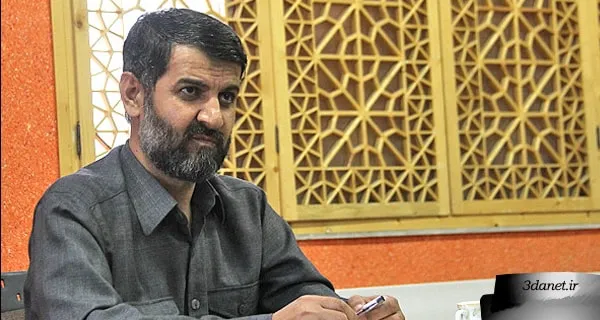
[The Quranic-narrative encyclopedia al-Hayah is a collection compiled by the Hakimi brothers (Mohammad Reza, Mohammad, and Ali) and published by “Dalil-e Ma” in 12 volumes. In this conversation, Mehdi Nasiri – a critic of mysticism and philosophy and the managing director of Semat magazine – has reviewed and critiqued this work – Sedanet]
Mehrnameh – As a first question, please tell us, in your opinion, in which category of contemporary religious thinkers should Professor Mohammad Reza Hakimi be placed? Should he be introduced as a traditionist (muhaddith) or a thinker? Naturally, a precise answer to this question will, to some extent, clarify our position regarding the al-Hayah project. What is your view?
In the name of God, the Most Gracious, the Most Merciful. As a preliminary point, I must say that Professor Mohammad Reza Hakimi is among those figures who serve as a justified proof for religiosity for many. This noble and learned man, at the peak of asceticism and indifference to the world, has been a herald of Islamic, Shiite, and Ahl al-Bayt ideals and values, and has constantly been concerned with justice, this most innate human ideal and the essence of the teachings and mission of the prophets. I made this introduction to express the depth of my devotion to him, who is worthy of all honor and reverence, and in answering your questions, to easily and without worry of possible misinterpretations, direct some critiques at his works and thoughts.
And now, the answer to your question: If by thinker you mean someone who thinks freely and considers their own understanding as the measure of the correctness and invalidity of thoughts and views, and considers authority to belong to their own comprehension and understanding – without reference to a transcendent source, whether revelation or sound rational argument – then, of course, the title of thinker is not suitable for Professor Hakimi. And if by traditionist (muhaddith) you mean merely a transmitter and narrator of hadith, devoid of critical understanding (dirayah), this title is also not suitable for him. Hakimi is a thinker who strives for the sources and materials of his thought to be derived from revelation (the Quran and narrations) and, at the same time, to be rational.
Mehrnameh – If we take a glance at Shiite hadith books – such as Usul al-Kafi and Bihar al-Anwar – what is the position of al-Hayah in relation to these Shiite cultural legacies? In other words, what role does al-Hayah undertake in the historiography of Shiite teachings and heritage?
Mehdi Nasiri – al-Hayah – which is the product of years and decades of effort by the Professor along with his two erudite and scholarly brothers, Hujjat al-Islam wal-Muslimin Mohammad and Ali Hakimi – has primarily sought to present some of the topics needed for our day and age, such as the issue of social and economic justice, the principles of governance and community building, subjects of lifestyle, discussions on Islamic anthropology, society and history, the anticipation and future of history, etc., with an innovative classification [1] and elaboration, and in the words of the authors themselves, in an organic manner indicative of a coherent intellectual system. This is naturally different from Bihar al-Anwar, which contains almost all general religious and Shiite topics and whose encyclopedic aspect is prominent. It is also different from Usul al-Kafi, which also has a greater comprehensiveness than al-Hayah. For example, both Bihar and Usul al-Kafi contain important doctrinal and theological discussions such as Tawhid (monotheism), Imamate, and the Hereafter, which al-Hayah, as specific chapters and sections, has addressed less.
In any case, the Quranic and narrative collection “al-Hayah” is among the best hadith works of recent decades, which can be presented to the world as a written example of the revealed teachings of Islam and Shiism, and amidst the uproar of extremism and the savagery of Wahhabi and Takfiri Islam on one hand, and the spiritual and justice-oriented decline of modern Western civilization on the other, it can offer an alternative creed and thought.
Mehrnameh – What could be the innovation and distinguishing feature of the al-Hayah collection compared to other similar collections? In your opinion, has this twelve-volume book pursued a neglected task within Shiism?
Mehdi Nasiri – Given the way al-Hayah has been organized into chapters and topics, it must certainly be regarded as an innovative and original work. Al-Hayah presents many verses and narrations on a number of important contemporary issues in a well-edited, thematic manner to researchers and readers, largely obviating the need for them to extract discussions from primary sources.
Of course, to say that al-Hayah is the final word in these areas and that there is no longer any need for new works is certainly not the case, and it is unlikely the authors themselves would make such a claim. Nevertheless, any new work on these subjects will not be able to dispense with consulting al-Hayah.
Mehrnameh – One of the key points in understanding the trajectory and destination of Professor Mohammad-Reza Hakimi’s intellectual-authorship project relates to his doctrinal foundations. If we recognize the School of Ma‘ārif, or as it is famously known, the School of Tafkik (Separation), as Mr. Hakimi’s base and standpoint, how can al-Hayah’s relationship with this school be explained? In other words, is al-Hayah a fruit that has grown from the tree of Tafkik, or does its compilation and authorship not necessarily have roots in the soil of the School of Tafkik?
If we consider the main claim of the Khorasan School of Ma‘ārif to be the necessity of referring to authentic religious and revelatory sources—that is, the Qur’an and Hadith—to present religion’s position on various doctrinal, political, social, economic, and other issues, then yes, al-Hayah must be considered the fruit of this very tree. Of course, the distinguishing feature of the Khorasan School of Ma‘ārif from other tendencies lies in theological discussions and the principles of belief, such as monotheism, prophethood, imamate, and resurrection. Many individuals and tendencies, despite having differences of opinion with this school on these subjects, may agree and concur with the authors of al-Hayah on many of the topics raised in it. In other words, many proponents of conventional philosophy and mysticism, who are subject to the critique of the School of Tafkik, have no objection to al-Hayah, and perhaps if they too set out to compile a Qur’anic and narrative-based work on the topics raised in al-Hayah, they would more or less follow the same path. Although it cannot be denied that one of the practical and logical effects of adherence to conventional Greek philosophy and mysticism is the neglect—at least relative—of the Qur’an and the narrations of the Ahl al-Bayt, peace be upon them.
Mehrnameh – The fundamental critique leveled by critics and claimants against Professor Mohammad-Reza Hakimi’s doctrinal foundations in the School of the Ma‘ārif of the Ahl al-Bayt, as well as against the al-Hayah collection, concerns the attempt to achieve a religious purity that does not take realistic elements into account. In your opinion, to what extent are the critiques of Mr. Hakimi’s method and intellectual approach in compiling al-Hayah worthy of consideration?
Mehdi Nasiri – We must distinguish between the two subjects of the Khorasan School of Ma‘ārif and al-Hayah, and offer an opinion on each separately.
The Khorasan School of Ma‘ārif has two groups of critics: one, the proponents of conventional philosophy and mysticism, and the other, a spectrum of opponents of this very philosophy and mysticism. Let me first speak of the second group. On the one hand, they honor the extensive and sincere efforts of the Khorasan School of Ma‘ārif to counter the dominance of the philosophical and mystical current over the seminaries. These efforts have yielded very important results in cracking the fortress and citadel of philosophical and mystical orientation, opening the door to criticism of famous figures such as Mulla Sadra and Ibn Arabi, and not allowing these figures to be placed within a fortress of immunity from critique, imposing a dangerous dogmatism and rigidity on Shiite scholarly circles, which have always prided themselves on ijtihad and free thought.
اما این گروه از دیگر سو معتقدند مدرسهی معارفی خراسان در مقام ارائهی گفتمان قرآنی و اهل بیتی و در عین حال عقلانی در موضوع خداشناسی، دچار کاستیهایی است. برخی از بنیانگذاران این مدرسه از جمله مرحوم میرزا مهدی اصفهانی، خداشناسی استدلالی را در برخی آثار خود منکر شده اند و توحید فطری را با تبییناتی که دوباره سر از مبانی فلسفه و عرفان در میآورد، مطرح کرده اند، در حالی که به نص روایات فراوان، توحید و موضوع اثبات وجود خداوند و خالق احد و صمد جز از مسیر استدلال عقلی ممکن نیست اگر چه معلمان این توحید عقلی هم کسی جز انبیاء و اهل بیت علیهم السلام نیستند. البته مباحث و آثار آیت الله سیدان از خلوص بیشتری برخوردار است و تاکید ایشان بر نقش عقل در مساله توحید همراه با استناد به آیات و روایات است.
در هر صورت این بحث در جریان است و در نشریهی سمات ما به آن پرداختیم. به نظر من لازم است طرفینِ این بحث با سعهی صدر و فارغ از برخوردهای تندی که مانع گفتگو باشد، به این مساله بپردازند و حتی الامکان به نقطه وفاق نزدیک شوند.
و اما گروه اول منتقدان مکتب تفکیک، موافقان فلسفه و عرفان هستند. طبیعی است بنده در اینجا با عمدهی استدلالهای تفکیکیها در رد فلسفه و عرفان موافقم و به جد معتقدم که فلسفه و عرفان مصطلح، مدرسه ای جدا و متمایز و بلکه متعارض با مدرسه قرآن و اهل بیت علیهم السلام در همهی زمینهها از معرفت شناسی گرفته تا خداشناسی و جهان شناسی و پیامبر شناسی و امام شناسی و معاد شناسی است و همان طور که استاد حکیمی در آثار متعدد خود نشان داده است ریشهی این فلسفه و عرفان، یونان و هند و ایران باستان است و نه منبعث از تعالیم انبیاء و اهل بیت علیهم السلام و نهایت آن که فلسفه ای التقاطی و امتزاجی با برخی آموزههای قرآنی و روایی است که این التقاط به شدت به زیان دین است.
ضمنا باید یاد آور شوم که تعارض فلسفه و عرفان یونانی که ملتقای آن در فلسفهی ملاصدرا است، با آموزههای محکم قرآنی و روایی است و نه با متشابهات و ظنون که بتوان با استناد به هرمنوتیک و تاویل، آنها را توجیه کرد. مثلا تعارض معاد مطرح شده از سوی ملاصدرا در اسفار با نصوص قطعی و فراوان قرآنی و روایی، مورد اعتراف و تاکید بسیاری از فیلسوفان و پیروان ملاصدرا بوده است. نظریهی «وحدت وجود» و «عینیت واجب و ممکن، و خالق و مخلوق» و یا «قدم زمانی عالم» نیز در تعارض با ضروریات و مسلمات همه ادیان توحیدی است.
البته بعضی از انتقادات موافقان فلسفه به تفکیک از جمله رد مطلق استدلال و برهان از سوی مرحوم میرزا مهدی اصفهانی (فارغ از اینکه فلسفهی اسلامی به خصوص فلسفهی صدرایی برهانی و عقلی نیست و صرفا ادعای برهان است) وارد است و تفکیک باید این نقیصهی جدی را بپذیرد و اصلاح کند.
و اما در مورد الحیاة اشکالی از سوی برخی از منتقدان (از جمله کتاب رؤیای خلوص، سید حسن اسلامی،1383) با این عنوان مطرح شده است که آنچه در الحیاة منعکس شده است، یک چینش و تدوین و برداشت سره و خالص قرآنی و روایی آن گونه که مؤلفان الحیاة باور دارند نیست بلکه متاثر از پیشفرضها و اندیشههای مطرح زمانه از جمله اندیشههای اقتصادی و مساواتطلبانهی چپ در قبل و بعد از انقلاب است. بنده این انتقاد را تا حدودی اغراق آمیز میدانم اما نمیتوان آن را به کلی نفی کرد.
تاثیرپذیری از عوامل خارج از نصوص و متون دینی در مقام تفسیر و گزینش و چینش و برجسته کردن آنها امری است که اغلب بدان مبتلا هستیم و نمیتوانیم منکر کلی آن شویم و در مورد بسیاری از صاحبنظران میتوان نمونههای آن را نشان داد.
البته این حرف به معنای قبول هرمنوتیک نسبیتگرا - که اصالت را به مؤلف و مفسر میدهد و نه متن - نیست و قطعا فهم یقینی و اطمینانی مفاد و مرادات بسیاری از آیات و روایات ممکن و مقدور است اما از سوی دیگر طرح این ادعا که همهی برداشتها و تفسیرهای ما از آیات و روایات، قطعی و یقینی و منطبق بر مراد واقعی خداوند و اهل بیت علیهم السلام است، ادعایی غیر علمی است و دلیل بارز آن اختلاف فهمها و تفسیرهای فراوانی است که در همهی علوم اسلامی اعم از فقه و اصول و کلام و حدیث و تفسیر و اخلاق و ... بین عالمان و متخصصان وجود دارد. و این اختلافات هم همگی مربوط به پیش فرضها و پیش فهمها نیست تا بگوییم که با منزه کردن ذهن خود از همهی پیشفرضها ـ که خود امری صعب است ـ به سراغ متن می رویم تا به برداشتی سره و خالص برسیم بلکه در بسیاری از موارد، ابهام و تشابه موجود در خود متن و الفاظ آیه و یا روایت است که ظهور آن را ظنی میکند و احتمالات و تفسیرهای مختلف را بر میتابد و هیچ کس نمیتواند بر صحت قطعی آنچه از این متن میفهمد، قسم بخورد و برداشت حود را به «والله العالم» ختم نکند. و گاه نیز اختلافات به اطمینان یا عدم اطمینان به صدور روایتی از جانب معصوم ـ علیه السلام ـ بر میگردد. و یا عوامل دیگری که میتوان برای منشأ اختلاف برداشتها بر شمرد.
از جمله نمونههایی که نویسنده کتاب رویای خلوص بر آن دست میگذارد، برداشت و ترجمه مولفان الحیاة از این حدیث امام صادق علیه السلام است که: «تمنّوا الفتنة، ففيها هلاك الجبابرة، و طهارة الأرض من الفسقة». (الحياة / ترجمه احمد آرام، ج6، ص: 28 به نقل از امالى شيخ طوسى، 2/ 311) مولفان ارجمند الحیاة روایت را چنین ترجمه کرده اند: «در آرزوى انقلاب باشيد، زيرا در انقلاب است كه جباران (سياسى و قارونان اقتصادى) نابود مىشوند، و زمين از لوث وجود فاسقان (رانتخواران و محتكران و محروميت آفرينان و گرانفروشان و ...) پاك مىگردد.»
همانگونه که دکتر اسلامی متذکر شده است هیچ شاهدی از کتب لغت و کاربردهای واژه «فتنه» در قرآن و روایات نمیتوان یافت تا آن را به انقلاب معنا کرد و به دنبال آن هم «جبابره» را به معنای قارونان اقتصادی و «فسقه» را به معنای رانت خواران و محتکران و گرانفروشان ترجمه و تفسیر کرد. و علی القاعده میتوان مواردی دیگر از این دست را نشان داد. و این نوع تفسیر ـ متاثر از پیش فرض ـ ناشی از گرایش عدالتخواهانه و ضد سرمایهداری الحیاة است.
ممکن است استاد حکیمی این نوع نقد را متاثر از مباحث هرمنوتیک آمده از غرب بداند و آن را رد کند اما واقعیت این است که ما با استناد به خود آیات و روایات میتوانیم واقعیتی را به نام اختلاف و عدم اطمینان و عدم دسترسی به حاق دین در بسیاری از برداشتها در عصر غیبت که دستمان از دامن مفسران حقیقی قرآن و گویندگان روایات یعنی اهل بیت علیهم السلام کوتاه است، نشان دهیم و این خود بحثی دامنهدار است که مقاله و بلکه رساله و کتابی مستقل را میطلبد و در اینجا فقط به ذکر یک آیه از قرآن همراه با روایاتی که در تفسیر آن از اهل بیت علیهم السلام آمده است، بسنده میکنم:
آیهی 31 سورهی ملک چنین است که: «قُلْ أَرَأَيْتُمْ إِنْ أَصْبَحَ ماؤُكُمْ غَوْراً فَمَنْ يَأْتِيكُمْ بِماءٍ مَعِينٍ» ترجمهی آیه چنین است: «بگو به من خبر دهيد، اگر آب آشاميدنى شما به زمين فرورود چه كسى آب روان برايتان خواهد آورد؟» یعنی این خداوند است که آب مورد نیاز شما را با نزولات آسمانی تامین میکند اما آیه با تفسیر اهل بیت، معنایی باطنی وتاویلی نیز دارد. از امام رضا عليه السلام راجع به تاویل این آيه پرسيده شد، فرمود: «ماؤكم» يعنى ابواب شما كه منظور ائمه است كه ابواب اللَّه بين خدا و خلقند، «فَمَنْ يَأْتِيكُمْ بِماءٍ مَعِينٍ» يعنى چه كسى براى شما علم امام را مىآورد. (تفسیر صافی، ج 5، ص 205) یعنی با غیبت امام معصوم، دسترسی شما به علم و تعلیمات روشن و بدون ابهام و اختلاف دینی و وحیانی، دچار نقصان جدی میشود. در روایتی دیگر در تاویل همین آیه امام موسی بن جعفر علیهما السلام فرمود: اگر امام خود را نيابيد و ديگر از سرچشمهی زلال [علم و معارف] او آب ننوشيد چه مي كنيد؟! (الإمامة و التبصرة من الحيرة، ص 125)
This verse, along with two exegetical accounts of it, clearly expresses the predicament of access to pure and unadulterated revealed teachings in the Age of Occultation, and that with the occultation of the Infallible Imam, no decisive arbiter will be available for many doctrinal and religious disputes in political, cultural, economic, and other dimensions.
Of course, considering the totality of narrations concerning the Age of Occultation and the duties of believers and Shi‘a in this period, the conclusion that the Age of Occultation is one of sheer ambiguity and bewilderment, and that political, social, cultural, and other duties do not apply to the Shi‘a, is unwarranted. Referring to a fully qualified jurist or jurists and the transmitters of hadith as the general deputies of the Infallible is a path the Shi‘a are obliged to follow. However, there can be no doubt that we are not faced with normal and ordinary conditions, theoretically or practically, in the Age of Occultation. And this is, of course, an important subject that is often neglected and passed over in silence, particularly in contemporary Islamic studies, and does not receive due attention.
Of course, the twelfth volume of al-Hayah, in its discussion of awaiting (Intiẓār), makes some references to this subject, but in this humble writer’s opinion, a chapter entitled “The Affliction and Straits of the Age of Occultation,” which could have gathered numerous verses and narrations under its heading, is absent from al-Hayah. This is a conspicuous shortcoming for a hadith collection whose authors have repeatedly and sincerely insisted on a comprehensive reference to the teachings of the Ahl al-Bayt (peace be upon them).
Mehrnameh – Just as the al-Hayah collection is a theoretical and intellectual treatise, it is also a book whose authors claim a practical function for it. In other words, the Hakimi brothers believe that al-Hayah can serve as a manual and a guide for establishing and sustaining a government that honors justice and knowledge. It seems that the challenges that may arise in realizing pure religious ideas within the framework of a governing order have been overlooked by Mr. Hakimi. On the other hand, some of Professor Hakimi’s admirers believe that he also holds a critical stance toward the current mode of administering society in the present government and consider al-Hayah to be the remedy for pains and disorders. Is Mr. Hakimi inattentive to the difficulties of implementing ideas in the practical sphere, or does he hold a true belief in the unconditional realization of all the sayings and statements of the Pure Imams in every era?
Mehdi Nasiri – While re-emphasizing the value and grandeur of the work accomplished in al-Hayah and the pleasing picture it presents—acknowledging the aforementioned shortcomings—of the rational, humane, and justice-oriented stance of religion on various subjects, I must say that the important function of al-Hayah is primarily in presenting a view and a theory in the field of individual and community building, and in demonstrating that the account of existing problems in society and government is separate from the account of religion itself. However, the extent to which al-Hayah can be objectively realized as a set of instructions and a roadmap is a matter of discussion and reflection.
To elaborate, regarding the issue of governance in the Age of Occultation, there are three views among the Shi‘a. One view holds that establishing a government lacks legitimacy, a view that is not accepted by the authors of al-Hayah and many Shi‘a jurists. Another view holds that establishing a government is legitimate and necessary, which divides into two branches: the first branch, which has been the dominant and well-known view in recent decades, believes in a high and above-fifty-percent capacity and ability to realize religious goals, rulings, and teachings under current conditions. The second branch believes that the Shi‘a’s capacity, even if they gain political power and establish a government, is entirely limited for realizing religious ideals and teachings, and will remain far from a society, state, and civilization on the level of Islam. Nevertheless, it deems the realization of even this limited amount necessary and obligatory, and based on the jurisprudential maxim “an easy obligation is not abandoned because of a difficult one” (al-maysūr lā yasquṭ bi-l-ma‘sūr), does not consider itself permitted to withdraw from the arena of politics and power.
From the introduction to al-Hayah and the explanations provided in various places beneath the verses and narrations (especially in volumes 1 through 6), it is entirely evident that the authors of al-Hayah subscribe to the view that a desirable, sixty-to-seventy-percent-plus realization of religious ideals and rulings is possible in the age of Occultation and the present time, and they see no serious obstacle on this path other than laxity, lack of will, a spirit of compromise, a failure to grasp Islam in a revolutionary manner, and possibly the corruption and contamination of certain officials. Although in volume 12, whose publication was separated from volumes 1 through 6 by several years, the authors' tone changes somewhat, and a degree of realism regarding the extent to which Islamic ideals and rulings can be realized is observed.
The point now is that the view of the possibility of realizing a society and civilization on par with Islam (a limited and relative version of which is, of course, possible) in the age of Occultation, particularly in the current juncture and period, which is confronted with the full-fledged dominance of modernity over all aspects of the world and humanity, is an unrealistic matter inconsistent with the numerous narrations that exist in this connection within Shia hadith texts.
The criticism here directed at the esteemed authors of al-Hayah is: why have these types of narrations not received the necessary attention? Has this resulted from the influence of the authors' presuppositions? Fundamentally, the notion of the ease of reforming the world and humanity—regardless of whether we are in the age of Occultation or the presence of the Infallible Imam—resonated strongly in the years close to the revolution and afterward, perhaps largely influenced by leftist ideas. Particularly before the revolution, many revolutionaries imagined that by seizing political power and media resources and implementing a few cultural, economic, and social development programs, the country would be transformed swiftly and easily, and Islamic rulings and ideals—for instance, an Islamic economy—would be implemented and realized. But as the poet says, “Love seemed easy at first, but then difficulties arose.”
Of course, one of these narrations is mentioned in the twelfth volume of al-Hayah (p. 758) as follows: Imam al-Baqir, peace be upon him: “Indeed, our state is the last of the states, and no household possessing a state will remain but that they will rule before us, so that when they see our conduct, they will not say, upon seeing our conduct when we rule, ‘We would have conducted ourselves in the manner of these people’…” (Bihar al-Anwar 52/332)
Imam al-Baqir, peace be upon him: Our state is the last of the states, and no group capable of attaining leadership will remain except that they will come to power before us, so that when they observe our method of governance (and management of human society), they will not say: If governance were in our hands too, we would have adopted a method like that of these people.
Beneath this narration, the authors have explained as follows: “From this hadith, it becomes clear that what is meant by ‘no household possessing a state will remain’ refers to all groups that rise up with the claim of governance and form a government, even the turbaned ones, particularly in view of the Constitutional Revolution in Iran and also the Islamic Revolution in Iran, which in no way whatsoever led to the formation of a system acting with justice and a society established upon equity.” (al-Hayah, vol. 12, p. 760)
If the authors had not been influenced from the outset by the notion of the easy and swift reform of the world and humanity merely by seizing political power (a notion that was, of course, common among the general body of revolutionaries, including the writer of these lines, and still persists among some), these types of narrations—which are not few in number—would certainly have been allocated special chapters and sections in the magnificent collection of al-Hayah. Furthermore, the burning pain and sighs observed throughout the twelve volumes and other works of Ustad Hakimi over the non-realization of the justice-seeking ideals of Islam and the Ahl al-Bayt, peace be upon them—which at times leads to severely anguished criticisms of the officials of the Islamic Republic—would have given way more to lamentation and complaint over the Occultation of the Infallible Imam, peace be upon him (O God, we complain to You of the loss of our Prophet and the occultation of our Wali…), for he is the essential condition for the realization of a society established upon equity, and with his occultation, only limited steps can be taken on this path.
The impossibility of realizing a society and civilization at the level of Islam during the Age of Occultation (while re-emphasizing that political and social duties are not nullified, and that the formation of a government is legitimate and necessary if its realization is possible, along with the necessity of striving for relative and feasible reform of affairs), based on Quranic verses and narrations, requires a comprehensive and lengthy discussion that has been the concern and subject of this humble researcher's study for several years. However, in a very brief summary, I can say that according to the Quran and narrations, the presence and expansive authority of the Infallible Imam, which occurs only after the great event of the Reappearance, is the essential condition for the realization of a society and state at the level of Islam. The first and most important predicament arising from the Occultation is the impossibility of achieving theoretical frameworks and models that enjoy the necessary and sufficient understanding and consensus among Shia jurists and scholars, and consequently among the various Shia intellectual currents, on hundreds of political, economic, cultural, and social issues.
We know that at the very beginning of the Major Occultation, theological and jurisprudential differences began among the foremost Shia scholars and jurists. Between Sheikh Saduq and his student Sheikh Mufid—both of whom were confirmed by signed decrees from the Imam of the Age, may God hasten his noble reappearance—differences of opinion arose regarding certain doctrinal issues, and at times, a sharp and biting tone was even employed by Sheikh Mufid towards his teacher Saduq. Subsequently, we encounter the acute jurisprudential differences between Ibn Idris al-Hilli and his maternal grandfather, Sheikh Tusi. These differences on various theological, jurisprudential, legal-theoretical, hadith, and biographical evaluation topics continued in the Shia seminaries, culminating in the sharp disputes between the Usulis and the Akhbaris. Now, in addition to the previous differences, we are faced with serious and new disagreements on various subjects, including the relationship between tradition and modernity, and whether the conventional philosophy and mysticism are Islamic or not, and so on.
For instance, on the issue of holding Friday prayers during the Occultation, we encounter three fatwas among Shia jurists: prohibition, individual obligation, and an optional obligation to choose between the noon prayer and the Friday prayer. This is while all of them cite the Quran and narrations to prove their fatwa.
The great jurist and paragon of piety, the late Muqaddas Ardabili, on this very issue, after technical jurisprudential and legal-theoretical discussions, presenting various opinions and statements, and failing to reach a decisive fatwa on the matter of Friday prayers, laments the affliction of the Occultation of the Infallible Imam as follows:
"The gist of the matter is that liberation from doubts and uncertainties is an unattainable thing for the people of faith, except when the Master of the Affair and the speaker of the word of truth reappears. Without him, reaching the truth in many difficult issues is impossible. May God, by the right of the City of Knowledge and its Infallible Gate, through the reappearance of the Inheritor of wisdoms and sciences, remove sorrow and grief from us and eliminate doubt and uncertainties... I find no scholarly issue, save a few, free from doubt and uncertainty." (Ardabili, Ahmad, Majma' al-Fa'idah wa al-Burhan, vol. 2, p. 363. Quoted from the article "Present Jurisprudence and the Absent Imam" by Masoud Emami, Journal of Fiqh of the Ahl al-Bayt (peace be upon them); vol. 38, p. 100)
This historical predicament exists while the further we distance ourselves from the beginning of the Age of Occultation and are exposed to the transformations of the time, the more deep-rooted and profound these differences become. When we reach the contemporary era and the period of the dominance of modernity, we are faced with a storm of disagreements on various theological, jurisprudential, political, cultural, social, and economic issues within the circle of Shia scholars and experts themselves. This, of course, is a characteristic of the Age of Occultation, and the Ahl al-Bayt (peace be upon them) themselves explicitly stated this in various expressions and foretold the perplexity that the Shia would suffer in this era, which could itself have been reflected in chapters of al-Hayah.
Now one must ask: how, out of all this disagreement and perplexity, can practical systems and programs—ones that enjoy at least a minimal consensus for political, social, cultural, and economic affairs—be formulated in order to realize a society and civilization worthy of religion and Shiʿism? Of course, it must be stressed again that this perplexity is not absolute and does not create an impasse; it cannot serve as a pretext for indecision, permissivism, skepticism, or absolute relativism. Yet, without doubt, neither the ideal Islamic city, society, and state, nor—to use the phrase of our learned and esteemed brothers, the Hakimis—a “system governed by justice” and a “community established on equity” will emerge from it. The Islamic Republic has been compelled, and will continue to be compelled, willingly or unwillingly, to make many concessions from the true position of religion and religious ideals. And, of course, to the extent that these are not due to remediable weaknesses, mismanagement, and corruption, it should not be blamed. The system, like the individual, is obligated only to the extent of its capacity, and not beyond it.
Another very important point that must be mentioned in this discussion is the dominance of modernity in the present age, which has multiplied the calamity and predicament of the Occultation a hundredfold—though, of course, the very emergence and dominance of such a civilization is itself a consequence of the Occultation of the Infallible Imam. This is an issue that has not received due attention in contemporary Islamic studies and has, in some cases, even been understood in reverse, with modernity being regarded as the product of humanity’s scientific and rational advancement and perfection.
I am not now in a position to prove this view, and I know that the well-known theory is to the contrary, but no one can deny the existence of a fundamental disagreement on this subject among contemporary religious people—a disagreement that itself constitutes another obstacle on the path to the consensus necessary for the realization of a society worthy of religion.
al-Hayah, too, is influenced by the prevailing view on this subject, although in the explanations of some of its chapters we witness noteworthy and quite useful critiques of modern Western civilization (vol. 12, pp. 481, 482, 551, and 552). The problem, however, is that the critiques do not sufficiently address the foundations, principles, and premises of modernity and modernization. Modern science and technology, along with its material and livelihood structures, are generally accepted, and the problems that have arisen are considered accidental to modernity rather than emanating from the humanistic foundation and essence of this civilization.
Without doubt, if the authors of al-Hayah had, on the one hand, paid the necessary attention to the essential and non-religious problems of the modern economy—including the modern bank, modern money, modern production and consumption, modern monopolies, and other modern economic structures that have today made it possible for half of the world’s wealth to be in the hands of just 62 people (as reported by the magazine Business Insider, 4/11/94)—and, on the other hand, had taken into consideration the fact that liberation from these structures is no longer easily possible for any country, then, in my opinion, they would certainly have added extensive explanations under some chapters of al-Hayah about the difficulty of realizing economic and social justice at an ideal level in such a world and age, even with the seizure of political power.
Of course, the cultural and social predicaments arising from the dominance of modernity are far more catastrophic than its economic dimensions.
In al-Hayah, vol. 1, p. 24, we read:
“Ijtihad must recognize the changing realities of the time, recognize the new culture and new education, recognize the new human being, new industry, new work, and new economy. Ijtihad must confront the experiences of human life and the concrete realities of the world. If the great jurists and eminent mujtahids of the past had not paid attention to the problems of their own time and had not striven to expand and develop ‘fiqh,’ and had not transformed our fiqh from the form of the materials, hadiths, and rules contained in the ‘Usul Arbaʿumiʾa’ into books such as ‘al-Mabsut’ … and then ‘Jawahir al-Kalam’ and later the ‘Salat’ of Haj Aqa Rida Hamadani, and the ‘Makasib’ of Shaykh Ansari, our fiqh would be dead today. And if today we do not strive to expand the domains of fiqh and social life, and do not recognize—or pretend not to recognize—the realities and transformations, and do not bring them into the current of fiqahat and ijtihad, we will have turned ijtihad, fiqh, and fiqahat backward in time and consigned them to the past.”
With apologies to the learned authors of al-Hayah, I must say that by putting forward the general statements above—in which modernity and the new world, in its cultural, industrial, and economic dimensions, are taken for granted, and which have been heard and read from the tongues and pens of great thinkers for several decades now—no knot will be untied. Nor will any ijtihad or jurisprudence in this arena, with modernity taken for granted, produce any work worthy of attention beyond what already exists. And, of course, rejecting modernity will not produce much work either, but it will have one very important consequence: namely, that jurisprudence and religion will not assume responsibility for many of the existing economic, social, and cultural disorders, and will point to the real culprit. At the same time, it will not offer the impractical slogan of realizing a society and state on the level of Islam and a religious utopia, which would subsequently create a thousand and one problems and ambiguities in the minds of society regarding the capability and competence of religion.
Of course, in many areas, jurisprudence proposes secondary and governmental rulings based on expediency and the custom of the time to prevent deadlock and disruption in the social order and to pursue relative reform of affairs, but it must refer the construction of the human being and society on the level of Islam to its rightful owner and his promised age and era.
Mehrnameh – As a final question, please tell us what the intellectual similarities and affinities are between you, as the central figure of the Samat current in Qom, and the approach of Master Mohammad Reza Hakimi? Do you consider the spread of the term “neo-Tafkiki” to describe your own research and intellectual activities a sign of moving beyond Mr. Hakimi’s thought? Do you consider yourself indebted to him at all? Please elaborate a little on this.
Mehdi Nasiri – I have greatly benefited from the works of Master Hakimi, including al-Hayah and his works critiquing philosophy, and his raising of the issue of Tafkik (separation) in an interview with Kayhan Farhangi (March 1992) had a particular impact on my orientation regarding the issue of philosophy and mysticism. The term “neo-Tafkiki,” if it means that while we share the Tafkikis’ critique and rejection of philosophy, we differ with them on some points—including the issue of the rationality of knowing God, which, as I mentioned, the late Mirza Mahdi denies—is a correct statement.
Furthermore, the School of Tafkik places special emphasis on the scholars of recent decades who opposed philosophy and mysticism, including Seyyed Musa Zarabadi, Mirza Mahdi Esfahani, Haj Sheikh Mojtaba Qazvini, Mirza Javad Aqa Tehrani, and others. However, our emphasis in Samat is more on the historical current within Shi’ism that negates Greek philosophy and mysticism, and we defend the rational theology of Shi’ism—which emanates from revelatory teachings that guide toward rational arguments—against philosophy.
From the beginning of the Occultation era and even before it, in the works of companions such as Hisham ibn Hakam and Fadl ibn Shadhan, a stance against Hellenism in beliefs begins. Great figures such as Saduq, Mufid, Tusi, Abu al-Salah al-Halabi, Karajaki, Allamah Hilli, Allamah Majlisi, Mirza Qomi, and dozens of other Shi’i scholars, theologians, and jurists have stood firmly, with robust rational and textual arguments, against beliefs such as the eternity of the world, the emanation of the world from the essence of God, the unity of existence, predestination, mystical pluralism, spiritual resurrection, and so on. The overt inclination toward philosophy and mysticism in Shi’i seminaries has been confined to two periods: the Safavid era and recent decades.
.
.
Download the text of the conversation “The Utopia of al-Hayah” as a PDF
[1] Chapterizing a book or writing, dividing a book into different chapters [Sedanet]
.
.
A Conversation with Mehdi Nasiri
Mehrnameh, Issue 46, Nowruz Special Issue, March 2016
.
.


Discussion0 comments
No comments yet; let yours be the first voice.