Foreign thinker
Gabriel Marcel
Gabriel MarcelChristian ExistentialismFrench
The dynamic element of my philosophy, taken as a whole, can be seen as an obstinate and untiring battle against the spirit of abstraction.
Life and Thought
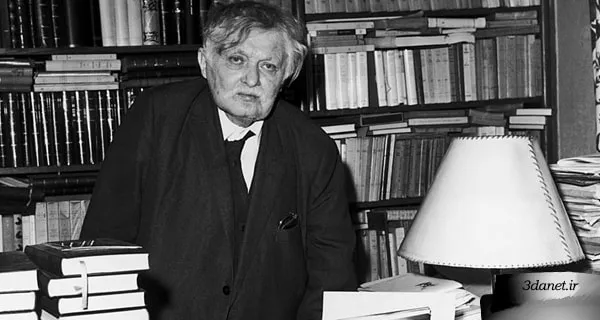
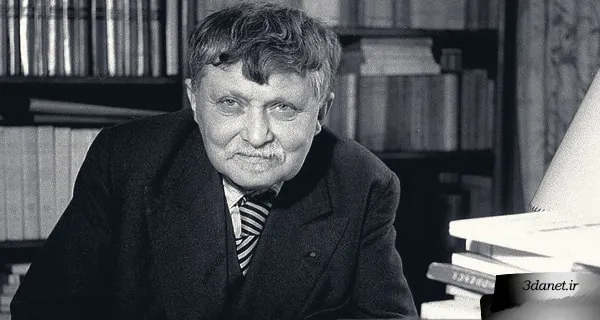
Gabriel Marcel (1889–1973) was a French philosopher, playwright, and music critic, and one of the principal representatives of Christian existentialism. By emphasizing the concepts of 'being' versus 'having,' creative fidelity, and the mystery of existence, he opened a path distinct from Sartre's atheistic existentialism. His works have had a profound influence on the philosophy of religion and personalist thought in the twentieth century.
Gabriel Honoré Marcel was born on December 7, 1889, in Paris. He lost his mother at the age of four and was raised by his father and aunt. He studied philosophy at the Sorbonne and, after World War I, during which he served with the Red Cross, turned to philosophical writing and playwriting. He converted to Catholicism in 1929, though his thought was never confined within the bounds of official theology.
Marcel called his existentialism a 'concrete philosophy' and fought against the spirit of abstraction and the reduction of the human being to an object. He distinguished between a 'problem' (which is technically solvable) and a 'mystery' (in which the human being participates). His key concepts include: being versus having, creative fidelity, hope, and presence. In his view, the authentic human being is realized in intersubjective relationships and openness to transcendence.
Among his most important works are Being and Having, The Mystery of Being (two volumes), Man Against Mass Society, Homo Viator, and Creative Fidelity. In addition to philosophy, Marcel was a prolific playwright and took music seriously. He died on October 8, 1973, in Paris. His thought continues to inspire personalist philosophies and existential theology.