Foreign thinker
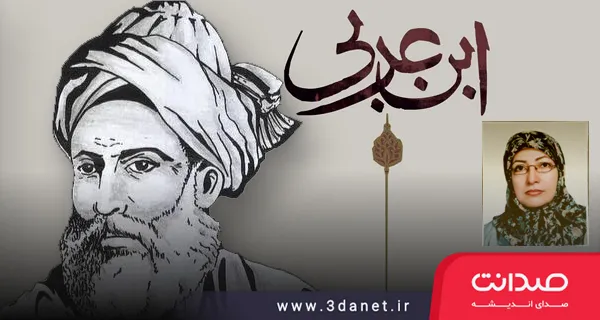
Ibn Arabi
Ibn ArabiIslamic Mysticism and PhilosophyAndalusian1165–1240
In their times
Open in the Timeline of Thought


Life and Thought
Muhyiddin Ibn Arabi (1165–1240 CE) is a great mystic, philosopher, and poet of the Islamic world, renowned as al-Shaykh al-Akbar (the Greatest Master). He is considered one of the most influential figures in theoretical mysticism, and his ideas on the Unity of Being and the Perfect Human have shaped the Islamic mystical tradition for centuries.
Muhyiddin Muhammad ibn Ali Ibn Arabi was born in 560 AH (1165 CE) in Murcia, Andalusia. He came from an Arab family and spent his youth in Seville. After traversing the stages of the mystical path, Ibn Arabi embarked on extensive journeys throughout the Islamic world, traveling from North Africa to Mecca, Anatolia, Iraq, and finally Damascus, where he passed away in 638 AH (1240 CE).
His most important works are Al-Futuhat al-Makkiyya (The Meccan Revelations) and Fusus al-Hikam (The Bezels of Wisdom). Al-Futuhat al-Makkiyya is a vast encyclopedia of mysticism, theology, jurisprudence, and his spiritual experiences, while Fusus al-Hikam is considered a concise and profound exposition of the wisdom of the prophets. Ibn Arabi systematically developed the theory of the Unity of Being (Wahdat al-Wujud) and introduced the concept of the Perfect Human (al-Insan al-Kamil) as the complete manifestation of the Divine Names and Attributes.
After his death, his ideas attracted both passionate followers and fierce critics; nevertheless, his influence on Persian, Ottoman, and Indian mysticism has been immense, and he remains one of the central pillars of Islamic mysticism studies.