Foreign thinker
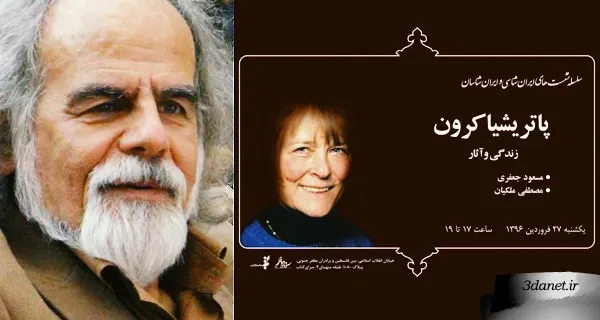
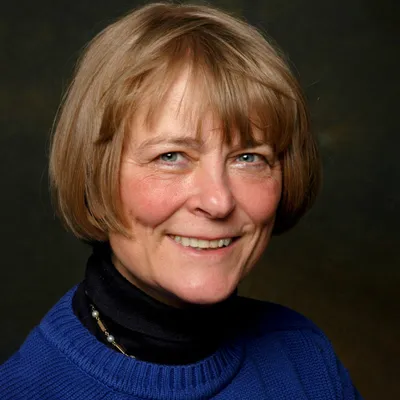
Patricia Crone
Patricia CroneHistoriography, Islamic StudiesDanish
Life and Thought
Patricia Crone (1945–2015) was a prominent Danish historian, orientalist, and Islamic studies scholar, and a former professor at the Institute for Advanced Study in Princeton. She is considered one of the principal figures of the Revisionist School in early Islamic studies, challenging traditional assumptions about the origins of Islam through the analysis of ancient texts and the use of archaeological and numismatic evidence.
Patricia Crone was born in Denmark in 1945. She completed her higher education at the School of Oriental and African Studies (SOAS), University of London, where she received her doctorate. Crone taught and conducted research at the universities of Oxford and Cambridge for many years before holding the Andrew W. Mellon Chair in Islamic Studies at the Institute for Advanced Study (IAS) in Princeton, United States, until her retirement.
Crone's renown and influence began with the publication of the controversial book "Hagarism: The Making of the Islamic World" (1977), co-authored with Michael Cook. In this work, relying on non-Arabic sources contemporary with the rise of Islam (such as Syriac, Armenian, and Greek texts), they presented a radically different and revisionist narrative of early Islamic history, the conquests, and the formation of Islamic identity; although Crone later moderated some of the book's initial radical hypotheses. In another major work, "Meccan Trade and the Rise of Islam" (1987), she critiqued prevailing views on Mecca's commercial role on the eve of Islam's emergence.
Another significant part of Crone's valuable research is dedicated to political thought and sectarian history in Islam. Her book "Medieval Islamic Political Thought" and her study of the history of religious movements in post-Islamic Iran are among her outstanding works. Until her death in 2015, Crone, with her rigorous critical methodology and direct use of diverse historical sources, played a significant role in the transformation and dynamism of modern Islamic studies.