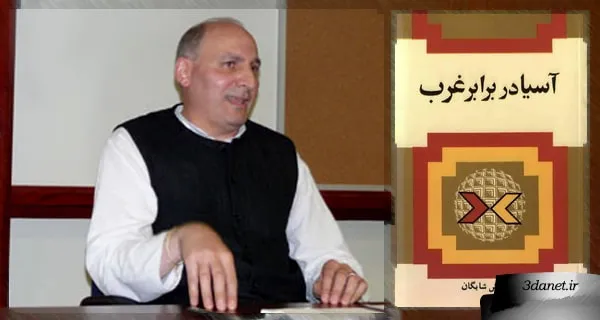


Life and Thought
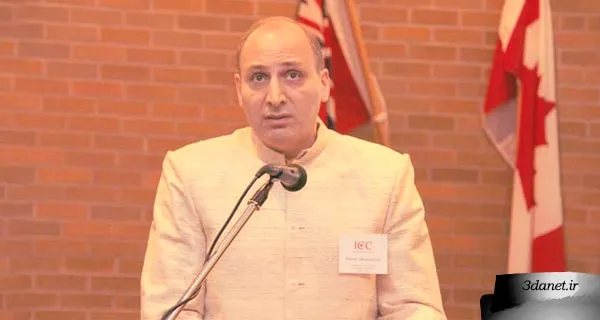
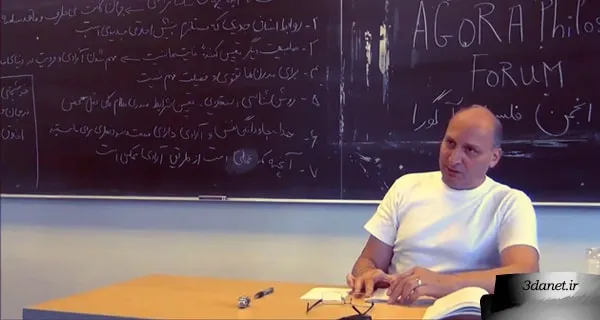
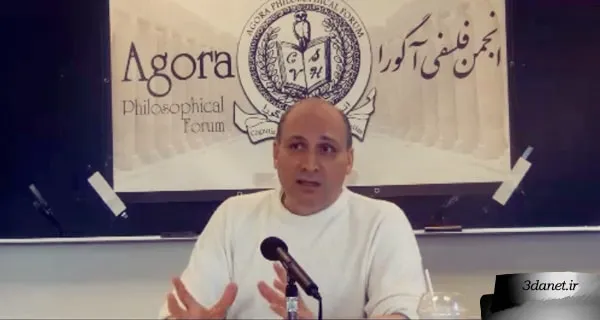
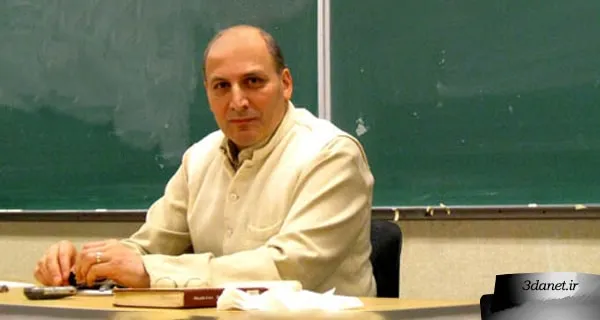
Ramin Jahanbegloo, an Iranian-Canadian philosopher and researcher born in 1956, works in the fields of political philosophy, modernity, and the dialogue of civilizations. He holds a PhD in philosophy from the Sorbonne University and focuses on topics such as nonviolence and democracy.
Ramin Jahanbegloo, born on December 28, 1956, in Tehran, is an Iranian-Canadian philosopher and researcher in the fields of political philosophy, modernity, democracy, the dialogue of civilizations, and nonviolence. He continued his philosophical studies in France and received his PhD in philosophy from the Sorbonne University. In more recent academic sources, he has been introduced as a professor and vice dean of the Jindal School of Law in India and the director of the Mahatma Gandhi Center for Peace and Nonviolence Studies.
Jahanbegloo has also taught and conducted research in Iran at the Iranian Institute of Philosophy and various study centers, and taught for a time at the University of Toronto; the University of Toronto has noted his presence in the Department of Political Science from 1997 to 2001 and his subsequent activities in democracy and dialogue studies.
He was detained for several months in 2006; this event became prominent in his public life, but his intellectual standing is recognized above all for his discussions on political philosophy, tolerance, civil society, and nonviolence. For his activities in the field of intercultural dialogue and the promotion of nonviolence, Jahanbegloo has also received the Peace Prize from the United Nations Association in Spain.
The central focus of Jahanbegloo's work is the relationship between modernity, democracy, culture, and violence. He was one of the first Iranian thinkers to pursue dialogue with the world's philosophers and intellectuals as an intellectual project; dialogues with figures such as Isaiah Berlin, George Steiner, Dariush Shayegan, Seyyed Hossein Nasr, and Ashis Nandy.
In his later works, the thought of nonviolence holds a more prominent place. Inspired by Gandhi, Tagore, Martin Luther King Jr., and the ethical traditions of East and West, Jahanbegloo does not view nonviolence merely as a political method, but considers it a way of life, moral education, and civic responsibility. In introducing his works, the publisher Bloomsbury has also highlighted books in his portfolio on nonviolence, compassion, Gandhi, and the philosophy of peace.
Bibliography
Writings and transcribed lectures22 titles
The French Revolution and War from Hegel's Perspective / Later edition titled Hegel and Modern Politics
In Search of Freedom: A Conversation with Isaiah Berlin
Machiavelli and Renaissance Thought
Modernity, Democracy, and Intellectuals
The Moderns
Under the Skies of the World: A Conversation with Dariush Shayegan
Critique of Modern Reason
Schopenhauer and the Critique of Kantian Reason
The Thought of Non-Violence
Gandhi and the Philosophical Roots of Nonviolence
Tagore; The Conscience of Humanity
Clausewitz and the Theory of War
Iran and Modernity
Difference and Tolerance
Hegelian Reflections
Civilization and Modernity
Sovereignty and Freedom
Iran in Search of Modernity
In Search of the Sacred: A Conversation with Seyyed Hossein Nasr
The Winter Mind
A Time for Human Humanity
The Spirit of India
Sedanet articles about Ramin Jahanbegloo