Philosophy
Tolstoy’s Proposal for the Good Life: Self-Restraint or Aristocratic Comfort
Tolstoy locates the good life not in aristocratic comfort and gluttony, but in self-restraint and moral discipline. He argues that without mastering one's desires and taking the first step, ideals such as justice remain unattainable and life drifts toward meaninglessness.
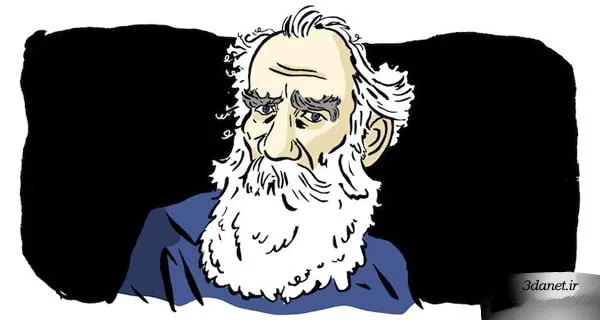
All human beings wish to have a good life and strive to attain it. Yet there are vastly different definitions of the “good life”; different people regard different desires as the hallmark of a good life. But some, after achieving their desires, do not feel that they have a good life.
In his non-fiction writings, such as the treatise “The First Step,” one of the subjects Tolstoy addresses is “the good life.” Tolstoy believes that many people do not take the first steps toward the good life and, by striving to reach the subsequent steps they define for themselves, destroy the possibility of attaining the good life. Tolstoy identifies the first step as learning “self-restraint.” Tolstoy stands in opposition to those who consider the good life to be one filled with luxury, indolence, and gluttony. Despite their luxury, indolence, and gluttony, these individuals pursue ideals such as “justice” and “freedom,” because they believe the good life is defined in the shadow of attaining these ideals. However, Tolstoy believes that since they have not taken the first step, which is “self-restraint,” reaching these ideals, which are subsequent steps, will be impossible. Tolstoy’s critics believe that a person should not deprive themselves of anything and should fulfill all their desires. In response to this group, he says that in such a life, a person will feel a sense of meaninglessness, and individuals will be forced to amuse themselves with “service to art and science,” though they will not feel satisfaction with life. Tolstoy believes this lack of satisfaction stems from a lack of control over the self, whereas these individuals interpret their dissatisfaction with life as the “inevitable tragedy of the human condition.” To have a “good life,” one must ensure that our way of life does not lead to ugliness and evil, and this is made possible through a “morally-centered life.” The good life cannot be tied to immorality and ugliness. Criticizing the common conception of the good life as the “aristocratic life,” Tolstoy points out that this type of life is tied to comfort and gluttony, and an unjust cruelty is inflicted upon other humans and animals. Tolstoy, in fact, critiques a viewpoint that equates the “good life” with “aristocratic comfort.” These individuals see no contradiction between attaining the “good life” and “following desires,” and in their view, the good life is one in which there is no hardship whatsoever. Whereas this definition of the good life necessitates that a very large number of people work so that this aristocratic person can reach this level of luxury and good life. Tolstoy’s opponents, in criticizing his view, ask why one should not enjoy the luxuries that others enjoy. This effort to “be different” is a form of pretense. Still others say that if we do not use these facilities, others will. Tolstoy considers the “desire for gluttony” the most important desire that must be controlled to achieve the good life; a desire that exists to a greater or lesser extent in all individuals and must be restrained. He emphasizes that gluttony is among the desires that, if not controlled, also fuels other desires; therefore, we must bring this instinct under control through abstinence in eating and eating less. It is assumed that people who are financially well-off and have easy access to food do not think about food and, rather than talking about food, are busy talking about science, art, and philosophy. But Tolstoy does not think these individuals are free from the preoccupation with food; rather, he believes their not speaking about food is because they are full between breakfast and lunch and do not feel hungry. Whereas the main goal for many of them is gluttony. To illustrate this view, he gives this example: people gather for scientific conferences, celebrations, or funerals, and the basis of these ceremonies is often the serving of food. At such ceremonies, people usually overeat. If the food served is aristocratic food, there will be no problem, but it is enough for simple or non-aristocratic food to be served, and then the enthusiasts of the world of poetry, literature, culture, and science will complain about the disruption of their gluttony program. Because gluttony has become a norm in our culture today. In Tolstoy’s view, gluttony causes “morality” to lose its importance. Therefore, the good life, according to Tolstoy, is only possible if our desires are under our control, so that if the pursuit of desires leads to immoral results, we can prevent this desire from becoming engorged.
.
. Tolstoy’s Proposal for the “Good Life”
Self-Restraint or Aristocratic Comfort
Source: Iran Newspaper, Monday, February 15, 2016 - "Self-Restraint or Aristocratic Comfort"
Author: Zohair Bagheri Noaparast
.
.




Discussion5 comments
مناظره آقای دباغ و آقای نوع پرست را قبلا در سایت گذاشته بودید نمیتونم پیداش کنم لینکشو میذارید لطفا؟
احتمالا منظورتون این مناظره است: 3danet.ir/Le4cO
سلام و درود با تشکر از نشر این نوشتهی ارزنده، و سپاسِ فراوانتر از نویسندهی تیزفکر، جدی و اندیشمندِ آن، جناب آقای زهیر باقری گرامی، نوشتهی زیر هم معرفی میشود: "تولستوی و چه باید کرد" در سایت "عدم خشونت" https://ghkeshani.com/tolstoi-and-what-to-be-done/
تولستوی انسانی حکیم است و اندیشه های حکمت آمیزی دارد.
عالی بود.درمان برخی دردها بلکه بحرانهای موجودمثل بحران تخریب محیط زیست، فقر و گرسنگی بخشی از ساکنان زمین و حرص در شهوترانی...در همین مسئله ریشه دارد.بله بسیاری از اهل هنر و فرهنگ و علم با جامعه و دردهای آن فاصله ی زیادی دارند.