اندیشهفلسفهخردگفتگوحکمتمعناپرسشفرهنگ
Philosophy
Weary of Being the Beloved
Masculine history has cast the lover as an active hero and the beloved as a passive idol. The traditional narrative that 'the beloved is alive while the lover is dead' is a man-made lie that reduces woman, in the role of the beloved, to a lifeless veil and a mere icon.


Mahboubeh Paknia
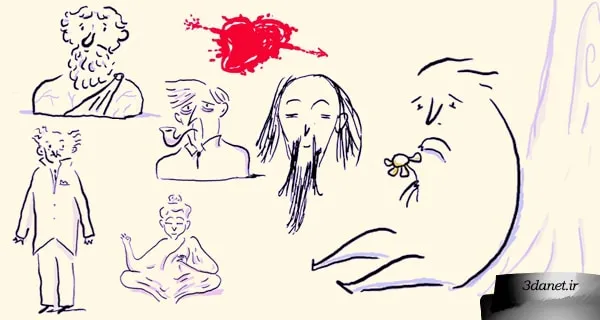
AuthorThe spectacle of love has two players: the lover and the beloved; masculine history has generally assigned the leading role to the man and the second role to the woman, and between these two there is a great difference. Everything shows that the lover is a great actor; he is the hero. His ability to capture feeling and transmit it is unparalleled. It is the lover who is active, all action, filling the stage entirely with his own action; he feverishly burns, weeps, wails, runs and falls to the ground and rises and runs again; he praises, sings odes, exaggerates. He pleads; even if he is rejected, it does not matter, again and many times over (1). The lover is strong. We all consider him powerful. Though he has been struck by an unseen arrow, he does not know who planted this thirst in his soul, nor when; he comes to himself for a moment and sees that it is already too late: he has fallen in love; and he wanders the beloved's quarter, makes kohl for his eyes from the dust of her street, breathes in the breeze that has combed her hair. If he learns that the beloved is pleased with something, he will go through fire and water to obtain it; he will stake his life. And if the beloved is displeased with something, he roars and writhes and recites epic boasts. He stakes his life, his very life (and what could be more thrilling than this?). He commands the total attention of the spectator. Woe betide when a rival enters the scene: everything is ready for an honorable duel, indeed the most honorable of duels. The spectators all rise to their feet. If you permit, they might even whistle and applaud and cheer: If you are a true lover, do not fear death. But he was already dead. He had seen with his own eyes his life ebbing away. Lovers are the slain of the beloved. So what do they have to lose in a duel with a rival? With this nothingness, another existence begins within him. In this restlessness where he found rest, he discovers his invisible half; the half that reason had concealed. The discovery of this half is accompanied by a sudden liberation, by an eruption of ambiguous energy that works miracles. What is its miracle? It raises the dead (2). And this is the greatest miracle. All epics, arts, and creativity are born here. In the beginning there was nothing, and only the Word was, and love appeared and set the whole world ablaze: that is, it burned both the Book and the words, it made language fiery in temperament. And the spectators, still immersed in the excitement of all this passion, mistake their own hands for citrons and bite them, and this is the peak of a spectacle's triumph and its singular actor. And this is not even the whole matter. The lover is not only a great actor, who performs action-packed feats without a stuntman, blending epic and tragedy and filling the stage solely and entirely with himself, single-handedly riveting the spectator to the very end, but he also appropriates all positive attributes. He is humble, he is sincere, he is brave, he is self-sacrificing and faithful, tender-hearted and kind, a monotheist in devotion and a foe to rivals; above all, his work leads to self-sacrifice, and perhaps even the sacrifice of his life. In a word, the lover is good; he is goodness; he is all goodness. (3)
But what of the beloved? The beloved's position is apparently very lofty. A creature in an ivory tower for whom those activities of the lover, those strivings, those supplications and lamentations, are beneath their dignity. Like a peacock, it is enough for them simply to be, and occasionally to unfurl their crown for just a moment to drive the lover madder, to hold their head high and be pleased with all this self-sacrifice done for them, and sometimes, with a frown or a coquettish glance or a scowl or a smile, to be the main agent and energizing source of all the excitement with which the lover has filled the scene. The beloved, it seems, is a deity seated upon the peak; they are the one to be desired. Everything is them and from them, and the lover, of course only in appearance, is nothing but a puppet and a plaything whose strings of self-sacrifice are tied to the corner of the beloved's eyelashes, eyebrows, lines, and beauty spots, and who leaps and bounds with the beloved's small, half-hidden movements. The claim is such that if the beloved did not exist, and if, by their mere being—a calm and static being befitting them, and an occasional coquetry—they did not set the fire of love's temple dancing, the lover's volcanic eruption would freeze and die in an instant. That is why it has been said that the beloved is alive and the lover a dead one; it has been said that the beloved is the whole and the lover a mere veil. But hear it from me: these are man-made lies. I am in no way seeking to propagate an extremist, misandrist feminism regarding the love between men and women. When I say man-made lies, I do not mean a form of conspiracy and deception. Human history, for whatever reason which is not the place to discuss here, is a masculine history. That is, everything, and more than anything else, art, and especially poetry, stories, and painting, has been seen and made through the eyes of men and the male gaze, which for whatever reason has been considered the norm. Our duty compels us to show the hidden half as well.
The poem that says the beloved is alive and the lover a dead thing, or that the beloved is the whole and the lover a mere veil, is true of God or any transcendent spiritual being, and indeed this is what the mystic poet intended. But the crucial point is that in the love between man and woman this very feeling exists intensely, while the relationship is, in fact, almost inverted. Let us just look at the matter from a slightly different angle and see what we see. It is the beloved who is nothing more than a dead thing and a veil, not the lover. The woman, who generally plays the role of the beloved, what exactly is she in this drama? First, she is dead, because almost no action is initiated by her. She is not active; she is passive, and the ultimate passivity is death. Unlike the lover, who is all movement, the beloved is merely a blessing. The custom of lover-slaying and the manner of city-turmoil was a garment sewn to her stature. How interesting! It does not say this custom was an activity and a task the scriptwriter had assigned to her. It says it was a garment sewn to her stature. That is, it was not something she had to do; it was her very being and creation. That is, they had made her in such a way that she needed no action; she only had to be, nothing else was required. Can a better interpretation of deadness be claimed for such a role? They say that as long as there is feminine coquetry, there is also masculine restlessness, but women certainly do not need to do anything for coquetry. They are such that their very being is coquetry. Second, she is a veil: I beheld your countenance, and neither reason remained nor my senses. The woman, the beloved, is nothing more than a countenance; just like a classical painting, whether the painting is with words in a ghazal or with colors and designs on a canvas, the entire discussion consists of the cypress stature, the deep dark eyes, the enchanting narcissus, the arch of the eyebrow, the ruby lip, the black mole, the dimple of the chin. Is this anything more than a veil? If you but cover your face, the sedition will cease; it is enough for the beloved's face to be covered for the sedition of love to end. That is, she is a veil and a countenance. Of course, we might recall that there is also talk of the beloved's coquetry, charm, and graceful gait; in that case, it is enough for a breeze to blow upon that veil, and everything is in order. This comedy becomes tragic when we turn to attributes; I mean the attributes of the beloved versus the attributes of the lover. I said before that not only did all the actions, full of danger, anxiety, dynamism, peaks and troughs, running and not arriving, and filling the stage single-handedly, belong to the male lover, and the woman, the beloved, merely formed a part of the stage decoration, the role of a beautiful painting hung on the wall, but the lover also possessed a great many positive attributes. And now I add that in the game of lover and beloved, almost all the best attributes are monopolized by the man, and generally the worst attributes are stuck to the woman's forehead. If the lover is adoring, honest, forthright, brave, self-sacrificing, faithful, tender-hearted, kind, a connoisseur of the unique, rival-slaying, and altruistic, the beloved, in contrast, is indifferent, heedless, conceited, arrogant, ungenerous, intolerant, unfaithful, stone-hearted, merciless, cunning, a sorceress, and even a murderer. And the wonder is how a being who has the role of a supernumerary and is nothing more than a role, a veil, and a dead thing, can, in her imposed stasis, be so harmful! (4) Women have usually been the beloved. And some have thought this is a lofty station. The beloved suffers no pain; she is not in burning, anguish, passion, and fire. She essentially has no goal for which she would need to strive. Nothing drives her in any direction. Lovers have always envied the state of beloveds and complained why the lot of fortune has fallen to their name. (5) The position of the beloved is a safe place, and the position of the lover is a perilous place. What could be better than for one party in the transaction of love to enjoy special privilege and right! The most benefit and the least cost. So, apparently, whoever is counted among the beloveds should pride themselves on it more than being in the station of lovers. But this is also something akin to confining women to the home and placing them under obligation by saying they are too delicate, refined, and high-ranking to involve themselves in the issues and problems of work and society. But women have gradually grown more and more weary of home-confinement and have returned this masculine favor to its owners. Women have always been flattered with the idea that it is the beloved who brings the lover from potentiality to actuality; it is the beloved who creates the lover. But in this interpretation, the woman in the position of the beloved is no different from the woman in the position of the mother. A similar flattery exists there too: it is from the woman's lap that man proceeds toward perfection. زنان کم کم مایلند این امتیاز را واگذر کنند. میخواهند خودشان از دامن خودشان به معراج روند و استعدادهای عاشقی خودشان را بروز دهند. میخواهند از آسودگی خویش به نفع تعالی دست بکشند؛ تعالیای که در گیر شدن و کار کردن و شکست خوردن و هزینه پرداختن و تجربه داشتن و رشد کردن و مستقل شدن و به دست میآید. در اجرای عشق هم همین طور است. بسیاری از زنان از اینکه در عشق نقش دوم را داشته باشند، احساس خوبی ندارند. از این که مرد، یا همان بازیگر همیشگی نقش عاشق، صحنه را از خود پر کند و او مجسمهی زیبایی باشد پشت پرده که ظاهراً همه چیز به او بر میگردد و باطناً هیچ چیز، ناخشنودند. میخواهند عاشق باشند نه معشوق؛ فعال باشند نه منفعل. هم نیمی از صحنه را پرکنند و نیمی از هزینه را بپردازند و نیمی از زجر وشکنجهی عاشقی را تحمل کنند، و هم نیمی از تعالی ناشی از عشق را داشته باشند. یک چند هم نوبت عاشقی آنهاست. به قول مادر ترزا، میخواهند دوست بدارند بیش از آن که دوستشان بدارند. از نوع توزیع صفات هم ناراضیاند. تا کی آماج آماده و کلاسیکشدهی انبوهی از ضربالمثلها باشند که بیوفایی و سنگدلی و خونریزی و... را چون تیرهای زهرآلود به سمت آنها پرتاب میکنند؟ تازه آن هم به گناه ناکرده. یک زن اگر از مردی که عاشقش شده، حتی عشقی کاملاً پاک، خوشش نیاید، چه باید بکند؟(6) از گذشته تاریخ، و در قالب ادبیات، مردان نیازمندی و پررویی و توقع و ضعف خود را برونفکنی کرده و گناه آن را به پای زنان نوشتهاند. زنان میخواهند مثل مورد خانهنشینی، مقام معشوقی را هم که در بیشتر موارد، جز مزاحمت و طعنه خوردن و تسخیر شدن و شئوارگی و نابود شدن رهاورد دیگری برایشان کمتر داشته به آقایان مسترد کنند. خسته از این که مأموریت حقیرشان زمینهساز رساندن هرچه بیشتر مردان باشد به مرز شیفتگی و بروز استعدادهای عاشقانهی آنان. چرا که این کار میسر نیست مگر با قربانی شدن معشوق. عاشقان کشتگان معشوقند، البته به مجاز. اما این معشوقانند که کشتگان عشاقند، البته به حقیقت. گاه میان دو تیغهی یک قیچی مردانه: خواستگار مُصرّ و پدر غیرتمند.(7) وقتی که حافظ در سرایشی زیبا وتأمل برانگیز میگوید:
Become a lover, for otherwise one day the world's work will end / Unread, the design of purpose from the workshop of existence
To whom is he speaking? If the design of purpose from the workshop of existence is love—a love that is the essence of activity, risk-taking, and perfection—why should its addressees be only men? Both women and men are the general addressees of such a reminder. Or when Rumi, in a similar composition, says:
Die, die, in this love die / When you have died in this love, you will all receive spirit
To whom is he speaking? It might be said that in these instances, divine love is meant, and therefore women and men are equally its addressees. In that case, one could say: theorists of divine love have also said that love between man and woman is a bridge to attaining divine love. Thus, in this way, the manner of loving should still not fall into the blind trap of gender. Everything is equal. Women are waiting for their turn at loving to arrive. But what is women's loving like? It is not like men's loving. If women were to emerge from being merely the beloved and also take on the role of the lover, what would happen? Would women compose ghazals and praise the stature, height, eyes, and eyebrows of men, and weep and lament in their separation? No. (Exceptions can be overlooked.) Because feminine love, without claiming to ignore the body, goes beyond it. A woman in the position of lover is reflective and hesitant toward man. Because, unlike most men, she does not have such a fire of passion for outward appearance in her soul that she attacks without reflection, recklessly, and directly. She seeks more to place moral, behavioral, and intellectual virtues alongside physical beauties so that she can practice loving. If women and men were to emerge from the two infinities of belovedness and loverhood, step toward each other, and in a balanced scenario, regularly switch places with one another, a more delicate world might perhaps come into being. The one-way road of coquetry and supplication causes dangerous accelerations; making this road two-way is accompanied by caution and a greater probability of safe speed.
.
.
Notes:
1_ About Farhad:
Once you wept for him bitterly / After weeping, you offered many apologies
And from there you climbed the mountain's crest / Carrying the burden of sorrow on your back
You gazed toward the palace of the heart's ease / Saying mournfully, O cypress of rose-like form:
Brighten the heart of one who has refined his liver / Teach a task to one who has fallen from work
Fulfill the desire of the desireless / Fulfill the hope of the hopeless
2_ I was weeping, I became laughter; I was dead, I became alive / The fortune of love came, and I became an enduring fortune.
My heart found the radiance of the soul, it opened and split / My heart wove a new satin, I became the enemy of this tattered garment
3_ The numerous examples in the following verses are noteworthy.
I am a lover, a rogue, and a gazer, and I say it openly / So that you may know I am adorned with these many arts
Since He said, "Desire death," O truthful ones / I am truthful, I will scatter my soul for this
My eye is sated, my soul is bold / I have the gall of a lion, I have become a shining gall
That stranger sought the high part of town / Saying, "I will sleep in this mosque tonight"
I am beyond doubt and certainty / And my head does not turn away from blame
There is not a hair's breadth of fear in the creed of love / All are sacrificed in the presence of love
(In all verses, the intended subject is the male lover)
From the tongue of Layla about Majnun:
Though he is the target of pain / He is not, after all, a woman like me; he is a man
In the way of love, he is agile / For he fears no one
He does not diminish under torment as I do / His foot goes wherever he wishes
Wretched, friendless me, who for a moment / Cannot speak boldly to anyone because of this sorrow
I fear that from ignorance and inexperience / I become a stranger to good repute
4_ The numerous examples in the following verses are noteworthy.
When the rose laughs in your face, O nightingale, do not fall into its snare / For there is no trust in the rose, even if it possesses worldly beauty
I have a difficult task in love / For I have bound my heart to stone, stone upon heart
In her noose-like tresses, O heart, do not writhe, for there / You will see heads severed without crime and without sin
A woman does not stake what she loses / She does not fashion aught but deceit from what she makes
The love of Sudabeh, the ill-natured one, / Lifted the royal crown from your head...
For him who is the elder of the assembly / A shroud is better than the command of a wife
Siavash was ruined by a woman's words / Blessed is the woman who was never born of a mother
Woman and dragon, both are better in the earth / The world is purer from both these impure ones
5_ Ill fortune has also seized my skirt / For this wretchedness has taken hold within me
6_ You yourself know that you will not remember me / For you remember a beloved better than I
7_ When Mehrab heard this, he sprang to his feet / He placed his hand upon the hilt of his sword
He kept saying, I will spill Rudabeh's blood / Upon the face of the earth right now
.
.
Source: Madreseh Quarterly, Year Two, Issue Three. Ordibehesht 1385
Weary of Being the Beloved
Mahboubeh Paknia
.
.


Discussion7 comments
بار دیگر نگاهی متافیزیکی به عشق، که تنها به کار شاعرانگی می آید... "شاید" این درست باشد که: زنان را "چنان آتشی، از اشتیاق نسبت به ظاهر مردان، برجانشان نیست"، ولی احمقانه ترین حرف و پوچ ترین ادعا این است که: زنان در مردان به دنبال "کمالات اخلاقی و فکری" هستند.. کافیست کمی در اطراف خود تامل کنید، خواهید دید که تنهاترین مردان در اجتماع، همین مردانی هستند که واجد اینگونه کمالات فکری اند.. در ناخودآگاهِ زیست جهانِ فکریِ اکثریتِ زنان، نه تنها حضور این فضائل در معشوق، فریبنده، جذاب و خوشایند نیست، که در عمل همچون علائم بیماری ای "کریه المنظر" دافع و گریزاننده است... شاید یکی از عمیق ترین جملات در این باره را "سیمون دو بووار" به قلم آورده است که: "اگر روزی فرا رسد که زن، نه از سر ضعف، که با قدرت عشق بورزد، دوست داشتن برای او نیز، همچون مرد، سرچشمهٔ زندگی خواهد بود و نه خطری مرگبار"... ولی تا فرا رسیدن آن روز، هرگونه پیشداوری و پیشبینی درمورد چیستی و چگونگیِ آن عشقِ زنانه، خود چیزی نخواهد بود جز: خیال بافی ای تجویزی، آرزو اندیشانه، شاعرانه و جنسیت زده...
لو سالومه معشوقۀ نیچه نه تنها بسیار اغواگر بود بلکه از لحاظ فکری نیچه او را می ستود. در واقع سالومه نه فقط با اغواگری بلکه به خاطر صفات فکری و توانایی هایش جذاب بود. امروزه هم همه می دانند که دختر باهوش و البته تا حدی زیبا دل از هر کسی می برد. ولی دختر بسیار زیبای کودن جذابیتی ندارد.
ازکجامعلوم که هرعاشقی صادق است؟این نوشته من را یادپسرهای احمقی می اندازدکه به اسم عشق روی صورت دخترهای بيچاره اسید میریزند.
اگرمعشوق خردمندوداناباشد,عاشق احمق راانتخاب نمی کند. معشوق هیچ وقت خسته نیست,عاشق هميشه خسته است.
یادِ جمله ای از دوبوار افتادم:اگر روزی فرا برسد که زن، نه از سر ضعف، که با قدرت عشق بورزد… دوست داشتن برای او نیز، همچون مرد، سرچشمهٔ زندگی خواهد بود و نه خطری مرگبار
سپاس بابت این نوشتهی انتقادی در باب مقام معشوق. از قضا نگاه متعادلی که در پایان نوشته بیان شد، با واقعیت جهان تطابق بیشتری دارد. چه آن که مرد نیز نیاز به دوست داشته شدن دارد. و این گویی ادامهی داستان پرحلاوت عاشقیست که معشوق نیز در جایگاه عشقورزی قرار گیرد. البته منکر این حالت نیستم که معشوقان امروزی، بعضاً مایلند در عشق حتی پیشگام شوند. که البته خیر و شر این حالت را باید به تجربه دید و ای بسا که برای هر عشقی مقصدی متفاوت مقدر باشد. باز هم سپاس بابت نوشتهتان.
ظاهرگرایی و نگاه مادی صرف به عالم عشق و تعریف و تفسیرهایش، چنین دیدگاهی را پیش می آورد. در عین حال که راه برای عاشقی بر هر دو جنس باز است. بسم الله...