Religion
What Does Religious Intellectualism Stand For?
Seddiq Qotbi sees religious intellectualism as a form of religiosity that separates the truth of religion from its historical layers and regards ethics as independent of it. Religion neither replaces science nor legislates; rather, it is an invitation to spiritual transcendence aligned with freedom and democracy.
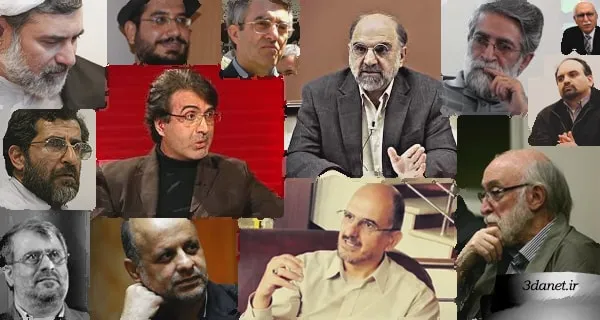

Seddigh Ghotbi
AuthorSeddiqeh Qotbi: It seems to me that among religious intellectuals, despite all the differences of opinion and diversity of interpretations, one can find common threads and unique core themes. Here, I will articulate my own understanding of the characteristics of religious intellectualism:
▪One.
Religions are, more or less, the offspring of their founders' connection with the spiritual dimension of the world, and what we possess under the name of a religious text is the product of the contact that the founder of the religion had with the transcendent or the sacred reality. Therefore, religion does not take the place of science, nor of philosophy, nor of art. Science, philosophy, and art each access certain frontiers of the world through their own special methods and then, with their own language and logic, allow us to share in their approaches. The different nature of religions from other human ways is such that it leaves no ground for conflict. What we know as the conflict between science and religion or the conflict between philosophy (rational approaches) and religion is, in truth, the conflict of the historical and accidental dimensions of religion with science and philosophy. The truth of religion, which is the offspring of contact with the spiritual dimension of the world, does not crowd out other ways of looking at the world.
▪Two.
The primary mission of religion is to draw our attention and turn our gaze toward the sacred truth and the transcendent reality of existence. It is a call and a summons that seeks to remedy our spiritual slumber. It is an invitation to transcend material and self-centered calculations and the lower orders of existence toward realms that are brighter, more transcendent, and more meaning-generating. The main mission of religions is to turn our attention from the cocoon of the self and self-interested, materialistic relations to a higher existence, and in a word, to call us to "faith." The soul of religions is the invitation to the transcendent realm, and the core of religion is the cure for our spiritual slumber. The rest are husks, metaphors, forms, coverings, and historical molds that were meant to serve that precious soul. Hence, most of the stories, metaphors, belief systems, and social instructions are, by nature, outside the mission of religions. The fruit of this view is religious intellectualism's significant attention to faith, spiritual transcendence-seeking, and the meaning-giving and soul-nourishing property of religion, rather than to "theology" or "jurisprudence." Thus, the ethical and mystical dimensions of religions are placed at the center of religious intellectualism's concern.
▪Three.
Since the mission of religion is to create a "relationship" with the spiritual dimension of the world, and a deep and authentic relationship is a natural, free, and spontaneous outpouring arising from the totality of an individual's being, one cannot and should not seek to expand or deepen religion in people's consciences through coercive mechanisms and the application of external pressures. Religion is the conquest of souls and is not achieved by overpowering bodies. Thus, religious intellectualism considers the truth of religiosity to be an individual matter, arising from the individual's awareness and choice, and opposes any use of force and pressure to support religion. In the understanding of religious intellectualism, the establishment of religion is not realized through religious government. The establishment of religion is the glorious presence of God within human beings, not symbolic and identity-forming ornaments and appearances in the public sphere. Thus, religious intellectualism inclines toward individualism, individual freedoms, and social and political relations appropriate to the nature of faith, and one can loosely call religious intellectualism a liberal religiosity. The nature of religious intellectualism's view of the truth of religion, faith, and spiritual transcendence necessitates that it be a supporter and advocate of democratic mechanisms and faithful to freedom.
▪Four.
Since religious intellectualism views religions as valuable sources alongside other sources of knowledge, it is not single-sourced and does not consider itself independent of humanity's epistemic endeavors in various fields. Yes, other religious people also refer to other sources of knowledge, but they measure and judge everything under and in the shadow of their religious perspective. Religion sits in the highest seat of judgment and has an indisputable decree over other realms. In the understanding of religious intellectualism, the various fields of thought and culture must be in dialogue and exchange with one another. One is not seated at the head and the other subordinate. Thus, religious intellectualism pays special attention to philosophy and world literature and strives to see and accept religion as one window alongside other existing windows. Rationalism, parallel to religious meaning-seeking, is among the attributes of religious intellectualism.
▪Five.
Any contact with the transcendent, when reported to us, takes on the hue of the experiencing individual’s subjectivity, historical elements, culture, and language. What we possess under the name of religious texts is the joint product of the colorless, sacred realm and various historical colors. The era in which the founder of a religion lived, the language they spoke, the cultural myths and metaphors they inhabited, their individual characteristics and psychological type, the scientific achievements of that day, and many other things have left their mark and role in the account and narrative of the text’s author. That said, religious intellectualism pays special attention to tracing the historical elements of religions. Religious intellectualism strives to distinguish the fundamental message of religions from its historical coverings and linings. Religious intellectualism holds that what most believers consider the requisites and necessities of religion are, in truth, the historical exigencies of religion and cannot be efficacious for all times. Much of what, in the view of the general faithful and the custodians of religions, is regarded as the indisputable requisites of religion is, from the perspective of religious intellectualism, discardable.
▪ Six.
Ethics precedes religion and is independent of it. Before turning to religion, we possess valid ethical perceptions, and it is by referring to them that we can accept the testimony of the founders of religion and give our hearts to it. God is a moral being, and divine and religious teachings cannot be at odds with the prevailing understanding of humanity regarding justice and ethics. Ethics is the arbiter of religion and the arbiter of religious understandings and inferences. Wherever an understanding or inference from religion clashes with the general public’s perception of the requirements of justice and ethics, it is a sign that that religious teaching or belief belongs to historical accidentals and not to the fundamental themes. Religious scholars must align their understanding with the evolving and developing human understanding of justice and ethics. Ethics and justice are not only the sole measure for verifying the truth and validity of religious claims, but they are also the arbiter and overseer in understanding and inference. Believers must reconcile their religious understanding with the more or less shared perception of their age regarding the meaning of justice and the requisites of ethics. That said, the ethical rereading of religious inferences is among the characteristics of religious intellectuals. Ethics is independent of religion and the touchstone for the validity of our understanding of religious themes.
▪ Seven.
We must reconsider our expectations and demands of religion. Religious intellectualism does not expect religion to provide answers to all the dilemmas and knots of individual and collective human life. Religious intellectualism lightens the burden of religion. Religions are endeavors to respond to the divine thirst and certain existential needs of human beings, and one should not expect them to offer instructions and laws for all spheres of life. Religion is not law, and one should not expect legislation from it. Social laws and institutions possess a fluid and renewing nature, changing in parallel with the evolution of human life. Religion, of course, proposes grand perspectives and transcendent values and urges believers, in the light of that spiritual outlook, to organize their social institutions and enact laws for themselves based on trial and error and with regard to historical experiences. Religion has not promised an earthly paradise and is not a guarantor of material well-being in this world. That said, attention to the category of human expectations of religion—which is pre-religious in nature—and the reduction of the scope of demands historically placed upon religion can be considered among the characteristics of religious intellectualism.
▪ Eight.
Since religious intellectualism is more concerned with the inner quality of religions and sees the mission of religion not as the presentation of a doctrinal system but as the inner cultivation of human beings to transcend selfishness and experience transcendent realms, it holds a pluralistic view of religions. Although the theological, doctrinal, and metaphysical claims of religions are not identical, and although they possess different linguistic metaphors and ritual practices, they pursue a single truth. The conflicts and differences we see among religions are the product of a network of differing historical contexts, cultural fabrics, and the temperaments and characteristics of the founders of religions, and should not prevent us from seeing that common essence. A common essence that can be called the invitation to faith or connection with a higher realm. That said, religious intellectualism holds a pluralistic view and strives, aside from the theological alignments that have halted at the level of beliefs and metaphors, to behold the single blood that flows in the veins of all religious and spiritual traditions.
▪Nine.
Religious intellectualism believes in the interpretability of religion and pluralism in exegesis. No one can or should consider their own understanding and reading sacred, or regard what they understand as the very will of God. There is no approved, divinely endorsed reading, and all believers must humbly subject their understandings to critique, examination, and dialogue. Not all understandings and interpretations are correct, but neither is there a certificate of approval in favor of any particular reading; therefore, excommunication is a self-serving act. Believers can, and ought to, bring their different understandings into confrontation on an equal footing, refining and correcting them, but since human understanding is fallible, they must not make their own understanding the measure and criterion of disbelief and faith. Thus, the avoidance of excommunication, the shunning of violence, and the recognition of different readings of religion—which entails tolerance and mutual acceptance—can be counted among the characteristics of religious intellectualism.
▪Ten.
Religious intellectualism adopts a meaning-selective and teleological approach to religious sources. It seeks to distinguish eternal values from time-bound methods. It does not accord primacy or intrinsic value to methods, but sees them as historical strategies in support of grand, universal values.
Critics and opponents of religious intellectualism say that their way of engaging with religious sources is selective and an instance of "believing in some and disbelieving in some." The verse from which the above expression is taken should be seen in full:
"Indeed, those who disbelieve in Allah and His messengers and wish to discriminate between Allah and His messengers and say, 'We believe in some and disbelieve in some,' and wish to adopt a way in between" (An-Nisa: 150)
As we see, the verse refers to those who do not believe in all the divine messages. Following their own whims and desires, they accept some prophets and deny others. The Quran says one cannot act in a divisive manner. The core message of all prophets is one, and discrimination and division are not possible.
The content of the verse concerns those who, out of identity-seeking and vainglory, deny and reject other religious traditions, and it does not apply to those who, through a purpose-oriented and teleological method, seek to set aside the historicity of the religious text.
If religious intellectualism sets aside parts of historical religion, it is out of loyalty to the core and spirit of the religious message, not belief in some and denial of some. The engagement of religious intellectualism is not selective and arbitrary but arises from a prior perspective regarding the language of religion, the mission of religion, and humanity's expectations of religion. Disbelief in parts of religion becomes applicable when the person consulting the religious text deliberately denies some religious truths. That is, despite knowing it is God's true will, they turn away from it. Religious intellectualism fundamentally does not have such an engagement. Religious intellectualism seeks to penetrate to the essence of meaning and find a truth that, free from historical impositions, can still be acceptable and applicable for contemporary humanity. The engagement of religious intellectualism with sacred texts is a meaning-oriented, teleological engagement, mindful of historical exigencies, and not an arbitrary one. It examines to what extent what is in the holy book was influenced by its historical context and time, and where it contains an eternal, radiant message.
Can one believe in the meaning-giving capacity of religions and also in democracy, freedom, human rights, the modern understanding of justice and ethics? Can one be faithful to the essence of religion and also remain open to philosophy and art? Can one have faith and simultaneously reason boldly? The answer of religious intellectualism is yes.




Discussion21 comments
روشنفکری دینی مقوله من درآوردی هست که امثال سروش ،شریعتی و کدیور در سالهای دهه ۴۰ و ۵۰ بهش گرفتار شده اند. دین درکل با روشنفکری و روشنگری تعارض دارد ولو اینکه مثل علی شریعتی که آثار دینی و اسلامی اش سر به فلک زده بتوان کنار همسر مینی ژوپ پوشیده اش در پاریس قدم زد.
خیلی عالی ممنون از مطالب عالی سایتتون
درود هیچ تعریفی از دین نشده وحدود وثغوری مشخص نیست. در مورد اولین گوینده (پیامبران) دلیلی برصادق بودن ارایه نشده .لااقل جناب سروش تلویحن به رویای آن اول شخص گوینده اشاره ای کرده است .شاید دلیلش همان سابقه صداقت (ممکن است مصنوعی وبرای ادعای آتی باشد) نیم اشاره ای کرده .
خوب و جامع بود. تشکر.
به نظر من روشنفکری دینی به طور خلاصه یعنی: بی دینی در غالب دیندار بودن والسلام!
1 ـ روشنفکری « کار فکری » است و دین داری وجه اندیشگی هم دارد . با این تعبیر ، روشنفکری دینی یعنی کار فکری دین مدار که شامل کلام و تفسیر هم می شود . محدودتر از این ، روشنفکری ممکن است کار فکری انتقادی ( نقد باورهای ریشه دار و رایج و مستقر و مسلط به ویژه در سطح همگانی ) تعریف شود ؛ بر این اساس « روشنفکری دینی » کار فکری ناقدانه ِ مقید به مبانی دینی است . تا این جا عناصر این عبارت متضاد نیستند . تضادی اگر هست در مصادیق است : تضاد باور به تحول انواع و خلق الساعه بودن انسان و ... در این موارد هم باید در نظر داشت که ابهام و تضاد ویژگی عادی اما ناپذیرفتنی بافته های فکری است امری که مانند زندگی بی درد ، خواستنی و نشدنی است ! 2 ـ روشنفکری دینی به عنوان کار فکری دین داران مقید به دین ، از لوازم رویش جامعه است ، زیرا جامعه متشکل از سطوح فکری گونا گون است و نخبه گرایی نوجویانه ای که به این واقعیت توجه نکند ، گور خود را می کَنَد .
اگر فردی که خود را “ روشنفکر دینی” قلمداد میکند، مدعی شود که: آدم ها ملزم به پذیرش هیچ دین و متعاقباً مذهبی نیستند، هیچ فردی که خود را مروّج و مبلغ مذهب میداند، حق تحمیل به هر شکل ممکن به افرادی که نمیخواهند هیچگونه مذهبی را بپذیرند، ندارد و بی مذهبان همانقدر صاحب حق هستند همانطور که مذهبیان، این فرد را میتوان روشنفکر دانست. اما اگر فردی بگوید من روشنفکر دینداران هستم، خودش را با یک مغالطه در مخمصه مضحکی انداخته است، هر چند نزد دینداران روشنفکر تلقی بشود. در دنیای دین دارن روشنفکر بودن امری زیبا و شورانگیز جلوه میکند. اما در عالم بی دیننان بن بستی است که “ روشنفکر مذهبی” را دچار عذاب “الیم” خواهد کرد. آخر کلام اینکه برای آدم بودن لزوماً نیازی به دیندار بدون نیست.
این نگاهی که بیان فرمودید مبتنی بر فرض عقلانی بودن مطلق روشنفکری است و جزمی بودن دین. نه تنها روشنفکری برآمده در تاریخ از رنسانس بلکه حتی فلسفه زیربنایی که به نظر دانشجویان و در بیان و ارائه فلاسفه STRUCTURE و CONTENT ROBUST و موجهی در آن چه به گوش میرسد دارد موفق به ارائه موضعی TENABLE نبوده است. naturalistsفلاسفه طبیعت گرا پس از Greek's seven sages یا 7 پیر دانای یونان که مرجع معرفت آن community بودند این موضع را اتخاذ کردند که mythology را کنار گذارند و بجای deityهای دیگر Zeus, Hera, Poseidon, Demeter, Athena, Apollo, Artemis, Ares, Hephaestus, Aphrodite, Hermes, and either Hestia or Dionysus باور داشتند که طبیعت را بجای میتولوژی بنشانند و بجای توضح باران با اراده زئوس از علل طبیعی استفاده کنند. ارسطو از نظامی از علل مام برد علل مادی صوری غایی و فاعلی . فلسفه علم او حاوی عناصری از تجربه گرایی همراه با مولفه های عقل گرایی است در عین حال این که متافیزیک خاص خود را دارد. فرانسیس بیکن و دکارت در پیشانی تجربه گرایی و عقل گرایی به منطق و فلسه وی تاختند . تجربه گرایی که تا کنون صدها بار در تبیینه های بیشمار ارائه شده. هیوم ، لاک،برکلی(بارکلی)، موریس شلیک، کارنپ، نوراث (نویی رت)، جی ای اِر(آی یر)، کارل پاپر، راسل(در یک دوره)، تا کواین تلاش کردند تبیینی tenable از تجربه گرایی بدهند و مشخص است که تجربه گرایی قابل دفاع نیست. اصولا برون گرایی معرفت شناختی مسائلی جدی در پیش پای ما می گذارد که در بیان بیلر و بونژور منجر به شک گرایی و نفی امکان معرفت می شود. از طرفی عقل گرایی برآمده از فلسفه انگلوساکسون و جرمانیک نیز خود همانند تجربه گرایی موفق به ارائه موضع tenable نمی شود. pragmatism عملگریی چارلز سندرز پرس، جان دیویی، و ویلیام جیمز نیز که مانند طبیعت گرایی معرفت شناخنی به نحوی نفی فلسفه است و در عمل شکست خورده است. در فلسفه مدرن arch projectیکی از مولفه های اصلی مبارزه با متافیزیک بود که هایدگر، نیچه، اگزیست تانسیالیست های فرانسوی موفق به انجامش نشدند. پوزیتیویسم اوج علم گرایی و منطق گرایی شکست قطعی خورد. فلاسفه از مبارزه با متافیزیک عقب نشستند و برخی حتی از اراه نظامی فلسفی تبری جستند. چرا؟ پاسخ این است که هیچ راه آزمون نشده باقی نمانده و همگی راه های تجربه شده با شکست همراه بوده. اما جزم الحاد atheism و توهم امکان رد شک گرایی بر اساس عقلی و تجربی ضد مسیحی پسا رنسانسی ریشه ضد دینی و تعصب آمیز است. وقتی به فلاسفه غرب نظر می شود انها تقریبا همگی naturalistهستند با وجود غیر قابل تعریف بودن طبیعت گرایی چه در جایگاه معرفت شناختی، چه در مقام توجیهی، و چه غیر از این. ّمدروز و جلوه رویکردهای رایج و رسمی که پشتوانه ای بغیر از دانشگاه و نه عقل و تجربه دارد در تمامی تجربه ها ناموفق بوده است. این که روشنفکری که تنها عامل تقویت و توجیه سلطه بوده( و در زبان میشل فوکو ابزار قدرت، و در بیان فرانکفورت ابزار توجیه و سپس عامل سرکوب) عقلانی، تجربی، منطقی و قابل دفاع نیست. دین را تحریف شده شناخته اید. دین این چیزی نیست که شما سعی در تحریفش دارید . در واقع روشنفکری و طبیعت گرایی خود " دین" در تعریف شماست. روشنفکری ابزار توجیه سلطه بوده سات. آن را بشناسید.
افرادی که به عنوان روشن فکر دینی قلم می زنند . خوبست سه ویژگی زیر را داشته باشند . 1- خرد ورزی و بینش علمی و عقلانی . 2- احترام به آزادی و حقوق بشر از منظر دموکراسی – 3- احترام به هویت ملی . بنابراین کسانی که به موضوعات متا فیزیک . یا به استبداد زیر پرده دین باور دارند . و بر چهره نیاکان ما لجن می مالند . نمی توانند عنوان روشن فکر دینی داشته باشند .
مگر دموکراسی منجر با احترام به حقوق بشر سازگار است؟ اگر تصور می کنید این گونه است حقوق بشر را تعریف و سپس نشان دهید که دموکراسی می تواند با آن سازگار باشد.
صورت بندیِ کمابیش درستی ست که تناقض درونیِ روشنفکریِ دینی را بیشتر آشکار می کند و در تایید آن دیدگاه که این ترکیب را از اساس نادرست و ناممکن می داند.
جالبه که هم این افراد رو بی بی سی شناسونده. بی بی سی چه سودی از این جریان میبره؟
عالی ممنون از سایت عالی و بسیار مفید شما وموفق باشید
سلام بر جناب صديق قطبی و تشکر از گردانندگان اين سايت مفيد و پربار جمع بندی بسيار خوبی از روشنفکری دينی است. البته اشکالاتی هم که در پستهای بالا ذکر شد، بجاست و خوب است در مقالهای ديگر پاسخی بدان داده شود. نکتهای که روشنفکری دينی از نوع ايرانيش بايد تکليفش را با آن روشن کند، بخش عبادی دين است. بخش معاملات و سياسيات که پيشتر تکليفش را معلوم کرده، عبادات است که اکنون در معرض تشکيکات جدّی است. مثلاً آيا روزهداری در صورتی که کسی به زيانبار بودن آن برسد، میتواند ترک شود؟ يا در کمّيت يا کيفيت آن تغييری ايجاد شود؟ مثلاً زمان آن از سی روز، ده روز بشود؛ در طول روزهای بلند اجازه خوردن سه ليوان آب داده شود؛ از اين بالاتر، اگر مانع کار و کسب فرد میشود يا در انجام وظايف روزانهاش خللی وارد میکند، بهکل رها شود؟ اگر آری، چه کسی حق دارد چنين تغيير کمّی يا کيفی ايجاد کند؟ آيا برداشت خود شخص يا کارشناسی دينی؟ اگر دومی است، کارشناس دينی کيست؟ اين سويه از بحث را پيش کشيدم، چون بر اساس اين نوشته، روشنفکری دينی میگويد: «جانِ ادیان دعوت به ساحت متعالی است و هستهی اصلی دین درمانِ خوابرفتگی معنوی ماست. باقی، پوستهها، استعارهها، شکلها، پوششها و قالبهای تاریخی هستند که بنا بوده در خدمت آن جان گرامی باشند. از اینرو، اغلبِ قصهها، استعارهها، نظامهای اعتقادی و دستورالعملهای اجتماعی، ماهیتاً بیرون از رسالت ادیان قرار میگیرند». عبارت "نظامهای اعتقادی" اشکالی را که گفتم دربرمیگيرد. از سوی ديگر، در نوشته آمده است: «از آنرو که رسالت دین ایجادِ "رابطه" با ساحت معنوی جهان است و رابطهی ژرف و اصیل، جوششی طبیعی و آزاد و برآمده از تمامیتِ هستی فرد است، نمیتوان و نباید با ساز و کارهای اکراهآمیز و اعمال فشارهای بیرونی، در صدد توسعه یا تعمیق دین در ضمیر آدمیان برآمد». طبيعی است که دين اسلام بايدها و نبايدهايی دارد. بر فرض که احاديث را هم از حجّيّت بيندازيم، اين بايدها و نبايدها در مانيفست اصلي اسلام، يعنی: قرآن هم آمده است. تحميل نماز يا روزه يا زکات برای برخی مصداق «اِعمال فشارهای بيرونی است» و اتفاقاً هدف دين هم از واجب کردن چنين تکاليفی «توسعه يا تعميق دين در ضمير آدميان» است. روشنفکری دينی اين تعارض را چه میکند؟ باز هم ممنون
بدرستی دست روی نکته اصلی گذاردید. در کامپاند روشنفکر دینی بایست روی به تعقل اورد و جزم را کنار نهاد . روشنفکر دینی دچار تعرض است. نگاه یونانی چه در اسطوره هایش، چه در نهضت revival of Hellenism و چه در دنباله مدرن و پست مدرنش بهتر است رو به عقلانیت آورد. All the extant evidence points towards a new way out and that's kenar gozashtane jazme gharb va roy Avardane be aghlaniat din ast. َ
شاید با وجود تعارضات بسیار عمیق تر در rationalism , empiricism, و در فلسفه پاسخ دهد . وقتی هیچ یک از مواضع فلسفی و نحله ها موفق نبوده اند تعارض با نگاه شکست خورده مشکلی محسوب نمی شود.
سلام بنا به ادعای نویسنده که هیچ تفسیری نمی تواند جامعیت داشته باشد، بعید می دانم نویسنده ادعا داشته باشد که این متن گویای تمام جنبه های متعدد روشنفکر دینی باشد. علی ایحال متن، نسبتاً جامع و کامل است. به نظرم لازم است، بزرگان روشنفکر دینی، بنشینند و منشور کاملی در تعریف روشنفکری دینی و یا نو اندیشی دینی و همچنین اگر اختلافی بین این دو مقوله وجود دارد بنویسند. گرچه ممکن است نظر واحدی وجود نداشته باشد ولی اجماع در این زمینه راهگشای کسانی است که در این حوزه فکری علاقمند به اندیشیدن، گفتن و نوشتن هستند. در کل، متن فوق قابل تحسین است.
به نظرم نوشته ی خوب و کاملی است و روشنفکری را به خوبی توضیح می دهد. اما دلیلی بر قبولی این مدعاها دیده نمی شود در واقع همه اینها صرفا مدعا هستند.
صدیق قطبی" نازنین در نوشته بالا تلاش کرده است "روشنفکری دینی" را ایضاح نماید. او به 10 "خط مشترک "و "جان مایه ی یگانه" و " تلقی خودش از مشخصه های روشنفکری دینی" اشاره کرده است. او البته تصریحی بر جغرافیای روشنفکران دینی و نیز دین مورد نظر در روشنفکری دینی مورد اشاره اش نکرده است. همین دو مورد عدم اشاره این مفهوم سازی ها را به اندازه ای از مصادیق، مجرد می کند که می توان گفت بدون مصداق می شود.برای مثال در بند 4 مشخصا اشاره به ادیان دارد و البته هیچ تصریحی در ده گانه ی او به آسمانی و یا زمینی بودن دین هم نشده است. آیا در این صورت باورهای "روشنفکری دینی" فرا دینی نمی شود؟ چرا نگوئیم: "روشنفکری فرا دینی"؟ و یا "روشنفکری" ؟
فرموده اید: "ﺍﺩﯾﺎﻥ، ﮐﻢ ﻭ ﺑﯿﺶ ﻓﺮﺯﻧﺪِ ﺍﺭﺗﺒﺎﻁ ﺑﻨﯿﺎﻧﮕﺬﺍﺭﺍﻥ ﺁﻥ ﺑﺎ ﺳﺎﺣﺖ ﻣﻌﻨﻮﯼ ﺟﻬﺎﻥ ﻫﺴﺘﻨﺪ ﻭ ﺁﻧﭽﻪ ﺑﺎ ﻧﺎﻡ ﻣﺘﻦ ﺩﯾﻨﯽ ﺩﺭ ﺍﺧﺘﯿﺎﺭ ﺩﺍﺭﯾﻢ ﻣﺤﺼﻮﻝ ﺗﻤﺎﺳﯽ ﺍﺳﺖ ﮐﻪ ﺑﻨﯿﺎﻥﮔﺬﺍﺭ ﺩﯾﻦ ﺑﺎ ﺍﻣﺮ ﻣﺘﻌﺎﻟﯽ ﯾﺎ ﻭﺍﻗﻌﯿﺖ ﻗﺪﺳﯽ ﺩﺍﺷﺘﻪ ﺍﺳﺖ." این جمله ی اول بند یک است. به نظرم شفافیت ندارد. تماس، امر متعالی، واقعیت قدسی... این اصطلاحات را لطفا باز کنید. تازه بعد از شفاف شدن این ها می شود ادامه ی متن را خواند، شاید.
جمع بندی مختصر و عالی است