Philosophy
Alireza Alavitabar, Intellectualism and Religious Studies in Contemporary History
Alireza Alavitabar sees the religious studies of religious intellectuals in three pre-revolutionary periods, each shaped by the dominant paradigm of its era: from the Constitutional Revolution and the return to tradition, to the Bazargan period with its social consensus, and the Shariati period with its class struggle and radicalism.

In a section of an article published in issue 34 of Kiyan magazine, Alireza Alavitabar wrote: From a socio-political perspective and stance, religious intellectuals, while preserving their independence and distinct identity, have been entirely influenced by the dominant paradigm of each era. In fact, in every period, the positions of Iranian intellectuals were influenced by a paradigm, and this very paradigm demonstrated the similarity between the social functions of religious and non-religious intellectuals.
In terms of the dominant paradigm, three periods can be distinguished before the victory of the Islamic Revolution of Iran. We present each period in the form of a table.
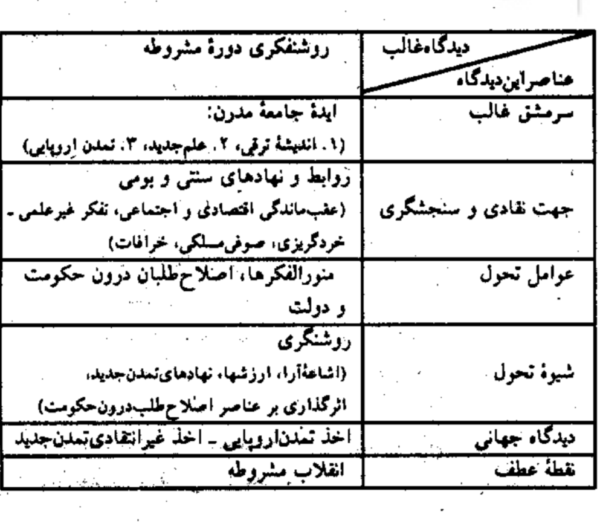
Religious Studies of the First Period: This period coincides with the intellectualism of the Constitutional era, and its most prominent figure is Seyyed Jamal al-Din Asadabadi. The questions posed to religion during this period were not very profound and lacked great diversity; consequently, the answers prepared by religious intellectuals for them were also not very diverse. The main characteristics of the intellectuals' religious studies in this period can be summarized as follows: 1. A return to the tradition of early Islam and purging Islam of superstitions 2. Condemning blind traditionalism and mere imitation
3. Advocacy for Muslim unity and struggle against extreme local and regional nationalisms
4. Struggle against despotism and acceptance of the principles of the new political philosophy oriented toward popular sovereignty
5. Acceptance of modern science and technology and belief in their non-contradiction with religion
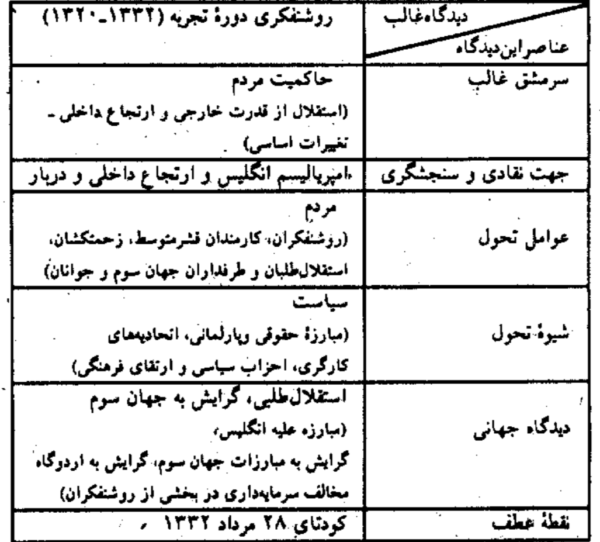
Religious Studies of the Second Period: With the breaking of the cultural-political atmosphere of the Reza Khan era, a hopeful and vibrant environment emerged in Iran's intellectual and social sphere, leading to the production of numerous ideas and social movements; the intellectuals' interpretation of religion also gained depth and various dimensions during this time. The most prominent intellectual Islamologist of this period is Engineer Mehdi Bazargan. Of course, Bazargan is not the only one interpreting and understanding religion in this way; rather, many intellectuals and even clerics are influenced by this paradigm.
The main characteristics of this period in interpreting the concepts, values, and history of religion can be summarized as follows
1. Acceptance of the "naive realism" view as the starting point of epistemology: According to this view, an attainable reality exists, and in the realm of knowledge, the purpose is to reach the truth. The role of the mind in this view is a passive one, reflecting reality like a mirror. (The mirror view of cognition) and reaching the truth without being influenced by the knowing subject's mind, personality, and background is both possible and desirable.
2. Interpreting the Islamic worldview by relying on empirical sciences. In this view, the propositions of empirical sciences are accepted as undeniable truths, and efforts are made to interpret and justify religious concepts and precepts based on them.
3. "Acceptance of the consensus view" in explaining the social system and social relations. From this perspective, shared norms and values are the essential elements of social life, and society is a system composed of coordinated parts with congruent values that constantly maintain their boundaries and live in continuous consensus, equilibrium, and balance. From this view, the values governing any society are the accepted values and indicate a general consensus.
4. An interpretation of Islamic government commensurate with "liberal democracy" in terms of the basis of the government's legitimacy, its method of administration, and its behavioral frameworks. The prevailing interpretation of this period of Islamic government, especially the era of Imam Ali's (AS) rule, is a government of the liberal democratic (democratic-liberal) type.
5. Acceptance of the values enshrined in the Declaration of Human Rights
In fact, the values and socio-political stances of religion were interpreted in accordance with the fundamental values enshrined in the Declaration of Human Rights. Reformism means advocating for politics, changing social, economic, or political life, but with gentle methods and without haste.
Moderate Nationalism: Although religious intellectualism never championed dreamy nationalism and was always opposed to it, during a particular period in the history of thought it aligned with a kind of “democratic patriotism.” A review of the various works published by religious intellectuals during this period on the interpretation of religious concepts and texts reveals the presence of the aforementioned views and beliefs in these sources.
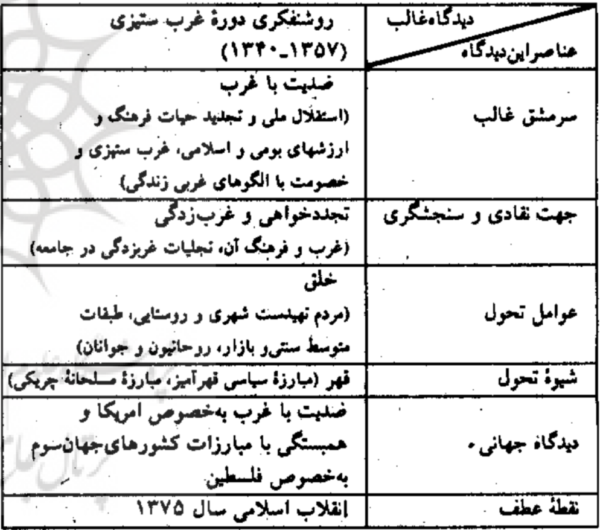
Religious Studies of the Third Period: The third period, which coincides with the era of anti-Westernism as the dominant paradigm of intellectualism, is characterized by a prominent figure such as Dr. Ali Shariati. The main features of the religious-studies outlook of this period can be inferred from the following positions observed in their works.
1. Acceptance of the “naive realism” view as the epistemological starting point; in fact, continuing the tradition, no change had previously occurred in the epistemological perspective.
2. A dialectical and evolutionist interpretation of the Islamic worldview, seeing human nature and society as phenomena in constant motion with internal contradictory aspects that, while maintaining continuity through qualitative leaps, are moving stage by stage toward absolute perfection, are among the main characteristics of the outlook of this era. 3. Acceptance of the critical-conflict view of the social system; opposed to the consensus view is the conflict view. According to the conflict view, society is a collection of permanent contradictions and conflicts between groups, strata, and classes that have opposing interests, goals, and ideals.
Social order is the result of the imposition of the interests and ideals of the rulers upon the deprived and the defeated. Among the proponents of the conflict view, two traditions of theorizing can be distinguished from one another: the critical tradition and the analytical tradition.
Proponents of the critical tradition believe that the social scientist has a moral commitment to intervene and participate in the critique of society, especially of the rulers and the elite. They do not accept the separation of analysis from judgment, or description from valuation. Furthermore, this group believes that a society without conflict can be achieved and seeks to create a utopia in which the grounds for social conflict have been eliminated.
Whereas the analytical-conflict view considers conflict as an inevitable and permanent aspect of social life. Followers of this view are interested in establishing social science with an objectivity similar to the natural sciences and wish to separate description and analysis from evaluation and judgment as much as possible.
Moreover, this group does not compare the current situation with a utopia free of conflict and does not believe in the possibility of such a utopia. The dominant view among the religious intellectuals of this period is the critical-conflict view.
4. Acceptance of a class-based perspective, giving importance to the concept of class and class conflict in understanding religious orientations and interpreting historical and social developments, is another characteristic of the thought of this period.
5. Communitarianism: The religious intellectuals of this period were communitarian in both the social and legal senses of the term. That is, they believed in the predominance of the influence and impact of the environment and society on the individual (while also believing in human free will), and they accepted the priority and precedence of social rights and interests over individual interests and rights.
6. Radicalism. Radical (root) is an adjective for all views and methods that seek fundamental and immediate transformation in existing social and political institutions. Religious thought among intellectuals was predominantly radical and stood in opposition to moderation and conservatism.
7. Global orientation and anti-imperialism. The dominant view of religious intellectuals in this period divided the world into two poles, center and periphery, according to dependency theory, and saw national salvation as impossible without breaking the global domination of imperialism. In fact, they had transnational horizons and sensitivities and saw themselves engaged with an enemy on a global scale.
8. An interpretation of Islamic government suited to guided democracy. In this period, Islamic government, in the minds of intellectuals, is on the one hand a government with limited and accountable power, and on the other, it bears the mission of leading society toward the utopia.
What can be said about the current situation and future of intellectuals and religious intellectuals? With the brief look we have taken at their historical background, can we discuss their present condition and predict their future? One cannot speak with certainty on this matter, but I will try to briefly outline one of the possible alternatives, which I believe is the most probable and, at the same time, the most realistic, perhaps thereby providing an opportunity for further dialogue. I call the current period of intellectualism and its near future the period of "Reappraisal."
In the realm of interpreting and understanding religious concepts, which is specific to religious intellectuals, one can also speak of the predominance of several tendencies and perspectives; tendencies and perspectives under whose shadow and influence the understanding and interpretation of religion takes place. Some of these elements are as follows:
1. Acceptance of "critical realism" as the epistemological starting point. Although critical realism believes in the existence of reality and its attainability, and considers the goal in the field of knowledge to be the attainment of truth, it firstly does not see the mind and the knowing subject as merely passive and mirror-like, and considers knowledge to be the result of the mutual influence and interaction between the knowing subject and the object of knowledge (the perspectival view in knowledge). Secondly, it considers knowledge to be a complex matter and believes that one cannot easily speak of complete and absolute knowledge. 2. A unified approach to the three distinct domains of religion, philosophy, and science. The new approach of religious intellectualism, while accepting the independence of the three distinct domains of religious insight, philosophical thought, and scientific perspective, employs a unified approach in all three domains, which is critical rationality; a rationality that both engages in critique and critical assessment and is aware of its own limitations.
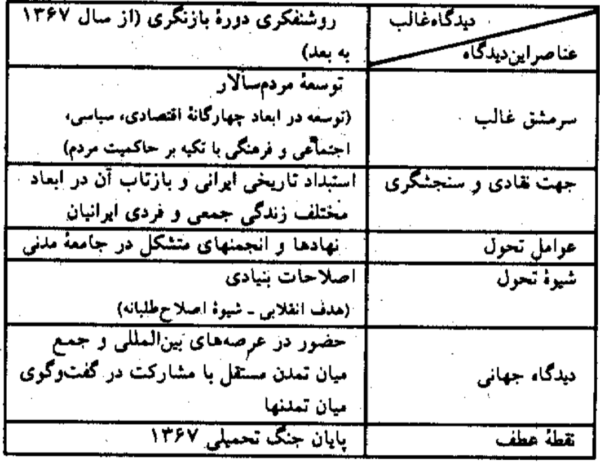
3. Acceptance of the analytical conflict perspective or the "synthetic" (consensus-conflict) perspective regarding Islamic human society. 4. An interpretation of non-liberal democracy suited to government. In this interpretation, Islamic government, although a form of democracy, is not liberal and relies on a religious society concerned with the sovereignty of religious principles and values.





Discussion6 comments
در باب فلسفه ی غرب ایشان طی اشتباه و مغالطه ای از یک طرف آورده اند خطوطی کلی که در فلسفه ی غرب جریان دارد رد انکار استنتاجات عقلی از مشاهدات و تجربیات و طبیعیات است و اما در جمله زیر همین بند به عقل گرایی ضد وحی باوری دکارتی و کانتی اشاره کرده اند که نتیجه اش ضدیت با باور منجر به انزال وحی بوده است . این که بسیاری از دانشمندان غرب به این دلیل آتئیست یا خداناباور بوده که به فلسفه و یا استنتاجات عقلی برآمده از طبیعت اهمیت نداده اند و لذا به آتئیست و الحاد و طبیعت گرایی و فیزیکالیست صرف کشیده شده اند آن چه که ادعای آقای امیر در اینجاست اگر چه می تواند تا حدی درست باشد اما این چه ربطی به وحی و خدای مطلق و کامل مورد ادعای ادیان ابراهیمی و دینداران و اثبات چنین خدایی و جهان بینی مبتنی بر آن دارد ؟
آن گونه که من از صدا نت و همچنین دسترسی بسیار محدود که به نگاه مسیحیت و perspective دین داران کشور شما داشتم، استنتاجی اولیه در ذهن من برای من صورت گرفته (استنتاجی که معیوب است و خود می دانم محتاج مطالعه و شناخت کامل و تدقیق کامل است ) که فلسفه روحانیون در ایران و فلسفه غرب به غیر از اشتراک لفظی واژه فلسفه در یک juncture یا point of divergence نقطه افتراق از هم جدا می شوند: تکیه روحانیون و مسلمانان برعقل و تکیه بخشی از یونان به شکل vestigial و ابتدایی و فلسفه آنگلوساکسونی بر طبیعت ، تجربه و experiential impression تأثیر ذهنی از تجربیات. اگر به تاریخ فلسفه از دیدگاه meta-philosophyنظر کنیم متوجه می شویم که تأکید بر طبیعت ، حس و آنچه دیده شنیده و لمس می شود و رد عقلانیات از جمله مواضع عقلی متافیزیکی محل تلاش فلاسفه غرب بوده است تا جایی که حتی برخی از وجود نظریه در علم اکراه داشتند (پوزیستیویست های منطقی). حال metaphilosophical فرافلسفی که نگریسته شود ، یک streak یک contourخطوطی در فلسفه غرب جریان دارد که همگی از رد و انکار استنتاجات عقلی از مشاهدات و تجریبیات و طبیعت حاصل می شود. از ضد اسطوره گرایی anti-mythologism و naturalism طبیعت گرایی و انکار خدا و الحاد، و عقل گرایی ضد وحی باوری دکارتی و کانتی ، تجربه گرایی هیومی ، و پوزیتیویسم ، logical empiricismو فیزیکالیسم و غیره همگی در تلاش برای ارائه موضعی تجربی و طبیعت گرا بوده اند و هگی ضد مسیحیت و باور نتیجه گیری منجر به باور دین(حاوی ادعای انزال وحی) بوده اند. اگر تعصب ضد-ضد گرایش متعصبانه فلاسفه ترجمه خوان و عاشق و واله و شیدای دیکته اندیشه غرب را برای لحظه ای با اجازه عاشقان فلسفه یونانی و انگلوساکسونی به نتیجه کار این فلسفه بنگریم می بینیم که در اجرای این برنامه تحقیقی خود موفق نبوده است. همیشه به مشگل خورده است. اما این را نمی پذیرد. از اسطوره بارای اشکالاتش ایراد می گیرد اما از شکست بینهایتن مواضع فلسفه غرب لحظه ای به alternative جرات ندارد فکر کند. Bealer در The myth of knowledge افسانه معرفت و مقالات متعدد , Bonjureبونژور در مواضع epistemological معرفت شناختی خود و مواضع ضد توجیه تجربه گرا این barrage باراژ یا سد توجیهی و معرفت شناختی پروژه فلسفه انگلوساکسونی را delineate تشریح مفصل کرده اند. دگماتیسم تجربه گرا ، طبیعت گرا و فیزیکالیست و بی شمار مواضع فلسفه علمی و فلسفی موجود از پذیرش غیر قابل دفاع بودن تجربی بودن پذیرش خود گزاره مشاهدتی موردی که مثلا شیء Aدر زمان T اسقاط شد ، اکراه دارد و فرار می کند. اگر متوجه بشویم که حتی forte نقطه قدرت تجربه گرایی خود قابل توجیه، قابل دفاع ، قابل پذیرش نیست آنگاه به عقلانی بودن impression ها،تجربه ها و overall theory و weltanshauung نگرش خود به کل عالم متفتن خواهیم شد. در این نقطه است که فلسفه دین روحانیت کشور شما توجیه عقلی و بلکه تجربی خود را شاید بیابد.
توماس نیگل یکی از فیِلسوفان معاصر آتئیست یا خداناباور آمریکایی است که در کتاب " ذهن و کیهان " خود ماده گرایی داروینی را نقد و رد کرده است . از نظر وی ماده گرایی داروینی و فیزیکالی صرف قادر به توضیح چگونگی برآمدن حیات و ماده و جاندار مادی متفکر و خودآگاه از دل ماده ی بی شعور نبوده و قابل دفاع و توجیه منطقی نیست . همین امر سبب شده است که وی ماتریالیسم و ماده گرایی و طبیعت گرایی صرف مادی را نپذیرد اما در عین حال خداباوری و اعتقاد به وجود خدا را هم چنان قبول نکند و به سمت نوعی طبیعت گرایی غیر مادی یا جان باوری و جاندارانگاری ماده ( Animism ) برود . پلانتینگا فیلسوف مسیحی و از قائلان و طرفداران فرگشت الهی نقدهای نیگل به مشکلات ماده گرایی داروینی را موجه می داند اما می گوید که نیگل باید برای پاسخ به این چالش به خدا ایمان بیاورد . هرچند که پلاتینگا دگماتیسم خداناباورانه نیگل را نقد کرده و از وی می خواهد که به خدا ایمان بیاورد که شاید تا حد زیادی درست باشد اما خدایی که مد نظر وی است بیشتر شبیه خدای ادیان ابراهیمی است و استدلالهایی هم می آورد نادرست بوده و یک مغالطه است . دلیلش هم این است که بسیاری از ادعاها در باب ماهیت خدا و صفاتش و این که چگونه است قابل اثبات عقلی نیست و شکست تجربه گرایی و فیزیکالیست صرف و طبیعت گرایی و حتی ماده گرایی و ماتریالیسم و همین طور براهینی که فیلسوفان از جمله فیلسوفان مسلمان آورده اند صرفا و در نهایت می تواند اصل وجود خدا را ثابت کند و حتی قادر نیست وجود خدای متشخص مطلق و کامل مثل خدای ادیان ابراهیمی را که با وجود مقولاتی مثل شرور به خصوص شرور گزاف در جهان نفی و رد می شود ثابت کند دیگر چه برسد خدای شارع و نازل کننده وحی و این داستان ها. آنتونی فلو هم از رهبران برجسته ی آتئیست جهان که بعد از عمری الحاد و خداناباوری در سنین کهنسالی خداباور شد و کتاب نوشت و خداباوری اش ضربه ای به خداناباوران بود برای این که دینداران و پیروان خدای ادیان از خداباوری اش سوء استفاده و تبلیغ نکرده و ابهامات را رفع کند صراحتا اعلام کرد که به خدای ادیانی هم چون اسلام و مسیحیت اصلا اعتقادی ندارد . در همان عصر روشنگری در مغرب زمین هم برخلاف قرن نوزدهم و به خصوص بیستم که آتئیسم و خداناباوری به اوج رسید ما شاهد رونق و اوج دئیسم که یک خداباوری عقلانی مبتنی بر انکار خدای فرستنده وحی و شریعت و معجزه گر و خدای ادیان است بودیم . اما دینداران مثل همین پلانتینگا با مغالطه و دگماتیسم می خواهند بر مبنای این اشکالاتی که احیانا دامن گیر فیزیکالیسم و طبیعت گرایی است و براهینی مثل علت و معلول و اینها و استنتاجات عقلی که طبیعت گرایی و فیزیکالیسم صرف را رد می کند که در مورد آنتونی فلو و یا حتی نیگل خداناباور شاهد بودیم که این اشکالات و استنتاجات عقلی نهایتا بتواند وجود یک خدای فلسفی و کلی که خیلی از جزئیات آن هم معلوم نیست را ثابت کند ؛ آمده اثبات مفهوم کلی خدا را به جای خدای دین مورد نظرشان جا بزنند که این جز مغالطه گری نیست و در عقل و منطق جایی ندارد و راه به جایی هم نخواهد برد .
در باب فلسفه ی غرب ایشان طی اشتباه و مغالطه ای از یک طرف آورده اند خطوطی کلی که در فلسفه ی غرب جریان دارد رد انکار استنتاجات عقلی از مشاهدات و تجربیات و طبیعیات است و اما در جمله زیر همین بند به عقل گرایی ضد وحی باوری دکارتی و کانتی اشاره کرده اند که نتیجه اش ضدیت با باور منجر به انزال وحی بوده است . این که بسیاری از دانشمندان غرب به این دلیل آتئیست یا خداناباور بوده که به فلسفه و یا استنتاجات عقلی برآمده از طبیعت اهمیت نداده اند و لذا به آتئیست و الحاد و طبیعت گرایی و فیزیکالیست صرف کشیده شده اند آن چه که ادعای آقای امیر در اینجاست اگر چه می تواند تا حدی درست باشد اما این چه ربطی به وحی و خدای مطلق و کامل مورد ادعای ادیان ابراهیمی و دینداران و اثبات چنین خدایی و جهان بینی مبتنی بر آن دارد ؟
در جوامع دینی که دین و سنت دینی ستبری دارد برای گذار به تجدد و مدرنیته روشنفکری دینی یا نواندیشی دینی بسیار با اهمیت و مهم است .
مدرنیته بر آمده از مبانی و سنت فکری است که یکی از tenet های آن anti-spiritualism انکار وجود روح در ontology خود است. مدرنیته antithesis موضع و تز مخالف وجود جهانی غیر مادی و یا فیزیکی است. روشنفکری دینی نمی تواند گذار به مدرنیته داشته باشد زیرا از مقومات مدرنیته الحاد و انکار Revelation و ادیان مبتنی بر نبوت و ارسال واسطه انسانی به عنوان پیامبر است. این نگاه self-defeater خودشکن است زیرا حاوی گزاره وحی رخ داده و وحی غیر ممکن است (با توجه به نگاه ضد spiritualist)است.