Philosophy
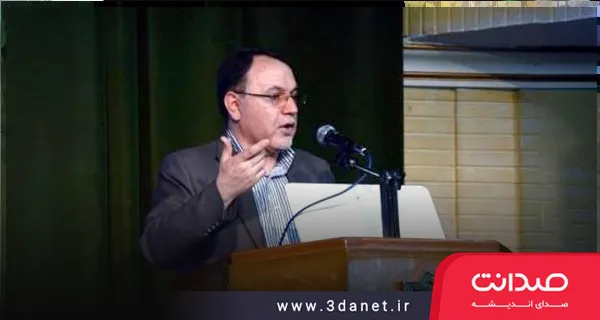
Alireza Salehi's Lecture: 'The Iranian-Islamic-Greek Tradition of Virtue Ethics'
Virtue ethics has a long history in Iranian, Islamic, and Greek traditions, yet we know relatively little about the philosophers' views on the art of living and happiness. Alireza Salehi's lecture examines the characteristics of this tradition through Avicenna, Saadi's practical wisdom, and its shortcomings.

Virtue ethics has a long history in the Iranian, Islamic, and Greek traditions. We have often heard the names of Miskawayh, Farabi, Avicenna, and Khwaja Nasir al-Din Tusi as important philosophers of our culture and civilization, but we know less about their views on the method of living and happiness (eudaimonia). We have read and enjoyed the works of Ferdowsi, Saadi, and Hafez as literary texts, but we have less often drawn upon the practical wisdom in their works as a method for living better and solving practical problems. Virtue ethics is considered a serious rival to the schools of Kantian deontology (=duty-based ethics), consequentialism (=result-based ethics), and divine-command ethical theories (Divine Command Theory). The school of virtue ethics discusses human happiness and eudaimonia in all spheres of individual life (refinement of character), familial and economic life (household management), and public and political life (governance of cities = statecraft). In this lecture (delivered on December 13, 2016, to the students and researchers of the "Medical History and Ethics Research Center" at Tehran University of Medical Sciences), the most important characteristics of the virtue ethics tradition of Iranian sages are expressed according to Avicenna's philosophical ethics and Saadi's literary practical wisdom, and the flaws of this tradition and our problems in utilizing their works are discussed.
.
.
Audio of the lecture "The Iranian-Islamic-Greek Tradition of Virtue Ethics"
Speaker: Alireza Salehi
.
.



Discussion0 comments
No comments yet; let yours be the first voice.