Philosophy
An Essay by Mostafa Malekian: 'The Account of Truth and the Reduction of Suffering: The Ethical and Tragic Aspect of the Intellectual Life'
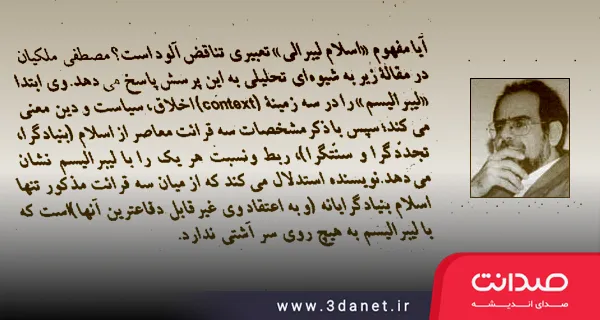
Mostafa Malekian holds false beliefs responsible for the ills of human life and sees transforming them as the path to a desirable state. Drawing on the theory of W. D. Ross, he defines the intellectual's mission as articulating truth and reducing the suffering of citizens.

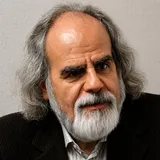
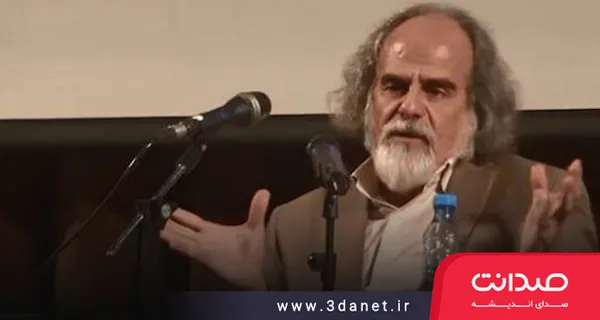
Mostafa Malekian
نویسندهMostafa Malekian: The greatest cause (if not the sole cause or the cause of causes) of the order or disorder of human life, whether in the individual or the collective sphere, is his beliefs. The greatest step that can—and must—be taken to move from the undesirable existing state to the desirable absent state is to change a number of beliefs. Human beings have always been more victims of ignorance and error than victims of ill will. The belief in the primacy of belief, whose history in Western culture goes back to Socrates, requires that the greatest efforts of those who care for humanity and of social reformers be devoted to teaching, explaining, and promoting and disseminating truer beliefs, and to refining and purifying the minds and souls of human beings from all instances of ignorance and error.
1_ Sir William David Ross, the English moral philosopher (1877–1971), saw both strengths and weaknesses in Kant's deontologistic moral philosophy and in the consequentialistic moral philosophy of Kant's greatest opponents, namely utilitarianists such as Bentham and Mill. Therefore, he could neither wholly reject nor wholly accept either of these two moral philosophies. For this reason, he set out to offer a new theory that would possess the strengths of both moral philosophies without falling prey to the weaknesses of either.
In this essay, the purpose is neither to expound the views and theories of Kant and the utilitarians, nor to present the strengths and weaknesses of these two sets of views and theories from David Ross's perspective. The purpose of this essay is something else; but to achieve it, there seems to be no alternative but to first present, by way of introduction, Ross's new theory, which he himself believed combined and reconciled the strengths of the views and theories of Kant and the utilitarians.
Ross's theory, in the briefest possible summary, is this: all of us human beings, from a moral standpoint, have a number of prima facie duties. A prima facie duty is a duty that, if (and this condition is very important) it does not conflict with another prima facie duty, must be performed absolutely and without any qualification or condition. In other words, a prima facie duty is the same as Kant's absolute and unconditional duty, bound only by one qualification and conditioned only by one condition, and that qualification and condition is that it does not come into practical conflict with any of the other prima facie duties. In practice, if a prima facie duty does not conflict with any other prima facie duty, that duty must be performed, and in this case, the prima facie duty becomes an actual duty; and if it conflicts with another prima facie duty, then of those two duties, the one that is weightier and more important must be performed and the other abandoned, and in this case, the more important prima facie duty becomes the actual duty, while the less important prima facie duty falls short of reaching the status of an actual duty.
By distinguishing prima facie duties from actual duties, Ross avoided two major weaknesses of Kant's moral philosophy: one, that Kant, because he considered certain types of actions, such as suicide, lying, and breaking promises, to be absolutely wrong in all circumstances, included prohibitions within unconditional rules for which our moral intuition and common understanding recognize definite exceptions; and the other, that he had nothing to say about situations in which a person's duties conflict with one another.
And what are these prima facie duties? Ross provides a sixfold list of these duties, in which past-looking duties, that is, duties arising from the previous actions of the agent himself or of other persons, are distinguished from future-looking duties, that is, duties whose cause is the positive effects and results that will follow from their performance in the future.
Past-looking duties are of two kinds:
1) Backward-looking duties arising from the agent's own prior actions, which include: a) fidelity to promises (or contracts, treaties, or other commitments) that the agent has entered into freely and voluntarily; b) reparation for wrongful acts the agent has committed in relation to others. 2) Backward-looking duties arising from the prior actions of other persons, namely various forms of gratitude and thankfulness. The performance of backward-looking duties may also have positive effects and consequences in the future, but, in any case, the obligatoriness of these duties stems from prior circumstances, not from subsequent positive effects and consequences. Forward-looking duties are of four kinds: 3) Beneficence (or: benevolence), that is, bringing about the greatest possible intrinsic good. 4) Non-maleficence, that is, refraining from harming and injuring others (which is more important than beneficence). 5) Justice (or: fairness), that is, distributing pleasurable things according to persons' deserts. 6) Self-improvement.
Ross's sixfold list of duties is, at least prima facie, free and immune from one of the major weaknesses of utilitarian moral philosophy. The utilitarians neglected or overlooked the personal nature of human duties; that is, all their emphasis was on the fact that a human being has a duty to increase the good or bring it to the greatest possible extent, and they did not pay attention to the point that a human being, in addition to that duty, has, in particular circumstances toward particular persons, such as one's father, mother, children, and spouse, as well as those who have done something for one or rendered one a service, duties that one does not have toward others. Ross, by including backward-looking duties in his list, has paid attention to this set of special duties, which have a personal character and are strongly endorsed by conventional morality and our moral intuitions, and has done them justice.
Ross's theory, in normative ethics, like any theory in any of the domains of the human sciences and disciplines, is not free from faults and shortcomings. But mentioning the objections that Ross's critics have raised against him, and presenting arguments for or against those who raise objections, does not suit the purpose of this essay, especially since the author accepts the broad outlines of Ross's theory and, in the continuation of the essay, has no intention other than presenting his own personal view, which is to some extent based on Ross's theory.
2_ Without wishing to offer a descriptive account of what the intellectuals of the world in general, or the intellectuals of our own society in particular, have or have not done throughout the history of the emergence and evolution of the intellectual movement and the intellectual stratum, and also without intending to put forward a prescriptive proposal concerning what intellectuals ought or ought not to do—neither of which is within my competence—I can claim that the well-being of any society depends, among other things, on the existence of an institution that, as far as possible, has two functions: one, in the realm of theory, to bring truths (that is, truer beliefs) to the threshold of citizens' awareness, and the other, in the realm of practice, to reduce the pain and suffering of citizens; and it seems that the intellectual movement or stratum has, from the very beginning, implicitly or explicitly, and in a more or less manifest way, had precisely these two aspirations.
There is no doubt that scholars in all domains of knowledge claim that all their concern, effort, and striving is devoted to seeking and finding the truth, and this claim is not without basis or reason; but what is important is that there is a gap between discovering the truth and conveying it to the realm of the minds and consciousness of citizens, a gap that, unless traversed, prevents society from benefiting from the fruits of the discovered truth. And traversing this distance and filling this gap is the responsibility of intellectuals. The intellectual, in this respect, stands on the border between specialists in the sciences and disciplines and the general citizenry, receives the latest scientific achievements and intellectual products of specialists, renders them, while preserving their authenticity and depth, digestible for the understanding of ordinary citizens, and, using the tools of belief-formation, brings them to the threshold of their awareness.
The statement that society does not benefit from the fruits of truth until it reaches the realm of citizens' minds and consciousness is, in fact, based on another claim that can be termed "the primacy of belief," and can be formulated as follows: the greatest cause (if not the sole cause or the cause of causes) of the order or disorder in human life, whether in the individual or the collective sphere, is his beliefs. The highest step that can—and must—be taken to move from an undesirable existing state to a desirable absent one is to change some of these beliefs. Human beings have always been more victims of ignorance and error than victims of ill will. Belief in the primacy of belief, whose lineage in Western culture reaches back to Socrates, requires that the greatest efforts of those who care deeply for humanity and of social reformers be devoted to teaching, explaining, and promoting and disseminating truer beliefs, and to refining and purifying the minds and souls of human beings from all instances of ignorance and error (I say "truer beliefs" to make it clear that I subscribe to the theory of "approximation to truth").
There is also no doubt that holders of political power have always claimed that their primary motive for seizing power and the existential philosophy of their political system is to reduce the pain and suffering of citizens. But the wise and profound saying of Lord Acton (1834–1902), the English historian and historical thinker, that power corrupts and absolute power corrupts absolutely, compels us, in this case, to adopt a hermeneutics of suspicion, and human history testifies that this hermeneutics of suspicion is very apt and that the claims of power-holders are mostly oriented toward deceit, distortion, and oppression and injustice. Therefore, the proper ordering of society always requires individuals who, with the utmost honesty and seriousness, and with ever-greater awareness and depth of insight, ensure that social affairs proceed in the direction of reducing the pain and suffering of citizens.
Based on this conception of intellectualism, the intellectual: firstly, because he is not oblivious to the paramount and indisputable importance of culture—that is, the totality of the inner and subjective affairs of each and every individual—in improving the external and objective state of society, and knows that unless a positive transformation occurs in the realm of individuals' minds and consciousness, no positive transformation can occur on the social scene, and also since, among the components of culture—namely beliefs, feelings and emotions, and needs and desires—he considers beliefs to be more determining and effective than all others, and sees feelings and emotions and needs and desires as being strongly influenced by beliefs, he utilizes, as far as he is able, the forces that induce belief so that he can, in a continuous and dialectical manner, bring truer beliefs to the threshold of citizens' awareness and replace the more false beliefs with them; and secondly: in addition to addressing the internal causes and factors that generate pain and suffering, he addresses the external causes and factors that prevent the reduction of pain and suffering, and, in this context, particularly directs relentless criticism at the human causes and factors, that is, those who have used their economic, political, and cultural power to increase—or prevent the reduction of—the pain and suffering of human beings.
For the sake of brevity, let us call the first function of the institution of intellectualism "the account of truth," and the second function "the reduction of suffering."
3_ If we recognize the intellectual by the two functions of the account of truth and the reduction of suffering, then it becomes clear that: intellectualism, in itself, is not an academic discipline, whether by discipline we mean any of the philosophical and rational sciences, or any of the empirical, historical, intuitive and introspective, or religious and doctrinal sciences (although the intellectual can also be a specialist in one of the sciences and fields of knowledge). Intellectualism is also not a job or profession (although the intellectual can also have a job and profession). The intellectual cannot be an ideologist. Nor can he be the designer of a utopia (although he himself is attached and committed to ideals and values). He is also not a statesman or political figure. And finally, he has neither brought news to the people from somewhere, nor does he give news of the people's future, and, therefore, he has absolutely no prophetic mission (prophecy, in both senses of the word). So what form is intellectualism, and to what type and category does the intellectual belong?
An intellectual is someone who has practically committed themselves to two ethical duties which, by virtue of their knowledge and abilities, they have taken upon themselves; that is, they have not disregarded their moral intuition and conscience in practice and have endeavored, as far as possible, to accomplish what they ethically ought to do.
But are the account of truth and the reduction of suffering two ethical duties? To answer this question, let us return to Ross's ethical theory, in the first section of this essay, which is assumed and accepted by the author. Where, in Ross's list of prima facie duties, does the account of truth, or truth-telling, or saying what, in the speaker's belief, is true, find its place? In Ross's view, truthfulness is one of the instances of fidelity to promises, which is the first of the backward-looking duties arising from the agent's own previous actions. Speakers of any language, throughout the social life they share with one another, make a contract and covenant with each other to use each of the words of that language in a specific meaning; that is, speakers and writers intend that meaning by that word, and listeners and readers understand that same meaning. However, in this context, someone who lies does not adhere to this contract and violates this covenant because, at the very least, they use one word in a meaning other than the one agreed upon. Suppose I truly believe that Hassan is taller than Hossein, but, falsely, I tell you: "Hassan is shorter than Hossein." In this case, a meaning and concept is established in my mind which, according to the contract and covenant I have with you (Persian speakers), should be referred to by the word "taller," whereas I have used the word "shorter" to refer to it. Or, in another interpretation, in my statement there is a word which, again according to the same contract and covenant, I should use to refer to the meaning and concept of being shorter, but I have used it to refer to the meaning and concept of being taller.
And where is the place of the reduction of suffering in Ross's list? Ross himself nowhere explicitly mentions the reduction of pain and suffering, but, in the author's view, the reduction of suffering is the common aspect of duties 3 and 4 (and perhaps 5), that is, the first and second (and perhaps third) of the forward-looking duties. Beneficence (or: benevolence) and non-maleficence (and perhaps justice (or: fairness)) are all instances of the reduction of suffering or, in other words, actions whose result is the reduction of suffering (the reason I expressed my intention in the previous sentence in the form of a disjunctive conditional or an indeterminate-predicate categorical proposition, and considered beneficence and non-maleficence (and perhaps justice) either as instances of the reduction of suffering or as causes and occasions of the reduction of suffering, is that, in my opinion, in the philosophy of action, a final and definitive solution for separating the act from the effect and consequence of the act has not yet been presented).
Based on what has been said, the account of truth and the reduction of suffering can be regarded as two ethical duties. All ethical duties, potentially, rest upon all human beings, but whether a particular ethical duty for a particular person moves from a potential state to an actual one depends on the actual characteristics of that person, including their physical, mental, and psychological traits, as well as the specificities of the time, place, and circumstances in which they actually find themselves. And this point is entirely clear, because, for example, someone may never be ethically obligated throughout their entire life to save someone's life, because they have not even once found themselves in circumstances where someone's life was in danger. Therefore, the account of truth and the reduction of suffering, although as two ethical duties they potentially rest upon all human beings, become someone's actual duties when that person possesses particular characteristics and lives in particular circumstances. It seems that the account of truth and the reduction of suffering, in the sense intended in this essay by these two expressions, become someone's actual duty when that person, in comparison with the average citizen, possesses greater knowledge and power of thought, and these two factors have caused them, again in comparison with the average citizen, to have truer beliefs and also a stronger discernment of the pains and sufferings, and the origins of the pains and sufferings, of citizens. Someone who, by virtue of greater knowledge and power of thought, comes to have the two actual duties of the account of truth and the reduction of suffering, if they do not show moral weakness, that is, if they undertake to perform these two duties, can be said to be an intellectual and to belong to an institution called the “institution of the intellect” which is a necessary (though certainly not sufficient) condition for the well-being of society.
But intellectualism, in the sense of undertaking the two duties of the account of truth and the reduction of suffering in the arena of social life, has requisites, commitment to all of which can be considered the etiquette of intellectualism. Perhaps the most important (and not all) of these etiquettes can be said to be:
Rationality, encompassing both theoretical rationality, which, in brief, means making the degree of attachment and commitment to a belief proportionate to the strength of the evidence and proofs that support that belief, and practical rationality, which, again in brief, means making the instruments, means, and actions proportionate to the ends, goals, and purposes. Rationality can be considered the most fundamental and most important requisite of intellectualism, such that perhaps the other requisites of intellectualism can be regarded as the offspring of this requisite.
Skepticism, meaning the courage and undertaking to doubt the correctness or incorrectness of any belief or action that someone, some people, or everyone considers correct or incorrect. “Doubt everything” (“De omnibus es dubitandum”) is the potential duty of every intellectual, although the actualization of this potential duty, in the case of a particular belief or action, depends on the emergence of specific theoretical problems or practical difficulties. This requisite of intellectualism blocks the path to any form of irrational dogmatism. Critique, meaning not considering anyone as the embodiment of truth or the statue of falsehood and, therefore, not accepting or rejecting any belief or action without reason. In other words, critique means making the acceptance and affirmation or the rejection and repudiation of any belief or action contingent upon reason, and, consequently, demanding reasons from everyone, not considering anyone above question or beneath question, testing the reason or reasons of everyone against the touchstone of reason, and committing to the belief or action of everyone in proportion to the strength of the reason or reasons they present for its truth or correctness. Intellectual critique exempts no one and encompasses everyone. The intellectual engages in the critique of ordinary citizens (and in this respect, is also a critic of public opinion and is not necessarily and without reason committed to agreeing with public opinion and conformity with the crowd, and, for this very reason, is not populist), as well as the critique of specialists in various sciences and fields of knowledge, the critique of the powerful and rulers, and the critique of religious and denominational leaders. Critique, as one of the important requisites of intellectualism, prevents the intellectual from succumbing to the two maladies of fanaticism and prejudice and steers them toward a particular kind of egalitarianism.
عدم تعلق به یك ایدئولوژی. نقادی روشنفكر شامل حال خودش هم میشود. از اینرو، روشنفكر میكوشد تا از هرگونه خودشیفتگی (narcissism) نیز بپرهیزد و نتیجه پرهیز از خودشیفتگی عدم تعلق به یك ایدئولوژی است، زیرا این پرهیز روشنفكر را وامیدارد كه در باب عقاید یا افعال خود نیز از مطالبه دلیل و سنجش عقلی دلیل یا ادله، از موضعی ناظرانه، غفلت یا تغافل نورزد و این چیزی جز ایدئولوژیك نیندیشیدن نیست. به وجهی عامتر، لازمه روشنفكری این است كه شخص با هیچ رأی و عقیدهای عقد اخوت دائم نبندد، بلكه التزام خود را به هر رأی و عقیدهای مشروط به برهانی بودن، استدلالی بودن، معقول بودن، و رجحان معرفتی داشتن آن رأی و عقیده كند و به محض اینكه رأی و عقیدهاش، در باب یك موضوع و مسأله، بر اثر سیر دیالكتیكی علمی و فكریاش، این ویژگی (رجحان معرفتی) را از كف داد تعلق خاطر خود را از آن بگسلد و به رأی و عقیدهای درستتر رو كند. روشنفكر شیفته آرمان حقیقتطلبی است، نه عاشق هیچ رأی و عقیده خاصی.
سعی در جهت كاستن از آثار و نتایج منفی تخصصگرایی. ناگفته پیداست كه زندگی اجتماعی ما بدون تقسیم كار امكان استمرار و بقاء ندارد و تقسیم كار نیز، بناچار، به تخصصی شدن آگاهیها و كاردانیها میانجامد. اما، از سوی دیگر، نیز آشكار است كه تخصصگرایی رایج و معمول امروزین نیز از آثار و نتایج منفی عاری نیست. بر اثر همین تخصصگرایی است كه امروزه متخصصان رشتههای علمی مختلف اولاً: نه فقط از فرآوردههای مطالعات و تحقیقات یكدیگر بیخبرند، بلكه نمیتوانند باخبر شوند؛ ثانیا:ً خود به روشنی درنمییابند كه سود و زیان مطالعات و تحقیقاتشان متوجه چه كسانی است و، اصولاً، روی هم رفته، سود كارهایشان، برای بشریت عموماً و برای شهروندان جامعه خودشان خصوصاً، بیشتر است یا زیان كارهایشان؛ و ثالثاً: نمیتوانند آخرین دستاوردهای علمی و فكری خود را به ساحت آگاهی عمومی شهروندان جامعه ملی یا جهانی برسانند. این سه لازمه تخصصگرایی، و پارهای از لوازم دیگر این پدیده، موانع بسیار خطیری بر سر راه دست یافتن عامه مردم به حقیقت و كاسته شدن از میزان درد و رنج آنان است. روشنفكر باید در جهت تخفیف این آثار و نتایج منفی، حتیالمقدور، بكوشد. ایجاد پل ارتباطی میان متخصصان شاخههای مختلف علوم این متخصصان را از حجره تنگ اختصاصیشان بیرون میكشد و به آنان نور و بصیرتی ارزانی میكند و آنان را با افقهای باز و گسترده پیوند میدهد و از تكبعدی بودن نجات میبخشد. آگاهانیدن متخصصان از اینكه صاحبان قدرتهای سیاسی، اقتصادی، و فرهنگی از فرآوردههای علمی و فكری آنان چه سوءاستفادههایی میكنند یا میتوانند بكنند وجدان اخلاقی آنان را فعالتر و مؤثرتر میسازد و، لااقل، حجت را بر آنان تمام میكند. و آگاهانیدن شهروندان از یافتههای علمی و فكری دانشمندان ضامن موفقیت مدیریت علمی جامعه و شكست مدیریتهای ناشی از جهل، خطا، و سوءنیت است، و كیست كه نداند كه، در هر جامعه، بیشترین درد و رنجی كه مردم میكشند ناشی از مدیریتهایی است كه به سه بیماری جهل، خطا، و سوءنیت دچارند؟
The use of speech free from vagueness, ambiguity, and obscurity. A necessary condition for making people aware of truths and instilling more accurate beliefs in their minds and consciences is the employment of speech that is, as far as possible, cleansed and purified of vagueness, ambiguity, and obscurity. The skillful and successful intellectual, while preserving the authenticity and depth of every opinion and thought, can convey it to their audience in the clearest possible form, that is, with the expression closest to the level of understanding of the common people. One of the factors that causes specialists in various scientific fields to remain unaware of each other's findings, and ordinary people to be deprived of the findings of all of them, is the obscurity of their discourse, which itself, to a great extent, stems from their use of their own specialized and technical language (jargon). The intellectual, in order to be a bridge between specialists, on the one hand, and between specialists and ordinary people, on the other, must simplify these specialized and technical languages and, a fortiori, must not, along with their peers, create a new specialized language for themselves. If two or more physicians speak at a patient's bedside in such a technical and specialized language that the patient themselves understands not a word of it, there is no harm, because, in any case, the result of these exchanges of views is the recommendation of medicine and treatment that, without the patient having the slightest awareness of its particulars, will have its effect on the body and its mechanisms and will lead the patient toward recovery. But if the masses of people understand nothing of the sayings and writings of the intellectuals of their society, the diagnoses and treatments of the intellectuals will not solve any issue or eliminate any problem, because, here, the effect of the medicine and treatment depends on the knowledge and understanding of those for whom the medicine and treatment are prescribed. Therefore, intellectuals must not consider the heaviness, difficulty, and obscurity of speech as proof and a sign of its depth, and must not regard difficult, complex, and abstruse discourse as a means of pedantry and self-aggrandizement.
Distinguishing problems from pseudo-problems. Pointing out the difficulties and the problems that the powerful in society have created for the people, or, at the very least, have failed to resolve and eliminate despite claiming to do so, has always been considered a form of opposition to these powerful individuals, and, therefore, holders of political, economic, and cultural power, to counter this opposition, have, among other tactics, benefited from diverting the minds of citizens from real problems by presenting a series of false problems. An intellectual who strives to reduce the real pains and sufferings of the people must always be careful not to fall into the trap and not to mistake a pseudo-problem for a problem.
Attention to the hierarchy of needs. Even regardless of the studies and research that some humanistic psychologists, such as Abraham Maslow, have conducted on the hierarchy of human needs and the enumeration and determination of these levels, common sense also dictates that human needs have a hierarchical system, such that until the lowest and most powerful needs (which are bodily or physiological needs) are satisfied, second-order needs do not emerge, and until second-order needs are satisfied, the turn for the emergence of third-order needs does not arrive, and so on. Inattention to the hierarchy of needs and negligence regarding what the most important needs and the deficiencies and deprivations of the citizens of a society are, is itself one of the instances of failing to distinguish a problem from a pseudo-problem, contradicts realism, and severs the intellectual's connection with the people and their objective, tangible, and concrete life.
9) Etiology and genealogy of pains and sufferings. Since one of the two functions of the institution of the intellectual is to reduce the pains and sufferings of the people, and the desirable continuity and survival of this institution depends on its success in this task, merely enumerating the pains and sufferings that afflict the people is not enough; rather, what is important is their etiology and genealogy. In the course of this etiology and genealogy, a longitudinal and pyramidal system may well be discovered among pains and sufferings, in which a pain or suffering at a lower, more superficial level is the effect of a pain or suffering at a higher, deeper level, and that pain or suffering at the higher, deeper level is itself the effect of a pain or suffering at an even higher and deeper level, and so on…. Such that perhaps all pains and sufferings are the effects of one or two or a few deep and great pains and sufferings that stand at the apex of that pyramid and longitudinal system. In this case, the ethical duty of the intellectual compels them not to occupy themselves with the effects, but to go after the principal causes and find a solution for them. 10) Gradual progression and avoidance of all conservatism and revolutionism. Undoubtedly, the existing state of any society is never the desirable and ideal state, and in this respect, any conservatism and desire to preserve the existing state is a betrayal of human beings and contrary to the requirements of the ethical life. On the other hand, there is also no doubt that moving from the undesirable existing state to the non-existent desirable state requires taking steps, none of which can be evaded, and in this respect, any revolutionism and desire for sudden, instantaneous, hasty, and non-gradual movements and activities means neglecting or feigning neglect of the order and system of affairs and is doomed to failure and frustration. Neither the progression should be forgotten, nor the gradualness.
11) Honesty, in the sense of the complete correspondence of three realms with one another: the realm of mind and conscience, i.e., beliefs, feelings and emotions, and will; the realm of speech and writing; and the realm of action. Any incompatibility and incongruity, or gap and distance, between these three realms means that the intellectual has declined and degenerated from the station of fulfilling two ethical duties to the level of a job and profession, or power-seeking, or social posturing, or chasing after fame and bread.
12) Fairness in the position of critique and judgment. It is true that the ethical aspect of the intellectual's life always places them in opposition to those who hold political, economic, and cultural power, and it is true that historical experience has taught us that the principle is the misuse of power, not its proper use; but, at the same time, the intellectual, in the position of critiquing power, must also not abandon fairness, meaning they must not feign neglect of a strength or positive aspect they see, or consign a truth to oblivion, or resort to a fallacy, or act in a manner of "one roof and several airs" [double standards], or… It can be said that fairness in the position of critique and judgment is itself one of the instances of honesty.
13) Readiness to endure every deprivation and pain and suffering. The intellectual has risen to defend human beings against powers, that is, they have become the spokesperson of the weak against the strong, and they accomplish this through the rational and ethical critique of the opinions and actions of the powerful; and since the powerful and the strong are, by definition, powerful and strong, they have the power and strength to deprive the dissident and challenger of many social and civil rights, opportunities, and possibilities, and to inflict all kinds of pains and sufferings upon them, and, since they are self-interested and expedient-minded, they do not shy away from this as much as they can. In the meantime, the holders of cultural power go even further and, using all kinds of rumor-mongering, lies, and deceptions, portray the intellectual as someone who either opposes respected tradition and custom and does not uphold or respect social norms, or struggles against what the sacred religious and denominational texts have said and the leaders of religion and denomination have proven, and is therefore a heretic or an infidel, or promotes a kind of permissiveness and moral laxity, or disrupts and destroys the order and security of society, or is in the service of foreigners or enemies, and, in this way, they try to tarnish the positive affection and favor of the people toward them as well, and condemn them to a kind of alienation and loneliness. The intellectual must have the readiness to endure all these deprivations and pains and sufferings and know that, in the words of the Gospel of Mark (chapter ten, verse 45), "came not to be served, but to serve, and to give his life as a ransom for many."
4_ We considered the account of truth and the reduction of suffering to be two actual moral duties of the intellectual. But we have not forgotten that we regarded the prima facie duty at the apex (of which the account of truth and the reduction of suffering are two instances) as a duty that, if it does not conflict with another prima facie duty, must be performed absolutely and without any condition or restriction, and if it does conflict with another prima facie duty, it must be performed if it is more important than that other duty, and otherwise abandoned. Now, the question is: if, in certain circumstances, the two duties of the account of truth and the reduction of suffering come into conflict with one another, what should be done, and which should be given priority over the other?
It is entirely conceivable and possible that the intellectual finds herself in a situation where, if she reveals a truth to the citizens of her society, she not only does not lessen their pain and suffering, but adds to their pain and suffering, or, conversely, if she wishes to lessen the citizens' pain and suffering, she must conceal a truth, or leave an error or illusion untouched, or even create an error or illusion in the minds and hearts of the citizens. In such a situation, is the prima facie duty of the account of truth more important and weightier, or the prima facie duty of the reduction of suffering? Which should be given priority?
On the one hand, such situations are by no means rare; rather, they occur abundantly, and therefore, addressing this problem is not engaging with an issue whose resolution has few practical fruits. Many public beliefs—whether beliefs expressed in the form of singular propositions concerning specific persons, objects, relations and connections, events, and circumstances, or beliefs expressed in the form of statistical or universal propositions; whether beliefs pertaining to daily life or beliefs belonging to various domains of knowledge; whether beliefs arising from common-sense understanding or beliefs concerning philosophy, metaphysics, and religion; and whether historical beliefs, theoretical beliefs, or practical beliefs—are false and invalid beliefs, belonging to the category of illusions, delusions, and superstitions. Yet, at the same time, positive psychological effects, such as tranquility, happiness, hope, inner contentment, and finding meaning in life, have resulted from believing in them, such that making people aware of the falsehood and invalidity of these beliefs, although it is required by the account of truth, necessitates the multiplication of suffering and the increase of their pain and suffering. In these situations, truth itself is suffering-inducing, and "الحقُّ مُرٌّ" ("The truth is bitter") finds its instance.
On the other hand, not only Ross himself, but other moral philosophers before or after him, have not found a definitive solution to this problem. Is the intellectual's more important duty, as a moral agent, to act in such a way that, as far as possible, no false proposition enters people's minds or remains in their minds, and no true proposition is missed by their minds, or to act in such a way that, as much as she can, she lessens their pain and suffering, or at least does not add to their pain and suffering? Is there not a duty more important than both the duty of the account of truth and the duty of the reduction of suffering, which itself becomes a criterion and standard for preferring one of these two duties over the other? Can one rely on one's "intuition" and purity of nature and, according to its dictate, give precedence to one of the two duties over the other? In that case, if the dictate of the intuition and purity of nature of another intellectual is the precedence of the other duty, what can—and should—be done?
The author, before presenting his personal opinion on this matter, notes three points:
From the fact that no reason has been adduced in favor of a belief, or that a weak or invalid reason has been adduced, one cannot logically conclude that the belief is false and invalid. A belief can only be considered false and invalid when a strong and acceptable reason has been adduced for its falsehood and invalidity, or for the truth and validity of its contradictory. In other words, from the strength of the reason, one can infer the soundness of the claim, but from the weakness of the reason, one cannot infer the unsoundness of the claim; just as from the unsoundness of the claim, one can infer the weakness of the reason, but from the soundness of the claim, one cannot infer the strength of the reason. Truth-telling is only applicable where there is speech, whether spoken or written. Therefore, silence cannot be considered an instance of truth-telling or its opposite. A person only has a moral obligation to speak when explicitly questioned. There are many cases where, even though we have not been questioned, we are morally obliged to speak, and naturally, to tell the truth.
Considering these three points, in the author's view, the account of truth takes precedence over the reduction of suffering; because:
Firstly: As was said, the account of truth is an instance of adherence to promises, that is, of prima facie backward-looking duties (arising from the person's own prior actions), while the reduction of suffering is among prima facie forward-looking duties; and it seems that fulfilling backward-looking duties, except in exceptional cases, takes priority over fulfilling forward-looking duties. (Of course, one might consider this very case, namely the conflict between the account of truth and the reduction of suffering, to be among the exceptional cases).
Secondly: If, in our calculations, we pay more attention to long-term and severe pains and sufferings, rather than short-term and mild ones, (which we are apparently obliged to do, although the concepts of "long-term," "short-term," "severe," and "mild" are qualitative concepts and, consequently, vague, and identifying their instances is, in many cases, not easy) it can be said that, on the whole, knowing truths, compared to being caught in falsehoods and illusions, causes less pain and suffering and alleviates more pain and suffering. (Of course, again, one might not accept this philosophical and metaphysical proposition and might believe, for example, that: "Whoever increases knowledge increases sorrow").
Thirdly: It is true that, in many cases, negligence and unawareness of reality are soothing, joy-inducing, and hope-giving, and reduce pain and suffering or, at least, do not add to it; but if the negligent and unaware one day realize that some people have concealed the truth from them and deceived them, they will, from their feeling of having been deceived, suffer a pain far greater than the pain they were spared from enduring during their negligence and unawareness, especially if we consider that many human beings, due to their particular psychological type, feel pain from nothing so much as the discovery of their own deception. (Again, it might be said that there are perhaps those who either never realize until the end of their lives that they have been deceived and, therefore, do not suffer the pain resulting from such a realization, or, even after realizing the deception, still, on the whole, find the pain resulting from this realization less than the pain they were spared from enduring through negligence and unawareness).
Fourthly: If the citizens of a society suspect that intellectuals, even to avoid increasing the citizens' suffering, sometimes conceal some truths from them, they lose their trust in them, and the pain and suffering resulting from this distrust, especially where there is no other authority for declaring the truth, is not insignificant. Moreover, in this scenario, citizens are also deprived of a deep feeling of tranquility, joy, and hope, because they always suspect that their tranquility, joy, and hope might stem from an unawareness to which the intellectuals have consented. (Here too, it might be said that intellectuals are morally obliged, in order not to increase the citizens' suffering, to also conceal from them this truth: that they are concealing truths from them).
Fifthly: one must not overlook the astonishing ability of human beings to adapt to their environment. It is true that knowledge of many truths immediately and temporarily produces pain and suffering, but human beings can always, sooner or later and more or less, adapt themselves to the new epistemic situation, that is, find ways to remove the pains and sufferings arising from this knowledge. In that case, who would not accept that the new situation is better than the old one? In the old situation, due to ignorance of the facts, we were not afflicted with pain and suffering, and in the new situation, despite having become aware of the facts, we are not afflicted with pain and suffering. (One might ask, what guarantee is there that if we have always been able to adapt to newly emerged circumstances so far, we will be able to do so in the future as well? Is it impossible that some truths might be such that, after knowing them, no defense mechanism could prevent our psychological disintegration?)
It was observed that the author, while intuiting the precedence of the duty of stating the truth over the duty of reducing suffering, has no conclusive reason in favor of preferring the statement of truth over the reduction of suffering. Nevertheless, he emphasizes this point: the more the intellectual's commitment to ethics and spirituality increases, the greater the importance and urgency of this (seemingly) insoluble problem becomes in their view. And this is the tragic aspect of the intellectual life.
May our loving-kindness and compassion towards all human beings, especially the fallen and the helpless who have no spokesperson, ever increase!
.
.
The Account of Truth and the Reduction of Suffering: The Ethical and Tragic Aspect of the Intellectual Life
First published in: Aftab, Year 2, No. 13, March 2002, pages 44 to 47
Author: Mostafa Malekian
.
.

Discussion7 comments
جالب بود. آیا به واقع همه روشنفکران به دنبال تقریر حقیقت هستند؟! مردم عوام می گویند که حقیقت تلخ است ,, اما به نظرم "حقیقت" از هر شیرینی (شیرین تر ) است. این "حقیقت" نیست که تلخ است , بلکه "حقیقت" خودش آینه ایی است که بازتاب تلخی ها و شیرینی هاست. "حقیقت" شرابی ناب است در کوزه ایی , که منتظر است نوشیده شود و مست کند طالبان حقیقی ( حقيقت) را. حال چگونه روشنفکران این" شرابِ مست کننده" را تقریر می کنند؟ شرابی که تقلیل دهد مرارت ها را...
سلام مطلب بسیار ارزشمندی بود که مطالعه شد البته برای درک بهتر مطلب باید چندین بار خوانده شود اما اصل مطلب بر تقریر حقیقت و تقلیل مرارت بود که بنده هم با این موافقم که در شرایط ضرور و درماندگی بین اولویت تقریر حقیقت یا تقلیل مرارت باید کمی از حس شهودی یا غریزه استفاده کرد و پاسخ مراجع را داد از استاد بزدگوار ملکیان کمال تشکر را دارم
به نظرم فارغ از درستی یا نادرستی مطلب، واضح و آشکار است که این متن نه از سر شکم سیری که از دردمندی مردم بر می خیزد.جای تشکر فروان از نویسنده ی این اثر آقای ملکیان بزرگ الته من با قسمت رجحان تقریر حقیقت بر تقلیل مرارت موافق نیستم و به طور خلاصه معتقدم باید با توجه به سطح حقیقت(علاقه مردم به آن و تاثیر آن در مردم) و نوع مخاطب(ظرفیت تحقیق) رجحان آن ها در تغییر باشد.
سلام. ضمن تشکر از زحمات شما صدانتی های نازنین، لطفا فایل پی دی اف مقالات رو هم قرار بدین. قدیما میذاشتین اما یهویی نمیدونم چی شد که منصرف شدین!
سلام و درود چون در کتاب راهی به رهایی چاپ شده است، از گذاشتن فایل PDF معذوریم.
با سلام و عرض خسته نباشيد! اگر لطف کنید تاریخ کتابت نوشتارها را هم درج بفرمایید، ممنون می شوم.
سلام و درود نشر نخست در: آفتاب، سال دوّم، شماره13، اسفند 1380، صفحات 44 تا 47