Religion
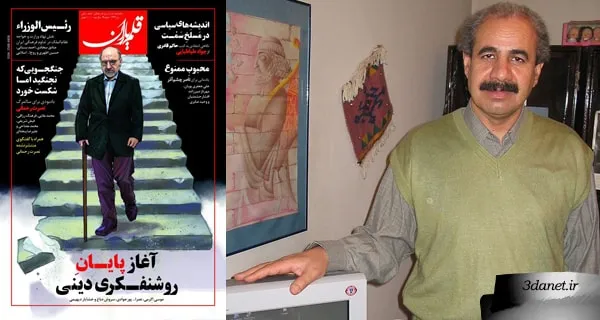
An Interview with Mousa Akrami by the Monthly Ghalam-Yaran
In an interview with the monthly Qalamyaran, Musa Akrami critiques religious intellectualism and the Soroush project. Society needs intellectual action, but the Soroush project shifted from reforming religious knowledge to changing religion itself.
Do you currently consider intellectualism in Iran to be effective?
Bringing the discussion into the realm of reason and explaining Sharia within the bounds of reason has been important; has Soroush been successful in this regard?
Looking at the past life of religious intellectualism in Iran, it seems that none of the religious intellectuals were able to pay serious attention to the foundations of Western thought and its history; to what extent has this lack of attention been detrimental to religious intellectualism?
Has religious intellectualism, in its past and present critical approach to tradition, always approached tradition with an ideological perspective?
It seems that Abdolkarim Soroush has still not been able to achieve a proper understanding of the world of politics or the political matter. For example, a book like Adab-e Qodrat va Adalat (The Etiquette of Power and Justice) in the field of politics lacks any foundation. Does this lack of attention to modern political thought not mean that the life of the religious intellectual in Iran has been spent on a wrong path? And has the generation after Soroush also stepped onto this path?
Considering that we are now in a space where the subject of "Iran" has become central and has turned into a fundamental issue in thinking, and considering that Iranian religious intellectualism was never able to pay serious attention to the triangle of legal thought, political thought, and economic thought, and given the importance of this triangle, to what extent can this inattention or lack of attention by religious intellectualism constitute a void for it?
Do you accept that the life of religious intellectualism centered on Soroush has been spent on a wrong path? In the sense that he has still not paid attention to other fields?
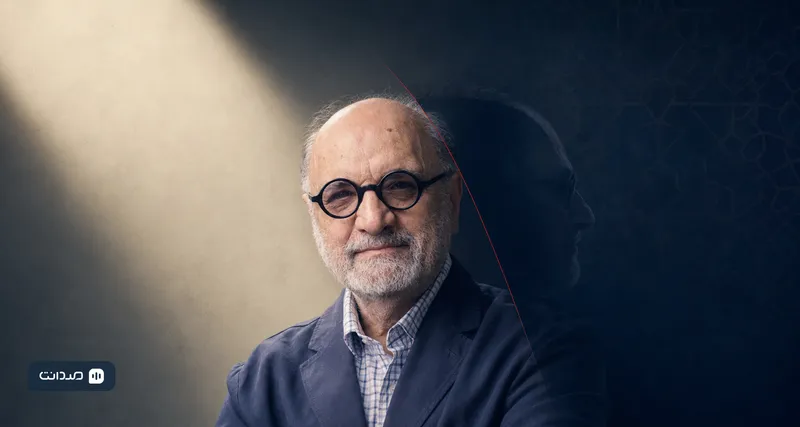
Dr. Mousa Akrami, a professor of philosophy, has answered these questions in the eleventh issue of the monthly Ghalam-Yaran...
■ First question: Do you currently consider intellectualism in Iran to be effective?
In my view, both yes and no. Firstly, for a precise answer, we must have a definition of intellectualism. Intellectualism can perhaps be used in two senses: general and specific. In the general sense, intellectualism is also of two kinds. In the first kind, anyone who undertakes intellectual work is an intellectual, and therefore any society that needs intellectual work requires intellectualism. Modern societies also need intellectualism in the general sense, but of the Weberian kind. Then we come to intellectualism in the specific sense, whether with the perspective and definition of Émile Zola, or with the view governing the behavior of the Russian intelligentsia, or in the sense intended by Gramsci, or in the Sartrean sense, it can be said that no living and dynamic society in the modern era, which is in a state of transition from some stages to others or from some conditions to others and is undergoing political, social, and cultural transformations, is without need for intellectualism and intellectuals. The matter becomes more important when it is necessary for a broad spectrum of intellectuals to take a stance against the ruling political power and the dominant ideology or discourse and to demand changes. In societies like ours, which live in various and sometimes crisis-inducing inflammations, the ruling political power and the dominant discourse of society demand theoretical and practical confrontations, which are among the duties of intellectuals. Society in this era and in the situation it is in, is intensely in need of intellectual action. In the public sphere, we are generally dealing with a diverse current of intellectualism, both inside and outside the country, who are, of course, active and have a role. One can discuss the record of the intellectual spectrum in detail. This spectrum is very broad and colorful, encompassing leftist intellectuals to liberal intellectuals, from religious intellectuals to secular intellectuals, from cultural and artistic intellectuals to political intellectuals, which has both had achievements and has not been able to fulfill some of the spoken and unspoken expectations. Thus, firstly, our society has intensely needed and still needs intellectual work. Secondly, if we are to look at this issue critically, whether intellectuals have performed and are performing their duties correctly, and whether the project they were supposed to carry out is related to our transitional era or not, and whether it has been done or is being done correctly, requires careful examination, and the record of intellectualism has good grades, average grades, and bad grades.
■ Second question: In the book Hadith-e Nowandishan-e Dini (The Discourse of Religious Modernists), the generation after Dr. Soroush is discussed, and Mr. Seyyed Hadi Tabatabai has considered the generation after him to be influenced by him. Therefore, bringing the discussion into the realm of reason and explaining the Sharia within the limits of reason has certainly been important. Has Soroush been successful in this regard?
Dr. Soroush embarked on a grand project of explicating religion and responding to a number of longstanding doubts within the horizon of modern philosophy and rationality—a project that could have been immensely beneficial for our country, which, both before the revolution, grappling with various traditional to modern readings of religion and its function, and after the revolution, when these debates took on special importance. A broad spectrum of extra-religious and intra-religious, intra-establishment and extra-establishment intellectuals, as well as the opposition inside and outside the country, watched Dr. Soroush's work actively or passively, careful to see what the outcome of his work would be. Each of the observing currents had its own expectations, hopes, and predictions. Some even sought to critique Soroush so that the project would develop further or be steered in a direction the critics desired. Soroush has been active in this field for three to four decades; individuals from various currents also ventured predictions about the end result of Dr. Soroush's work. Apart from a spectrum of disciples, whose circle seems to have gradually shrunk, most others more or less predicted the ultimate outcome of Dr. Soroush's work. The devout, from a position of defending a more or less traditional reading, believed that Dr. Soroush would end up in the wilderness of negating religion. Those who, at best, considered religion a private matter and opposed its entry into the realms of politics, society, culture, and economy, more or less believed that Dr. Soroush's project would result in deadlock, contradiction, and ultimately the negation of the established and official reading of religion. Of course, among both spectrums, there were also those who held a more moderate view of Dr. Soroush's activity. Those belonging to the first group hoped that Dr. Soroush's activity would lead to a minimal reformation within religion that would be beneficial to religion itself. Among those belonging to the second group, some ultimately assessed Dr. Soroush's work as serving to salvage the established reading and opposed it, while others more sympathetically defended the view that if Dr. Soroush's work led to good reforms in religious outlook, that was all well and good, even if these individuals themselves might not be bound by religion or might consider religion as belonging to the private world of individuals. In any case, the predictions of the radical segments on both sides were more or less realized, and Dr. Soroush moved from discussing the necessity of believing in change in religious knowledge to the necessity of believing in change in religion itself, all within the horizon of new, non-religious knowledge. If Dr. Soroush and his early ardent supporters thought that beneficial reforms would occur within this existing religion, it can now be said that such a project did not come to pass, and Dr. Soroush reached a point where he presented a definition of religion and religiosity, and an understanding of religious sources, that the judgment of the devout is undoubtedly its negation. We must wait for the passage of time to see whether Dr. Soroush's understanding can become established in the future as one of the important interpretations within the framework of the philosophy of religion in the general sense, the philosophy of the religion of Islam in the specific sense, and the philosophy of Shiism in an even more specific sense, and find adherents, or not. I prefer not to engage in prophecy or prediction on this matter. In any event, during the execution of Dr. Soroush's project, its internal contradictions became evident. Of course, the revelation of a project's contradictions is itself a significant achievement for the project's executor, its supporters, and even various observers. Dr. Soroush, regardless of his other services in other fields, is commendable in this respect alone, for with his concern and efforts, he has, to some extent, revealed the capabilities of official readings of religion, and perhaps of religion itself, and their ability to shine within the horizon of modern reason. But ultimately, the project reached a point that provoked the dissatisfaction of a broad spectrum of defenders of the official reading of religion and did not fulfill the expectations of many individuals and currents. One of the currents opposing Soroush was the traditionalist current, which was ultimately interested in seeing him either bow before the traditional reading or, in some way, demonstrate that Soroush had taken a path against which all traditionalists must take a stand and reject him. On the other hand, there were intellectuals who either paid no attention to religion and whose stance was secular, particularly interested in the separation of politics from religion, wanting religion to withdraw its foot from the realm of politics, culture, and dictating terms for the public sphere of citizens' lives, and for its sphere of influence to be limited. This group wished for Soroush to gravitate toward them, which, in a sense, he almost did, especially from a political dimension, arriving at this point, accepting political secularism, proclaiming it, and raising its banner.
در ادامه در واقع پروژه سروش به جایی کشیده شد که عملاً به یک معنا عبور از خوانش سنتی دین و حتی عرضۀ تعریف یا برداشت جدیدی از دین و منابع دینی و متون مقدس دینی و پیشوایان دینی است. به نظر میرسد که دکتر سروش پا را از محدودهای که گروهی از همدلان اولیه در نظر داشتند فراتر گذاشته. تحقق و پیشروی پروژۀ دکتر سروش برای ناظران گوناگون میتوانست مثبت یا منفی باشد. شاید حتی بتوان گفت پروژهای را که ایشان از اواخر دهۀ پنجاه یا اوایل دهه شصت آغاز کردند به آن وفادار نماندند. بعید است که بتوان گفت دکتر سروش خود میدانست کارش به کجا خواهد انجامید. ولی مخالفان او در دو جبهۀ سنت گرا و سکولار غیردینی مدعی اند که پیش بینی آنان در بارۀ سرانجام کار دکتر سروش درست از کار درآمده. البته بخشی از آن تحول در هدف اولیه طبیعی بوده است. ولی اگر از موضع دروندینی و یا از موضع طرفدران اولیۀ دکتر سروش بنگریم چنین سرانجامی برایشان تا حد زیادی غیرمنتظره بوده است. اگر اکنون دکتر سروش و طرفداران او بخواهند به آنچه که او در اواسط دهه شصت آغاز کرد نظر کنند و به بحثهای مطرح شده در کیهان فرهنگی توجه کنند که در پروژه و کتاب قبض و بسط تئوریک شریعت باید بپذیرند که دکتر سروش راهی را رفته است که ظاهراً در نظر نداشته و پیشگویی یا پیشبینی منتقدان خود را پرخاشگرانه نفی میکرده و مرتب خیلی از چیزهایی را که باور داشته از دست داده و در حالی که گمان میکرده است میتواند پویایی لازم را در دین یا برخی از جلوههای دینورزی ایجاد کند در این راه به موفقیتی در چارچوب اهداف یا نیات گفته شده دست نیافته و به جائی رسیده که منتقدان میگفتند. دیگر دکتر سروش نمیتواند بگوید که من به آن دغدغه روز اول برای نجات آن کلیت دین با خوانشی که خیلی از خوانش رسمی دور نبود وفادار مانده ام. سروش به جایی رسیده است که بر خلاف همۀ وابستگان به خوانش رسمی از دین و حتی بر خلاف بسیاری از تاریخنگاران اندیشه و عرفان مولانا را پیامبر میداند. برداشت او از منبع معرفت دینی و وحی که در نگاهش به پیامبر اسلام و قرآن از یک سو و مولانا و مثنوی از سوی دیگر تجلی یافته هیچ یک از باورمندان به خوانش رسمی و هالۀ اطراف آن را خوش نمی آید. حتی میتوان از موضع دکتر سروش دهۀ شصت به این برداشتهای جدید نگریست و دید دکتر سروش از کجا به کجا رسیده است. البته همان طور که گفتم من اولاً خودم را دارای صلاحیت در بارۀ دستاورد فکری امروز دکتر سروش نمی دانم، ثانیاً برای داوری نهایی در بارۀ این دستاورد در گسترۀ گستردۀ تاریخ اندیشه هنوز زود است هر چند شاید بتوان در زمینه هائی چون روش شناسی و معرفت شناسی بروندینی به نقد جدی دکتر پرداخت. بنابراین پروژهای که او در نظر داشت طی آن و به وسیله آن نشان دهد که معرفت دینی دچار تغیر میشود و حال که دچار تغییر میشود چگونه تغییرش دهیم که بتواد به سود جامعه باشد عملا به جایی رسیده است که این تنها معرفت دینی نیست که تغییر کرده یا تغییر میکند، بلکه اصلاً خود دین است که در نگرش سروش تغییر کرده یا تغییر میکند. من فکر میکنم دکتر سروش در آغاز به دنبال چنین چیزی نبوده و نمیخواسته است که چنین بشود. پس برخی از کسانی که به او ارادتی داشتند و فکر میکردند که او میتواند در برابر خوانش رسمی دین، قرائت جدیدی عرضه کند که راهی برای برای برونرفت از مشکلات باشد، به این نتیجه رسیده اند که نگرش دیگر رقیبی دروندینی برای خوانش رسمی و در خدمت اصلاح خوانش سنتی نیست بلکه میرود تا در مقام برانداز همۀ سنت تبدیل شود. سرانجام اگر بخواهیم جمعبندی کنیم باید بگویم که اگر قرار است یک پروژه در خدمت تغییراتی اصلاحی در چارچوب آن چیزی باشد که قبلا طرح شده است، پروژۀ دکتر سروش از این محدوده عبور کرده و دیگر در برابر خوانش رسمی نه اصلاح طلب یا اصلاحگر بلکه در پی گونهای انقلاب است. باز تکرار میکنم که من در مقام تأیید یا نفی نیستم، چنان که از نظر کسانی در شکل کلان، نتیجه درگیری بین سنت و مدرنیته یا دین و عقل را به گونهای در نظر میگیرند که گویا باید به اینجا کشیده میشده برای دکتر سروش دست میزنند. اگر کسی چنین موضعی داشته باشد از نظر او دکتر سروش قابلیتهای دین یا خوانش سنتی از دین را برملا و مشخص کرد که آنها در برابر عقلانیت مدرن تاب تحمل ندارند. اما نسل پساسروش که شامل آقایان دکتر آرش نراقی و دکتر ابوالقاسم فنائی و دکتر سروش دباغ است باید تکلیف خودش را با دستاورد دکتر سروش روشن کند، چنان که به نظر میرسد آقای دکتر نراقی دیگر نمی تواند با دکتر سروش همدلی و همراهی داشته باشد. یعنی پروژه با حرکت از بسط تجربۀ نبوی به تز رویای رسولانه رسیده است که دیگر جائی برای همدلی و همراهی کسی چون دکتر نراقی نمی ماند مگر این که کسی این فرض را قبول کند که مثلاً دکتر نراقی هم ناگزیر است به اینجا برسد و در واقعیت هم او به اینجا برسد. این آیندهای است که من نمی توانم در باره اش حرفی بزنم.■ Third question: Looking at the past life of religious intellectualism in Iran, it seems that none of the religious intellectuals were able to pay serious attention to the foundations of Western thought and its history. In your opinion, to what extent has this lack of attention been detrimental to religious intellectualism?
It seems that in this conversation, the term "religious intellectualism" is being used for the first time. I don't have much of a problem with this term, although I accept that an intellectual, in theory and practice, may reach a point where they are in conflict with their accepted religious teachings. But if we do not take a purist view of intellectualism and instead see it as relative and having a colorful spectrum, then one can also have religious intellectualism and easily use the name, just as in our society, for at least three centuries, some have been using this term, and we are familiar with its instances, referents, or designations. So I also use this term. Now let's return to your question. Intellectualism in the general sense has tried to pay attention to the West. But this attention has been far less than what we need. Unfortunately, the religious intellectual sector of the country has paid less attention to this need than other sectors and has itself undertaken the task of gaining direct knowledge of the foundations of Western thought and presenting it to others in the form of translation and authorship. Of course, Dr. Soroush, Mr. Malekian, Mr. Dr. Dabbagh, and Dr. Arash Naraghi are exceptions. Especially Dr. Soroush himself has had translations of Western thinkers. But compared to the volume of translations and writings related to the foundations of Western thought, the share of religious intellectualism is small. A huge part of the effort that has been made was not in the realm of religious intellectualism at all. Even Popper, favored by Dr. Soroush, was not translated by him, unless we consider, for example, Dr. Paya as sympathetic to and aligned with Dr. Soroush in parts of religious intellectualism and consider, for instance, the translation of The Myth of the Framework as an exception. In general, religious intellectuals have done very little work in translation. Apart from these few individuals, other intellectuals have not done serious work in transmitting Western texts, and it is the secular intellectuals who, from a leftist or liberal stance, have tried to introduce the West in the form of translation or authorship. Our discussion now is in the realm of post-revolution religious intellectualism; in the realm of pre-revolution intellectualism, religious intellectualism fundamentally does not have a positive view of the West. For example, it is Al-e Ahmad who stands completely against the West and considers turning to the West as Westoxification, and his reading of the West is a negative or negating reading. That is, Al-e Ahmad, despite being a translator of some Western works, for instance from André Gide or Sartre, cannot accept the West and empathize with it. Or Dr. Ali Shariati, who was a pre-revolution intellectual and to some extent accepted some Western intellectuals or thinkers, was more a critic of the West and paid attention to those Western intellectuals who were themselves critics of the West. Of course, this criticism of the West is not problematic, provided that the West is not tarred with the same brush and if its faults are mentioned, its virtues and merits are also mentioned. These religious intellectuals, in their broad spectrum, despite possible education in the West and knowing Western languages, maintained a distance from the West such that it can almost be said that none became seriously and deeply acquainted with Western thought, so that even if they criticized it, it would be from a position of precise and complete knowledge and awareness. Dr. Shariati introduced nothing but his own personal reading and interpretation of corners of Western thought to Iranian society. Looking at the broad spectrum of religious intellectualism, from Seyyed Jamal al-Din Asadabadi to Engineer Bazargan, Dr. Sahabi, Dr. Yazdi, to Mr. Bani-Sadr, Dr. Shariati, Dr. Peyman, to Mr. Mojtahed Shabestari, Mr. Malekian, Dr. Ehsan Shariati, Dr. Sara Shariati, Mr. Yousefi Eshkevari, Mr. Shariatmadari, and Dr. Kadivar, and even if we broadly place figures like Dr. Ehsan Naraghi, Dr. Davari, and Dr. Nasr on the margins of this spectrum, they do not have a significant share in translation and authorship in the field of the foundations of Western thought. Of course, if we add Dr. Hamid Enayat to this group, his share is greater. The readings of religious intellectuals from Western texts are also scant compared to their readings of religious texts, and what they have conveyed to the reader has typically been superficial. A cursory glance at the writings and translations in the field of Western thought shows that the agents of this field have been non-religious agents or intellectuals.
این بی توجهی یا کم توجهی روشنفکران دینی به مبانی اندیشۀ غرب باعث شده است که آنان نتوانند درک عمیقی از مدرنیته، اندیشۀ مدرن، عقلانیت مدرن، تفکر انتقادی، مقتضیات عصر جدید، روش شناسی و معرفت شناسی درخور برای رویارویی با سنت و مباحث جدید مرتبط با فلسفۀ سیاست و فلسفۀ حقوق و فلسفۀ هنر و مناسبات جدید دولت و ملت و روابط و حقوق شهروندی و تعهدات ملی و بین المللی به دست آورند به گونهای که در بیشتر این زمینه هائی که نام بردم روشنفکران دینی یا سخنی جدی ندارند یا از منابعی که روشنفکری سکولار در اختیارشان قرار داده عموماً به گونهای نادقیق برداشت کرده اند و به درستی به کار نبسته اند. بنابراین در جمع بندی باید گفت که کارنامۀ روشنفکران دینی در شناخت و شناساندن اندیشۀ غرب و بهره گیری از آن در فهم مسائل گوناگون جامعۀ ملی و جامعۀ جهانی و عرضۀ راه حل برای آنها در برابر کارنامۀ روشنفکران سکولارکاملاً ضعیف است.■ Fourth question: In your view, has religious intellectualism, in its past and present critical approach to tradition, always approached tradition with an ideological attitude?
Sayyid Jamal al-Din Asadabadi brought with him an ideological attitude toward tradition. This attitude reached its peak in Dr. Shariati. More than wanting to attack the traditional reading by ideologizing religion, Dr. Shariati intended to turn religion into a tool for struggle and rebellion and for creating what he himself considered an Islamic democratic society or an Alawite society. Hence, apart from the conservative segment of the traditionalists, who fundamentally had no revolutionary inclinations and perhaps not even reformist inclinations, the other segments tolerated Dr. Shariati to some extent and even accepted that he be remembered as the "teacher of the revolution"—the Islamic revolution, of course. Post-revolutionary religious intellectualism, with all the devotion it had for Dr. Shariati, gradually tried to distance itself from ideology, in any definition, from false consciousness to a revolutionary and militant reading of religion. This intellectualism, which, in the face of a religion that had gained almost monopolistic power, was compelled to defend a more democratic reading of religion and to strive to adapt religion to the exigencies of the new era. This intellectualism, which apparently no longer claimed to attain political power, at least in the short term and through revolutionary methods, moved its discussions away from politics and was drawn mainly into the theological domain. The theory of the theoretical contraction and expansion of the Sharia, as the most prominent part of the critique of the traditional reading and the ruling reading, had a theological essence. Dr. Kadivar's rational and transmitted critique of the guardianship of the jurist was a theological critique, although, of course, these critiques both had political consequences and were met with political reactions. So, anyone who paid attention to changing the system moved toward ideologizing religion—whether before the revolution or after the revolution. The broad spectrum of revolutionary Muslims, or better to say, revolutionary Shiites of Iran, presented religion in an ideological guise and used it as a tool, not necessarily in a negative sense, to overthrow the monarchical rule and then continued to use ideological religion in the direction of establishing Islamic rule. Everyone who participated in the revolution had an approach to religion that was more or less ideological. Anyone who, hypothetically, seeks to overthrow the existing rule by using religion will have an approach to religion that will be more or less ideological. Just as, logically, after the revolution, those who preserved an ideological approach to religion were those who sought to overthrow the religious rule, such as the Mojahedin-e Khalq or small groups like Forqan. Religious intellectualism, whose custodians had spent several years in distant or close association with the ruling religious power, for various reasons and causes, advanced the project of reacting against the dominant reading of religion under the banner of theology. The main critiques of the ruling power manifested themselves as critiques of the official and dominant reading of religion from a theological standpoint. The view that Dr. Hossein Nasr has represented, both before and after the revolution, if it is considered a part of religious intellectualism, to the same extent that it has not had and does not have political concerns, is far from ideology, and since it also does not have the concern of adapting religion to the conditions of the modern era, not only is it not drawn into a critique of the traditional reading of religion, but it is itself a defender of a particular reading in the form of traditionalism and has almost no theological problem either, except where, under the influence of a broader view of religion and in the form of the essential unity of religions, it highlights some elements of tradition and downplays others. Of course, in the reading or definition that I personally have of intellectualism, it possesses the element of criticizing the ruling power or political power, unless we declare in advance that the intellectualism in question is, for example, "cultural," like the intellectualism manifested in the works of Dr. Shayegan, who, except for a period when he was in France, did not have much radical critique of political rule. In the term religious intellectualism, in any case, there is an element of political approach and concern, and opposition to and critique of the existing situation. Dr. Nasr and others who are mostly at the academic level and supporters of Dr. Nasr have a reading of religion that is almost neutral and traditionalist in the face of politics. These individuals naturally have a negative stance toward modernity in some way. Therefore, if we consider the effort of religious intellectualism to be the creation of a kind of reconciliation between religious tradition and secular modernity, no traditionalist like Dr. Nasr and his like-minded thinkers can fundamentally be considered an intellectual. Thus, religious intellectuals, in proportion to their attention to modernity, tried not to have a negative stance toward the West to some extent and to use some of its achievements as much as possible—a use that differs from Dr. Nasr's type of use. Dr. Hossein Nasr has lived in the West, but he has not had an empathetic compatibility with it.
If one is to consider Dr. Nasr—whose concerns extend far beyond his own specialized field—an intellectual, he is a kind of traditionalist, culturally religious intellectual who shuns politics and is keen to preserve religion in his own particular traditionalist reading. Religious intellectuals, however, across their broad spectrum—from Soroush and Shabestari to Malekian and Kadivar, for example—draw boundaries with Dr. Nasr both in their intellectualism and in their religiosity, and they largely do not accept him. Of course, I do not wish to entirely deny any ideological element in the outlook of these religious intellectuals. On the one hand, they carry a legacy of ideology from the pre-revolutionary and revolutionary eras; on the other, to the extent that they believe in the role of religion in governance, their reading of religion becomes ideological. In any case, a kind of concern with and thought of changing the country's political situation within the horizon of religious observance can be found among these individuals—unless it is observed that the religious intellectual in question is drawn toward evading politics and disregarding it. In observing the element of ideology among religious intellectuals, I do not necessarily wish to label it false consciousness, although someone might still consider it an instance of false consciousness. At any rate, they have a particular reading of religious teachings with which they seek to change their social world. It is on this basis that this spectrum of post-revolutionary religious intellectuals, despite accepting some criticisms of Dr. Shariati, have nonetheless preserved their devotion to many of Dr. Shariati's ideological ideas and readings. In attending to a kind of religious reformism, to a greater or lesser degree, on the one hand, and to politics and political sovereignty on the other, they stand opposed to Dr. Nasr—though naturally, when facing the extra-religious or anti-religion front, they in any case consider Dr. Nasr within their own general camp. In the face of Dr. Shariati's legacy, they also believe that, for example, Dr. Shariati had certain excesses in this or that reading of his, which they themselves wish to moderate; but in any case, these intellectuals have always maintained an overall loyalty to Dr. Shariati.
■ Fifth question: It seems that Abdolkarim Soroush has still not been able to arrive at a proper understanding of the world of politics or the political matter. For example, a book such as Adab, Qodrat va Edalat (Propriety, Power and Justice) in the sphere of politics lacks any foundation. Does this lack of attention to modern political thought not mean that the life of the religious intellectual in Iran has been spent on a wrong path? And has the generation after Soroush also followed in this path?
Pre-revolution religious intellectualism paid attention to politics at the level of journalistic critique on the one hand, and the ideal of political transformation or attaining political power on the other, but if we set aside relatively organized political currents such as the Freedom Movement or the People's Mojahedin and individuals like Dr. Enayat, religious intellectualism did not have much serious theoretical attention to politics. After the revolution as well, religious intellectualism, except in the form of the Organization of the Islamic Revolution Mojahedin and the Freedom Movement and later in the form of the Participation Front, did not have a theoretical approach to politics and precise attention to political philosophy. The prominent part of religious intellectualism, manifested in the figures of Dr. Soroush, Dr. Kadivar, Mr. Shabestari, and Mr. Malekian, almost did not engage with deep political philosophy, and their attention to politics was mainly limited to a few lectures or interviews and the raising of advisory points within the framework of religious teachings extracted from certain religious sources and narrations. If we set aside the brief period of the entry of some individuals close to the Freedom Movement into the cabinet, religious intellectuals have not been people of politics in practice either; religious intellectualism, represented by Dr. Soroush, has been and remains almost distant from the world of politics, both in the realm of theory and in practice. In this regard, I know of no book by Dr. Soroush or other post-revolutionary religious intellectuals that specifically seeks to set forth political thought in a methodical and systematic manner. One of the weaknesses of religious intellectualism has been precisely this: that it has never had coherent theoretical and practical political engagement. Of course, in one sense, this matter has been costly for them, and in this way they have not entered into political action. But at least the expectation was that religious intellectualism, especially Dr. Soroush, would engage with politics in a more theoretical manner, equipped with modern political thought in the West, and speak more precisely about the best type of political governance. If Dr. Kadivar, to some extent, involved himself with political thought through his discussions on the Guardianship of the Jurist, this involvement was within the same framework of a reading of sacred Islamic texts. He too did not go beyond this and did not answer the question: what is the best type of governance on the horizon of the modern world and based on the achievements of new political philosophy? Religious intellectualism did not systematize the best government; in particular, it did not describe, analyze, and explain the foundations, structure, functions, and consequences of such a political thought system. Religious intellectuals, and especially Dr. Soroush, although they refer to politics and political engagement in some lectures or notes, this does not mean the presentation of coherent political thought. Individuals such as Mr. Hajjarian or Dr. Jalaipour have paid some attention to political philosophy, but this attention was not so extensive and deep as to create a specific, indigenous Islamic political philosophy within the framework of religious intellectualism. In any case, secular intellectuals, despite the criticisms that also apply to them, have engaged with politics and political philosophy better than religious intellectuals and more professionally than them. Dr. Soroush and the generation after him, unfortunately, performed very weakly in the domain of political thought and the philosophy of politics. Their record in domains such as economics, law, and culture is also weak.
■ Sixth question: Considering that we now find ourselves in a space where the subject of
Very much so. If intellectualism is of great importance, especially in a country like ours that does not enjoy a stable situation and is grappling with the issues of a transitional era, and if intellectualism is to be effective at the macro level, and if it seeks to reconcile tradition and modernity and wants to determine the best formulation for the Iranian way of life, it will not succeed without paying attention to the fundamental components of the collective life of the Iranian person. Therefore, it has merely engaged itself with the domain of religion, which is, of course, important in itself in a theocratic society or state. But if we accept that the various aspects of human collective life in diverse fields of thought and action are interconnected, it is necessary for religious intellectualism to also pay attention to economics, law, art, culture, politics, ethics, international relations, and several other fields. Of course, this neglect or insufficient attention is partly due to the weakness of religious intellectualism in quantity and quality. After all, how much capacity and time does an individual like Dr. Soroush or Dr. Kadivar have to address all these domains? Unfortunately, despite the considerable resources at its disposal, religious intellectualism failed to recruit sufficiently and to strengthen its front, quantitatively and qualitatively, to such an extent that its various members, in a rational division of labor, could address all these domains. Everyone has the right to ask: what place does the economic sector have in the view of religious intellectuals? One can ask: in which area has religious intellectualism presented a precise project or program? In the important debate on the possibility or impossibility of religious science, the expectation was that religious intellectualism would have a more effective entry. Of course, Dr. Soroush, in that detailed article on the human sciences published in the book Tafarroj-e Son', shows what understanding he has of science and declares his own view on religious human science, rejecting it. Perhaps it was necessary for religious intellectualism to clarify from the beginning that the goal of its project was merely to address theological issues. But it is the audience's right to know: if religion claims to play a fundamental role in all domains, including economics, politics, culture, art, and social affairs, what is the position of religious intellectuals? Therefore, there are currently very important issues in society that cannot simply be bypassed. Of course, depending on circumstances and the transformations it has undergone, religious intellectualism has sometimes paid more or less attention to issues such as human rights, minority rights, etc., or has attended to matters that were not initially within the framework of its theological project, but these attentions have been fleeting and have not been presented in a coherent, integrated, and systematic manner. This itself constitutes a serious void. Of course, part of this goes back to the quantitative weakness of religious intellectualism. But this intellectualism has also had a significant qualitative weakness. Part of this weakness is caused by its theoretical poverty. Part of it is caused by the existence of streaks of exclusivism and intellectual arrogance, such that affiliates of this current considered dissenting thinkers as "outsiders" and themselves as first-class citizens or servants. Therefore, for various reasons and causes, religious intellectualism does not hold an important position in the fields of culture, literature, art, politics, economics, and law, and has never possessed the ability to respond to many of the concerns of a society characterized by diverse needs. Some affiliates of this current in universities, political groups, or strata such as journalists and a weak segment of the artistic and literary community have sought to pay attention to these issues and declare that they can offer a reading of religion that can be compatible with the needs and exigencies of the new era. But due to those same theoretical, epistemological, and personality-psychological poverties, they have been weak in interacting with the "other," have encountered conflicts and inconsistencies, and have been unable to display the image of a full-fledged intellectual. In any case, in the fields we mentioned, a void is completely felt. I should say, however, that the post-revolutionary segment of religious intellectualism that became involved in politics did, in some periods, try to offer political and economic analyses. But in any case, due to the immense political and security pressure on them, and/or the inability to theorize or organize, it was almost drawn towards a kind of silence or dissolution. For example, in the 1990s, the newspaper of the Organization of the Mojahedin of the Islamic Revolution was published, in which some noteworthy analyses were offered. Some of their publications or the publications of the Participation Front displayed examples of serious political thought.
Regardless of the extent to which this thinking had been internalized and institutionalized among them, the collapse of their organizational activity meant that such analyses and their dissemination came to a halt. In part, they themselves were not greatly to blame for this passivity. The ruling political power, employing various instruments, confronted them and did not tolerate their practical or even theoretical activity. In this way, the arena was narrowed even for these intellectuals, who perhaps possessed greater capabilities, and thus they could not fulfill the task of a full-fledged intellectual in the political sphere. From the outset they had not been trained for non-political domains, and their incapacity in the fields of economics, literature, and culture was too great for them to make a showing. Consequently, these arenas, despite the reluctance of at least some segments of the ruling establishment, remained in the hands of non-religious or secular intellectuals. Of course, this intellectualism, too, has serious weaknesses in its record that must be assessed at an appropriate time and whose causes and harms examined. But in any case, it is a fact of our society that, despite religious political rule and the existence of potential and actual resources for a number of religious intellectuals, the greatest share in the production, distribution, and consumption of intellectual goods in the fields of politics, economics, culture, literature, and art belongs to secular or non-religious intellectuals.
■ Seventh question: Do you accept that the life of religious intellectualism centered on Soroush has been spent on a wrong path? In the sense that he has not yet paid attention to other fields?
In recent decades, Dr. Soroush has raised issues that cannot be ignored. He has achieved far more than one or a few elites in the country. One can consider his record, on the whole, as quite brilliant, unless it is viewed through particular criteria. Part of his work is academic and scholarly, and his record in this regard is more brilliant than that of many others. His attention to Iran's mystical and literary heritage, especially his focus on Rumi, Hafez, and even Saadi, is important, and there are streaks of acumen and subtlety in his readings of these great poets' verses that are, in their own way, unprecedented. But if we look at his activity in connection with his greatest project—the critique of the traditional reading of religion—his achievements are still significant, even if they are considered, from the traditionalists' perspective, as crossing the red lines of religiosity. In any case, a person endowed with inquisitive reason strives to understand and explain religion in all its dimensions and aspects. On this path, he may reach places that displease some. Without wishing to speak of the ultimate fate of Dr. Soroush's thought and action, one must, in and of itself, value his effort to justify some of the difficulties in the primary religious texts, even if his work and its results are not to one's liking. He had his own concerns. He had to answer certain doubts. On this path, he arrived at answers that, on the one hand, displease some, and on the other, perhaps he and his disciples did not know or desire, at the outset, that it would lead here. Some may also agree with him. So much for the theological outcome of Dr. Soroush. In response to your previous question, I also said that religious intellectualism, unfortunately, did not want or was unable to engage with other domains, especially politics and political philosophy. One cannot say that merely due to inattention to other domains of intellectual life, the world of intellectualism centered on Soroush has been spent on a wrong path. The theological concern of religious intellectualism was and remains an important concern, nor is it condemned simply because it did not blend with political, economic, and other concerns. The best scenario would have been for it to blend with these concerns as well. But if religious intellectualism did not achieve 'one hundred' or 'ninety' or even 'fifty,' should we negate, reject, and condemn its achievement of 'forty' or 'thirty' or even less? Never! We must carefully examine and evaluate their achievements and determine their weight. It is not bad to have greater expectations of a movement or an individual, but if that movement or individual could not meet the greater expectations, they should not be condemned for their other efforts and achievements, unless we come to believe, through certain criteria, that their efforts and achievements were contrary to this or that thing, for example, national interests or even our reading of religion and politics—provided we can demonstrate to others that we accurately discern national interests or that our reading of religion and politics is the 'most correct.' In any case, today we witness that the political and conceptual intellectual weight that was initially placed under the name 'religious intellectualism' has probably gradually faded, and 'religious new-thinking' has taken its place. Hence, those who are religious new-thinkers, while still having religious concerns, probably present themselves in a way that they possess more and more religious and theological concerns than political ones. For them, religion, of course with all its facets including its political facet and its claim to political governance, remains relevant, and they wish to carry out reforms or renovations in religion that do not have a very obvious political aspect. Thus, there are individuals abroad (such as Dr. Soroush Dabbagh and Mr. Yousefi Eshkevari) or inside the country (such as Dr. Jalaipour) who are more inclined to consider themselves religious new-thinkers. Therefore, on the whole, one cannot say that the assessment of them is entirely negative; it is true that religious intellectualism did not fulfill many expectations, from the perspective of disciples to the perspective of secular intellectuals or dissidents who believe in overthrowing religious governance. There are many reasons that show why religious intellectuals could not advance the project in another way (as desired by this or that group); but despite the fact that, especially in the 1980s and particularly vis-à-vis secular intellectualism, they had many resources at their disposal, they could not assert themselves within the country's power structure. In any case, the record of secular intellectualism is, on the whole, more impressive, even though it too has faced considerable pressures. Religious intellectuals, within the ruling establishment and on its margins, enjoyed certain material, spiritual, and media resources, but they could not transform themselves into the influential current that was expected of them.
اما در هر صورت با توجه به این که روشنفکری دینی در جامعۀ پرتلاطم ما فراز و فرود بسیار داشته است نمیتوان به نحو کلی آن را نفی کرد. به علاوه این به نظر من هنوز زود است و زمان زیادی لازم است تا بهتر بتوانیم به کارنامۀ روشنفکری دینی نگاه کنیم. البته همان طور که اشاره کردم متأسفانه روشنفکری دینی در بیشتر مسیری که طی کرده انحصار گرا و مغرور بوده و به جنت مکانی خود باور داشته و گمان میکرده که تمام روشنفکری در آن خلاصه میشود؛ اما در نهایت تا حدی به نتیجه رسیدند که کسان دیگری هم هستند و به این ترتیب همانگونه که در حوزه دین به نوعی پلورالیسم سوق یافتند در حوزه روشنفکری هم متوجه شدند که صداهای دیگری نیز وجود دارند. اما چنین دریافتی هنوز هم کم است؛ زیرا که باید هنوز جریانهای دیگر را بیشتر به رسمیت بشناسند و با اندیشههای دیگران بیشتر آشنا شوند. به این ترتیب اگر همۀ روشنفکران با دیدگاههای گوناگون وجود یکدیگر را بپذیرند و در عین حال به گونهای صادقانه و بر پایۀ حسن نیت نقد کنند میتوانند در مجموع وارد پروژه بزرگی شوند که مسئلۀ محوری آن «ایران» است. در عین حال باید به این نکته توجه داشته اشیم که ما درگیر مسائل خاصتری نیز هستیم. زیرا که ما در کشوری به سر میبریم که تاریخ و زبان واحد رسمی و در عین حال تنوعاتی در زبان و قومیت و دین دارد که به همۀ این عناصر باید توجه کرد؛ روشنفکریدینی، در دورهای، بیش از اندازه به این مسئله دامن میزد که خود محور روشنفکری یا تنها بخش مهم روشنفکری است. اما بعداً تا حدی به این نتیجه رسید که نقش دیگران چه پیش از انقلاب و چه پس از آن خیلی پر رنگتر از آن چیزی بوده است که روشنفکران دینی فکر میکردند. البته من شخصاً هنوز شاهد نقد جدی روشنفکری دینی به خود و فروتنی در برابر دیگران نبوده ام. هنوز روشنفکری دینی قادر نیست به جایگاه روشنفکری سکولار در ایران چه پیش از انقلاب و چه پس از آن به درستی توجه کند یا آن چنان جایگاهی را بپذیرد.■ Eighth question: It has been said that ideologues are in power with power, and outside power they are against power. To what extent can Abdolkarim Soroush's past and present reflect this statement?
It is clear and natural that a religious intellectual who, for whatever reason, opposed the previous regime, upon the overthrow of that regime and the ascendancy of a new power supported by that intellectual, should attain a position within or on the margins of power and, in proportion to his weight, secure a share, however minimal, of that power. It is natural that as long as this intellectual enjoys a share of power or remains on its margins, he is correspondingly silent before political power, becomes in some way a propagandist for it, and supports it. But when, for various reasons and causes, he gradually begins to criticize political power and withdraws from it, or if political power somehow moves toward a kind of concentration and gradually sidelines intellectuals, then the religious intellectual takes a stance against power. This is not unnatural. Such a thing becomes unnatural and even unethical when, on the one hand, entry into power and support for it, and on the other hand, exit from power and criticism of it, are opportunistic and based on personal interests. Dr. Soroush’s record in this regard also has its weaknesses. The least that is expected of any real or legal person within religious intellectualism is that if they were once inside power or on its margins, used its facilities, and in such a position engaged in behaviors that they might now criticize, they should honestly critique their own past in some way. Moreover, it is incumbent upon them to say that when they were in power or on its margins and enjoyed the dual privileges of intellectualism and affiliation with power, they must ask themselves or answer others’ questions: what positive work did they do in those circumstances, and what negative work did they avoid? They must ask whether they performed their duty correctly at that time or not. Did they observe fairness toward dissidents and their intellectual opponents? It is noteworthy that Dr. Soroush denies his past role in affiliation with the ruling establishment and believes that he played no negative role in the 1980s. Perhaps the most important discussion in this context is his presence on the staff or the Supreme Council of the Cultural Revolution. He is of the opinion that his reason for joining the Supreme Council of the Cultural Revolution was to play a positive role and prevent certain extremisms. Of course, we know that in the first ten years after the revolution, Dr. Soroush was generally endorsed by the ruling establishment and, during this period, endeavored not to offend it. Critics expect that if documents and evidence exist, they should be re-examined, and that his role and that of other intellectuals who were on the margins of political power, used its facilities, and were propagandists for political power, should be subjected to criticism, and now that they are outside political power, they should put themselves in the place of those who stood against political power in that decade and suffered various harms. How good it would be if Dr. Soroush and others, in a genuine self-criticism, would evaluate and critique themselves, and if any error has occurred, apologize to the victims and Iranian society. But it has been observed that in this process, that breadth of vision and open-mindedness in self-criticism and critique of one’s own past has been absent. In any case, one of the criticisms leveled against Dr. Soroush is that his reaction to intra-religious and extra-religious opponents and critics is “aggressiveness.” This is while the intellectual’s approach should, in principle, be as open as possible to the criticism of others; especially in a period when the revolutionary upheaval has passed and one must focus more on consolidating and optimizing political, social, and economic life and critiquing the past to improve the present and future, an honest intellectual who has committed errors or extremisms in the past is expected to engage in sincere self-criticism. Dr. Soroush even adopts an aggressive stance toward individuals who have been within the sphere of religious intellectualism. This is, in fact, a criticism that has been leveled against Dr. Soroush and, unfortunately, it is correct. Therefore, why should someone who has undertaken the grand project of religious reform and claims to want to offer a new reading of religion compatible with rationality not be kind to his critics, instead of bringing down a number of his lexical treasures like a whip upon them? Why does Dr. Soroush use tools that he himself has criticized? In his book Satanic Ideology, Dr. Soroush cries out to the heavens, asking why the proponents of satanic ideology use political tools to suppress critics. Unfortunately, he employs the very same method.
Even in his attacks on his former friends and companions in the religious intellectualism front, such as Dr. Kadivar, Mr. Ganji, or Dr. Naraghi, he has used this same tool, even accusing them of colluding with the regime’s agenda and security institutions, or at least considering them to have fallen into their trap. Unfortunately, instead of showing magnanimity and not taking offense, Dr. Soroush reacts in a way as if all his critics are either liars, or mistaken, or ignorant, or witting or unwitting servants of the country’s political and security institutions. An outside observer is concerned: how can Dr. Soroush, who is so intimate with Rumi and Hafez, use such language? It is a pity for Dr. Soroush, who does such gem-like work with words, to beat critics over the head and soul with words in this manner. Few people have Dr. Soroush’s mastery over Persian vocabulary and their precise placement, and he employs them with extraordinary precision. Few can be considered his equal in the precise use of the great poets’ verses, especially those from the Masnavi. It is a shame to use all this ability to crush a critic and force them into silence. He should entrust his achievements to time and his audience, and instead of judging others, leave the judgment of himself and his achievements to others. Of course, Dr. Soroush has for some time been devoting his energy to other fields, such as reading Rumi, Hafez, and Sa’di. Although this has its own particular value, it does not take the place of his efforts to advance his three-decade-long theological project, whether we agree with it or not..
.
From Religious Intellectualism to Religious New-Thinking: The Inevitable Fate of the Theory of the Contraction and Expansion of the Sharia
An Interview with Mousa Akrami by the Monthly Ghalam-Yaran
Source: Monthly Ghalam-Yaran - Issue 11
.
.

Discussion6 comments
"بنظر میرسد دکتر سروش هنوز نتوانسته است به درکی از سیاست دست یابد !! کتاب ادب قدرت ادب عدالت واجد هیچ مبنایی نیست!!!" اولا واجد هیچ مبنایی نیست دقیقا چه معنایی دارد؟. دوما چرا و چگونه خوانندگان باید این پیش فرضها را مسلم فرض کنند. من هم میتوانم بگویم : "بنظر میرسد هم مصاحبه شونده و هم مصاحبه کننده هیچ درکی نه از سیاست دارند و نه از دکتر سروش. کل سخنان گفته شده در این مصاحبه واجد هیچ مبنایی نیست. " چرا سخن من باطل است و سخن مصاحبه گر آنقدر بدیهی که بعنوان پیش فرض سوال در نظر گرفته شده است؟ من شک دارم اصلا مصاحبه کننده کتاب ادب قدرت ادب عدالت را خوانده و درست فهمیده باشد . سراسر کتاب پر از ارجاع به فکتها و تجربیات تاریخی و استدلال عقلانی است . این کتاب و هر کتاب دیگری میتواند و بایست نقد شود اما با منطق و استدلال و آوردن مثال نقض و تجربیات تاریخی ، سخنان گفته شده در مصاحبه نامش هر چه که باشد نقد علمی نیست. بیشتر از اینکه نقد شونده را در نظر عقلا بی اعتبار کند بی سوادی توام با پرمدعایی گوینده را نشان میدهد . " فلان تفکر شکست خورده. بهمان تفکر بد است . بهتر است فلان کس فلان کار را بکند و ..." اینها اسمش نقد نیس . یاوه گویی عوامانه است که آخوندهای سنتی و منبری خیلی بهتر از این مدعیان روشنفکری بلدند و البته مثل این آقایان ادعای عقلانیت هم ندارند.
دکتر سروش هم همچون دیگر روشنفکران بدین نتیجه رسیده بود که در چنین وضعیتی که دین حاکم شده ودینفرمایان همه افعال وگفتار وکردار خود را درپناه دین به خورد مردم میدهند ودر پناه سنگر خدا وپیامبر وقران واحکام دین فعال خود را توجیه میکنند راهی جز اینکه باید دین را از جایگاهی که دارد به زیر کشید .نمانده است برای همین اصل دین وستون دین که قران است مورد چون وچرا قرار گرفت تا افکار عمومی بداند که احکام قران عینا کلام خدا نیست وقوانین واحکام قرانی بشدت درگیر زمان ومکان است واینطور نیست که خدا از اسمان قوانینی را فرستاده باشد که این قوانین لازم الاجرا برای تمامی اعصار باشد وهمین جایگاه دین را متزلزل کرد احکام حکومتی دین را زیر سوال برد وبنیان دین لرزید
صدا نت هم با پخش این افتضاحات ژورنالیستی مشت خود را باز میکند
روش ماهنامه قلم یاران در طرح پرسشهای جهت دار واقعا افتضاح است.این شیوه های سخیف ژورنالیستی به هیچ عنوان برازنده کسانی که خود را روشنفکر می پندارند نیست متاسفانه مدتی است که برخی با سو،استفاده از عناوین علوم انسانی و روشنفکری نشریات زرد تولید میکنند.
اینکه یک ماهنامه در راستای نقد جریان فکری به طرح سوال بپردازد چه ایرادی وارد است مگر اینکه صفت «جهتدار» را تنها از این حیث استفاده کنید که باب میل شما یا در جهتی برابر با عقاید شما نبوده باشد، در این صورت باید بر برخی اظهارات داخل مجله چون رانتی بودن و... صحه گذاشت چرا که مریدان این جریان تحمل نقد را ندارند
آن چه نیاز است شناخت داگماتیسم فلسفی است. تشخیص تعصب موجود که تحت نام علم و فلسفه به جامعه تزریق می شود.