Philosophy
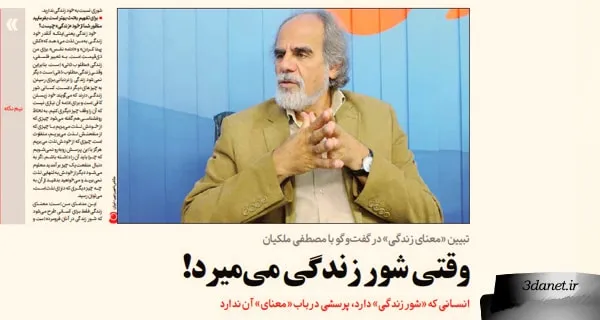
Earth Through the Lens of Heaven: A Conversation with Mostafa Malekian
In a conversation about the book Earth Through the Window of Heaven, Malekian emphasizes that development requires reforming human beliefs and emotions more than political and economic structures. He identifies individual culture as a key factor.
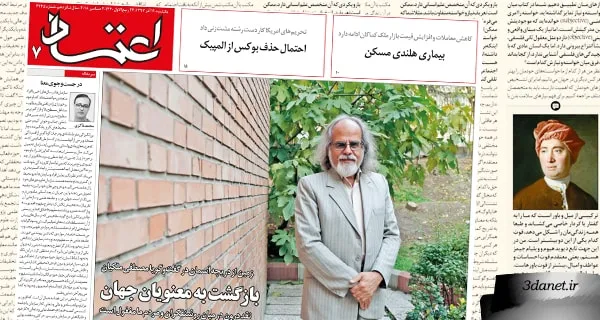
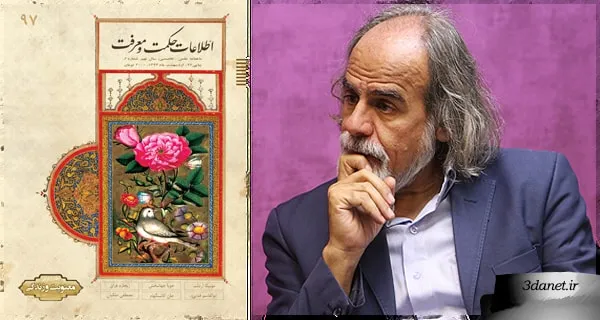
Mohsen Azmoudeh: For more than a decade, Mostafa Malekian has emphasized the project of Rationality and Spirituality, speaking of it in his numerous and widely-received talks and writings. The outcome of what this well-known contemporary intellectual and new thinker says can be explicated in the idea of the primacy of individual culture, that is, the general doctrine that for the growth, development, and progress of society and the individual, one must, before and prior to political, economic, and social structures, return to the inner being of humans and strive to reform their beliefs, feelings, and desires. Now he has taken a step further and wants to speak specifically and affirmatively about the nature and manner of this reform. That is, until now, the bulk of his effort was spent on proving and demonstrating the primacy of individual culture, and now he wants to show specifically how and in what way beliefs, feelings, emotions, and desires can be transformed. Which beliefs are true and which are false, which feelings and emotions are appropriate and which are inappropriate, what are reasonable desires and what are unreasonable ones. To answer these questions, he turns to the teachings of those he calls, in his own words, "the spiritual ones," and in the lecture series "Earth Through the Lens of Heaven" at the Soroush Mowlana Institute, he has tried to speak in detail about these teachings. From Malekian's perspective, the spiritual ones are those who, firstly, are not content with the sensible and material world alone; secondly, believe that the world and humanity are not in a desirable state in their current condition and that one must strive and endeavor to reach the desirable state; and thirdly, that this state is attainable. These lectures have recently been published by Soroush Mowlana Publications under the same title, "Earth Through the Lens of Heaven". Of course, as Malekian himself acknowledges, this book is part of a more general project and needs to be completed. On the occasion of the publication of this book, we visited this professor and researcher of philosophy, ethics, and psychology and asked him about its main claims.
First, I wanted to ask you to provide an explanation about the title of the book. What do you mean by "Earth Through the Lens of Heaven"?
The expression “Earth Through the Lens of Heaven” is entirely metaphorical. We usually refer to material issues and problems metaphorically as the earth or the earthly, and to what pertains to the world of meaning, spirituality, and the soul as heaven. This is a common metaphor in all the world’s languages. I chose the title “Earth Through the Lens of Heaven” for this reason: to point out that for many material issues or problems, we seek material solutions or material means of resolution, and this is correct, but at the same time, for many material issues and problems, spiritual and psychological solutions also exist. I wanted to allude to this point. Therefore, “Earth Through the Lens of Heaven” means how one can view material and spiritual issues and problems from a spiritual and psychological perspective and strive to solve and resolve them. This idea, of course, is not new. But since I have emphasized it, I must offer an explanation. For I have neither invented this point, nor is it a point that moderns pay attention to. Many from ancient times have heeded this point. But I must explain why I have placed a renewed emphasis on this ancient and old point. Nowadays, in books, treatises, and articles written about the progress of a country, a society, or a nation, or about the growth of that society, or about the development of that society (with the subtle difference that the three concepts of progress, growth, and development have), great attention is usually paid to three factors. That is, when they want to assess the state of a country in terms of progress, growth, and development, they rely on three factors: first, the factor of that country’s natural and God-given resources, meaning how much pastureland, mines, water, etc., it has; second, attention is paid to how expert, capable, and competent those who make the country’s economic policies and plans are, and how ignorant they are, making plans and policies with their own delusions and errors—that is, to what extent truly expert economists, sociologists, and social psychologists are involved in this planning, and to what extent those who have assumed charge of these plans solely due to other characteristics they possess, not due to their expertise, are involved. The third factor that is considered is to what extent the political regime governing that society opposes economic programs and to what extent it is favorable to them. To what extent do the totality of interactions that the ruling political system has with its own people, the people of other countries, and other states help implement economic programs, and to what extent do they, on the contrary, hinder and obstruct them. The argument in this book is that these three factors are entirely correct, but a fourth factor must not be neglected. In my opinion, this factor is even more important than the previous three, and it is this: what goes on inside each of the citizens of this society. What is the individual culture of each and every citizen of this society? Because culture is an ambiguous term, I have broken it down completely into its components. When I say individual culture, I mean what beliefs these people have or lack, what feelings, emotions, and passions they have or lack, and what desires, ideals, and goals they have or lack. These three, all of which relate to the inner world of each and every citizen and whose manifestation then appears in their outward speech and actions, are very important. That is, what beliefs does each of the human beings in this society hold about the universe and humanity, life, the human being, the individual, society, family, economics, education, rights, duties, responsibility, free will, and so on; and in addition to these, what feelings and emotions do they have, from what do they derive pleasure and from what does suffering befall them. What are their likes and what are their dislikes, to what are their loves, hatreds, hopes, despairs, friendships, enmities, angers, satisfactions, etc., directed; and third, what desires does each of these people have. What are their goals, what are their ideals and aspirations. These are also very important. Therefore, my claim is that if those three factors that others have pointed to are fully provided and perfectly well-organized, but this fourth factor lacks proportion and harmony with them, all those plans and policies will remain unsuccessful, and society will not see the progress, growth, and development it desired. Of course, as I said, this statement is not new at all; but why do I emphasize it? For two reasons: firstly, because it seems that the intellectuals of our country greatly neglect this fourth factor, or in some cases, they feign neglect. I am not guessing this; I say it from sensory experience.
زیرا خیلی وقتها جدل من با دوستان روشنفكرمان در این باب است كه آنها میگویند تو سراغ امری رفتهای كه این امر چندان تاثیری در بهبود وضع جامعه ما خصوصا و جامعه بشری عموما ندارد. بسیاری از مخالفتهایی كهاز قبل دوستان روشنفكر با بنده میشود به این جهت است كه گویی تاكید من بر عامل چهارم به حدی است كه انگار عوامل اول و دوم و سوم را به فراموشی سپردهام. در حالی كه اصلا به گمان خودم چنین نیست. اما نكته دوم اینكه مردم ما نیز بهاین توهم دچار هستند كه گویا اگر هر چیزی كه در بیرونشان هست، درست شود، دیگر روی خوشی و كامروایی و شادكامی را میبینند. من بهاین عقیده ندارم و واقعا و قاطعا به این قائلم كه باید به مردم نوعی آموزش و پرورش داده شود كه نتیجه آن آموزش و پرورش این است كه شهروندان جامعه، اگر هر چیزی كه بیرون شما هست هم به بهترین صورت سامان داده شود، اما در درون خودتان باورها یا احساسات و عواطف یا خواستههایی مناسب یا مساعد آن بیرونیها نداشته باشید، روی خوشی و شادكامی را نمیبینید. به نظر میآید این امر برای مردم هم مغفول است و حتی بعضا انكار میشود. به این صورت انكار میشود كه در شبنشینیها و جلسات میبینیم كه نقد مردم دائما معطوف به بیرون خودشان است، یعنی میگویند اگر رژیم سیاسی فلان نمیكرد یا فلان گونه نبود یا اگر اقتصاد ما فلان صورت را میداشت و به این صورت الان نبود، وضع ما بهتر میشود. مردم ما هیچوقت نقد معطوف به درون ندارند. یعنی متوجه نیستند كه ممكن است باورهایی داشته باشند كه گذشته از موانع بیرونی، سنگ بر سر راه پیشرفت یا توسعه یا رشد جامعه میگذارد. من این خودنقدگری یا خودانتقادگری (self criticism) را در میان خودمان نمیبینیم كه معطوف به درون است. بنابراین سخن من در این كتاب اصلا نو نیست و بسیاری از قدیمالایام به آن معترض شدهاند. آنچه باعث شده بر آن تاكید كنم، این است كه میبینم نه روشنفكران و نه خود مردم به این نكته یا توجه ندارند یا توجه دارند اما آگاهانه آن را پس میرانند. این نكته كه فرهنگ درون مردم مهم است. اینكه دائما بر فرهنگ درون مردم تاكید میكنم به این معناست كه گمان نكنیم وقتی از فرهنگ میگوییم، به این معنا است كه به تعداد عناوین كتابهایی كه در سال منتشر میشود، اشاره دارم یا تیراژ كتابها. بحث من اصلا این موارد نیست. ممكن است خود من كسی باشم كه كتابها و مقالات فراوانی هم نوشته و منتشر كرده باشم و به لحاظ فرهنگ بیرونی از عوامل موثر و سهیم بوده باشم، اما آن فرهنگی كه محل بحث من است، در خودم وجود نداشته باشد. بنابراین بحث من از درون است، وگرنه ما در كشورمان هم كتاب داریم و هم تئاتر و سینما و همهچیزهایی كه مظاهر فرهنگ بیرونی است. آن چیزی كه نیست، فرهنگ درونی است كه محل بحث است. از این حیث در اوایل كتاب، سه معنای فرهنگ را از یكدیگر تفكیك كردهام و گفتهام كه منظورم فرهنگ درونی جامعه است، یعنی فرهنگ درونی یكایك شهروندان جامعه.
You have previously emphasized the discussion of the primacy of culture in your writings and talks. But what you yourself have said is new in this book is spiritual transformation, meaning you want to address the contributions of the spiritual figures. What do you mean by this addition?
The claim of the primacy of culture (as has been said) is that our beliefs, feelings, emotions, and desires play a very important role in our external situation. That is, matters that are themselves internal and subjective have a significant share in improving the external and objective situation. The primacy of culture makes no claim beyond this. However, the primacy of culture itself does not claim which beliefs, feelings, emotions, and desires are appropriate and which are inappropriate. It only says that this internal factor plays a very important role, whether a destructive or constructive one. In this book, I wanted to emphasize the extent to which it is constructive. To put it another way, for example, saying that diet has an important effect on people's health is one statement, and saying that these specific diets benefit health and those specific diets harm health is another statement. The first says, in brief, that diet matters in your health or lack thereof, or in the advancement or lack of advancement of your health, but it has not specified its instances. It is exactly the same in this book. In this book, firstly, the primacy of culture that I have always spoken of is emphasized; but at the same time, it adds that, since this is the case, which beliefs, feelings, emotions, desires, and wishes are conducive and appropriate. The second point is that my personal conviction is that among the teachings offered by the spiritual figures of the world, we find many of these appropriate beliefs, feelings, emotions, desires, goals, aspirations, and ideals. Therefore, I have emphasized what the spiritual figures have said.
Who do you mean by spiritual figures?
In a lecture I gave on the occasion of the tenth anniversary of the Rationality and Spirituality project at the University of Tehran, I said that I believe if someone holds three teachings, I call them spiritual. First, they believe that all the laws governing existence and the human world are not only the laws of physics, chemistry, and biology, and that there are other laws that govern and are as firm as other laws, but at the same time, these laws are not such that we can seek them in physics, chemistry, or biology. There is no news or trace of them there. Second, the spiritual person absolutely does not believe that my current situation is also the desirable situation. A spiritual person is someone who is never completely satisfied with the current situation of their own self (my discussion is not at all about the social status quo), and believes there is a distance between their current situation and their desirable situation, that is, the situation they are in and the situation they could be in, and therefore there is always a striving and seeking within them, a diligence, a fervor within them, and they have not found rest in their current state. This effort and fervor is devoted to moving themselves from the undesirable current situation to the non-existent desirable situation. But the third teaching that the spiritual individual believes in is that the desirable situation for the human individual is attainable and is not an impossible wish or wishful thinking. All my words are about the human individual. This is because I, like the spiritual figures of the world, am intensely individualistic and am more or less, and to varying degrees, distant from communitarian perspectives. The discourse of the world's spiritual figures is never about reforming society; their goal is the reformation of the individual, and the result of their work will be the reformation of society. With the distinction I have always made between goal and result. Now, with this definition, it becomes clear that by the spiritual figures of the world, I mean those who have a serious commitment, both theoretical and practical, to these three teachings.
Do you have any specific examples of the world's spiritual figures? I think you consider Buddha and Rumi to be among the spiritual figures, but can other examples of spiritual figures be enumerated?
If I were to confine myself to these modern centuries, I can say that in the nineteenth and twentieth centuries there are spiritual individuals who are instances of the spirituality I have in mind. The reason I mention the modern centuries is so that there is no pretext for someone to say that those who lived in past times had a different society and social stability, and that today a person cannot be spiritual. Therefore, when I speak of the spiritual, I have in mind people like Henry David Thoreau (1817–1862), who lived in the first half of the nineteenth century in America, or Ralph Waldo Emerson (1803–1882), the American philosopher who lived in the same century, or, in the twentieth century, I mean figures such as Thomas Merton (1915–1968), the American writer; Albert Schweitzer (1875–1965), the German physician, philosopher, and theologian; Simone Weil (1909–1943), the French writer and philosopher; and Rudolf Steiner (1861–1925), the German philosopher and artist. These individuals are truly the highest exemplars of this very concept of spirituality that I have put forward.
In your book, you have quoted the late Dariush Shayegan to the effect that, in his view, in our time we have scientists, politicians, philosophers, and so on, but among the needed elites, we have no access to sages. You have also described sages as those whose speech, firstly, is affirmed by the audience as soon as it is uttered; secondly, their speech is not taught in a place like a university or school; and thirdly, learning their words requires no prior preliminaries. Can it be said that the sages needed by our time are the same as the spiritual individuals?
I can say that all sages are among the spiritual, but there are spiritual individuals who, by the definition I have of a sage, are not sages. Therefore, it can be said that every sage is spiritual, but it is not the case that every spiritual person is also a sage. Sagehood is a deeper or higher rank. Those who stand at the pinnacle we call the sages of history. But it can be said that these two concepts have a kind of extensional overlap, although the concept of the spiritual is broader than the concept of the sage and encompasses a wider circle.
In my view, the theoretical basis of the book is the discussion of the "desire-belief" theory. The main question is: what is the motivation for human action? His beliefs or his desires? The desire-belief theory, as you have expounded it, is neither purely desires nor beliefs. You believe in a combination of the two, that is, "desire-belief"; of course, with a primacy and priority you accord to desires. You did not provide a reason for this preference and merely pointed out that it emerges from the teachings of the spiritual individuals or the founders of religions that they consider primacy to lie with desires. But it is their followers who gravitate toward the priority of belief. Why, in your view, is desire more important?
در واقع الان نظام انگیزشی «میل- باور» یا «باور- میل» مورد اجماع همه روانشناسان روزگار ما است و در این جهت من سخنی میگویم كه موافق است با مطالعات و تحقیقاتی كه روانشناسان كردهاند. اما بحث بر سر این است كه حالا كه همه این اجماع را داریم كه تركیبی از میل و باور است كه ما را به گفتار یا كردار خاصی میكشاند و طبعا همه زندگیمان را شكل میدهد، قوت كدام یكی از این دو بیشتر است. من در این جهت تابع دیوید هیوم و ویلیام جیمز هستم، یعنی معتقدم قوت احساسات و عواطف و امیال، بیشتر از قوت باورهاست. سلسلهالنسب این دیدگاه به دیوید هیوم باز میگردد و بعد از او با بیانی دیگر یعنی با بیان روانشناسانهتری، آن را ویلیام جیمز مطرح كرده است؛ البته این دیدگاه مخالفانی نیز دارد كه معتقدند كه باور اهمیت بیشتری دارد. استدلالهای دیوید هیوم و ویلیام جیمز برای من قانع كنندهتر هستند. اما واقعیت این است كهاگر شما دیدگاه مخالف را نیز بپذیرید، از این جهت فرقی نمیكند كه بالاخره درون موثر است. ما گویی در این بحث صرفا به درصد تاثیر این سه مولفه درونی (باورها، احساسات و امیال) را به صورت متفاوتی ارزیابی میكنیم. یكی میگوید مهمترین عامل در نظام انگیزشی انسانها باورها هستند، بعد احساسات و عواطف و طبعا در نتیجه آانها خواستهها، دیگری میگوید اول احساسات و عواطف اهمیت دارند، بعد باورها كه در اثر آمیزش و ازدواجشان خواستهها پدید میآیند. فقط وزن این دو كفه فرق میكند. اما اینكه چرا من این دیدگاه خاص (نظام میل- باور با تاكید بر احساسات و عواطف) را انتخاب كردم، به دلیل آن است كه استدلالات دیوید هیوم و ویلیام جیمز برایم قانعكنندهتر آمده است تا استدلالات كسانی كه میگویند اهمیت باور بیشتر است.
آیا میتوانید به صورت اجمالی به یكی از استدلالهای ارایه شده در این زمینه اشاره كنید؟
The most important reason that has been presented, and which seems entirely defensible, is that no matter how much I reflect, I see that when we and our total cognitive faculties refer to the world—whether the inner world or the outer world, whether past, present, or future, whether nature or the supernatural, including inanimate objects, plants, animals, and humans, the individual or society—in short, whenever we refer to the universe with our total cognitive faculties, that is, with our sources of knowledge, we see that we recognize nothing but "is" and "exists" and "is not." We cannot, by referring to the world with any of our cognitive faculties, discover in any place an "ought," an "ought not," a "good," a "bad," a "right," a "wrong," a "duty," a "responsibility," a "virtue," a "vice," a "heroism," or a "sainthood." None of these are perceived. An object tells us, "I am this," and does not say, "I am this and ought to be" or "I am this and ought not to be" or "I am this and I wish I were not" or "I am not this and I wish I were," nor does it say, "I am this and you must eliminate me" or "I am this and you must strengthen me." We do not find these things in the world with our cognitive faculties. That is, in my view, referring to the world does not give me knowledge about oughts and ought-nots, right and wrong, good and bad, virtue and vice, duty and responsibility, and so on. So how do I live with all these concepts? Our feelings and emotions give them to us. This means that the first realm within me, that is, the cognitive realm within me that seeks to provide me with knowledge, does not provide me with any preference for one thing over another, any inferiority of one thing to another, any greater value of one thing over another, or any lesser value of one thing over another. It is in the realm of my feelings and emotions, and because I possess this realm, that I have a system of valuation. This is the first point. That is, in the words of André Maurois, if we were merely a thought-recording machine, for every input given to us, the output would be propositions denoting "is," "exists," and "is not," and no "ought" or "ought not" would be our output or be issued from us to the outside. But the reason that mere "is," "exists," and "is not" are not issued from us is that we are not merely a thought-recording machine; we also possess the realm of feelings and emotions. This realm of feelings and emotions tells me that this thing is more important than that thing, so attend to this. When I want to attend to that more important thing in terms of feelings and emotions, my knowledge comes into play, telling me that if you want to attend to this, the correct ways of attending to this task are these, and these specific ways will make you successful, while those other ways will lead to failure. Therefore, it is first the realm of feelings and emotions that tells me what direction to take in life, whether in general matters or in particular ones, and its instruments are provided to me by the cognitive realm. This is the most important reason upon which I rely to say that the realm of our feelings and emotions is more important than our cognitive realm.
On this basis, you consider the most important teaching of the spiritual teachers to be that we must align our wants with our needs. In your book, you have distinguished between want and need. You have called want a subjective matter whose existence is identical to its being perceived, but need has a real and objective basis and, like a secondary philosophical intelligible, has an external source of abstraction. But how is an ordinary person, who is not familiar with philosophical complexities, to know the difference between their wants and their needs?
In my view, each of us knows our own wants better than anyone else in the world, but to identify our needs—those that truly matter—we must consult various specialists. To understand the needs for bodily health, physical strength, or physical beauty, we must turn to specialists in nutritional sciences, biophysics, biochemistry, physiology, and sports science to learn what this body requires for its health, strength, and beauty. Similarly, we have a set of mental needs that also have their own specialists. We have psychological needs that have their own specialists. Because these are needs—meaning their existence is not identical to their being perceived, nor their being perceived identical to their existence—they may exist without being perceived, or be perceived without existing. Therefore, I myself may err in these matters and must consult the specialists of each discipline. Each specialist in the various fields of the humanities determines a portion of these needs for us; of course, those specialists themselves are also fallible, but we have no other recourse. We only know that the possibility of error by specialists is far less than the possibility of my own error. For each of my needs, I must consult the specialists in that particular domain of the humanities. In this sense, I have said that needs cannot be linked to ideologies. That is, an ideological person cannot claim to know what the people of a society need. Absolutely not. No ideology, school, creed, doctrine, faith, religion, or -ism has the right to say that they know what you, the people of society, need, and if you see them opposing your wants, it is because they want to guide you to your needs. This is by no means the case. We must only consult specialists in the humanities—that is, anthropologists, psychologists in the various branches of psychology, sociologists in the various branches of social science, economists, political scientists, and those specialized in management—and ask them what I need so that I may try to align my wants with these needs as much as possible.
Regarding physical and bodily needs, as you said, one can consult a doctor or a physiology specialist. But as you also mentioned, when it comes to mental and psychological needs, we must turn to specialists in the humanities, and naturally, depending on the approach that humanities specialist takes, the definition of need and want may differ. For instance, since you say you lean more toward individualism than collectivism, you might consider many social desirables as a want rather than a need with a real basis; just as some spiritual figures in the world, like the Buddha, have had such an approach. Yet sometimes there is a social scientist with a collectivist approach who considers a particular social desirable, to a certain degree, as part of human needs. How can this divergence be explained?
در پاسخ باید دو نكته گفت. نخست اینكه كاملا حق با شماست كه این تشتت هست. اما وقتی راه دیگری در پیش نداریم، چه باید بكنیم؟ اگر راه دیگری در پیش داشتیم كه این تشتت در آن نبود؛ البته باید به سمت آن میرفتیم و هر عاقلی آن راه را میرفت. اما دیگر از این تشتت گریزی نیست. نكته دوم اینكه در عین حال كه من قبول دارم در همه حوزههای علوم انسانی، مكتبها و مشربهای مختلفی داریم، اما چنین نیست كهاینها هیچ كدامشان نتوانند ذرهای دفاع عقلانی از مدعیاتشان بكنند. بنابراین معتقدم اگر گفتوگوهایی میان این مكتبها و مشارب صورت بگیرد، گفتوگوهایی كه عالمانه و منصفانه و عمیق است، به تدریج معلوم میشود كه مثلا در یك جهت خاص، حق با كدام یك است. یعنی اگر این اختلافات چنان بودند كه مجال گفتوگو بین طرفین و اطراف اختلاف نبود، این تشتت الیالابد باقی میماند. اما اگر به معنای دقیق آن یعنی «دایالوگ» صورت بگیرد، یعنی گپ یا بحث و جدل نباشد، بلكه به معنای بوبری یا هابرماسی آن باشد، این اختلافات به تدریج كمتر و كمتر میشوند و ما انسانها به یك نوع همگرایی میرسیم. وقتی كه گفتوگو وجود نداشته باشد، هر كسی ساز خودش را كوك میكند و اصلا توجه ندارد كه دیگران چه سازی كوك كردهاند. اما این گفتوگو یك سلسله شروطی دارد. شروط فردی آن به كرات گفته شده است، مثل اینكه طرفین باید اهل انصاف باشند، در موردی گفتوگو كنند كه احاطه كامل به مورد گفتوگو داشته باشند و باید حقطلبی نصبالعینشان باشد. اما یك مساله جمعی نیز هست و آن اینكه گفتوگو فقط در جامعه آزاد معنا دارد. اگر در جامعهای آزادی وجود نداشته باشد، هر كسی فقط خودش میماند و حلقه مریدان خودش و این اختلاف نظرها الیالابد ادامه پیدا میكند. اما اگر آزادی وجود داشته باشد، چنین نمیشود و مثلا من كه فردگرا هستم، با كسی كه جمعگرا است، به سخن گفتن مینشینیم و بالاخره یا من عقبنشینی میكنم یا او. یا من مقداری به او نزدیك میشوم و یا او به من نزدیك میشود و بالاخره همگراییهایی بیشتر و بیشتر پیدا میكنیم. به تعبیری دیگر پیش فرض من این است كه گفتوگو با رعایت همه شرایط، واگراییها را كم و همگراییها را افزایش میدهد. ممكن است كسی خود این پیش فرض را قبول نداشته باشد و بگوید گفتوگو هرچه وسیعتر و عمیقتر شود، میزان واگراییها بیشتر میشود. من نظر مخالفی دارم. اما آن مقدار هم كه همگرایی حاصل نمیآید، بالاخره چاره دیگری نداریم. ما به گفته منطقیان نباید به دنبال كمال مطلوب دست نیافتنی باشیم. وقتی نیست باید به همین مقدار كه هست قناعت كنیم.
شما كمتر بحث جامعهشناختی و تاریخی میكنید. اما كسانی كه دیدگاههای شما را دنبال میكنند، معتقدند رویكردهای فردگرا در اخلاق، محصول دورههایی است كه جامعه و روشنفكران از اصلاح جامعه در معنای كلی آن ناامید شدهاند و احساس كردهاند كه جامعه در وضعیتی بحرانی است. مثال بارز آن یونان بعد از عصر طلایی است كه شاهد رشد رواقیگری و كلبی مشربی هستیم كه رویكردهایی فردگرا هستند. آیا با این تبیین موافق هستید؟
No, because I see within a single social context both individualist thinkers and collectivist thinkers. I think that right now in our country, many intellectuals are even more despairing of social reform than I am, yet they still insist on their collectivism. It is even possible that I am more hopeful than some of them, yet I still insist on my individualism. I cannot accept that every individualist necessarily lives in a society that is despairing and disillusioned, and every collectivist lives in a society that is optimistic and hopeful. In all social contexts—pessimistic and optimistic, hopeful and despairing—we see both individualist thinkers and collectivist thinkers. Here I want to make an individualist claim and say that in this matter I follow William James, who believed that individualism or collectivism, or adherence to this or that school of thought, depends more on our psychological type than on the social context in which we live. Refer to William James's classic essay, which says, "The history of philosophy is the history of the temperaments of philosophers," translated by Dr. Abdolkarim Rashidian. There, James says that ultimately, why a certain philosopher gravitated toward a particular school and another philosopher toward a different school comes down to psychological type. I said this years ago: that the temperament of the individual, that is, the psychology of their personality type and character. Of course, James extends this view toward various schools, whether in philosophy or outside it. A friend of mine, Dr. Mohammad Fanaei Eshkevari, published a booklet at the time refuting this claim of mine and, in his own words, criticized my "temperamental philosophy"—that is, he said Malekian considers philosophy dependent on temperaments. I still hold this view. But let us move on from this discussion; I cannot accept the argument that social context is determinative. Because in every social context, I see both individualism and collectivism. For instance, if it were as friends say, then from 40 years ago until today, individualist intellectuals should have proliferated, since we have become more despairing and pessimistic day by day over these 40 years. But this is absolutely not the case.
Perhaps it is definitively and precisely as you say, but we also see that worldwide, virtue ethics, which is an individualist approach to ethics, is now receiving more attention, and we witness that public favor for grand narratives like Marxism and liberalism has been lost, and ideologies in their old form are not heeded. Can it not be said that the more people's despair and hopelessness grows toward those who want to offer grand programs for reforming society in its entirety, the more the inclination toward individualist explanations increases?
I think that to prove this view, the first step is to be able to show, through statistical and field research, that human society in 2018 has become more pessimistic and hopeless compared to 1918, a hundred years ago. The second step is to show that the number of individualist thinkers has increased, both quantitatively and qualitatively, and become weightier than collectivist thinkers. If these two can be demonstrated through field and statistical research, then perhaps a correlation between the two can be shown; of course, even then, correlation is not necessarily causation, but it might be possible to find a correlation. But I truly do not consider either of these two points established; I am not saying I have a reason to reject them, but I also have no reason to accept them.
Let us return to the book; in the final chapters of the book, you present several beliefs as erroneous beliefs and say that correcting them can lead to the improvement of a suitable individual culture. This emphasis on beliefs seems to contradict your initial discussion, where you placed the emphasis on reforming feelings and desires. That is, you first emphasize the primacy and priority of feelings and desires, but ultimately you only point to erroneous beliefs. Is this a contradiction, or does it simply arise from the fact that the book's discussions are incomplete?
It is not a contradiction, but the book is indeed incomplete. Essentially, even if we overlook this shortcoming of the book, my purpose in publishing it—or, to put it better, my purpose in consenting to its publication—was simply to allow the core meaning to enter people's minds and souls in a vague form. Otherwise, my book, in addition to the flaw you mention, has numerous other deficiencies. I thought that perhaps the core of this idea might convince some people, and then they themselves would undertake research far broader and deeper than mine. But this part is a conspicuous defect of my book: when I place so much value on feelings and emotions, even if time was short, it would have been better to first describe the conducive and appropriate feelings and emotions, and if time permitted, then address beliefs. Not to first go after beliefs and leave feelings and emotions out altogether. I intend, if this book receives a worthy reception, to try to hold several sessions of lessons on the other two parts (feelings and desires) and add them in later editions. This is a prominent flaw, and I think the first criticism anyone would encounter upon facing the book is exactly what you said.
Of course, the aim of raising this question was not fault-finding, but rather to clarify whether you agree that the book should be completed? At the same time, I wanted to ask you to briefly explain how a person can improve their desires, feelings, and emotions?
If the difference you see between beliefs, feelings and emotions, and desires stems from the inference that changing beliefs is somehow easier, while changing feelings, emotions, and desires is more difficult, I do not find that very acceptable. In my view, changing beliefs is also a very difficult task, just like desires, feelings, and emotions. But you might imagine that we can better distinguish right from wrong beliefs, because a right belief is a true belief and a wrong belief is a false belief; in other words, truth and falsehood in the realm of beliefs are easier to ascertain than when we turn to feelings, emotions, and desires. Right feelings and emotions are appropriate feelings and emotions, and wrong feelings and emotions are inappropriate ones; right desires are reasonable desires, and wrong desires are unreasonable ones. The truth or falsehood of beliefs can be ascertained more easily than the appropriateness or inappropriateness of feelings and emotions, or the reasonableness or unreasonableness of desires. If that is what you mean, the question is correct. Now your question is how one can prefer appropriate feelings and emotions and reasonable desires. In my opinion, regarding which desires are reasonable and which are unreasonable, or which feelings and emotions are appropriate and which are inappropriate, we have no choice but to refer to depth psychology. But regarding how, after we have understood which feelings and emotions are appropriate and inappropriate and which desires are reasonable and unreasonable, we should change our own desires so that they become reasonable desires, and how we should change our own feelings and emotions, it comes back to education and upbringing. There have been very excellent and good discussions on this subject. Right now I can refer to one of the thinkers I mentioned, namely Rudolf Schneider. He was one of the thinkers who paid more attention to this subject in education, that is, how we change our desires rather than our beliefs. This is a detailed discussion, and not all its subtleties and angles are clear even to me. I try very hard to work in this area. But if I can continue these sessions, I can at least present what I have arrived at so far. I hope an opportunity for this will arise.
.
.
PDF file of this conversation
.
.
Earth Through the Lens of Heaven: A Conversation with Mostafa Malekian
A Return to the Spiritual Figures of the World
Internal Critique Is Neglected Among Our Intellectuals and People
Interviewer: Mohsen Azmoudeh
Source: Etemad Newspaper - Sunday, December 2, 2018
.
.

Discussion1 comments
ایکاش استاد ملکیان در مورد تاثیر مزاج ( سنخ روانشناختی ) فلاسفه در رد و قبول عقاید فلسفی توضیح بیشتری میدادند . با توجه به آنچه که از ایشان خوانده ام بسیار بعید میدانم که ایشان قائل به نسبیگرایی باشند . نسبی گرایی معرفتشناختی یک ادعای خودشکن و باطل است . صد البته تاثیر دو سویه عقل و دل محل انکار نیست ، ولی نسبیگرایی باطل است .