Political Science
Erin Marie Saltman: How young people join violent extremist groups—and how to stop them
Terrorists are not inherently violent; they are recruited and radicalised through a process. Erin Marie Saltman explains the push and pull factors that drive young people to join extremist groups and outlines strategies for countering fundamentalism.
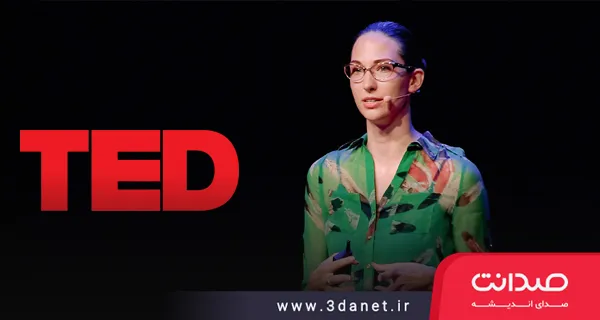
Terrorists and extremists are not inherently violent sociopaths—they are deliberately recruited and radicalized through a process that does not fit into a neat pattern. Erin Marie Saltman discusses the push and pull factors that lead people to join extremist groups and describes innovative methods for preventing and countering radicalization.
Erin Marie Saltman: In 2011, I changed my name so I could participate in a far-right youth camp in Hungary. I was doing a PhD on the political socialization of youth—why young people were developing political ideologies in a post-communist context. And I was seeing a lot of the young people I was talking to joining the far right, and this was surprising to me. So I wanted to join this youth camp to get a better understanding of why people join. So a colleague registered me, and my last name was a little too Jewish. So Erin became Irina,
and Saltman became Sós, which means "salty" in Hungarian. And in Hungarian, the surname comes before the first name. So my James Bond name became Salty Irina, something I would not normally have chosen for myself. But going to this camp, what actually surprised me more was how much fun it was. They talked very little about politics. It was mostly learning to ride horses, archery, live music at night, free food and alcohol, and a bit of target practice with air rifles using the faces of mainstream politicians as targets.
And it actually felt more like an inclusive, friendly group until you started talking or mentioning something about the Roma population, Jewish people, or immigrants, and the discussion would quickly turn vicious. So this is what sparked my current work, and raised the question, "Why do people join violent extremist movements, and how can we effectively counter them?" After horrific attacks and tragedies in places like France, Belgium, and other parts of the world, it is sometimes easy to think, "Well, these must be psychopaths, individuals who are inherently violent.
There must be something wrong with their upbringing." And what is very painful is that often there is no single history. Many people have educational backgrounds, different socioeconomic backgrounds, men and women, of different ages, some with families and some single. So why? What is the appeal? And I want to talk about that, as well as what challenges we face with it in this modern age. Through research, we know that there are several different factors that influence the process of an individual becoming radicalized, and we categorize these as push and pull factors.
And these are relatively similar for almost all neo-Nazi and far-right groups, Islamist extremists, and terrorist groups. And push factors are basically things that make you vulnerable to the radicalization process, to joining a violent extremist group. And these can be various things, but roughly, a sense of alienation, a sense of isolation, questioning your identity, also the feeling that the group you belong to is under attack, and the group you belong to might be based on nationality, ethnicity, or religion, and the feeling that the larger powers around you are not helping you in this regard.
Now, push factors alone do not turn you into a violent extremist, because if that were the case, those same factors would affect a population like the Roma, and they are not a violent, mobile group. So we have to look at the pull factors. What do these violent extremist organizations offer that other groups do not? And actually, these are often very positive things, seemingly very empowering, like brotherhood and sisterhood and a sense of belonging, as well as giving a person spiritual purpose. A sacred cause to build a utopian society, if their goals are achieved, but also a sense of empowerment and adventure mixed in, when we look at foreign terrorist fighters, we see young men out in the desert with the wind in their hair, and women going to join them to be married at sunset.
It’s very romantic and you become a hero. This is the propaganda that is given to both men and women. So what extremist groups are very good at is taking a very complex, confusing, and nuanced world and simplifying it into black and white, good and evil.
And you become the good part that challenges the evil. So I want to talk a little about the Islamic State, or ISIS, because they are a major game-changer in how we view these issues, and of course because of the methods and things they use. They are a very modern movement. One aspect is the internet and the use of social media, as we’ve seen with trending hashtags and beheading videos. But the internet alone does not radicalize you. The internet is a tool. It’s not like you go online to buy shoes and suddenly become a jihadist. However, the internet acts as a catalyst.
It provides tools, scale, and speed that are not available elsewhere. And with ISIS, suddenly this idea of a dark, cloaked jihadist persona changed for us. Suddenly, we were in their kitchens. We saw what they ate for dinner. They were tweeting. Foreign terrorist fighters tweeting in their own languages. Women there talking about their wedding day, about the birth of their children. Suddenly we had gaming culture. And references to "Grand Theft Auto." So all of a sudden, they were familiar.
They were human. And that is the challenge in trying to counter them. Many governments and social media companies tried to censor them. How do we get rid of terrorist content? And it became a game of cat and mouse, where we saw content being taken down and then reappearing, and a personal escalation with 25 accounts and content being posted everywhere. But we also saw a dangerous trend—violent extremists know the rules of social media. So we would see a mundane conversation with a recruiter starting on a mainstream platform.
And at the point where that conversation became illegal, they would move to a smaller, less regulated, more encrypted platform. Suddenly, we couldn't trace the conversations. So this is a problem we have with censorship, which is why we need to think about alternatives to censorship. The Islamic State is also a game-changer because it has formed a state. It doesn't just recruit fighters; it tries to build a state. And that means your recruitment model suddenly becomes much broader. You're not just going after fighters—
now you need architects, engineers, accountants, hackers, and women. We have actually seen a massive increase in women joining them over the last 24 months, and especially the last 12 months. Now in some countries, one in four joiners are women. And this really changes how we try to counter this process. So of course, it's not all doom and gloom. So the rest of my talk is about some positive things and new innovations trying to prevent and counter violent extremism. Prevention is very different from countering, and you can actually think of it in medical terms.
So preventive medicine is about how we make you naturally resilient to the radicalization process, because it will be different if someone is already showing signs and symptoms of belonging to a violent extremist ideology. And also in preventive measures, we talk more about actual broader groups of people and exposing them to ideas to make them resilient. Whereas it's really difficult if someone has already started questioning and agreeing with certain online material, and it's also really difficult if the person already has a swastika tattoo.
and has roots in a group as well. How do you reach them? Well, I will examine three examples from each of these levels and describe what some new methods of engaging people are becoming. One of them is “Extreme Dialogue,” and this is an educational program we helped develop. This one is from Canada, and its aim is to hold discussions in classrooms using storytelling, because explaining violent extremism can be very difficult, especially for younger people. So we have a network of former extremists and survivors of extremism.
who tell their stories through video and pose questions for classrooms to start a conversation about these topics. These two examples show Christianne, who lost her son because he became radicalized and fought for ISIS, and Daniel is a former neo-Nazi member, and he was a violent neo-Nazi extremist, and they raise questions about their lives and why they are remorseful, and prompt the classroom to discuss it. Now, looking at the middle tier of people, we honestly need a lot of civil society voices. How do we engage with people who are looking for information online,
who have started playing with ideology, who are searching for these identity questions? How do we find alternatives for that? And this is where we combine large groups of civil society voices with creative individuals, tech world people, software developers, artists, and comedians, and in this way we can create really specific content and actually send it online to very strategic audiences. So one example was making a satirical video that mocked Islamophobia and targeted 15- to 20-year-olds who are into white supremacist music,
and specifically live in Manchester. We can use marketing tools for precision, so we know when and who is watching the videos, and that specific content is not just for ordinary people like you and me. We are looking for very specific audiences to attract. Even more in the mainstream, a mentoring program called “One to One” where we used former extremists to directly engage with a group of neo-fascists as well as violent Islamists, and they would send direct messages to these people on Facebook Messenger with text like, “Hey, you know, where are you heading, and I’ve been there before.
If you want to talk, I’m here.” Well, we usually expect to receive death threats from this type of engagement. It’s a bit alarming when a former neo-Nazi member asks, “Hey, how are you?” But honestly, we found that about 60 percent of the people who were contacted responded, and of those, about another 60 percent had sustained engagement, meaning they had conversations with the hardest-to-reach people about what they were going through, planting seeds of doubt, and giving them alternatives for talking about these topics. And this is really important. So what we are trying to do is bring unlikely sectors to the table.
We have incredible activists all over the world, but often their messages are not strategic or they don’t actually reach their intended audiences. So we work with networks of former extremists. We work with networks of young people in different parts of the world. And we work with them to bring the tech sector to the table with the help of artists, creatives, and marketing experts so that we can actually have a more effective approach in challenging extremism. So I want to say that if you are in the audience and happen to be a graphic designer, a poet, a marketing expert, someone who works in PR,
or a comedian—you might think this isn’t your sector, but honestly the skills you have right now might be exactly what is needed to help effectively combat extremism. Thank you.
(Applause)
.
.
Watch the video of this talk on Aparat (with simultaneous Persian and English subtitles)
Watch the video of this talk on YouTube (with simultaneous Persian and English subtitles)
.
.
How young people join violent extremist groups—and how to stop them
Speaker: Erin Marie Saltman
.
.




Discussion5 comments
متاسفانه این ترجمه بسیار آشفته و گسیخته است. بسیاری از جملات، بیدلیل دشوار نوشته شدهاند. کاش ترجمهٔ روانتر و دقیقتری میشد تا چنین مطلب مفید و حساسی، خوشخوان میشد. من تا چند پاراگراف را خواندم و ترجیح دادم دنبال اصل مطلب بگردم.
آقا مهدی مگر در فلسفه ایران بغیر از این هم سراغ دارید؟اگر دارید معرفی بفرمایید .
موردی و دقیق بگو مشکل ترجمه چیه و الا شائبهی عداوت شخصی با مترجم پیش میاد
استفاده از تدتاک ، مدیومی عوامانه و دارای مخاطب غیر محقق که چیزی شبیه هدایتگر سلیق و اذهان تماشاگران تلوزیون دهه های پنجاه یا شصت ایلات متحده هست ، بسیار گویاست. 1. ادعای افراطی بودن دیگران را داشتن ، علم گرا بودن ، عقل گرا بودن mythologyجدید عصر ماست. چنین نگاهی در صدانت با سانسورهای معمول و دیپلماسی نیمه هوشمند مدیریت زمان انتشار و به استفاده از جون ایرانی عنان اختیار از دست داده در محیط های دانشگاهی مبلغ راست گرایی لیبرال و ایده آل سازی ایده کهنه land of dreams یهودی برای جوان و پیر ایرانی از کار افتاده و آنتیکیته شده. دست و پا زدن صدا نت برای فردی دارای مشاهده، اندیشه، نگرش علمی بسیار واضح است. غرب ، بطور مشخص هیلاری کلینتون و اوباما بعنوان طاحان تعلیم دهندگان و تامین کنندگان مالی داعش در پرزوژه مقابله تروریستی با اخلاق و تندیشه شکست خوردند اما فالوورهای داخلی آن ها که شغل خود را از دست داده اند نمی توانند مانند هیلاری کلینتون و اوباما حقوق مکفی و مدام دریافت کنند political intrestایرانی سر درگماست و تلاش می کند در مخفی گاه اینترنت و در فضای امن و بی هزینه political constituencyخود را تهییج کند. 2. توهم بری بودن ار ایدئ.لوژی و ایدئولوزی خواندن تبیین های آلترنتیو فحش فلسفی و بی اخلاقی فکری، و عدم دقت در حوزه اندیشه است. همان نوپوزیتیویسم ماخ و کارنپ و نوراث که الان pejorative واژه ای دشنام است. به جای دشنام دادن academic integrity و گوش فرا دادن به دیگران سبب شناخت بهتر خواهد شد.
اون بخش ۲ را خواندم فکر نمیکنم معنی داشته باشه اولا کارناپ پوزیتیویست بوده نه نوپوزیتیویست بعد هم pejorative خود به معنای دشنام یا توهینآمیز است جمله شما فاقد معنی است