Philosophy
“How to Become a Philosopher” by Bertrand Russell
Bertrand Russell outlines the characteristics of a philosophical life and urges the reader to practice philosophy in order to live well. He regards people's baseless beliefs as products of comfort; to realise one's aims, one needs knowledge, not superstition.
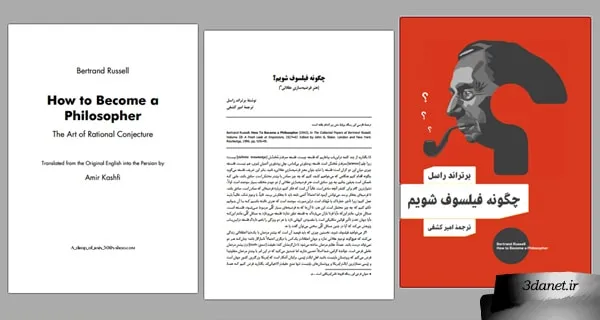
In this essay, Bertrand Russell clearly articulates the characteristics of the philosophical life and presents a vivid picture of living philosophically. Russell urges his audience to become philosophers in order to live well.
“If you wish to become a philosopher, the first thing to understand is that most people live by beliefs that have no rational justification, and the world of beliefs of one person is likely to be incompatible with that of another, so that both cannot be true. For the most part, people’s opinions are constructed to comfort them. Truth, for most people, is a secondary factor. …But truth is better than falsehood. It is shameful to seek comfort in hopeful lies. …Moreover, one reason for wishing to be a philosopher [a seeker of truth] is that false beliefs do not enable you to realize your purposes. In the Middle Ages, when an epidemic disease occurred, people crowded into churches to pray, thinking that their piety would move God to show mercy; but in fact, the throngs of people in poorly ventilated buildings provided ideal conditions for the spread of the disease. If your means are to be adequate to your ends, you must have knowledge, not superstition or prejudice.” (From the text of the essay)
.
.
PDF file of the translation of the article “How to Become a Philosopher?”
.
.
Article title: How to Become a Philosopher?
Author: Bertrand Russell
Translated by Amir Kashfi
.
.


Discussion3 comments
مثل دیگر نوشته های راسل عالی است.او قصارگوی همه دوران هاست و از منطقی بزرگی چون او انتظاری غیر از این نمیرود.درود بر صدا نت.تنها صدایی که میماند.
فوق العاده بود ... خیلی ممنونم صدا نت ...
از خواندن این ترجمه ی دلنشین لذت بردم و استفاده کردم. تشکر.