Religion
Who Is an Agnostic?
For Bertrand Russell, an agnostic is one who holds that the existence of God cannot be known and suspends judgment. Such a person rejects religious authority, dismisses the concept of sin, and grounds morality in reason and the consequences of actions.
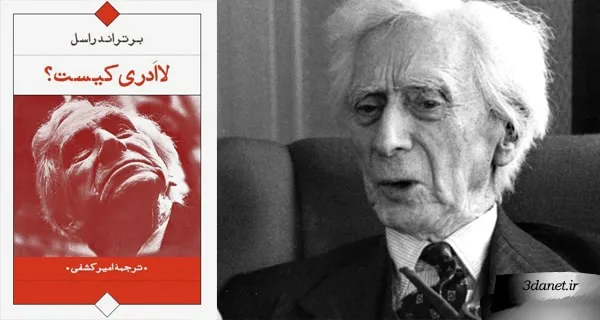
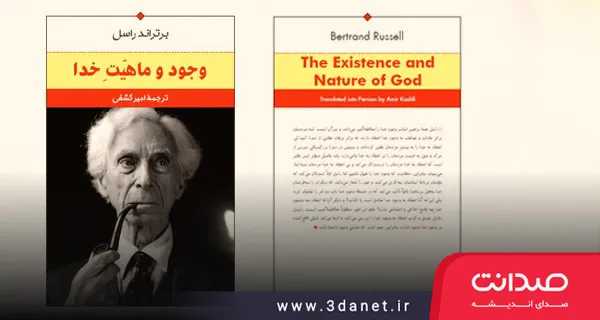
Translator’s Note: This essay consists of Bertrand Russell’s answers to 20 questions on agnosticism, atheism, and religion, posed by the editors of Look magazine; it was first published in that periodical in November 1953 and has since been reprinted in several different books.
The English word agnostic—originally Greek, meaning “unknowable” or “incognizable”—has been rendered here as “laa-adri,” but the term “nedan-am-gu” (I-don’t-know-ist), “derang-ayin” (suspension-rite), “mo’attel” (suspender), “nemidanam-kish” (I-don’t-know-creed), or the phrase “ahl-e ta’til va tavaqqof dar shenakht” (people of suspension and pause in cognition) could also serve as Persian equivalents. The discerning reader may choose or coin their preferred equivalent from among these.
*
Who Is an Agnostic?
Russell: An agnostic is someone who thinks it is impossible to know the truth in matters such as the existence of God and a future life of the kind that Christianity and other religions deal with. Or, if not impossible for all eternity, at any rate impossible at present.
*
Is an Agnostic an Atheist?
Russell: No. An atheist, like a Christian, holds that we can know whether or not there is a God. The Christian holds that we can know there is a God, and the atheist holds that we can know there is not. The agnostic suspends judgment, maintaining that there are not sufficient grounds either for affirmation or for denial. At the same time, an agnostic may hold that the existence of God, though not impossible, is very improbable; he may even hold it so improbable that it is not worth considering in practice. In that case, he is not far removed from atheism. His attitude may be that which a careful philosopher would have towards the gods of ancient Greece. If I were asked to prove that Zeus, Poseidon, Hera, and the other Olympian gods do not exist, I should certainly be at a loss to find convincing arguments. An agnostic may think the Christian God as improbable as the Olympian gods; in that case, he is, for practical purposes, at one with the atheists.
*
Since you deny “God’s law,” what authority do you accept as a guide to conduct?
Russell: An agnostic does not accept any “authority” in the sense in which religious people do. He holds that each person should think out questions of conduct for themselves. Of course, he will seek to profit by the wisdom of others, but he will have to select for himself the people he wishes to consider wise; and even then, he will not regard what they say as unquestionable. The agnostic observes that what is regarded as “God’s law” changes from time to time. The Bible says both that a woman must not marry her deceased husband’s brother, and that, in certain circumstances, she must do so. If you have the misfortune to be a childless widow with an unmarried brother-in-law, it is logically impossible for you to avoid disobeying “God’s law.”
*
How do you know what is good and what is evil? What does an agnostic consider a sin? Does an agnostic do whatever he likes?
Russell: The agnostic is not quite so certain as some Christians are as to what is good and what is evil. He does not hold, as most Christians in the past held, that people who disagree with the government on abstruse theological points ought to suffer a painful death. He is opposed to persecution, and rather careful about moral condemnation.
And as for “sin”; the agnostic thinks that sin is not a valid concept [or notion]. He certainly acknowledges that some kinds of behavior are desirable and some undesirable, but he holds that the punishment of undesirable kinds is only acceptable when it is deterrent or reformative, not when it is imposed because it is thought to be a good thing in itself that the sinner should suffer. It is this belief in vindictive punishment that has led people to accept hell. This is part of the harm that the concept [or notion] of “sin” has produced.
Does the agnostic do whatever he likes? In one sense, no; in another sense, everyone does whatever he likes. Suppose, for example, you hate someone so much that you wish to kill him. Why do you not do so? You may answer: “Because religion tells me that murder is a sin.” But as a statistical fact, agnostics are not more prone to murder than other people, in fact much less so. They have the same motives for refraining from murder as other people have. Without doubt the most powerful of these motives is the fear of punishment. In lawless conditions, such as the rush of gold-seekers, all sorts of people commit crimes, although in ordinary times they were law-abiding. Not only the actual legal punishment, but the agony of fear of being found out, and the loneliness of knowing that, to escape being hated, you must wear a mask even with your closest friends [hide your true face]. And there is also what may be called “conscience”: if you ever contemplated murder, you would dread the terrible memory of your victim’s last moments or the lifeless corpse. It is true that all this depends on your living in a law-abiding society, but there are plenty of non-religious reasons for creating and maintaining such a society.
I said that there is another sense in which everyone does whatever he likes. No one but a fool satisfies all his impulses; but what restrains a desire is always another desire. One can restrain anti-social desires by a desire to please God, but one can also restrain them by a desire to please one’s friends, or to win the respect of the community, or to be able to contemplate oneself without disgust. But if one has no such desires, abstract precepts of pure morality will not directly stop him.
*
How does the agnostic view the Bible?
Russell: The agnostic views the Bible exactly as enlightened clergymen view it. He does not think that it is divinely inspired; he thinks its early history legendary, and no more true than that of Homer; he thinks its moral teaching sometimes good, but sometimes very bad. For example, the prophet Samuel, in a battle, commanded King Saul to kill not only all the men, women, and children of the enemy, but also all the sheep and cattle. Yet, King Saul let the sheep and cattle live; and for this, we are told to blame him. I have never been able to admire the prophet Elisha for cursing the children who laughed at him, or to believe (as the Bible claims) that a benevolent Deity sent two she-bears to kill the children!
*
Does the agnostic believe in some kind of afterlife, in heaven or hell?
Russell: The question whether persons survive death is one upon which evidence is possible. Many people think that psychical research and spiritualism provide such evidence. The agnostic, as such, takes no view about survival unless he thinks that there is evidence one way or the other. As far as I am concerned, I do not think that there is any compelling reason to believe that we survive death; but if sufficient evidence were forthcoming, I would be receptive.
Heaven and hell are a different matter. Belief in hell is bound up with the belief that the vindictive punishment of sin is a good thing, quite independently of any reformative or deterrent effect that it may have. Hardly any agnostic believes this. As for heaven, there might conceivably someday be evidence of its existence through spiritualism, but most agnostics do not think that there is such evidence, and therefore do not believe in heaven.
*
Are you not afraid of God's punishment for rejecting his existence?
Russell: Certainly not. I also reject the existence of Zeus, Jupiter, Odin, and Brahma, but this causes me no concern. I observe that a very large portion of the human race does not believe in God and suffers no visible punishment for it. And if there were a God, I think it most unlikely that he would have such an uneasy vanity as to be offended by those who doubt his existence.
*
How do agnostics explain the beauty and harmony of nature?
Russell: I do not understand where this supposed "beauty" and "harmony" are to be found. Throughout the animal kingdom, animals ruthlessly prey upon one another. Most of them are either cruelly killed by other animals or slowly die of hunger. For my part, I am unable to see any very great beauty or harmony in the tapeworm. It cannot be said that this creature was sent as a punishment for our sins, for it is more prevalent among animals than among humans. I suppose what the questioner has in mind is such things as the beauty of the starry heavens. But one should remember that stars every now and again explode and reduce everything in their neighborhood to a vague mist. Beauty, in any case, is subjective and exists only in the eye of the beholder.
*
Does not the rejection of religion mean the rejection of marriage, chastity, and other aspects of Christian virtue?
Russell: Here again I must answer the question with another question: Does the person who asked this question believe that marriage and chastity contribute to earthly happiness here on earth, or does he think that, while they cause unhappiness on earth, they should be advocated as a means of getting to heaven? The person who takes the latter view will no doubt expect agnosticism to lead to a certain dissolution of what he calls virtue, but he must acknowledge that what he calls virtue is not something that contributes to the happiness of the human race on earth. If, on the other hand, he takes the former view, namely that there are worldly arguments in favor of marriage and chastity, he must also hold that these arguments, whatever they may be, are bound to appeal to the agnostic. Agnostics, as such, have no distinctive views on sexual morality. Some of them think moderately well, and some think differently. But most of them acknowledge that there are valid arguments against the unbridled gratification of sexual desires. However, agnostics derive these arguments from terrestrial sources and not from supposed divine commands.
.
.
Who Is an Agnostic?
Bertrand Russell
Translated by Amir Kashfi
.
.
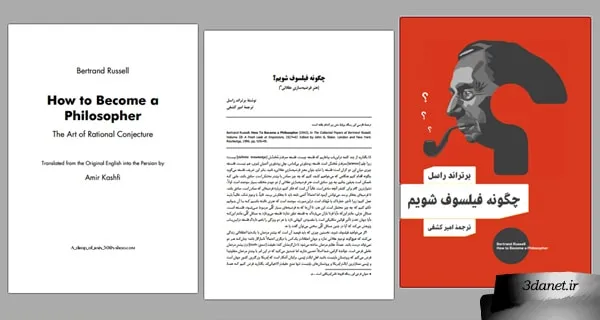
The Persian translation of this essay is based on the following text:
Bertrand Russell. What is an Agnostic? In : The Basic Writings of Bertrand Russell. 2009. London & New York: Routledge. pp. 557-65.
.
.
Full text of the symposium in PDF
.
.



Discussion10 comments
دوستان, این "برادر مسلمان" از "آتش به اختیاران سایبری" هستند, که تو این سایت "صبح تا شب" رختخواب پهن کردن, برای تبلیغات ایدئولوژیک مذهبی .. فقط من موندم ایشون کی وقت میکنن برن سر کار ؟؟ البته گویا "آتش به اختیاری" هم خودش شغل موفقیست ?
بی دینان و خداناباوران چطور؟ آنان و ایشان در این سایت بستر پهن نکرده اند؟ نه اینکه آنان هم مدام نظر نمی دهند و ایدئولوژی و مکتب خود را تبلیغ نمی کنند؟! مگر نه اینکه این صفحه می تواند جایی برای گفت و گو باشد؟ اگر براستی به آزاداندیشی و آزادی بیان و قلم باور دارید بگذارید ایشان و هر فرد دیگری نظرات و انتقادات خود را بیان دارد و به اشتراک بگذارد! مخالف ایشان هم جواب بدهد و نقد بکند و نه تحقیر و تمسخر!!!
پاسخ به جناب مسلمان (إِِنَّ الَّذینَ کَفَرُوا سَوَآءٌ عَلَیهِم ءَأَنذَرتَهُم أََم لَم تُنذِرهُم لا یُؤمِنُونَ*خَتَمَ اللّهُ عَلی قُلُوُبِهِم وَ عَلی سَمعِهِم وَ عَلی اَبصارِهِم غِشاوَهٌ وَ لَهَم عَذابٌ عَظیمٌ)(بقره7-6). (الَّذِینَ یُجَادِلُونَ فِی آیَاتِ اللَّهِ بِغَیْرِ سُلْطَانٍ أَتَاهُمْ کَبُرَ مَقْتًا عِنْدَ اللَّهِ وَعِنْدَ الَّذِینَ آمَنُوا کَذَلِکَ یَطْبَعُ اللَّهُ عَلَى کُلِّ قَلْبِ مُتَکَبِّرٍ جَبَّارٍ)(غافر/٣٥ ذَلِکَ بِأَنَّهُمُ اسْتَحَبُّوا الْحَیَاهَ الدُّنْیَا عَلَى الآخِرَهِ وَأَنَّ اللَّهَ لا یَهْدِی الْقَوْمَ الْکَافِرِین) (نحل/107) وَ لَقَد ضَرَبنََا لِلنّاسِ فی هَذا القُرآنِ مِن کلِّ مَثَلٍ وَ لَئِن جِئتَهُم بِآیهِ لِیَقُولَنَّ الَّذِینَ کَفَروا اِن اَنتم اِلّا مُبطِلُونَ*کَذلِکَ یَطبَعُ اللّهُ عَلی قُلُوبِ الَّذِینَ لایَعلَمُونَِ)(روم/58-59 أَفَرَأَیْتَ مَنِ اتَّخَذَ إِلَهَهُ هَوَاهُ وَأَضَلَّهُ اللَّهُ عَلَى عِلْمٍ وَخَتَمَ عَلَى سَمْعِهِ وَقَلْبِهِ وَجَعَلَ عَلَى بَصَرِهِ غِشَاوَهً)(جاثیه/23)
در متن بالا: ۱_ تمام دلابل و نشانه های توحید نا دیده گرفته شده است و گوینده ، خود را به نادانی محض زده است. ۲_ تمام نظر های ضد و نقیض در احکام اقتصادی و مصداق های اخلاقی نادیده گرفته شده و با مطرح نمودن سلیقه ها وتمایلات فردی ، بی قانوتی وبدون برنامه بودن وبی هدف بودن را به جای قانون های دینی پیشنهاد می کند. ۳_ بین نیک و بد ، تفاوتی نگذاشته و نیکو کاران و جنایتکاران را یکسان می پندارد.۴_ بدون هیچگونه دلیلی تمام واقعیت های تاریخی در مورد پیامبران و کتب اسمانی را نادیده می گیرد.۵_ در جهان با این عظمت وبا اینهمه دقت و قانون ، انسان را یک مو جود موقتی بدون سرانجام و پوچی می پندارد که سر انجام او مرگ است. ایا عقل این را می پذیرد؟ ایا عقل مبپذیرد که سرانجام نیکو کاران و جنایتکاران یکسان باشد ؟ ۶_ خیال میکند که خالق او مانند خود اوست و نمی داند که قانون های خدا برای نفع بندگان است و خدا از بندگان بی نیاز است. ۷_ هماهنگی در طبیعت را نادیده گرفته است مانند ان شخصی که در جنگل از وجود درختان می پرسید. ۸_ فرض نموده که این جهان باید بهشت باشد تا فاقد مگ ومیر باشد .
استدلالات شما منطقی نیست. 1-نشانه های توحید رامبنای پیشینی ندارند. 2-اخلاق مقوله ای نسبی و تاریخی, تکاملی است. نمی تواند معیار توحید باشد.متن چیزی را پیشنهاد نمی کند واقعیت را به صورت عریان بیان می کند. 3-نیک و بد هم نسبی است و تنها معیار قانون عمومی است. 4-واقعیت تاریخی نیازمند اثبات و دلایل قابل آزمایش است. هیچ دلیلی برای آزمایش ادعاعای شما وجود ندارد 5-بله عقل می پذیرد. پیشنهاد می کنم کتاب نقد عقل محض کانت را بخوانید. اما پیش از آن شما باید وجود نظم را اثبات کنید. 6-اول وجود خالق را ثابت کنید پس از آن نسبت به صفت ورزیدن اقدام کنید. 7-وجود هماهنگی غیر طبیعی را باید ثابت کنید 8-چنین فرضی از بحث استنباط نمی شود.
شما تو سایت صدات زنبیل گذاشتی هر چی به دین ربط داره نظری میدی. دقیق هم نمیخونی هیچی رو. امیدوارم قران رو با این دقت نخونده باشی
خب راسل مانند شما از علم و منطق سر در نمی آورده و اصول بدیهی عقل مانند اصل آنتروپی را نمی دانسته و فاقد عقل بدون تعصب بوده است برای همین هم دچار گمراهی شده است. :)
ترجمه پر از 'دست انداز' بود، جون کندم تا خودمش :-D
کانال فلسفه مجله ای گذاشته که مقاله های خیلی خوبی درباره اتییسم و اگنوستیسیسم داره، با مواضع راسل قابل مقایسه است بخصوص موضع بلکبرن. https://t.me/philosopherin
ممنون بابت معرفی مجله. یک مقاله داشت درباره انواع تجربه آتئیستی که شبیه همان کتاب جیمز درباره انواع تجربه دینی است. استاد ملکیان عزیز به این اثر جیمز استناد میکنند در بحثهاشون، وقتی اینو خواندم به این فکر میکردم که رویکرد استاد ملکیان میتواند هر دوی این دیدگاهها را در بربگیرد.