Religion
Firefighting Doubt
If news arrives that houses have been set on fire by the ruling of traditional jurisprudence for the abandonment of congregational prayer, what is a firefighter to do? This question serves as a prelude to examining the documents that attribute the threat of burning down the homes of those who oppose congregational prayer to the Prophet.
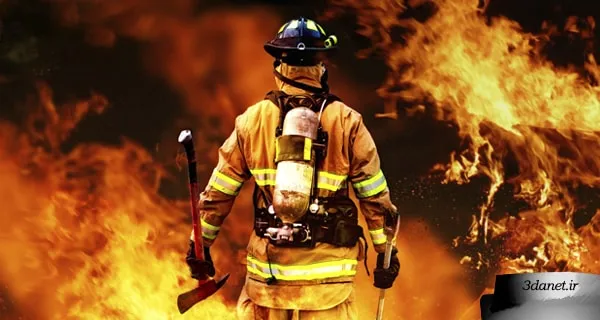
In your opinion, when firefighters receive the following report:
“The homes of a group of people in various parts of the city have been set on fire because they did not participate in congregational/Friday prayers, in accordance with the rulings of traditional jurisprudence,”
what action should they take?
A- Take the official traditional rulings as the criterion, disregard the report received, and not be dispatched to the location.
B- Take the rescue of human beings and their property as the criterion, go to the location, extinguish the fire, and save the residents of the house from burning.
C- In case of doubt, take the opinions of emerging critical jurists as the criterion, and be dispatched to the location for the time being so that the matter can be further investigated in due course.
Perhaps posing such questions seems incorrect and strange, but it may well be that the blind knots of politics must be identified in just such places!
Some documents for grasping the difference between the views of the people and traditional jurists regarding the Noble Prophet:
Lawāmiʿ-i Ṣāḥibqirānī by Majlisī the First, vol. 4, pp. 373-374
And the Messenger of God, may God bless him and his family, said to a group: You shall attend the mosque, or I will surely burn your houses down upon you. And it is narrated that the Master of the Messengers, may God bless him and his family, said to a group that you must attend, or by God, you will attend the mosque for congregational prayer, and if not, I will burn your houses down upon you, meaning I will set fire to your houses so that you burn along with your houses. And this theme has been transmitted in authentic hadiths through both Sunni and Shia chains. Among them, in a sound hadith from ʿAbd Allāh ibn Sinān, it is narrated that he heard Imam Jaʿfar al-Ṣādiq, God’s blessings be upon him, say that a group during the time of the Master of the Messengers, may God bless him and his family, used to delay and not attend the congregational prayer in the mosque. The Prophet said that it is near that I might command that firewood be brought and placed in the houses of that group who abandon the prayer in the mosque in congregation, and set it alight, and burn their houses down with them inside. And in a sound hadith, akin to authentic, from that Imam, God’s blessings be upon him, it is narrated that the Messenger of God, may God bless him and his family, stipulated for the neighbors of the mosque that they attend the prayer, and he said that those who do not attend the congregational prayers must cease this and attend; otherwise, I will command a muezzin to give the call to prayer and the iqama, and I will command a person from my household, who is ʿAlī, God’s blessings be upon him, to bring a bundle of firewood and burn the houses down upon the group who do not attend the congregational prayer. And in a sound-like-authentic hadith, it is narrated from ʿAbd Allāh ibn Abī Yaʿfūr from Imam Jaʿfar al-Ṣādiq, God’s blessings be upon him, that he said the Master of the Messengers, may God bless him and his family, intended to burn a group who prayed in their homes and did not attend the congregational prayer. Then a blind man came and said, “O Messenger of God, I have no eyes, and it often happens that I hear the call to prayer, but no one is available to bring me to the congregational prayer so that I may pray with you.” The Prophet said, “Tie a rope from your house to the mosque, and take hold of the rope and attend the congregational prayer.” And in Sunni chains, it is also narrated in their sound collections in a manner similar to the preceding hadith. And given that the congregational prayer is a sunna, they have offered several interpretations for his intention to burn them. One is that the group who did not attend were hypocrites, and burning them was permissible. Another is that they were abandoning all congregational prayers, even the Friday prayer, and the burning was on account of abandoning the Friday prayer. Another is that it was merely a threat and warning, and intimidation is permissible. Another is that the burning of this world is different from the burning of the Hereafter, and what is obligatory is that for abandoning it, they deserve the punishment of the Hereafter, as has been mentioned regarding the call to prayer and will be mentioned regarding abandoning the visitation of the Prophet. And this last meaning is the most apparent, although it is possible that all the reasons are combined, and God Almighty knows best.
Ghāyat al-Quṣwā, the translation of ʿUrwat al-Wuthqā, by the translator Shaykh ʿAbbās Qummī, vol. 1, p. 392
And it is not permissible to abandon the congregational prayer due to turning away from it or belittling it. And in a report, there is no prayer for one who does not pray in the mosque without a reason. And there is no backbiting against one who prays in his home and turns away from our congregation. And one who turns away from the congregation of Muslims, backbiting him is obligatory upon the Muslims, and his probity is nullified among the Muslims, and avoiding him is obligatory. And if he is brought before the Imam of the Muslims, he must warn him and frighten him. Then, if he attends the congregation of the Muslims, all is well; otherwise, he should burn his house down...
Do Muslim, committed, and free-minded people hold such a view of the Prophet?!
.
.
Firefighting Doubt
Amir Torkashvand, 2017.01.25
.
.



Discussion3 comments
شه آن باشد که از خود شه بود نی به لشکر یا خزانه شه بود ! فلسفه وجودی حقوق بشری هم دقیقا در همین تقدم جان بر عقیده پایه گذاری شده ست. اگر کشوری منشور حقوق بشری را امضا کرده و خودش را عضو سازمان ملل میداند پس بایستی شجاعت و شرافت و عرضه پایبندی به امضای خودش را نیز داشته باشد. اما اگر به سبیل تقیه و ... در خفا و مخفیانه، یا مکارانه و بزدلانه، زیر امضای خودش بزند در آنصورت خودشان هم بطور ضمنی تایید کرده اند که عقایدشان، غیراصیل و غیرمعرفتی بوده لذا منطقا چندان پشیزی هم نمی ارزد و احتمالا با فاشیست های مقدس مآب طرفیم که صرفا بدنبال بهانه ای تئوریک جهت تسلط هستند. نیکخواهی، اصل و اساس روح و روان سالم ست. هیچ امر ثانویه ای، برتر و مقدم بر نیازهای اولیه نیست. بقول سارتر هیچ کتابی ارزش آن را ندارد که کودکی گرسنه بماند.
نگاه ما مهم نیست مهم حقیقت است. بنده به عنوان خواننده این مطلب این سوال در ذهنم ایجاد شد که آیا قضایا و مطالب نقل شده در منبع اول (لوامع صاحبقرانی) از لحاظ تاریخی درست است و سندیت دارد یا خیر؟ و این وظیفه شما به عنوان نویسنده است که به این سوال پاسخ دهید.
آقای مصطفی اگر سندش درست باشه نگاه شما عوض می شه یا دست به تاویل و استعاره و تمثیل و غیره می زنید ؟ فقط در صورتی بگید «نگاه ما مهم نیست مهم حقیقت است» که آمادگی پذیرش حقیقت رو هر چه قد هم که تلخ باشه داشته باشید . اغلب مردم دنبال حقیقت نیستن اونایی هم که ادعا می کنن هستن خیلی هاشون وقتی با حقیقت مواجه می شن آمادگی قبولش رو ندارن .